Top Expert Tips to Avoid Common Mistakes in Cannabis Nutrient Testing

Cannabis nutrient testing is crucial for healthy plant growth. However, many growers, both novice and experienced, find themselves making common mistakes in cannabis nutrient testing. These errors can lead to inaccurate cannabis nutrient testing results, affecting the overall yield and quality of your harvest. Let’s dive into some tips to avoid these pitfalls.
When testing cannabis nutrients, knowing the essential nutrients your plants need is key. Each strain, like the powerful Blue Dream from Blimburn Seeds, has its unique nutrient requirements. Missing out on specific nutrient ratios can lead to stunted growth or poor yields. Ensuring your testing methods align with your chosen strains helps in avoiding common errors in cannabis nutrient analysis.
Recommended Strains

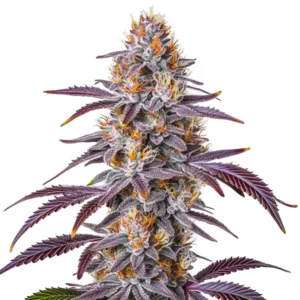
GG4

|
THC | 27% (High) |

|
Type | Feminized |

|
Yield | High |

|
Phenotype | 40% Indica / 60% Sativa |

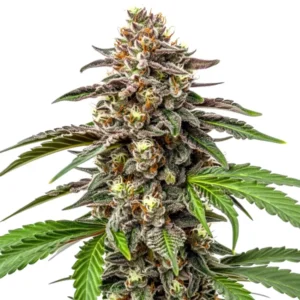
Girl Scout Cookies
|
|
THC | 18% - 25% (Medium) |
|
|
Type | Feminized |
|
|
Yield | High |
|
|
Phenotype | 60% Indica / 40% Sativa |
Another common mistake is not considering the pH levels of your growing medium. If the pH is off, your plants might not absorb nutrients effectively, leading to errors in cannabis fertilizer testing. Regularly check and adjust the pH to ensure it stays within the optimal range for your chosen strains, such as GG4 from Blimburn Seeds.
Knowing Your Nutrients
Knowing the basic nutrients needed for cannabis growth is a step often overlooked. Cannabis plants require macronutrients such as nitrogen, phosphorus, and potassium, as well as micronutrients like calcium and magnesium. Failing to test for these can result in common mistakes in cannabis nutrient testing.
For instance, if you’re growing a strain like Girl Scout Cookies from Blimburn Seeds, you’ll want to ensure your nutrient testing includes checks for both macro and micronutrients. This will help you avoid mistakes in testing cannabis nutrients that can affect the flavor and potency of your final product.
Additionally, many growers underestimate the importance of micronutrients, often focusing solely on macronutrients. Ignoring elements like zinc, copper, and manganese can lead to deficiencies that manifest as poor plant health and reduced growth rates. Regularly testing for these trace elements can help in avoiding common errors in cannabis nutrient analysis.
It’s also essential to understand that nutrient requirements can change throughout the plant’s growth cycle. During the flowering stage, for example, cannabis may require different nutrient ratios compared to the vegetative stage. Tailoring your nutrient testing to these developmental phases can prevent cannabis nutrient testing pitfalls and promote optimal growth.
Promos & Deals



Regular Testing Schedule
Skipping regular testing is a major pitfall in cannabis nutrient testing. Setting a consistent schedule for testing ensures that you’re catching any nutrient imbalances early. This helps in preventing long-term damage to your plants.
Consider creating a simple calendar to remind you of testing times. Regular testing allows you to track changes over time and adjust your nutrient mix accordingly. This proactive approach minimizes common errors in cannabis nutrient analysis.
Establishing a routine testing schedule is not only about frequency but also about timing. Testing during the same time of day can provide more consistent results, as environmental factors such as temperature and humidity can affect nutrient absorption. This consistency helps in reducing inaccurate cannabis nutrient testing results.
Moreover, keeping detailed records of each testing session can provide valuable insights over time. Documenting the results allows you to identify patterns and make informed decisions about nutrient adjustments, thus avoiding mistakes in testing cannabis nutrients and enhancing overall plant health.
Accurate Measurement Techniques
Using the wrong tools for measuring nutrients can lead to inaccurate cannabis nutrient testing results. It’s essential to invest in quality testing kits and follow the manufacturer’s instructions to the letter. This ensures you’re getting precise readings.
For example, when testing the nutrient mix for a Blue Dream crop, use calibrated equipment. This prevents discrepancies that might occur due to faulty tools, thus avoiding errors in cannabis fertilizer testing.
One common mistake is failing to regularly calibrate your testing equipment. Over time, even high-quality tools can drift in accuracy, leading to unreliable results. Regular calibration ensures that your readings remain accurate, helping you avoid common mistakes in cannabis nutrient testing.
Another technique to improve measurement accuracy is to take multiple readings and average them. This approach can mitigate the impact of any anomalies and provide a more reliable basis for nutrient adjustments, thereby reducing cannabis nutrient testing pitfalls.

Avoiding Over-Fertilization
Over-fertilization is a common mistake in cannabis nutrient testing that can cause nutrient burn. This happens when plants receive too much fertilizer, leading to damaged leaves and reduced growth. It’s crucial to follow recommended guidelines for nutrient concentrations.
Ensure you’re aware of the specific needs of your strain. For instance, GG4 might not need as high nutrient levels as other strains. Adjusting nutrient amounts based on the plant’s response can prevent common errors in cannabis nutrient analysis.
Closely observing your plants for signs of nutrient burn, such as yellowing leaves or browning tips, can help you detect over-fertilization early. These symptoms can be a clear indicator that adjustments are needed to avoid further damage and maintain healthy growth.
Besides to visual inspections, conducting soil tests can provide insight into nutrient levels. If excessive nutrients are detected, reducing the concentration in your feeding schedule can help in correcting these issues, thus minimizing errors in cannabis fertilizer testing.
Using the Right Water Source
Your water source can significantly impact your cannabis nutrient testing results. Not all water is created equal; some sources might contain minerals that affect nutrient absorption. Testing your water source is as important as testing your nutrients.
If you’re using tap water, it might contain chlorine or other substances that can interfere with nutrient uptake. Consider using filtered or distilled water to avoid these issues. This minimizes cannabis nutrient testing pitfalls and keeps your plants healthy.
Regularly testing your water’s pH and mineral content can prevent unexpected nutrient interactions. High levels of certain minerals in water can lead to nutrient lockout, where plants are unable to absorb essential nutrients even when they are present.
Another consideration is the temperature of the water used in your nutrient solution. Water that is too cold or too hot can shock the plants and affect nutrient uptake. Ensuring that your water is at an optimal temperature can help in avoiding mistakes in testing cannabis nutrients.

FAQs about Common mistakes in cannabis nutrient testing
Why is cannabis nutrient testing important?
Cannabis nutrient testing ensures your plants receive the right balance of nutrients, which is crucial for optimal growth. Without proper testing, you may encounter common mistakes in cannabis nutrient testing that lead to poor plant health and reduced yields.
Regular testing helps identify nutrient deficiencies or toxicities early, allowing you to adjust your feeding schedule. This proactive approach prevents common errors in cannabis nutrient analysis and enhances your overall harvest quality.
Furthermore, consistent nutrient testing can improve the efficiency of your growing process. By knowing the specific needs of your plants, you can optimize nutrient use and reduce waste, contributing to a more sustainable cultivation practice.
Incorporating cannabis nutrient testing into your routine also allows for better experimentation with different nutrient mixes. This can lead to the discovery of optimal formulations for specific strains, such as those from Blimburn Seeds, enhancing both yield and quality.
What are the consequences of inaccurate cannabis nutrient testing results?
Inaccurate cannabis nutrient testing results can lead to nutrient imbalances. These imbalances may cause stunted growth, poor yields, or unhealthy plants. It’s essential to use reliable testing methods to avoid these pitfalls.
Consequences of inaccurate testing include nutrient burn, deficiencies, or lockout. Each of these issues can severely impact your crop’s quality, making it crucial to avoid mistakes in testing cannabis nutrients.
In some cases, inaccurate testing results can also lead to overuse of fertilizers, increasing costs and potentially harming the environment. Ensuring accuracy in testing can mitigate these risks and promote more efficient resource management.
Using precise testing methods can also enhance the predictability and consistency of your harvests. By reducing the occurrence of unexpected nutrient issues, you can better meet market demands and maintain the reputation of your product.
How can I avoid common errors in cannabis nutrient analysis?
To avoid common errors in cannabis nutrient analysis, ensure you’re using accurate testing tools and following a regular schedule. Consistency in testing reduces the chances of errors and helps maintain optimal nutrient levels.
Additionally, staying informed about the specific needs of your cannabis strain can guide your nutrient testing process. Tailoring your nutrient plan to your plants’ needs helps prevent cannabis nutrient testing pitfalls.
Another effective strategy is to stay updated on the latest advances in nutrient testing technologies. New tools and methods are constantly being developed, offering more precise and efficient ways to analyze nutrient content and avoid common mistakes in cannabis nutrient testing.
Networking with other growers and participating in online forums or local grower groups can also provide valuable insights and tips on avoiding errors in cannabis fertilizer testing. Sharing experiences and solutions can help improve your testing practices and outcomes.
What should I consider when choosing a cannabis strain for my garden?
When choosing a cannabis strain, consider factors like your experience level, growing environment, and desired effects. Strains like Blue Dream, GG4, and Girl Scout Cookies from Blimburn Seeds offer different benefits and challenges.
Some strains might require more specific nutrient care, so researching their needs beforehand can prevent mistakes in testing cannabis nutrients. Choose a strain that suits your growing conditions and testing capabilities.
It’s also important to consider the market demand and potential return on investment when selecting a strain. Popular strains like those from Blimburn Seeds often have established reputations, which can influence their marketability and profitability.
Furthermore, assess the legal regulations and climate considerations in your area. Some strains may thrive better in certain environments, and compliance with local laws is essential for a successful and legal cultivation operation.
Can over-fertilization be reversed, and how?
Yes, over-fertilization can often be reversed if caught early. The first step is to flush your plants with clean water to remove excess nutrients from the soil. This helps to mitigate the damage caused by nutrient burn.
After flushing, adjust your nutrient feeding schedule to a more balanced level. Monitoring your plants’ response and making gradual changes can prevent future errors in cannabis fertilizer testing and promote recovery.
Implementing regular checks on plant health after correcting over-fertilization can help in identifying any lingering issues. Continued observation ensures that the recovery process is effective and that no further adjustments are needed.
Additionally, educating yourself on the signs of over-fertilization and maintaining a detailed log of your nutrient applications can prevent recurrence. This proactive approach helps in avoiding common mistakes in cannabis nutrient testing and supports healthy plant growth.