Top 7 Proven Reasons for Yellow Cannabis Leaves: Expert Guide

Yellow cannabis leaves can be a grower’s nightmare. They indicate that something’s off with your plants. It’s crucial to identify the issue quickly to prevent further damage. Let’s dive into the common reasons for yellow cannabis leaves and how you can address them effectively.
Yellowing leaves often signal stress. This stress can be due to several factors, including nutrient imbalances, water issues, or environmental conditions. Knowing the exact cause will help you take corrective action swiftly. In this guide, we’ll cover the top reasons your cannabis leaves may turn yellow and share some real-life solutions to keep your plants healthy.
Recommended Strains
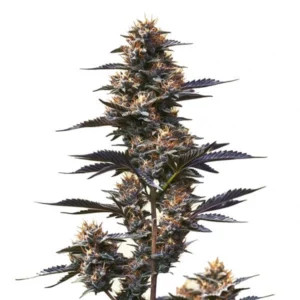


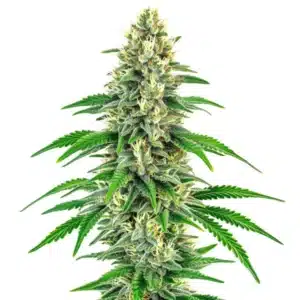
Whether you’re growing the famed GG4 by Blimburn Seeds or another popular strain, keeping your plants green and vibrant is key. Let’s explore the top causes of yellow cannabis leaves and how to fix them.
Nutrient Deficiency in Cannabis Plants
Nutrient deficiencies are one of the most common reasons for yellow cannabis leaves. Plants require a balanced diet of nutrients to thrive. If any essential nutrient is missing, the plant’s health can quickly decline. The most frequent deficiency is nitrogen, which is crucial for leaf development.
When cannabis lacks nitrogen, older leaves turn yellow first as the plant redirects nutrients to newer growth. Other deficiencies, like magnesium or iron, can also cause yellowing. These deficiencies can be addressed by adjusting your fertilizer mix. Using a well-balanced nutrient solution designed for cannabis is often the best approach.
Addressing nutrient deficiency in cannabis plants involves more than just adding fertilizers. It’s essential to understand the specific needs of your plant’s growth stage. For example, during the vegetative stage, cannabis plants require more nitrogen compared to the flowering stage. Customizing your nutrient mix according to the plant’s current phase can prevent deficiencies.
Besides to using a balanced nutrient solution, incorporating organic amendments like worm castings or compost can help maintain soil health. These organic materials provide a slow-release source of nutrients and improve microbial activity in the soil, which can enhance nutrient uptake and prevent common reasons for yellow cannabis leaves.
Identifying Nutrient Deficiencies
Early detection of nutrient deficiencies can save your plants. Look for signs like yellowing between leaf veins or older leaves turning pale. Each deficiency has unique symptoms, so it’s essential to observe your plants closely. For instance, magnesium deficiency often appears as yellowing between the veins of the leaves.
To correct nutrient deficiencies, start by checking your soil’s pH. Soil pH imbalance effects on cannabis can prevent nutrient absorption even if the nutrients are present. Adjust the pH to the ideal range of 6.0 to 7.0. Then, supplement with the missing nutrients, using products specifically for cannabis cultivation.
Knowing the visual signals of nutrient deficiency in cannabis plants can be challenging for beginners. A detailed chart or guide can be helpful in recognizing specific nutrient issues based on leaf color and patterns. This reference can be a valuable tool for quickly diagnosing and treating deficiencies.
In some cases, nutrient lockout due to pH imbalance can mimic deficiency symptoms. Testing the runoff water pH can provide insights into the root zone environment. If nutrient lockout is suspected, a thorough flush with pH-balanced water can reset the medium, allowing the plant to access nutrients more efficiently.
Promos & Deals

Overwatering Cannabis Plant Symptoms
Overwatering is another major cause of yellow cannabis leaves. Cannabis plants don’t like to sit in waterlogged soil. Excessive water can suffocate roots, leading to poor nutrient uptake and yellow leaves. It’s a common mistake, especially for first-time growers.
To avoid overwatering, ensure your pots have adequate drainage. Water only when the top inch of soil feels dry. This mimics the plant’s natural environment, where rainfall is sporadic. Using a moisture meter can help take the guesswork out of watering.
Recognizing overwatering cannabis plant symptoms early is crucial to prevent further damage. Besides yellowing, overwatered plants often exhibit wilting, even though the soil is moist. This counterintuitive symptom occurs because the roots are suffocating and unable to transport water efficiently.
Adjusting your watering schedule can be a simple yet effective solution. Besides to waiting for the topsoil to dry, consider the weight of the pot as an indicator. Lighter pots often indicate that it’s time to water, whereas heavy pots suggest that the soil still holds moisture.
Recognizing and Fixing Overwatering
Symptoms of overwatering include drooping leaves, yellowing, and a soggy growing medium. If your plant’s leaves droop and the soil feels constantly wet, overwatering is likely the issue and is one of the common reasons for yellow cannabis leaves. Allow the soil to dry out before watering again and reduce the frequency of watering to restore plant health.
Improving drainage is crucial. Consider adding perlite to your soil mix to enhance aeration. This helps prevent water from pooling and ensures your roots can breathe. Switching to fabric pots can also help as they allow excess water to evaporate more easily.
Incorporating techniques like bottom watering can minimize the risk of overwatering. By letting the plant absorb water from the saucer below, you ensure that moisture reaches the roots without oversaturating the soil surface. This method can be particularly beneficial for preventing overwatering cannabis plant symptoms.
Another strategy involves setting a consistent watering routine based on environmental conditions. During hotter months, plants may require more frequent watering, while cooler periods call for less. Observing your plant’s response to different watering schedules can guide you in finding the ideal balance.
Cannabis Leaf Discoloration Causes
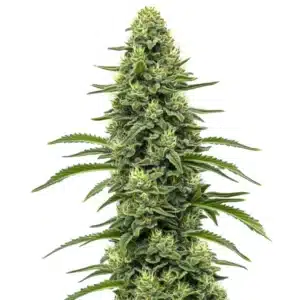
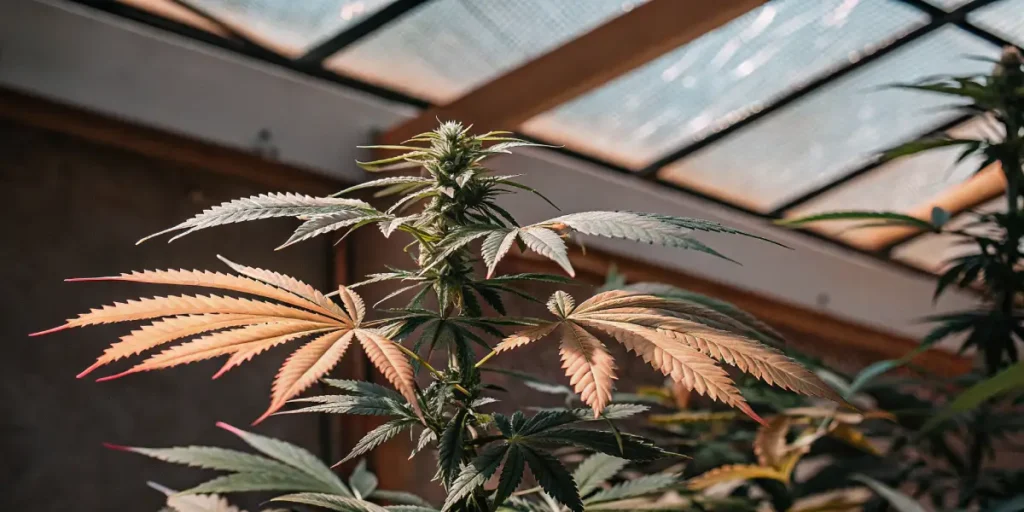
Cannabis leaf discoloration can be due to various factors besides nutrient deficiencies and overwatering. Environmental stressors like temperature extremes and humidity levels can also impact leaf health. When growing premium strains such as Jokerz, maintaining optimal growing conditions is especially important to support healthy foliage and prevent yellow leaves, ensuring the plant can fully express its genetic potential.
High temperatures can cause heat stress, leading to yellowing and curling leaves. On the other hand, low temperatures can slow down metabolism, affecting nutrient uptake. Keep your grow room between 70-85°F for best results.
Knowing cannabis leaf discoloration causes is vital for maintaining a healthy grow environment. Besides temperature, light intensity can also play a significant role. Excessive light can bleach leaves, while insufficient light can lead to pale, unhealthy foliage.
Humidity fluctuations can exacerbate other stress factors. High humidity can lead to fungal issues, while low humidity can cause leaf tips to dry out. Implementing a reliable climate control system can help stabilize these environmental variables, reducing stress on your plants.
Managing Environmental Stress
Ensuring a stable environment is vital. Use fans and ventilation systems to maintain airflow and temperature. If your grow room gets too hot, consider installing a small air conditioner. Conversely, if it’s too cold, a space heater can help.
Humidity also plays a vital role. Cannabis plants prefer a relative humidity of 40-60%. Too much humidity can lead to mold, while too little can cause drying and yellowing leaves. Using a hygrometer helps monitor these levels accurately.
One effective approach to managing environmental stress is to create microclimates within your grow space. By strategically placing fans and heaters, you can ensure even temperature distribution, preventing hot or cold spots that could affect plant health.
Another factor to consider is the timing of your interventions. Sudden changes in temperature or humidity can shock your plants. Gradual adjustments help your plants acclimate, reducing the risk of stress-induced cannabis leaf discoloration causes such as yellowing or wilting.
Soil pH Imbalance Effects on Cannabis
Soil pH imbalance is a silent culprit behind yellow cannabis leaves. If the pH is too high or too low, it can lock out essential nutrients, even if they are present in the soil. This results in nutrient deficiencies and the dreaded yellow leaves.
Testing your soil’s pH regularly can prevent this issue. Use pH meters or pH test kits to ensure your soil stays within the ideal range. Adjusting the pH with lime or sulfur can help keep your plants happy and healthy.
The soil pH imbalance effects on cannabis are particularly insidious because they might not manifest immediately. A plant might seem healthy for weeks before showing signs of nutrient lockout. This delayed reaction makes regular pH monitoring a critical task for any grower.
In hydroponic systems, pH fluctuations can occur more rapidly compared to soil-based grows. Frequent checks and adjustments are necessary to maintain stability. Using pH-buffered nutrient solutions can help mitigate drastic swings, ensuring your plants have consistent access to necessary nutrients.
Adjusting Soil pH Levels
If you discover a pH imbalance, take immediate steps to correct it. For acidic soils, adding lime can raise the pH. If your soil is too alkaline, sulfur will help lower it. These adjustments ensure nutrients remain available to your plants.
Rinse your soil with pH-balanced water to help rebalance it quickly. This flush can remove any buildup causing the imbalance. Regular monitoring is key to maintaining optimal pH levels and preventing yellowing due to nutrient lockout.
Incorporating regular soil amendments, such as dolomite lime or gypsum, can naturally buffer soil pH over time. These amendments not only help adjust pH but also provide essential minerals like calcium and magnesium, preventing the common reasons for yellow cannabis leaves.
When adjusting soil pH, patience is crucial. Drastic changes can stress your plants. Instead, make gradual adjustments and monitor how your plants respond. This measured approach can prevent further complications and support a thriving garden.
Light Burn Impact on Cannabis Leaves
Light burn is another reason cannabis leaves may turn yellow. If your grow lights are too close, they can scorch the leaves, causing yellowing and browning. Proper light distance is crucial to prevent this issue.
Monitor the distance between your plants and grow lights. Too much light intensity can damage leaves, while too little can stunt growth. Finding the right balance is essential for healthy plants.
Knowing the light burn impact on cannabis leaves involves more than just adjusting the distance. The type of light, whether LED or HID, can also affect how your plants react. LEDs, for instance, often require different spacing compared to traditional HID lights.
Besides to adjusting light distance, rotating plants regularly can help distribute light exposure evenly. This practice ensures that all parts of the plant receive adequate light, preventing localized scorching and promoting uniform growth.
Preventing and Treating Light Burn
Check your grow light manufacturer’s recommendations for the ideal distance. Adjust lights if you notice leaf tips turning yellow or brown. This often indicates light burn, especially if it’s just the top leaves affected.
Consider using light meters to measure the intensity at the canopy level. This ensures your plants receive the right amount of light without risk of burn. Adjusting your lighting setup can prevent damage and keep your plants thriving.
Besides to using light meters, observing your plant’s natural cues can guide you in preventing light burn. Leaves that canoe or curl upwards may be signaling that the light intensity is too high. Adjusting the light can prevent further stress and yellowing.
Using reflective materials can enhance light distribution without increasing intensity. This ensures that all parts of the plant receive sufficient light, reducing the risk of light burn and supporting robust growth of strains like those from Blimburn Seeds.
FAQs about common reasons for yellow cannabis leaves
What are the common reasons for yellow cannabis leaves?
The common reasons for yellow cannabis leaves include nutrient deficiencies, overwatering, environmental stresses, soil pH imbalance, and light burn. Each of these factors can stress your plants, causing leaves to turn yellow.
Knowing these causes helps you diagnose issues quickly and take corrective action. It’s essential to monitor your plants closely and make necessary adjustments to prevent yellowing and ensure robust growth.
By staying vigilant and observing changes in your plants, you can often identify the underlying cause of yellowing early. Whether it’s a nutrient deficiency in cannabis plants or environmental stressors, early intervention can save your crop.
Regularly consulting with experienced growers or utilizing resources like grow forums can provide additional insights into preventing common reasons for yellow cannabis leaves. Sharing knowledge and learning from others can enhance your growing skills and results.
How do I fix a nutrient deficiency in cannabis plants?
To fix a nutrient deficiency in cannabis plants, first identify the specific deficiency. Check for symptoms like yellowing between the veins or older leaves turning pale. Adjust your nutrient mix accordingly, ensuring you provide a balanced solution.
Correct your soil pH if necessary, as an imbalance can prevent nutrient uptake. Use pH meters to maintain the ideal range for cannabis growth, ensuring your plants can absorb all the nutrients they need.
In some cases, foliar feeding can provide immediate relief for nutrient-deficient plants. This method allows nutrients to be absorbed directly through the leaves, offering a quick fix while you adjust the root zone conditions.
Building a nutrient schedule tailored to your specific strain’s needs, like those from Blimburn Seeds, can prevent future deficiencies. Monitoring how your plants respond to different nutrient levels can help refine your approach over time.
Can overwatering cause yellow cannabis leaves?
Yes, overwatering can cause yellow cannabis leaves. Excess water suffocates roots, leading to poor nutrient uptake and yellowing. Ensure your pots have adequate drainage and only water when the top inch of soil is dry.
Adjusting your watering schedule and improving soil aeration can prevent overwatering issues. This helps your plants remain healthy and prevents yellowing due to root stress.
Incorporating materials like perlite or vermiculite into your soil mix can enhance drainage and prevent waterlogging. These additions improve soil structure, reducing the risk of overwatering cannabis plant symptoms such as yellowing.
Observing the weight of your pots and the color of the leaves can provide clues about water needs. Wilting or yellowing despite moist soil suggests overwatering, necessitating immediate adjustments to your watering practices.
Why is soil pH important for cannabis plants?
Soil pH is crucial for cannabis plants because it affects nutrient availability. An imbalanced pH can lock out essential nutrients, causing deficiencies and yellow leaves. Maintaining the correct pH ensures your plants absorb all necessary nutrients.
Regularly test your soil’s pH and make adjustments as needed. This proactive approach prevents pH-related issues and supports healthy plant growth.
Besides to affecting nutrient uptake, soil pH can influence microbial activity in the root zone. A balanced pH encourages beneficial microbes that aid in nutrient conversion, enhancing plant health and reducing soil pH imbalance effects on cannabis.
Using organic matter like compost or peat moss can naturally buffer soil pH, providing a more stable environment for your plants. These materials not only improve pH but also enhance soil fertility and structure.
What is the impact of light burn on cannabis leaves?
Light burn can cause cannabis leaves to turn yellow and brown, primarily affecting the top leaves closest to grow lights. If lights are too intense or close, they can scorch the leaves, leading to damage.
Prevent light burn by maintaining the correct distance between your plants and lights. Use light meters to measure intensity and adjust your setup to provide optimal lighting without risking burn.
In severe cases, light burn impact on cannabis leaves can lead to irreversible damage, stunting growth and reducing yields. It’s crucial to act quickly if symptoms are observed to prevent long-term effects.
Exploring different light spectrums can also reduce the risk of light burn. Some spectrums provide the necessary energy for growth without excessive heat, making them safer for closer proximity to your plants.