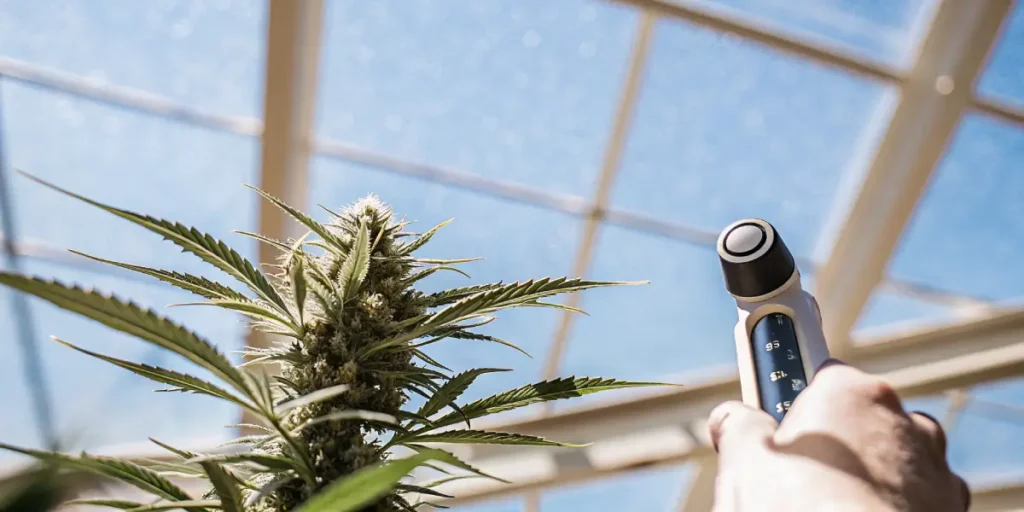
Proven Insights: Relationship Between Brix and Cannabis Yield

The relationship between Brix and cannabis yield is a topic of interest for both novice growers and seasoned cultivators. Brix refers to the sugar content in plant sap, which can directly influence your cannabis yield. By utilizing Brix measurements, you can optimize the growth and potency of your cannabis plants.
Ever wondered how you can maximize cannabis yield with Brix monitoring? Monitoring Brix levels is a straightforward way to enhance the health and productivity of your plants. Higher Brix levels often indicate robust plant health, leading to an increase in yield and potency.
Recommended Strains

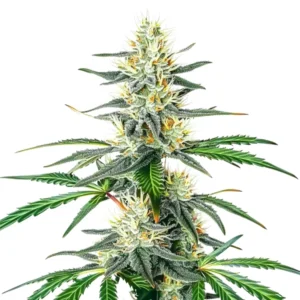
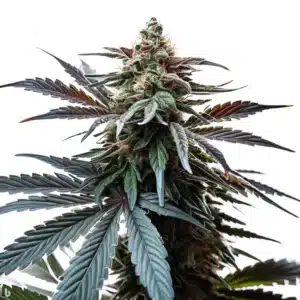
GG4

|
THC | 27% (High) |

|
Type | Feminized |

|
Yield | High |

|
Phenotype | 40% Indica / 60% Sativa |

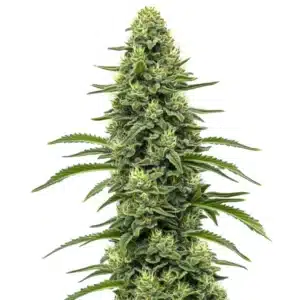
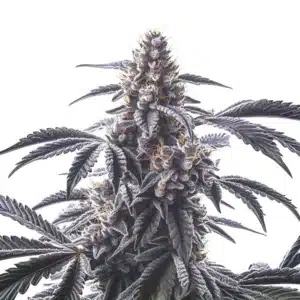
Blue Dream
|
|
THC | 17% - 24% (Medium) |
|
|
Type | Feminized |
|
|
Yield | High |
|
|
Phenotype | 50% Indica / 50% Sativa |
Let’s delve into how Brix levels affect cannabis growth and the relationship between Brix score and cannabis potency. Consistently high Brix levels can result in more resilient plants, capable of withstanding pests and diseases, thus ensuring a bountiful harvest.
Knowing Brix Levels
Brix levels are measured using a refractometer, a simple tool that helps you gauge the sugar content in plant sap. The Brix level impact on cannabis yield is significant. High Brix levels suggest that plants are photosynthesizing effectively, producing more sugars and starches.
Monitoring Brix levels can help identify nutrient deficiencies early. When your cannabis plants maintain an optimal Brix level, it means they are absorbing nutrients efficiently. For instance, a strain like GG4 from Blimburn Seeds benefits from consistent Brix monitoring, leading to enhanced growth.
Knowing how Brix levels affect cannabis growth can give you a competitive edge as a grower. By regularly testing and maintaining optimal Brix levels, you ensure that the plants are thriving. This not only supports increased yield but also enhances the overall quality of the cannabis, making it more appealing to consumers.
Furthermore, the relationship between Brix and cannabis yield is a dynamic one. Changes in Brix levels can signal shifts in plant health or environmental conditions. By staying attuned to these changes, growers can adapt their strategies to maintain plant vigor and achieve the best possible outcomes.
Promos & Deals


Impact on Yield and Potency
How does this translate to yield? The relationship between Brix and cannabis yield is evident when you notice the difference in bud size and weight. High Brix levels often correlate with larger, denser buds, which are the goal for any grower looking to optimize their yield.
Moreover, the relationship between Brix score and cannabis potency shouldn’t be overlooked. Elevated Brix levels often mean more aromatic and flavorful profiles. Strains like Blue Dream become even more appealing with a higher Brix score, providing a richer terpene profile.
When considering cannabis yield optimization using Brix measurement, it’s essential to recognize that Brix levels can be a predictor of the final product’s quality. High Brix levels are often associated with a richer concentration of essential oils and terpenes, which contribute to the plant’s aroma and flavor.
Besides, the relationship between Brix score and cannabis potency highlights the importance of a holistic approach to cultivation. While Brix is a useful metric, combining it with factors like genetic selection and environmental control can lead to exceptional results, enhancing both yield and consumer experience.
Practical Application of Brix Monitoring
Integrating Brix level monitoring into your cultivation practices is simpler than it seems. Start by obtaining a refractometer, an affordable tool that gives immediate insight into plant health. Use it regularly to track changes and respond accordingly.
For example, if you notice a drop in Brix levels, it might be time to adjust your nutrient schedule. Increasing phosphorus or potassium could help. The strain OG Kush often shows marked improvement in yield and potency with careful Brix level adjustments.
Maximizing cannabis yield with Brix monitoring involves more than just consistent measurements. It requires a proactive approach to adjusting environmental conditions based on the data obtained. Regularly checking Brix levels allows for timely interventions, ensuring optimal plant health and productivity.
Moreover, knowing the relationship between Brix and cannabis yield empowers growers to make informed decisions. By correlating Brix data with other growth indicators, cultivators can fine-tune their methods, leading to harvests that are both abundant and of high quality.

Optimizing Your Grow with Brix
Consistency is key when it comes to cannabis yield optimization using Brix measurement. By maintaining stable Brix levels, you ensure that your plants are in peak condition throughout their growth cycle.
Regular adjustments based on Brix readings can lead to impressive results. For instance, adjusting the light cycle for a strain like Amnesia Haze in response to Brix measurements can result in more vigorous growth and increased yield.
Optimizing your grow with Brix involves an ongoing commitment to monitoring and adjustment. By staying vigilant about Brix levels, growers can anticipate and mitigate potential stressors before they impact plant health. This proactive approach is crucial for achieving consistent, high-quality yields.
Additionally, the relationship between Brix score and cannabis potency underscores the value of integrating Brix monitoring into your routine. By focusing on this metric, along with other best practices, you can enhance the overall quality of your product, making it more competitive in the marketplace.
Common Mistakes and Solutions
Many growers overlook the importance of consistent Brix monitoring. One common mistake is taking readings sporadically, which can lead to missed signs of stress or nutrient deficiencies. Make it a habit to check regularly.
Another pitfall is not calibrating your refractometer. This can lead to inaccurate readings and misinterpretations. Calibrate your device according to the manufacturer’s instructions to ensure accuracy.
One frequent error when using Brix measurements is assuming that a single high reading guarantees success. It’s important to understand that Brix levels are just one piece of the puzzle. A comprehensive approach that includes regular monitoring and adjustments is necessary for sustained success.
Furthermore, growers may neglect environmental factors that can influence Brix levels and overall plant health. Ensuring that light, temperature, and humidity are optimized will complement Brix monitoring efforts and contribute to better overall outcomes.

FAQs about Relationship Between Brix and Cannabis Yield
How do I measure Brix levels in cannabis plants?
To measure Brix levels, you’ll need a refractometer, a tool that measures the sugar content in plant sap. Start by extracting a few drops of sap from the plant’s stem or leaves. Place the sap on the refractometer’s glass plate, close the cover, and look through the eyepiece to read the Brix level.
Ensure you take readings at the same time of day for consistency. Morning is often ideal as the plant’s sugar levels are stable, providing a more accurate reading. Regular monitoring can help you track any changes and adjust your cultivation strategies accordingly.
Knowing how to measure and interpret Brix levels is critical for any grower looking to optimize their cannabis yield. Consistent measurements provide valuable insights into plant health, helping you make informed decisions about nutrient management and environmental conditions.
Additionally, by integrating Brix measurements into your routine, you can gain a deeper knowing of the relationship between Brix and cannabis yield. This knowledge allows you to refine your techniques and enhance both the quantity and quality of your harvests.
What is a good Brix level for cannabis plants?
Optimal Brix levels for cannabis can vary, but generally, a reading above 12 is considered healthy. Some growers aim for levels as high as 20, which indicates excellent plant health and potential for high yields.
Remember that the goal is to maintain a consistent Brix level throughout the growth cycle. If levels drop, it might be an indication of stress or nutrient deficiency, prompting you to make necessary adjustments to your growing conditions.
A good Brix level is an indicator of effective photosynthesis and nutrient uptake. By striving for higher Brix readings, you can ensure that your plants are thriving and capable of producing robust yields. This is a key aspect of the relationship between Brix and cannabis yield.
Bear in mind that achieving and maintaining optimal Brix levels requires careful attention to all aspects of cultivation. From soil composition to watering schedules, every factor plays a role in supporting the plant’s ability to produce sugars and maintain health.
How can I increase Brix levels in my cannabis plants?
Enhancing Brix levels involves improving the overall health of your plants. Ensure they receive adequate light, water, and nutrients. Focus on providing balanced fertilizers with essential micronutrients, as these directly impact photosynthesis and sugar production.
Additionally, consider using organic amendments like molasses, which can boost sugar content and thus increase Brix levels. Strains like Blackberry Kush from Blimburn Seeds can significantly benefit from such organic enhancements.
Increasing Brix levels is a multifaceted process that involves optimizing various aspects of your grow environment. Paying close attention to light intensity, nutrient balance, and soil health can significantly influence Brix readings and, subsequently, plant performance.
By focusing on maximizing cannabis yield with Brix monitoring, growers can implement targeted strategies to boost sugar production. This, in turn, supports larger and more potent yields, aligning with the overall goal of enhancing both quantity and quality.
Does high Brix guarantee better cannabis potency?
While high Brix levels often correlate with better potency, they are not the sole factor. Potency is also influenced by genetics, growing conditions, and harvest timing. However, high Brix levels do suggest that the plant is healthy and photosynthesizing efficiently.
For the best potency results, combine Brix monitoring with other best practices, such as maintaining optimal temperature and humidity levels. This comprehensive approach will maximize both yield and quality.
The relationship between Brix score and cannabis potency is complex. While high Brix levels can indicate a healthy plant capable of producing potent buds, they must be considered alongside other factors. Genetics and environmental conditions are equally crucial in determining the final product’s potency.
Ultimately, high Brix levels are a positive indicator but not a guarantee of potency. To fully realize the potential of your cannabis plants, integrate Brix monitoring into a broader strategy that includes attention to detail in every phase of cultivation.
Can I use Brix levels to predict harvest time?
Brix levels can provide insights into plant health but are not the only indicator for harvest timing. To determine the best time to harvest, also consider trichome development and the overall appearance of the buds.
Trichomes should appear milky white with some amber hues, which indicates peak potency. Combining these visual cues with Brix readings can help you fine-tune your harvest timing for the best results.
Using Brix levels to predict harvest time can be a helpful tool, but it should be part of a larger decision-making process. Observing other indicators such as trichome color and bud density will provide a more comprehensive knowing of when to harvest.
By incorporating Brix measurements into your harvest strategy, you gain an additional layer of insight into plant readiness. This nuanced approach can lead to more precise timing, ensuring that your cannabis plants are harvested at their peak for maximum yield and quality.