Pruning Cannabis: Why, When, and How to Prune

Pruning cannabis means selectively removing or cutting back growth to shape the plant, improve light and airflow, and direct energy into the best bud sites, which can increase yield and quality. The main techniques are topping (cutting the main tip to create two colas), FIM (a partial top for more tops), defoliation (removing select fan leaves to open the canopy), and lollipopping (clearing weak lower growth). The golden rule on timing is to do structural pruning mainly in the vegetative stage (and early flower at the latest), never heavy pruning in late flower, when the plant can’t recover. Prune with clean tools, a little at a time, and let the plant recover between sessions.
Cannabis Pruning Techniques
The main methods and what each does:
Recommended Strains

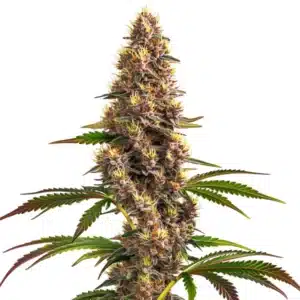
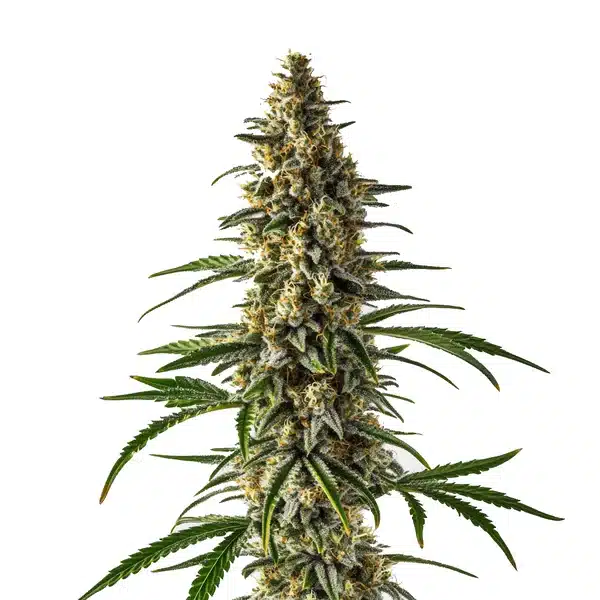
24k Gold

|
THC | 19% - 22% (Medium) |

|
Type | Feminized |

|
Yield | High |

|
Phenotype | 60% Indica / 40% Sativa |
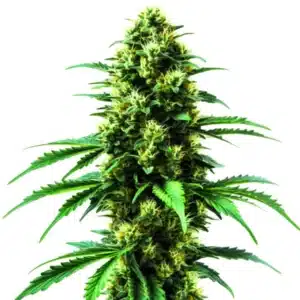
Jack Herer x Super Skunk
|
|
THC | 17% - 24% (High) |
|
|
Type | Feminized |
|
|
Yield | High |
|
|
Phenotype | 45% Indica / 55% Sativa |
| Technique | What it does | When |
|---|---|---|
| Topping | Cut main tip; creates two main colas | Vegetative |
| FIM | Partial top; yields several new tops | Vegetative |
| Defoliation | Remove select fan leaves; more light/airflow | Veg / early flower, sparingly |
| Lollipopping | Clear weak lower growth; focus energy up top | Late veg / early flower |
Promos & Deals
Why Prune Cannabis?
Left alone, a cannabis plant puts energy into one dominant top and a lot of small, shaded lower growth that never amounts to much. Pruning changes that. By removing or cutting back the right growth, you redirect the plant’s energy into fewer, stronger bud sites, open up the canopy so light and air reach more of the plant, and control height and shape to fit your space.
The payoff is better airflow (which lowers mold risk), more even light penetration, and often a bigger, higher-quality harvest of uniform top buds instead of lots of airy ‘popcorn’. Pruning also lets you manage a plant’s structure for techniques like SCROG. Done thoughtfully, it is one of the highest-impact, lowest-cost things a grower can do.
When to Prune (Timing Is Everything)
Timing matters as much as technique. Most structural pruning, topping, FIM and heavy shaping, belongs in the vegetative stage, when the plant is growing fast and has plenty of time to recover and respond with new growth. Light defoliation and lollipopping can extend into the very early flowering stretch, but after that you should ease off.
Avoid significant pruning in mid-to-late flower: the plant is committed to making buds, not recovering from wounds, and cutting then stresses it, can reduce yield and slows ripening. A common approach is to do your major pruning in veg, a final clean-up at the flip to flower, and then leave the plant alone to bud. Autoflowers are more sensitive, so keep pruning gentle and early with them.
How to Top and FIM
Topping is the classic yield technique: once the plant has several nodes (often around the fourth or fifth), cut the main growing tip just above a node, and the plant responds by growing two main colas instead of one, bushing out over time. FIM (‘F*** I Missed’) is a variation where you snip only part of the newest growth tip rather than cleanly removing it, which can produce several new tops at once, though with a slightly messier result.
Both train the plant into a wider, more even canopy with multiple strong colas. Use clean, sharp scissors, cut confidently at the node, and let the plant recover for a few days before the next intervention. Start with topping if you are new, it is simple and forgiving.
Defoliation and Lollipopping
These techniques manage leaves and lower growth rather than the main tips. Defoliation is the selective removal of fan leaves that shade bud sites, improving light penetration and airflow, but it must be done sparingly, since leaves are the plant’s engine, so take a few at a time, never strip the plant bare, and favor removing large leaves that clearly block lower budding sites.
Lollipopping clears away the weak, shaded lower branches and growth that would only make small, airy ‘popcorn’ buds, so the plant concentrates on the strong upper canopy. Together they create a plant with good airflow and energy focused where it counts. As with all pruning, be conservative: you can always remove a little more later, but you cannot put leaves back.
Pruning Safely: Dos and Don’ts
A few precautions keep pruning a benefit rather than a setback. Always use clean, sharp, sterilised scissors or shears to make clean cuts and avoid spreading disease. Prune a bit at a time and let the plant recover between sessions rather than doing everything at once, which shocks it. Never remove too much foliage at a time, and avoid heavy pruning in late flower or on stressed, unhealthy plants.
Be especially gentle with autoflowers, which have no time to bounce back. And match your pruning to your goal, topping for more colas, defoliation for light and air, lollipopping for focus. For related reading, see when to top, outdoor pruning and whether pruning encourages root growth.
The Bottom Line on Pruning Cannabis
Pruning is about working with the plant’s energy: remove or cut back the right growth to open the canopy, improve airflow, and focus the plant on fewer, stronger bud sites for a bigger, cleaner harvest. Learn the core techniques, topping and FIM for more colas, defoliation for light and air, lollipopping for focus, and above all respect the timing: prune mainly in veg and early flower, go gentle in late flower, and be careful with autoflowers. Use clean tools, work gradually, and let the plant recover. Pruned well, your plants reward you with better structure and yield.

FAQs
When is the best time to prune cannabis plants?
Do most structural pruning (topping, FIM, heavy shaping) in the vegetative stage, when the plant recovers fast, with light defoliation or lollipopping into very early flower at the latest. Avoid significant pruning in mid-to-late flower, when it stresses the plant and can cut yield. Be especially gentle and early with autoflowers.
Does pruning increase yield?
Done right, it can. Pruning redirects energy into fewer, stronger bud sites and opens the canopy so more light and air reach productive growth, which tends to produce bigger, more uniform top buds instead of airy popcorn. Over-pruning or pruning at the wrong time, though, stresses the plant and can reduce yield, so be measured.
Topping vs FIM: what’s the difference?
Topping cleanly removes the main growing tip above a node, creating two main colas. FIM snips only part of the newest tip, which can produce several new tops at once but with a messier result. Topping is simpler and more predictable; FIM can yield more tops. Both are done in the vegetative stage with clean scissors.
Can you prune cannabis during flowering?
Only lightly, and only in early flower, a little defoliation or lollipopping to improve airflow is fine. Avoid heavy or structural pruning in mid-to-late flower, because the plant is focused on budding, not recovery, and cutting then stresses it, can lower yield and slows ripening. When in doubt during flower, leave it alone.