How to Trim Weed Like a Pro: Step-by-Step Guide

Quick answer: To trim weed like a pro, work in good light with sharp, clean scissors: first remove the large fan leaves, then carefully trim the small sugar leaves sticking out of the buds, shaping each bud without cutting into the flower. You can trim wet (right after harvest) or dry (after drying). Save the trim for edibles or hash, then dry and cure the buds.
Trimming is the finishing step that turns raw harvested branches into clean, attractive, smooth-smoking buds. Done well, it improves how your weed looks, smells and smokes, by removing the excess leaf that is harsh and low in resin, and it is where careful work really shows. It takes patience more than skill.
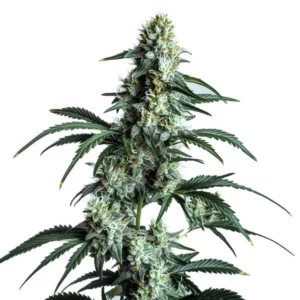
Recommended Strains

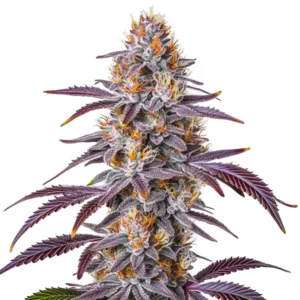
24k Gold

|
THC | 19% - 22% (Medium) |

|
Type | Feminized |

|
Yield | High |

|
Phenotype | 60% Indica / 40% Sativa |

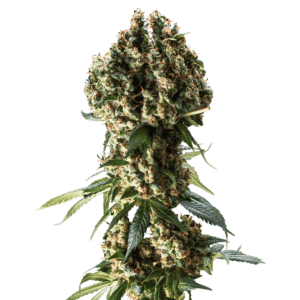
24k Gold Autoflower
|
|
THC | 18% - 24% (High) |
|
|
Type | Autoflowering |
|
|
Yield | High |
|
|
Phenotype | 40% Indica / 60% Sativa |
Below is a clear, professional workflow: the tools you need, a step-by-step method, the choice between wet and dry trimming, and tips to keep your buds (and trichomes) in top shape. Whether you grew one plant or several, the same principles apply.
| Wet trimming | Dry trimming | |
|---|---|---|
| When | Right after harvest | After buds have dried |
| Pros | Easier, faster; leaves stick out; speeds drying | Gentler on trichomes; some say better aroma |
| Cons | Stickier hands/scissors | Slower; leaves curl in |
| Best for | Humid climates, fast turnaround | Dry climates, trichome preservation |
Step-by-Step: Trimming Your Buds
- Prep: work in good light with clean, sharp trimming scissors, gloves, and a tray to catch trim and kief.
- Remove large fan leaves first (by hand or at the stem).
- Trim the sugar leaves poking out of the buds, following the bud’s natural shape.
- Shape each bud neatly without cutting into the flower.
- Save the trim (sugar leaves/kief) for edibles or hash.
- Dry/cure the trimmed buds properly.
Promos & Deals
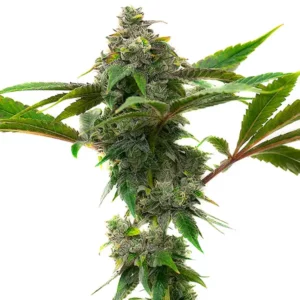
How to Trim Weed Like a Pro
Do you want to trim weed by hand or are you curious about which are the best bud trimmers? We have great tips for you right here.
Trim cannabis plants involves removing everything except the buds, including stems, plant branches, fan leaves, and sugar leaves. The goal is to smoke clean buds, as unpruned cannabis with excess plant matter creates a harsher smoking experience without adding potency, and no one wants that. Decide how you want to prune your grass based on factors such as climate, resources and time.
Trimming at the right time throughout the growing process can also strengthen your plants. It’s not just about trimming cannabis buds during harvest; The strongest plants are those that you have maintained throughout their growth. These practices improve the quality and appeal of your cannabis flowers.
When to Trim Weed?
There are two primary methods to trim your cannabis plants: wet trimming and dry trimming. Wet trimming, as the name implies, happens when the marijuana plant is still wet. This involves cutting down your plants during harvest and immediately starting the trimming process.
Conversely, dry trimming requires drying your plants for a few days before beginning to trim the buds.
Each method has its own advantages and disadvantages. Let’s explore each one in more detail.
Wet vs Dry Trimming: Which to Choose
Wet trimming means trimming right after harvest, while the leaves are turgid and stick out, which makes them easy to snip and can speed up drying; it is faster but stickier. Dry trimming means letting the buds dry first and trimming after, which is gentler on trichomes and, some growers feel, preserves aroma better, but the leaves curl inward and the job is slower.
Neither is strictly better, choose based on your climate and goals. In humid conditions, wet trimming can reduce mold risk by speeding drying; in dry climates, dry trimming can slow the dry and protect resin. The quality of your scissors matters in both; for choosing and using them, see our guide on cannabis trimming scissors (which also covers the prized scissor hash you will collect).

Hand vs Machine Trimming
Hand trimming gives the best-looking, most carefully shaped buds and protects trichomes, which is why top-shelf flower is hand-trimmed, but it is slow and labor-intensive. Machine trimming is far faster and suited to large harvests, but it is rougher: it can knock off trichomes and over-trim, giving a more uniform but lower-quality finish.
For most home growers, hand trimming is the way to go, the extra time pays off in appearance and quality. After trimming, the job is not done: proper drying and curing are what lock in aroma and smoothness. See our guide on burping jars for a perfect cure, and on pre-harvest shaping, defoliating during flowering.
Harvest bud as a pro
Trimming involves removing the fan leaves, which are the larger leaves characterized by five distinct points a central, elongated point flanked by two smaller ones on each side. You can pluck these leaves using your fingers, scissors, or gardening shears. Alternatively, some prefer to trim these leaves after the plant has been cured, as this method can enhance flavor by slowing down the drying process.
Trimming involves removing the sugar leaves that grow directly from the buds. These leaves are very short, often hidden by the buds themselves. Using scissors, delicately reach into the bud and cut them off at the stem. Optionally, retain sugar leaves with abundant trichomes for higher THC content. Removing all sugar leaves can enhance the quality and potency of your harvest.
Clip buds from branches, leaving some stem for hanging. Trim off excess leaves, then use shears or a sharp knife if you’re wondering how to cut buds off weed plant properly without damaging trichomes. It’s advisable to keep buds on stems to slow drying and enable hanging for drying, rather than using racks. In humid conditions, consider removing buds to expedite drying. This method of cutting buds individually from branches is known as ‘bucking.’
To cure the trimmed branches, hang them to dry in a well-ventilated area. Use string or twist ties to suspend the branches from a laundry line, ensuring good airflow around all parts. Maintain a room temperature of 60–70 °F (16–21 °C) for 1-3 months. Keep the room ventilated with a fan or open window. Use a humidity meter to monitor and maintain humidity above 50% to prevent mold growth. Avoid direct sunlight, heat, and excess moisture, which can damage your crop. The curing process is complete when the buds feel springy to the touch and the stems snap easily rather than bend.
Remove the dried buds from the stems by gently pinching them away with your fingers once they are dry. Next, trim off the remaining leaves from the branches. Store the trimmed parts in airtight containers. After completely trimming the marijuana plant of buds and leaves, dispose of it in your compost bin or discard it with your regular trash.
Trimming Mistakes to Avoid
A few mistakes separate amateur trims from clean ones. Over-trimming, cutting into the bud or stripping every last leaf, removes resin and makes buds look scalped; leave the bud’s natural shape intact. Under-trimming leaves harsh, leafy buds that smoke rough. The goal is a tidy middle ground: remove the leaf, keep the flower.
Other common errors are using dull or dirty scissors (which crush rather than cut and gum up fast), rushing and bruising the buds, and handling flowers roughly so trichomes fall off. Work in good light, take breaks on long sessions, hold buds by the stem, and clean your scissors as resin builds up. Patience and sharp, clean tools are what make a trim look professional.

FAQs
How do you trim weed like a pro?
Work in good light with sharp, clean scissors. Remove the large fan leaves first, then carefully trim the small sugar leaves sticking out of the buds, shaping each one without cutting into the flower. Save the trim for edibles or hash, then dry and cure the buds. Patience and sharp tools matter most.
Should you trim weed wet or dry?
Both work. Wet trimming (right after harvest) is faster, easier and can speed drying, useful in humid climates. Dry trimming (after drying) is gentler on trichomes and may preserve aroma, but it is slower as leaves curl in. Choose based on your climate and whether you prioritise speed or trichome protection.
What do you do with the trim?
Do not throw it away. The sugar leaves and kief from trimming are rich enough to use: make edibles (cannabutter or oil), press or collect hash, or save kief to top a bowl. Trimming over a clean tray lets you gather the loose trichomes. It is an easy way to get extra value from your harvest.
How long does it take to trim weed?
It depends on the amount and method. Hand-trimming a single plant carefully can take a few hours, since good trimming is slow, detailed work. Wet trimming is generally faster than dry. Machine trimming is much quicker for large harvests but rougher. For home growers, budget plenty of time and trim in comfortable sessions rather than rushing.
Do I need special scissors to trim weed?
Dedicated trimming scissors help a lot: they are small, sharp and spring-loaded for precision and less hand fatigue, and non-stick ones handle resin better. You can start with sharp, clean craft scissors, but purpose-made trimming scissors make the job faster, cleaner and easier on your hands over a long session.
What is sugar leaf and should I trim it?
Sugar leaves are the small, resin-frosted leaves poking out of the buds. Trim most of them for a cleaner look and smoother smoke, but you can leave a little if you prefer. Do not throw them away, sugar leaves are resinous enough to save for edibles, hash or kief.