Proven Zinc and Manganese Synergy: Boost Marijuana Growth Now

Are you searching for ways to improve your marijuana yields? Knowing the zinc and manganese synergy in marijuana growth could be your answer. These two elements are crucial for the healthy growth of cannabis plants. When combined, they create a powerful synergy that can enhance your plant’s vitality.
Zinc and manganese work together in cannabis cultivation to support various physiological processes. They help in chlorophyll production, which is vital for photosynthesis, and assist in enzyme activation. This nutrient balance in cannabis cultivation can make a significant difference in your plant’s overall health and productivity.
Recommended Strains
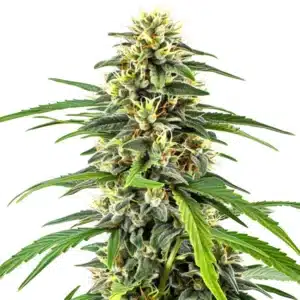
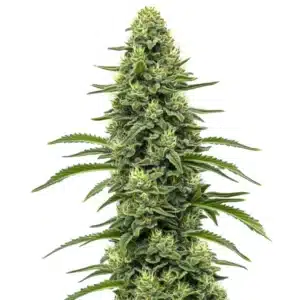
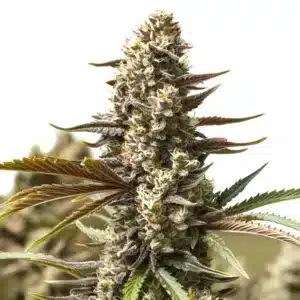
Amnesia Haze

|
THC | 18% - 22% (Medium) |

|
Type | Feminized |

|
Yield | High |

|
Phenotype | 30% Indica / 70% Sativa |

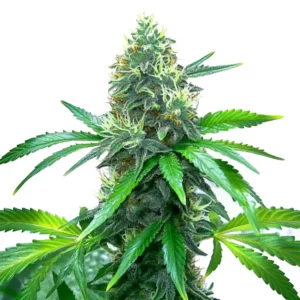
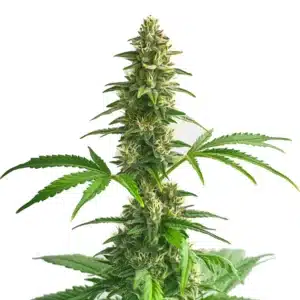
GG4
|
|
THC | 27% (High) |
|
|
Type | Feminized |
|
|
Yield | High |
|
|
Phenotype | 40% Indica / 60% Sativa |
For growers aiming to optimize zinc and manganese ratios for cannabis growth, maintaining the right balance is key. Too much of one can hinder the absorption of the other, leading to nutrient deficiencies. Therefore, knowing their interaction in cannabis soil management is essential for maximizing yield.
Zinc and Manganese Nutrient Balance in Cannabis Cultivation
Achieving the right zinc and manganese nutrient balance in cannabis cultivation is a fine art. Zinc plays a pivotal role in creating proteins and hormones that drive plant growth. On the other hand, manganese is crucial for breaking down carbohydrates and nitrogen metabolism. Together, they form a balanced duo that supports robust plant development.
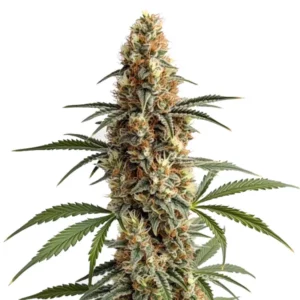
For instance, if you’re growing a strain like Blue Dream from Blimburn Seeds, you’ll want to ensure these nutrients are well-balanced. Blue Dream is known for its high yield, and maintaining the zinc and manganese synergy can ensure it reaches its full potential. An imbalance could lead to stunted growth or yellowing leaves, signs that your plants are not getting the nutrients they need.
The zinc and manganese synergy in marijuana growth is essential for maintaining the plant’s structural integrity. A well-balanced nutrient profile can lead to thicker stems and stronger branches, which are crucial for supporting heavy buds. This is especially important for strains that are known for their high yield, as they require more support to hold the weight of their flowers.
Furthermore, the nutrient balance can influence the plant’s resistance to environmental stressors. Plants with a proper zinc and manganese nutrient balance are better equipped to withstand fluctuations in temperature and humidity. This resilience is key for outdoor growers who face unpredictable weather conditions and need their plants to be robust and adaptable.
Promos & Deals

Role of Zinc and Manganese in Marijuana Plant Health
In marijuana plant health, zinc is essential for producing auxins, a type of plant hormone that regulates growth. It also helps in forming chlorophyll, which is vital for photosynthesis. Without adequate zinc, your plants could suffer from deformed leaves and reduced growth.
Manganese, on the other hand, is integral for photosynthesis as well. It activates enzymes that are necessary for building chlorophyll and other vital functions. A deficiency might manifest as interveinal chlorosis, where leaves turn yellow but veins remain green.
The function of zinc and manganese in marijuana plant health extends beyond just growth and photosynthesis. These nutrients are also involved in the plant’s immune response, helping to fend off pathogens and pests. A deficiency in either element can compromise the plant’s ability to protect itself, making it more susceptible to diseases.
Moreover, zinc and manganese are involved in nutrient uptake and transport within the plant. They facilitate the movement of other essential elements, ensuring that every part of the plant receives what it needs to thrive. This holistic approach to nutrient management underscores the complexity and importance of zinc and manganese synergy in marijuana growth.
Optimizing Zinc and Manganese Ratios for Cannabis Growth
Optimizing zinc and manganese ratios for cannabis growth involves knowing the specific needs of your strain. Different strains might have varying requirements. For instance, GG4 from Blimburn Seeds is known for its robust growth, and fine-tuning these nutrient levels can push it to even greater heights.
One practical approach is to monitor the soil pH. Zinc and manganese availability can be affected by pH levels. Ideally, cannabis prefers a slightly acidic pH, around 6.0 to 6.5. This range ensures that both nutrients are readily available to the plants. Regular soil testing can help maintain this balance.
To optimize zinc and manganese ratios for cannabis growth effectively, growers can utilize foliar feeding as a supplementary method. This technique allows for direct nutrient application to the leaves, ensuring quick absorption and immediate benefits. Foliar feeding can be particularly useful during critical growth stages or when soil conditions are not ideal.
Additionally, knowing the zinc and manganese interaction in cannabis soil management can aid in preventing nutrient lockout. By recognizing how these nutrients interact with others, such as iron and calcium, growers can adjust their fertilization practices to maintain a harmonious nutrient environment. This proactive approach ensures consistent growth and maximizes yield potential.
Effects of Zinc and Manganese Synergy on Marijuana Yield
The effects of zinc and manganese synergy on marijuana yield are profound. With the right balance, plants can reach their full genetic potential. This means more robust growth, larger buds, and ultimately, a higher yield. For growers, this translates to more product without necessarily increasing the number of plants.
Take the Amnesia Haze strain from Blimburn Seeds, for example. This strain can benefit significantly from a well-maintained zinc and manganese balance. With its long flowering period, maintaining nutrient synergy throughout its growth stages ensures a healthy plant that produces high-quality buds.
When zinc and manganese synergy in marijuana growth is achieved, growers often observe an increase in cannabinoid and terpene production. These compounds are responsible for the plant’s aroma, flavor, and potency, making them highly desirable traits for both recreational and medicinal users. Enhanced production of these compounds directly contributes to the overall value and appeal of the crop.
Furthermore, a balanced zinc and manganese nutrient profile can improve the plant’s tolerance to high-density planting. This allows growers to maximize their cultivation space without compromising plant health or yield. By ensuring that each plant receives adequate nutrients, growers can achieve uniform growth and consistent quality across their entire crop.
FAQs about zinc and manganese synergy in marijuana growth
What happens if my marijuana plants have a zinc deficiency?
If your marijuana plants suffer from a zinc deficiency, you’ll likely notice smaller leaves that are deformed and twisted. The new growth might also be yellow. These symptoms can be alarming, but they’re manageable. Addressing a zinc deficiency involves adjusting the pH of your soil to make zinc more available.
In some cases, using a foliar spray that contains zinc can provide a quick remedy. It’s a direct way to deliver nutrients to the plant’s leaves. However, always ensure that you’re not oversaturating your plants, as too much zinc can also lead to toxicity issues.
To further mitigate zinc deficiency, incorporating zinc-rich amendments into your soil mix can be beneficial. Organic options, such as kelp meal or rock dust, not only provide zinc but also enhance overall soil health. These amendments can improve microbial activity and soil structure, leading to better nutrient availability and uptake.
Regular monitoring of zinc levels through soil tests can prevent deficiencies from becoming severe. By catching signs of deficiency early, growers can adjust their nutrient regimen promptly, avoiding long-term damage to their plants. This proactive approach is key to maintaining the zinc and manganese synergy in marijuana growth.
How can I tell if my cannabis plants lack manganese?
Manganese deficiency often presents as interveinal chlorosis, where the spaces between the leaf veins turn yellow while the veins themselves remain green. This condition can slow down photosynthesis, impacting the plant’s ability to grow and thrive.
To correct a manganese deficiency, consider using a fertilizer that includes this micronutrient. It’s essential to also check your soil’s pH, as manganese is more available in slightly acidic conditions. Balancing the soil pH can often resolve the deficiency.
Besides to interveinal chlorosis, manganese deficiency may also cause brown spots on leaves and a general weakening of the plant’s structure. These symptoms can be particularly pronounced in older leaves, as the plant reallocates available manganese to new growth in an attempt to sustain itself.
Addressing manganese deficiency swiftly is crucial for maintaining robust plant health. Implementing a systematic approach to nutrient management, including regular soil testing and pH adjustments, can prevent deficiencies and ensure that the zinc and manganese nutrient balance in cannabis cultivation is consistently achieved.
Can zinc and manganese be applied together?
Zinc and manganese can indeed be applied together, especially if you’re using a balanced fertilizer designed for cannabis. These fertilizers typically contain the right proportions of both nutrients to support plant health. However, always follow the manufacturer’s guidelines to avoid over-application.
For a more tailored approach, soil tests can help determine the specific needs of your cannabis plants. This data allows you to adjust nutrient applications accurately, ensuring that you’re promoting optimal growth conditions.
Combining zinc and manganese applications can enhance the overall nutrient profile of your plants, promoting a symbiotic relationship that benefits growth and development. By ensuring that both nutrients are available in the right proportions, growers can foster a thriving environment that supports optimal cannabis cultivation.
It’s essential to consider the timing of nutrient applications as well. Applying zinc and manganese during key growth stages, such as vegetative growth and early flowering, can maximize their benefits. This strategic approach ensures that plants receive the necessary nutrients precisely when they need them most, reinforcing the effects of zinc and manganese synergy on marijuana yield.
What should I do if my plants have too much zinc or manganese?
Excessive zinc or manganese can harm your plants, leading to toxicity symptoms such as leaf burn or nutrient lockout, where the plants cannot absorb other essential nutrients. Flushing the soil with pH-balanced water can help remove excess nutrients.
It’s also crucial to recalibrate your feeding schedule and nutrient mix to prevent future issues. Regular monitoring and adjustments can help maintain a healthy balance, ensuring your plants continue to thrive.
In severe cases of nutrient toxicity, removing affected leaves can prevent the spread of damage and allow the plant to focus on healthy growth. Pruning helps the plant redirect its energy towards new, unaffected areas, promoting recovery and preventing further stress.
Implementing an integrated nutrient management plan can help avoid future occurrences of nutrient toxicity. By keeping detailed records of nutrient applications and plant responses, growers can fine-tune their approach to zinc and manganese interaction in cannabis soil management, ensuring a balanced and productive growing environment.
Are there specific strains that require more zinc and manganese?
Every cannabis strain has unique nutrient needs, and some might demand slightly higher levels of zinc and manganese. For instance, high-yielding strains like GG might require more of these nutrients to support their robust growth and bud production.
Knowing your strain’s specific needs can guide your nutrient management plan. Consulting with other growers or experts familiar with your chosen strain can offer insights into optimizing zinc and manganese levels for maximum yield.
Strains that are bred for specific environments, such as those from Blimburn Seeds, may have adapted nutrient requirements. These strains are often selected for their resilience and ability to thrive in particular conditions, making it essential for growers to tailor their nutrient strategies accordingly.
Researching the genetic background and growth characteristics of your chosen strain can provide valuable insights into its nutrient preferences. This knowledge allows for precise adjustments to nutrient applications, ensuring that the zinc and manganese synergy in marijuana growth is harnessed to its fullest potential, ultimately enhancing yield and plant health.