Proven Ways: How Photosynthesis Affects Brix Levels in Cannabis

Photosynthesis is the process that allows plants to convert light into energy. In cannabis cultivation, this process is crucial for determining the brix levels, which are a measure of the sugar content in the plant. Knowing how photosynthesis affects brix levels in cannabis helps growers recognize why higher brix levels are often associated with sweeter flavors, stronger aromas, and potentially more potent plants. This concept is especially important for both novice growers and seasoned cultivators seeking to optimize their yields.
The impact of photosynthesis on sugar levels in cannabis plants cannot be overstated. When photosynthesis is running optimally, it leads to higher brix readings, indicating that the plant is healthy and thriving. This is where the relationship between photosynthesis rate and cannabis brix measurements becomes evident. By knowing how photosynthesis affects brix levels in cannabis, growers can make informed decisions to enhance their crop’s quality.
Recommended Strains
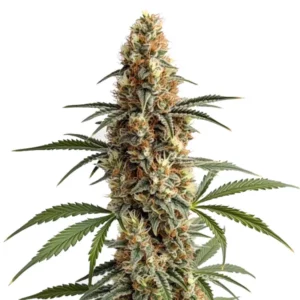
Mamba Negra

|
THC | 18% (Medium) |

|
Type | Feminized |

|
Yield | High |

|
Phenotype | 55% Indica / 45% Sativa |

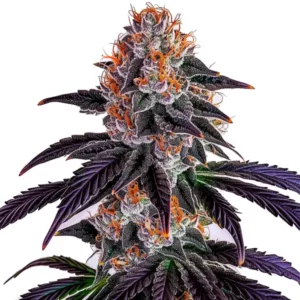
Blackberry Moonrocks
|
|
THC | 26% - 33% (High) |
|
|
Type | Feminized |
|
|
Yield | High |
|
|
Phenotype | 80% Indica / 20% Sativa |
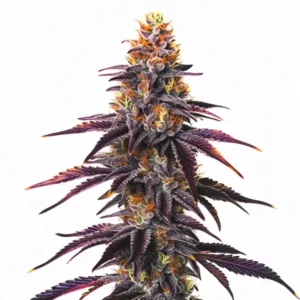
One practical example is found in the growing of Blimburn Seeds Mamba Negra strain. This strain benefits from optimized photosynthesis, resulting in enhanced brix levels that contribute to its renowned flavor and potency. By focusing on the photosynthesis process, growers can achieve better outcomes with their cannabis plants.
Optimizing Photosynthesis for Maximum Brix Levels
Light is a key factor in optimizing photosynthesis to improve brix levels in cannabis. The type and amount of light can directly influence how well a plant photosynthesizes. For cannabis plants, providing adequate light is essential for maximizing sugar content. Growers often use full-spectrum LED lights to mimic natural sunlight, boosting the efficiency of photosynthesis.
Another critical factor is the availability of carbon dioxide (CO2). In environments where CO2 levels are optimized, cannabis plants can photosynthesize more effectively, leading to increased brix levels. This means that a well-ventilated growing area with controlled CO2 can have a dramatic impact on brix readings. Implementing CO2 enrichment is a proven way to enhance sugar levels in strains like GG4 from Blimburn Seeds.
Knowing how photosynthesis influences brix readings in cannabis cultivation involves a keen focus on environmental conditions. By adjusting these elements, growers can enhance the photosynthesis effect on cannabis plant sugar content, leading to improved plant health and yield. Consistent monitoring and adjustment of growing conditions are central to achieving the ideal relationship between photosynthesis rate and cannabis brix measurements.
Besides to environmental controls, the use of advanced growing techniques such as hydroponics or aeroponics can further optimize photosynthesis. These methods allow for precise control over nutrient delivery and root oxygenation, promoting more efficient photosynthesis. By leveraging these techniques, growers can effectively boost brix levels, leading to superior quality cannabis with enhanced flavor and potency.
Promos & Deals
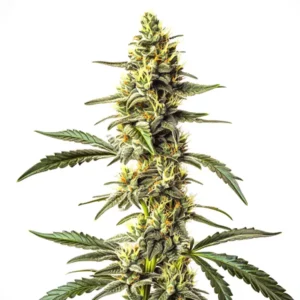
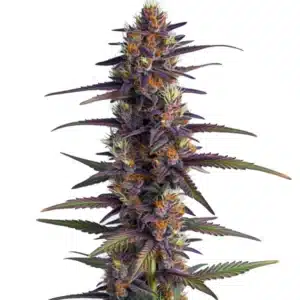
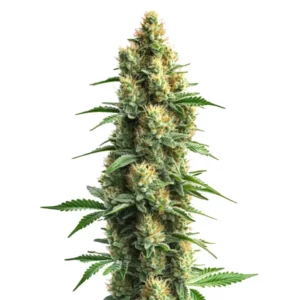
The Effect of Photosynthesis on Cannabis Plant Sugar Content
Temperature and humidity also play vital roles in how photosynthesis affects brix levels in cannabis. The ideal temperature range for cannabis is between 70-85°F (21-29°C). When temperatures are too high or too low, photosynthesis can be disrupted, affecting the sugar production in the plant. Maintaining optimal temperatures ensures steady photosynthesis and higher brix levels.
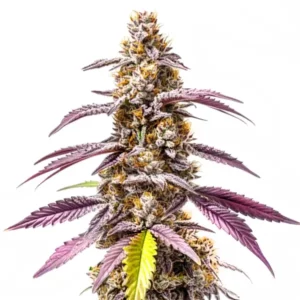
Humidity levels should be kept between 40-60% during the vegetative stage and slightly lower during flowering. Proper humidity levels allow the stomata, tiny openings on the leaves, to function correctly, facilitating efficient photosynthesis. This balance is crucial for the health of strains like Blimburn Seeds Critical Daddy Purple, known for its rich sugar content.
Optimal temperature and humidity conditions not only support photosynthesis but also help prevent common plant stressors such as mold and pests. By maintaining these conditions, growers can further ensure that the photosynthesis effect on cannabis plant sugar content is maximized, leading to healthier and more resilient plants.
Another important aspect of optimizing photosynthesis to improve brix levels in cannabis is regular maintenance of the growing environment. This includes cleaning and sterilizing equipment, maintaining proper airflow, and using dehumidifiers or humidifiers as needed. Such practices help sustain the ideal environment for photosynthesis, contributing to consistent and high-quality yields.
Practical Tips for Enhancing Photosynthesis
To leverage the power of photosynthesis, regular monitoring of light, CO2, temperature, and humidity is necessary. Tools like light meters and CO2 sensors can help growers maintain optimal conditions. By doing so, the relationship between photosynthesis rate and cannabis brix measurements becomes more apparent, guiding growers to make adjustments as needed.
Another practical step is pruning, which helps in directing energy towards the parts of the plant that benefit the most. By removing unnecessary leaves and branches, more light can penetrate to the lower parts of the plant, promoting better photosynthesis and increasing brix levels. This method is particularly effective with dense strains like Blackberry Moonrocks from Blimburn Seeds.
Besides to pruning, employing training techniques such as low-stress training (LST) or topping can further enhance light penetration and photosynthesis efficiency. These techniques encourage a more even canopy, allowing light to reach all parts of the plant and thereby optimizing photosynthesis to improve brix levels in cannabis.
Regular evaluation of plant health and growth progress is also crucial. By keeping detailed records of environmental conditions, brix levels, and plant responses, growers can identify successful strategies and areas needing improvement. This data-driven approach ensures that the impact of photosynthesis on sugar levels in cannabis plants is maximized, resulting in superior crop quality.

FAQs about how photosynthesis affects brix levels in cannabis
What are brix levels, and why are they important in cannabis cultivation?
Brix levels are a measure of the sugar content in plants. In cannabis cultivation, high brix levels often indicate a healthy plant with a good balance of nutrients and photosynthesis efficiency. This can lead to better taste, aroma, and potency, making it a key metric for growers aiming for top-quality cannabis.
Growers use refractometers to measure brix levels, offering insights into the plant’s health. High brix levels usually mean the plant is photosynthesizing well and absorbing nutrients effectively. This is why knowing how photosynthesis affects brix levels in cannabis can lead to improved cultivation practices and results.
Additionally, high brix levels can be an indicator of the plant’s resistance to pests and diseases. Plants with higher sugar content tend to be more robust and less susceptible to infestations, providing an added benefit to growers focusing on how photosynthesis influences brix readings in cannabis cultivation.
Monitoring brix levels can also help growers make timely decisions regarding nutrient adjustments and environmental controls. By responding to changes in brix readings, cultivators can fine-tune their practices to further enhance the photosynthesis effect on cannabis plant sugar content and overall yield quality.
How does light affect photosynthesis and brix levels in cannabis?
Light is essential for photosynthesis, as it provides the energy plants need to convert CO2 and water into glucose. For cannabis, the type and intensity of light can significantly influence brix levels. Proper lighting ensures that photosynthesis is operating at its best, leading to higher sugar content in the plant.
Growers often use artificial lights to supplement natural sunlight, especially in indoor grows. By adjusting light cycles and intensity, they can control how photosynthesis affects brix levels in cannabis. This fine-tuning helps achieve optimal growth conditions for different strains.
Choosing the right light spectrum is also crucial for optimizing photosynthesis to improve brix levels in cannabis. Full-spectrum lights that mimic natural sunlight are ideal for promoting robust photosynthesis, resulting in better sugar production and higher brix measurements.
Moreover, the duration of light exposure, or photoperiod, can be adjusted to support the various growth stages of cannabis. Longer light periods during the vegetative stage and shorter periods during flowering can help regulate the plant’s photosynthetic activity, thus impacting brix levels and overall plant health.
Can CO2 enrichment improve photosynthesis in cannabis plants?
Yes, CO2 enrichment can significantly enhance photosynthesis. CO2 is a critical component of the photosynthesis process, and increasing its availability can boost the plant’s ability to produce sugars. This, in turn, leads to higher brix levels, indicating a more robust plant.
Implementing CO2 enrichment in a controlled environment can lead to noticeable improvements. Growers using CO2 enrichment often report increased yields and better quality cannabis, demonstrating how photosynthesis influences brix readings in cannabis cultivation.
When CO2 levels are carefully managed, plants can photosynthesize more efficiently, resulting in increased biomass and sugar production. This enhancement of the photosynthesis process is directly reflected in the higher brix levels observed in cannabis plants.
However, it’s important to note that CO2 enrichment should be balanced with other environmental factors such as light, temperature, and humidity. Ensuring all these elements are in harmony can maximize the impact of photosynthesis on sugar levels in cannabis plants, leading to optimal growth and quality.
What impact do temperature and humidity have on photosynthesis?
Temperature and humidity levels are crucial for maintaining optimal photosynthesis in cannabis plants. If temperatures are too high or too low, photosynthesis can be disrupted, leading to lower brix levels. Similarly, incorrect humidity levels can affect the plant’s ability to transpire and absorb CO2, which is essential for photosynthesis.
Maintaining the right temperature and humidity ensures that the plant’s stomata remain open, allowing for efficient gas exchange. This balance is necessary for the photosynthesis effect on cannabis plant sugar content, impacting overall plant health and yield quality.
Fluctuations in temperature and humidity can cause stress to the plant, potentially inhibiting photosynthesis and reducing brix levels. By using climate control systems, growers can stabilize these conditions, promoting a consistent photosynthesis rate and maintaining optimal sugar levels.
Furthermore, knowing the specific environmental needs of different cannabis strains can help tailor the growing conditions to enhance photosynthesis. By doing so, growers can achieve a more precise relationship between photosynthesis rate and cannabis brix measurements, leading to improved plant performance and quality.
How can nutrient management affect brix levels in cannabis?
Nutrient management is critical for supporting healthy photosynthesis and achieving high brix levels. Essential nutrients like nitrogen, phosphorus, and potassium are vital for cannabis plants to perform photosynthesis efficiently. Without these nutrients, plants may struggle to produce the sugars needed for optimal growth.
Regular soil testing and tailored nutrient regimens help ensure that plants have what they need to thrive. By providing the right nutrients, growers can optimize photosynthesis to improve brix levels in cannabis, leading to healthier plants and more abundant harvests.
Besides to the basic nutrients, micronutrients such as calcium, magnesium, and iron also play a role in the photosynthesis process. Ensuring a balanced supply of these elements can further enhance the plant’s ability to synthesize sugars, contributing to higher brix levels and improved plant health.
Utilizing organic fertilizers and soil amendments can also support nutrient availability and uptake. By enriching the soil with natural compounds, growers can create an environment conducive to robust photosynthesis, ultimately boosting the sugar content and quality of their cannabis crops.