Expert Guide: Excavate and Replace Soil When It’s the Safest Option

Choosing to excavate and replace soil: when it’s the safest option can be a pivotal decision for cannabis growers. This process ensures a healthy growing environment for your plants, especially when the existing soil conditions are unsafe or unfavorable. Knowing when to excavate and replace soil safely can significantly enhance your cannabis yield and overall quality.
For first-time growers and seasoned cultivators, identifying the safest situations for soil excavation and replacement is crucial. If your soil is contaminated or compacted, it may be time to consider excavation. This method is not just about removing bad soil; it’s about setting the stage for robust plant health.
Recommended Strains

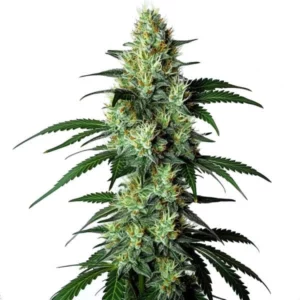
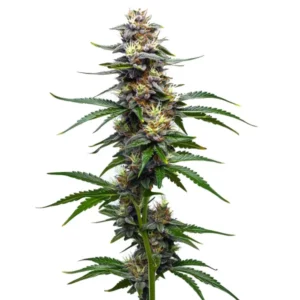
GG4

|
THC | 27% (High) |

|
Type | Feminized |

|
Yield | High |

|
Phenotype | 40% Indica / 60% Sativa |
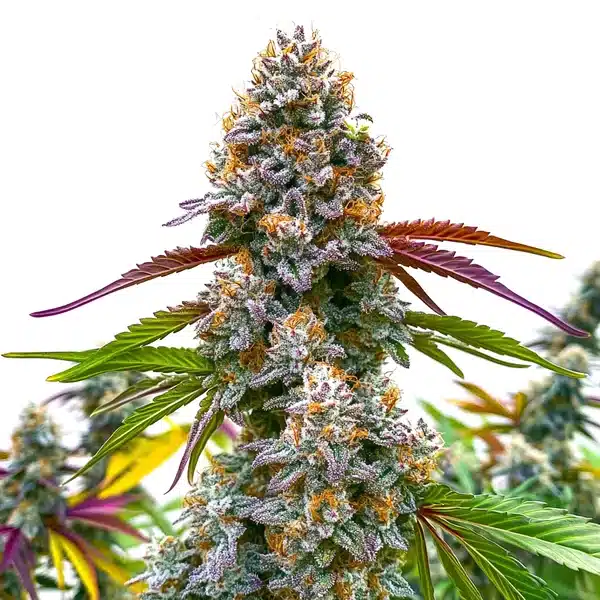
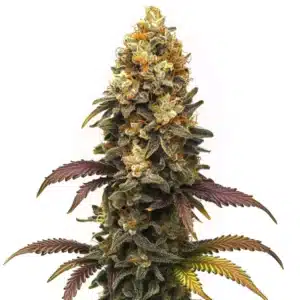
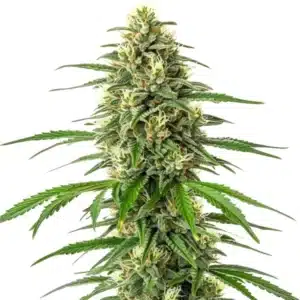
Critical Daddy Purple
|
|
THC | 19% (Medium) |
|
|
Type | Feminized |
|
|
Yield | High |
|
|
Phenotype | 50% Indica / 50% Sativa |
When dealing with soil that has poor drainage or is heavily polluted, the decision to excavate and replace soil: when it’s the safest option, can save your crops. It’s important to follow soil excavation replace safety guidelines to ensure the process is done correctly and efficiently.
Why Excavate and Replace Soil?
Excavating and replacing soil is often necessary when the existing soil conditions pose a threat to plant health. Poor soil conditions can arise from various factors, including contamination from chemicals, pest infestations, or structural issues like compaction. Determining safe soil replacement necessity involves assessing these conditions thoroughly.
For instance, if your cannabis plants are not thriving despite adequate care, the issue might lie beneath the surface. Testing the soil for toxins or disease is a critical step. If tests reveal dangerous levels of contaminants, it’s time to consider safe soil excavation and replacement conditions as part of your cultivation strategy.
Moreover, knowing when to excavate and replace soil safely involves monitoring your plants and soil regularly. Consistent observation allows for early detection of issues, giving you the opportunity to address potential problems before they become severe. This proactive approach can significantly improve the health and productivity of your cannabis garden.
Another reason to excavate and replace soil is to enhance soil quality over time. By regularly refreshing your soil, you can ensure that your cannabis plants always have access to the nutrients they need. This ongoing commitment to soil health not only supports plant growth but also increases the long-term viability of your cultivation efforts.
Promos & Deals

Steps to Excavate and Replace Soil Safely
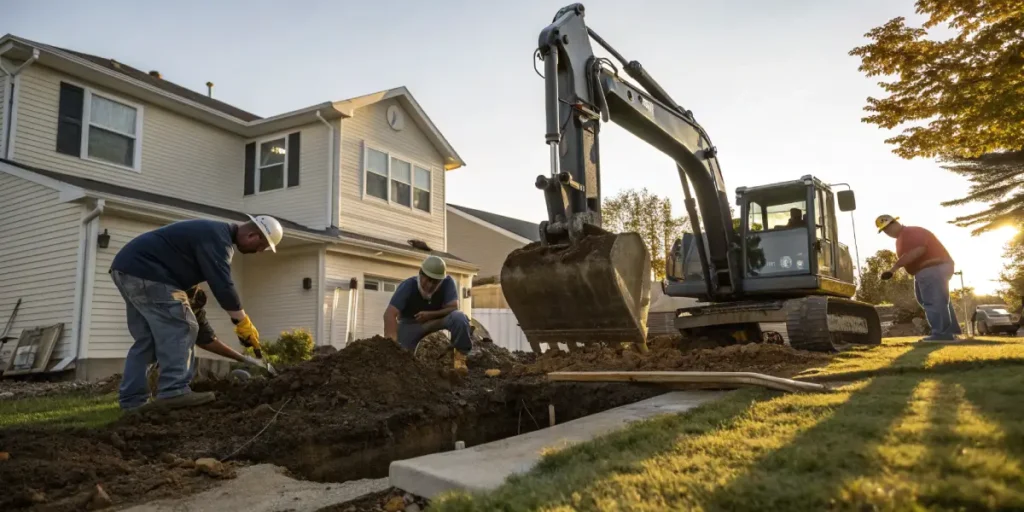
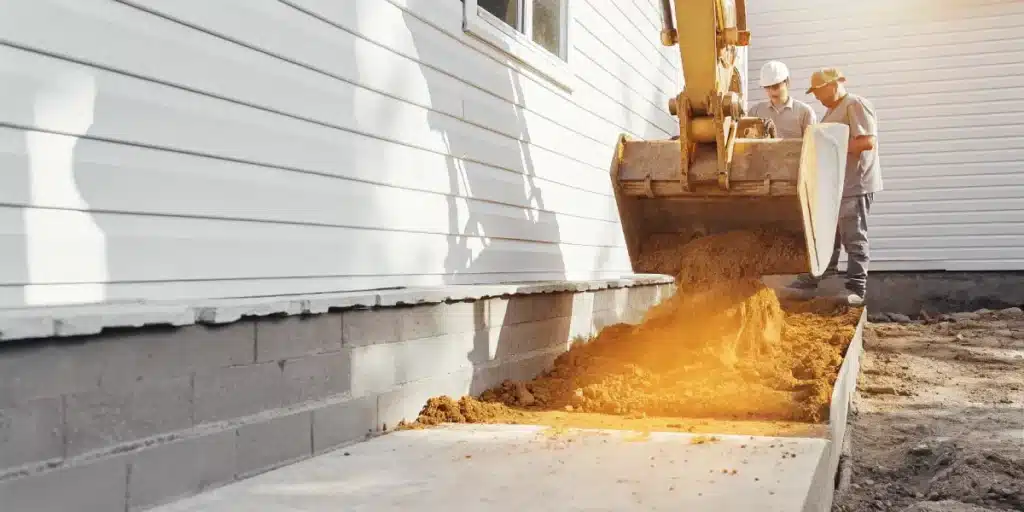
To start, gather the necessary tools. You’ll need a shovel, wheelbarrow, and protective gear. Safety should always be a priority during excavation. Begin by marking the area for excavation, ensuring you don’t disturb surrounding plants or structures.
Next, carefully remove the top layer of soil. Work methodically to avoid damaging plant roots. Once the contaminated soil is removed, replace it with high-quality soil. Choose a nutrient-rich blend that supports cannabis growth. Blimburn Seeds offers strains like GG4, known for thriving in fresh, clean soil environments.
- Test soil for contaminants before starting.
- Use protective gear during excavation.
- Choose soil with optimal drainage and nutrient content.
Following soil excavation replace safety guidelines can prevent mishaps and ensure a successful soil transition. Ensure that the area is clear of any underground utilities, and always check local regulations regarding soil disposal. These steps are part of determining safe soil replacement necessity and maintaining a safe working environment.
Lastly, consider the timing of your excavation project. Conducting this task during the growing season can disrupt plant development, so schedule it during dormancy or before planting new seeds. This strategic planning ensures minimal disruption to your garden while optimizing the benefits of new soil.
Best Cannabis Strains for Replaced Soil
After replacing your soil, selecting the right cannabis strain is crucial. Some strains are more resilient and can take full advantage of the fresh soil environment. Blimburn Seeds offers a variety of strains perfect for newly excavated plots.
Amnesia Haze is an excellent choice for growers who want a strain that flourishes in nutrient-rich, replaced soil. Its robust growth and high THC content make it a favorite among cultivators. This strain benefits greatly from the improved drainage and aeration provided by new soil.
Another standout is Critical Daddy Purple. This strain thrives in environments where soil texture and nutrient availability are optimized. Replacing soil can give it the perfect conditions to produce rich, dense buds with a heavy yield.
Besides to these strains, GG4 is renowned for its adaptability to various soil conditions and is particularly effective in newly replaced soil. Its vigorous growth and resin-rich buds make it a top choice for growers looking to maximize yield and potency.
Choosing the right strain is vital in taking full advantage of your efforts to excavate and replace soil: when it’s the safest option. Each strain has unique requirements, so knowing their specific needs will help you tailor your soil replacement strategy for optimal results.
Benefits of Soil Replacement
Excavating and replacing soil can rejuvenate your garden, leading to healthier plants and better yields. This process eliminates harmful pathogens and soil compaction, which can restrict root growth and nutrient uptake. It also allows you to start fresh with a balanced soil composition.
By replacing old, depleted soil with fresh, nutrient-rich options, you give your cannabis plants a robust foundation for growth. This is particularly beneficial for strains such as Gorilla Glue, which require ample nutrients and space to reach their full potential.
- Improves soil aeration and drainage.
- Eliminates soil-borne diseases and pests.
- Enhances root development and nutrient uptake.
The ability to control soil composition is another significant benefit of soil replacement. By choosing specific soil blends, you can tailor the environment to meet the needs of your cannabis strains, promoting healthier growth and higher yields.
Furthermore, the process of excavating and replacing soil: when it’s the safest option, can extend the life and productivity of your growing area. Regular soil rejuvenation combats depletion and maintains optimal soil conditions, ensuring that your garden remains fertile and productive over time.
FAQs about excavate and replace soil: when it’s the safest option
How do I know when to excavate and replace soil safely?
Look for signs such as poor plant growth, discoloration, or stunted development. These can indicate soil issues. Conduct soil tests for pH, contaminants, and nutrient levels. If these are off balance, it’s likely time for a replacement. Regular monitoring helps in determining safe soil replacement necessity.
Growers should also be mindful of physical soil conditions. Compaction, poor drainage, or visible mold can be red flags. In such cases, excavation and replacement are the safest options. Always follow soil excavation replace safety guidelines to protect your plants and yourself.
Knowing safe soil excavation and replacement conditions is vital for planning. Weather patterns, soil moisture levels, and temperature can all impact the process. Ensuring these factors are optimal will facilitate a smooth transition to new soil, enhancing plant resilience and growth.
Additionally, consulting with local agricultural experts or extension services can provide valuable insights. These resources can offer guidance on when to excavate and replace soil safely, ensuring you make informed decisions that benefit your garden.
What are the safe soil excavation and replacement conditions?
Safe conditions include ensuring the area is free from electrical or water lines. Weather conditions should be dry to prevent soil erosion during the process. Use appropriate tools and protective gear to minimize risks. Ensuring these conditions helps maintain safety for both the grower and the plants.
Additionally, ensure that the replacement soil is of high quality, free from contaminants, and suitable for cannabis plants. This will provide a healthier environment for your new crop and prevent future issues.
Consider the topography of your growing area and its impact on drainage. Proper planning can prevent water logging and erosion, which are critical for maintaining safe soil excavation and replacement conditions. Adjusting your approach based on these factors can lead to more effective soil management.
Evaluating the impact of excavation on surrounding ecosystems is also crucial. Minimizing disruption to local biodiversity and adhering to environmental regulations ensures that your soil replacement efforts are sustainable and responsible.
Which Blimburn Seeds strains are best after soil replacement?
Amnesia Haze, Gorilla Glue, and Critical Daddy Purple are excellent choices for newly replaced soil. These strains are known for their robustness and ability to thrive in nutrient-rich environments. They respond well to improved soil conditions, leading to increased yields and better quality buds.
Each of these strains has unique characteristics that make them suitable for different growing goals. Whether you’re looking for high THC content or a heavy yield, these strains offer great potential when grown in optimal soil conditions.
Besides to these popular choices, exploring other strains from Blimburn Seeds can expand your cultivation possibilities. With a wide variety of options tailored to different soil types, you can experiment to find the perfect match for your garden.
Matching the right strain to your newly replaced soil can maximize the benefits of your efforts to excavate and replace soil: when it’s the safest option. This careful selection process ensures your plants have the best possible start in their new environment.
What are the signs that my soil needs replacement?
Common signs include poor drainage, water pooling, and compacted soil. Additionally, if your plants are showing signs of nutrient deficiency despite fertilization, it could be due to soil issues. Testing for toxins or imbalances can confirm the need for soil replacement.
Another indication is the presence of pests or diseases that persist despite treatment. Replacing the soil can eliminate these problems and provide a fresh start for your plants. Regular soil testing and observation are crucial in identifying these issues early.
Visible changes in soil texture or color can also signal the need for replacement. These alterations often indicate underlying issues that can affect plant health. Monitoring these physical changes can help in determining safe soil replacement necessity.
Finally, if your soil has been in use for several growing cycles without replenishment, it may be time to consider excavation and replacement. Over time, soil can become depleted of essential nutrients, making fresh soil a vital step in maintaining a productive garden.
How does soil replacement improve cannabis growth?
Replacing soil improves root development by providing a looser, more aerated environment. This allows roots to access oxygen and nutrients more efficiently, promoting healthy growth. It also removes pathogens and pests that could hinder plant development.
For cannabis strains like Critical Daddy Purple, improved soil conditions can enhance bud quality and yield. The fresh soil provides the necessary nutrients and conditions for optimal plant health, leading to better overall results.
New soil also supports the development of beneficial microorganisms, which play a crucial role in nutrient cycling and disease resistance. By creating a thriving microbial ecosystem, you can enhance the natural resilience and productivity of your cannabis plants.
Ultimately, the decision to excavate and replace soil: when it’s the safest option, offers a strategic advantage for growers. By proactively managing soil health, you can create a sustainable and productive environment that supports long-term success in cannabis cultivation.