Proven Tips: Boost Brix Levels and Cannabis Terpene Production

Brix Levels and Cannabis Terpene Production play a crucial role in growing top-quality cannabis and understanding the factors that influence plant health and aroma. One critical aspect is Brix levels, a measure of sugar content in plant sap. High Brix levels often indicate healthy plants with robust terpene profiles. Terpenes are the compounds responsible for the aroma and flavor of cannabis. Improving Brix levels can significantly enhance these terpenes, leading to better-tasting and more aromatic buds.
For growers, monitoring Brix levels can be a game-changer. Regularly measuring Brix levels provides insights into plant health and potential pest resistance. Healthier plants typically have higher Brix levels, which correlate with richer terpene profiles. By focusing on optimizing these levels, growers can directly impact the quality of their final product, whether they are cultivating for personal use or commercial distribution.
Recommended Strains
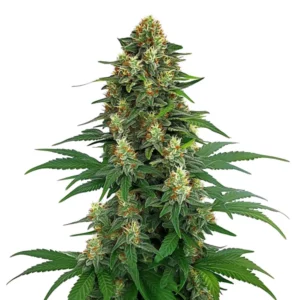
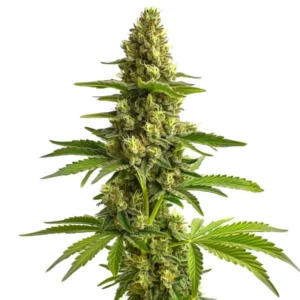
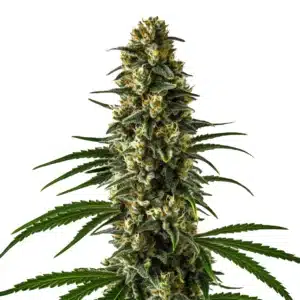
Tangie

|
THC | 19% - 22% (Medium) |

|
Type | Feminized |

|
Yield | High |

|
Phenotype | 30% Indica / 70% Sativa |
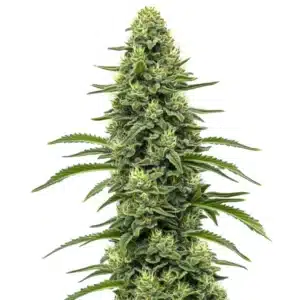
Girl Scout Cookies
|
|
THC | 18% - 25% (Medium) |
|
|
Type | Feminized |
|
|
Yield | High |
|
|
Phenotype | 60% Indica / 40% Sativa |
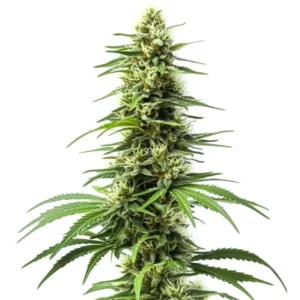
Many experienced growers recommend using refractometers to measure Brix levels. This simple tool helps you gauge the sugar content in your plant’s sap. Higher Brix levels often mean increased production of terpenes, resulting in a more potent aroma. Strains such as Tangie, Girl Scout Cookies, and Bruce Banner #3 from Blimburn Seeds are known for their rich terpene profiles when grown under optimal conditions.
Optimal Brix Levels for Cannabis Terpene Enhancement
Achieving the best Brix levels involves knowing what is considered optimal for cannabis. Generally, a Brix level above 12 is ideal for enhancing cannabis terpenes. Levels in this range suggest that the plant is photosynthesizing effectively, leading to better terpene production. This is crucial for both flavor and aroma, attracting both novice and veteran cannabis enthusiasts.
Regularly checking Brix levels allows you to make adjustments to your cultivation practices. For instance, if your levels are low, you might need to improve your nutrient regimen or adjust lighting. Monitoring tools can help you maintain consistent data, ensuring that your plants are always in peak condition for producing high-quality terpenes.
Knowing the link between optimal Brix levels for cannabis terpene enhancement and the overall health of the plant is essential for any serious cultivator. When Brix levels are maintained at an optimal range, the plant’s metabolic functions operate more efficiently, leading to enhanced aroma and flavor. This not only benefits the sensory experience but also boosts the plant’s resilience to environmental stresses.
Moreover, achieving optimal Brix levels can also lead to increased cannabinoid production, complementing the terpene profiles with improved potency. This holistic improvement in plant quality makes monitoring and enhancing Brix levels a priority for growers looking to produce premium cannabis. Implementing sustainable practices such as organic soil amendments and precision watering can further optimize these levels, ensuring a successful cultivation cycle.
Promos & Deals
Relationship Between Brix Levels and Cannabis Terpene Profiles
The connection between Brix levels and terpene profiles is well-documented. High Brix levels often lead to an increase in terpene concentration, elevating the scent and taste of cannabis. This relationship is a key focus for growers aiming to produce premium-grade cannabis.
For example, when cultivating strains such as Tangie from Blimburn Seeds, maintaining high Brix levels can enhance its citrusy aroma. This is due to the increased terpene production facilitated by higher sugar content in the plant sap. Such strains are prized for their unique flavors and are often sought after in the market.
Exploring the relationship between Brix levels and cannabis terpene profiles further reveals the intricate interplay between plant nutrition and aromatic compounds. High Brix levels indicate a well-nourished plant that has the necessary elements to produce complex terpene profiles. This not only enhances the sensory appeal of the cannabis but also contributes to its therapeutic properties.
Additionally, growers who focus on the relationship between Brix levels and cannabis terpene profiles often report improved consistency in their harvests. By standardizing cultivation practices to maintain high Brix levels, they ensure that each batch of cannabis delivers a similar aromatic and flavor profile, which is crucial for brand reliability and customer satisfaction.
Improving Cannabis Terpene Production with Brix Measurement
One effective method to boost terpene production is through Brix measurement. By using a refractometer, you can track the sugar content in your plants. Regular measurement allows you to assess the health of your plants and make necessary changes to enhance terpene development.
Consider using organic fertilizers, as they can improve soil health and increase Brix levels. Additionally, ensuring your plants receive adequate light and water can help maintain optimal growth conditions. For cannabis strains like Girl Scout Cookies from Blimburn Seeds, these practices can lead to a sweeter, more pronounced aroma.
Improving cannabis terpene production with Brix measurement is a strategy that enables growers to fine-tune their cultivation practices for maximum yield and quality. By regularly monitoring Brix levels, you can identify deficiencies or excesses in your nutrient regimen and make timely corrections. This proactive approach minimizes stress on the plants, allowing them to focus energy on producing robust terpene profiles.
Furthermore, the data collected from Brix measurements can inform broader cultivation strategies, such as the timing of water and nutrient applications. This precision farming technique ensures that the plants are not only surviving but thriving, leading to a more efficient use of resources and a higher-quality end product. For those serious about producing top-tier cannabis, integrating Brix measurement into their routine is indispensable.

Impact of Brix Levels on Cannabis Terpene Concentration
The impact of Brix levels on terpene concentration is substantial. High Brix levels often correlate with an increase in terpene production, enhancing the overall quality of cannabis. This is particularly important for those aiming to produce cannabis with strong, delightful aromas and flavors.
Strains like Tangie benefit significantly from these practices. When Brix levels are optimized, the terpene concentration increases, enhancing the citrus tang that the strain is known for. This not only improves the user experience but also increases the strain’s market value.
Knowing the impact of Brix levels on cannabis terpene concentration is critical for cultivators seeking to maximize their crop’s potential. High Brix levels suggest that the plant is effectively converting sunlight and nutrients into sugars, which in turn supports the biosynthesis of terpenes. This process results in a more aromatic and flavorful product, meeting the high expectations of discerning consumers.
Moreover, the impact of Brix levels on cannabis terpene concentration extends to the plant’s overall health and resilience. Plants with higher Brix levels are typically more robust and less susceptible to diseases and pests, which can otherwise compromise terpene production. By maintaining optimal Brix levels, growers can ensure that their crops not only survive but thrive, resulting in a superior final product.
Brix Level Monitoring for Cannabis Terpene Optimization
Monitoring Brix levels is a proactive step towards optimizing terpene production. By keeping a close eye on these levels, growers can make informed decisions about plant care and environmental adjustments. This is essential for achieving the best possible terpene profiles.
Blimburn Seeds offers a range of strains that can benefit from such practices. For example, Girl Scout Cookies can achieve its characteristic sweet aroma when grown under optimal Brix conditions. Regular monitoring ensures that you can tweak your growing conditions to maintain high Brix levels, thereby maximizing terpene output.
Brix level monitoring for cannabis terpene optimization is an invaluable practice for any serious grower. By regularly checking Brix levels, you can identify trends and make adjustments to your cultivation strategies in real-time. This data-driven approach allows you to optimize environmental factors such as light, temperature, and humidity, all of which play a role in terpene production.
Additionally, consistent Brix level monitoring helps in fine-tuning other aspects of plant care, such as pruning and training, to maximize light exposure and airflow. These adjustments can lead to more uniform terpene profiles across your plants, ensuring that each harvest meets the desired quality standards. Ultimately, this practice contributes to a more efficient and successful cultivation process.

FAQs about Brix Levels and Cannabis Terpene Production
How do Brix levels influence cannabis terpene production?
Brix levels measure the sugar content in plant sap, which is a direct indicator of plant health. High Brix levels suggest that the plant is photosynthesizing effectively, leading to better terpene production. This results in cannabis with richer aroma and flavor, crucial for both personal enjoyment and market appeal.
For growers, focusing on maintaining high Brix levels can enhance the terpene profiles of their cannabis strains. This is particularly beneficial for strains like Tangie, known for its citrus aroma, which becomes more pronounced with optimal Brix levels.
The influence of Brix levels on cannabis terpene production is multifaceted, affecting not only the aroma and flavor but also the overall marketability of the product. High Brix levels are often associated with premium cannabis, characterized by its potent sensory attributes and enhanced therapeutic effects.
Moreover, Brix levels can serve as a diagnostic tool, providing insights into the plant’s photosynthetic efficiency and overall health. By knowing and leveraging this influence, growers can refine their cultivation techniques to produce cannabis that consistently meets high-quality standards, thereby enhancing their reputation in the market.
What tools are needed to measure Brix levels in cannabis?
To measure Brix levels, a refractometer is the primary tool required. This device measures the sugar content in the plant sap, giving you an insight into the plant’s health and potential terpene production. Using a refractometer is simple and can provide immediate results to help guide your growing practices.
Regular use of a refractometer can help maintain high Brix levels, especially in strains like Girl Scout Cookies from Blimburn Seeds, enhancing their sweet aroma. This tool is an invaluable asset for any grower looking to improve their cannabis quality.
Besides to a refractometer, growers may also benefit from using other tools such as soil moisture meters and nutrient testing kits. These tools can provide a comprehensive view of the growing conditions, complementing Brix measurements to offer a holistic approach to plant care.
Using these tools in tandem allows for precise adjustments to be made in nutrient application and irrigation, ensuring that the plants remain in optimal health. This comprehensive toolkit is essential for any grower dedicated to optimizing Brix levels and enhancing cannabis terpene production.
Can organic fertilizers help in boosting Brix levels?
Yes, using organic fertilizers can significantly help in boosting Brix levels. Organic fertilizers improve soil health, which in turn enhances the plant’s ability to photosynthesize and produce sugars. This results in higher Brix levels, which are linked to improved terpene production.
For strains like Bruce Banner #3, using organic fertilizers can lead to a more aromatic and flavorful cannabis product. The improved soil health supports robust plant growth and optimal terpene profiles, making it a preferred choice for many cultivators.
Organic fertilizers contribute to a balanced ecosystem within the soil, promoting beneficial microbial activity that supports plant health. This natural synergy enhances nutrient uptake and boosts Brix levels, which are crucial for optimal terpene production.
Furthermore, the use of organic fertilizers aligns with sustainable cultivation practices, reducing the environmental impact while enhancing the quality of the cannabis. This approach not only supports better plant health but also resonates with consumers who prioritize environmentally friendly products.
What are some common challenges in maintaining optimal Brix levels?
One common challenge is maintaining consistent environmental conditions. Factors such as light, water, and nutrients all impact Brix levels. Fluctuations in these conditions can lead to variations in plant health and terpene production, making regular monitoring essential.
Another challenge is pest management. Pests can affect plant health and consequently Brix levels. Implementing integrated pest management strategies can help maintain high Brix levels, ensuring better terpene profiles in strains like Tangie.
In addition to environmental fluctuations and pest pressures, soil quality can also pose a challenge in maintaining optimal Brix levels. Depleted or imbalanced soils may hinder the plant’s ability to absorb nutrients efficiently, leading to lower Brix levels and compromised terpene production.
Addressing these challenges requires a proactive approach, involving regular soil testing and amendments as necessary. Employing practices such as crop rotation and cover cropping can help maintain soil fertility and support consistent Brix levels, ultimately contributing to a more successful cultivation process.
How frequently should Brix levels be monitored in cannabis plants?
It’s recommended to monitor Brix levels at least once a week. Regular monitoring allows you to detect any changes promptly and adjust your growing practices accordingly. This frequency helps in maintaining consistent plant health and optimal terpene production.
For growers of strains such as Girl Scout Cookies, regular Brix monitoring ensures that the sweet aroma remains consistent throughout the growth cycle. This practice is essential for achieving the highest quality cannabis product.
In some cases, especially during critical growth stages like flowering, more frequent Brix level monitoring may be beneficial. By increasing the frequency of measurements, growers can quickly respond to any deviations from the desired Brix levels, ensuring that the plants remain on track for optimal terpene production.
This vigilant approach not only aids in maintaining the aromatic and flavorful qualities of the cannabis but also contributes to a more predictable and successful harvest. By making Brix monitoring a regular part of the cultivation routine, growers can optimize their efforts and maximize the potential of their crops.