Proven Solutions for Chlorosis in Cannabis Seedlings: Expert Tips

Cultivating cannabis seedlings can be rewarding but sometimes challenging, especially when faced with chlorosis a condition where leaves turn yellow due to a lack of chlorophyll. Chlorosis in cannabis seedlings is a common issue that many growers encounter. This problem can lead to stunted growth and reduced yield if not addressed promptly. Whether you’re a first-time grower or a seasoned cultivator, knowing how to tackle this issue is essential.
Chlorosis often indicates that your plants are not getting the nutrients they need, which can be due to several factors. To maintain healthy cannabis seedlings, it’s crucial to diagnose the problem early and apply effective solutions. Let’s delve into the causes and solutions to chlorosis, ensuring your cannabis plants thrive.
Recommended Strains

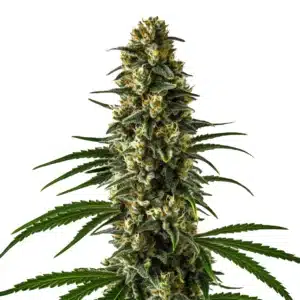
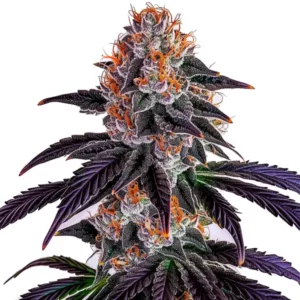
Gelato

|
THC | 27% (High) |

|
Type | Feminized |

|
Yield | High |

|
Phenotype | 50% Indica / 50% Sativa |
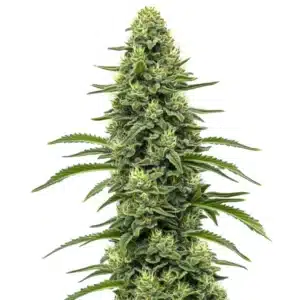
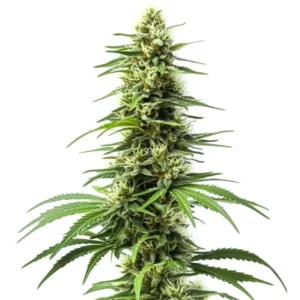
Bruce Banner #3
|
|
THC | 20% - 29% (High) |
|
|
Type | Feminized |
|
|
Yield | Medium |
|
|
Phenotype | 50% Indica / 50% Sativa |
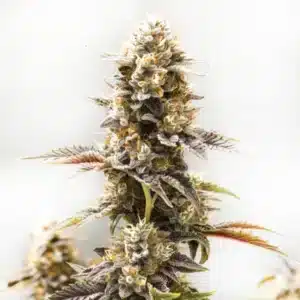
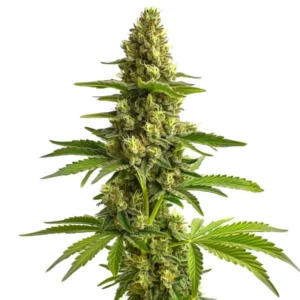
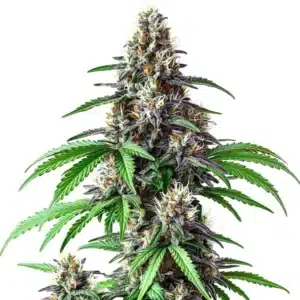
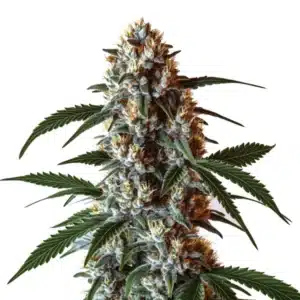
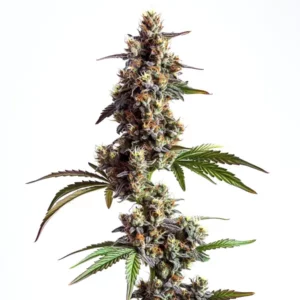
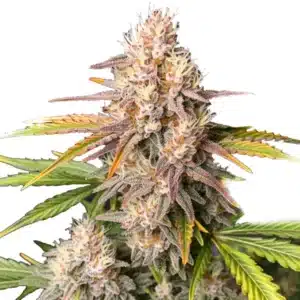
For those cultivating strains like Gelato, Bruce Banner #3, or Girl Scout Cookies from Blimburn Seeds, maintaining vibrant green leaves is crucial for optimal growth. These strains, known for their robust growth and high yield, can suffer if chlorosis isn’t managed properly.
Diagnosing Chlorosis in Cannabis Plants
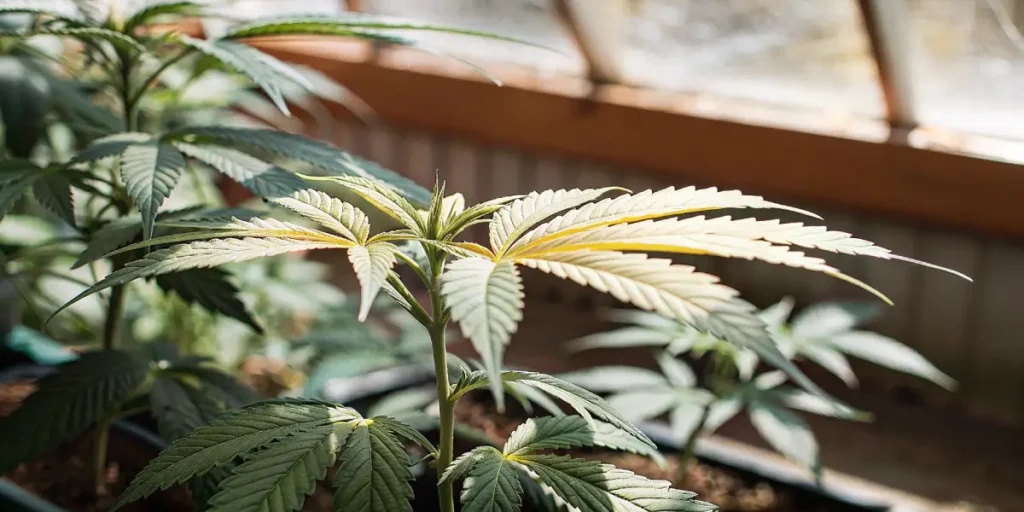
Diagnosing chlorosis in cannabis plants can be straightforward if you know what to look for. Typically, the first signs are yellowing leaves, starting from the tips and progressing inward. This yellowing often indicates that your plant is suffering from a nutrient deficiency or pH imbalance.
To accurately diagnose the problem, check for additional symptoms. For example, if the yellowing is uniform, it might suggest a nitrogen deficiency. On the other hand, if the veins of the leaves remain green while the rest turns yellow, it could be an iron deficiency. Both issues require different approaches and treatments.
Another aspect to consider when diagnosing chlorosis in cannabis plants is the age of the affected leaves. Older leaves showing signs of yellowing might indicate a mobile nutrient deficiency, such as nitrogen, which moves to newer growth. Observing these patterns can help pinpoint the specific nutrient lacking in your care regimen.
Additionally, environmental factors like inadequate light or excessive humidity can exacerbate chlorosis in cannabis seedlings. Assessing these external conditions as part of your diagnostic process can provide a holistic view of what’s affecting your plants, allowing for more targeted chlorosis treatment for cannabis seedlings.
Promos & Deals
Common Causes of Chlorosis in Cannabis Seedlings
Several factors can lead to chlorosis in cannabis seedlings. Nutrient deficiency is the most common cause. Cannabis plants need a balanced diet of nutrients, including nitrogen, iron, and magnesium. A lack of any of these can lead to chlorosis.
Another potential cause is improper pH levels. Cannabis plants thrive in specific pH ranges, and if the water or soil is too acidic or alkaline, the roots can’t absorb nutrients effectively. Regularly testing and adjusting the pH can prevent chlorosis and promote healthy growth.
Environmental stressors such as temperature fluctuations or poor air circulation can also contribute to chlorosis in cannabis seedlings. Stress can impair a plant’s ability to absorb nutrients efficiently, leading to visible symptoms like leaf yellowing. Ensuring a stable growing environment is key to preventing these issues.
Pests and diseases are another potential cause of chlorosis. Infestations from insects that feed on plant sap can weaken cannabis seedlings, while diseases can obstruct nutrient uptake. Regular inspection and employing integrated pest management strategies can mitigate these risks, keeping your plants healthy and vibrant.
Chlorosis Treatment for Cannabis Seedlings
Once you’ve identified chlorosis in your cannabis seedlings, the next step is effective treatment. Start by ensuring that your plants receive adequate nutrients. Using a balanced fertilizer can help replenish missing nutrients. Look for products specifically formulated for cannabis, as they provide the right mix of nutrients.
For nitrogen deficiencies, consider using a nitrogen-rich fertilizer. Products with blood meal or fish emulsion are excellent choices. If iron is the issue, iron chelates can be added to your feeding regimen. These are easy to find and apply, making them a practical solution.
Beyond nutrient supplements, consider flushing your soil with pH-balanced water to remove any salt buildup that might be hindering nutrient uptake. This step can clear blockages and allow cannabis seedlings to absorb nutrients more effectively, addressing chlorosis at its root.
Incorporating organic matter such as compost or worm castings into your soil can enhance microbial activity, enriching the soil ecosystem. This practice not only supports nutrient availability but also promotes a more resilient growing environment, reducing the likelihood of chlorosis recurrence.
Preventing Chlorosis in Cannabis Seedlings
Prevention is always better than cure, especially when it comes to chlorosis in cannabis seedlings. One of the most effective ways to prevent chlorosis is by maintaining a consistent feeding schedule. Regularly supplying your plants with the best fertilizers for chlorosis in cannabis seedlings can keep them healthy and vibrant.
Another preventive measure is to use high-quality soil and maintain good drainage. Poor drainage can lead to waterlogged roots, hindering nutrient absorption. Consider using perlite or vermiculite to improve soil aeration and drainage.
Moreover, rotating your crops and practicing good sanitation can minimize the risk of soil-borne diseases that might contribute to chlorosis. Ensuring that tools and growing areas are clean can prevent the spread of pathogens that could exacerbate nutrient absorption issues.
Leveraging the genetic strengths of resilient strains from Blimburn Seeds, such as Gelato, can also be a strategic choice. These strains are bred to withstand various stressors, reducing the likelihood of chlorosis in cannabis seedlings when provided with optimal care.
- Use balanced fertilizers to supply essential nutrients.
- Regularly test soil and water pH levels.
- Ensure proper drainage to avoid waterlogging.
- Monitor environmental conditions like light and temperature.
- Use high-quality cannabis strains like Gelato from Blimburn Seeds for robust growth.
Best Fertilizers for Chlorosis in Cannabis Seedlings
Choosing the best fertilizers for chlorosis in cannabis seedlings is crucial for their recovery and growth. Fertilizers high in nitrogen, magnesium, and iron are particularly beneficial. These nutrients are critical for maintaining healthy chlorophyll levels in your plants.
Consider using organic options like compost tea or fish emulsion, which are not only rich in nutrients but also promote a healthy microbial environment. These organic fertilizers are gentle on your plants and help in sustainable gardening practices.
When selecting fertilizers, it’s important to assess their solubility and absorption rate to ensure that nutrients are readily available to the plant. Water-soluble fertilizers can provide immediate relief from nutrient deficiency causing chlorosis in cannabis, while slow-release options offer sustained nourishment.
Additionally, customizing your feeding regimen based on the specific needs of your cannabis strain can optimize growth. For example, high-yielding strains like Bruce Banner #3 from Blimburn Seeds may require more intensive feeding schedules to reach their full potential, making the choice of fertilizer a strategic decision.

FAQs about chlorosis in cannabis seedlings
What is chlorosis in cannabis seedlings?
Chlorosis in cannabis seedlings is a condition characterized by yellowing leaves due to a lack of chlorophyll. This can occur when the plant is unable to absorb sufficient nutrients, often caused by imbalances in soil pH or nutrient deficiencies.
Addressing chlorosis early is vital to prevent stunted growth. By ensuring your cannabis seedlings receive adequate nutrients and maintaining proper pH levels, you can effectively manage and prevent chlorosis.
How can I diagnose chlorosis in my cannabis plants?
Diagnosing chlorosis involves observing the symptoms, such as yellowing leaves. If the yellowing starts at the leaf edges or between veins, it may indicate a nutrient deficiency. Testing soil and water pH levels can also provide insights into potential causes.
Consulting with experienced growers or using online resources can help you understand the specific type of nutrient deficiency affecting your plants, allowing you to apply the correct treatment promptly.
What are some effective chlorosis treatments for cannabis seedlings?
Effective treatments for chlorosis in cannabis seedlings include using balanced fertilizers and adjusting pH levels. Organic fertilizers like fish emulsion can replenish essential nutrients without harming the plant. Additionally, maintaining proper watering practices ensures nutrient uptake.
Regular monitoring of your plants and adjusting care practices as needed can prevent future occurrences of chlorosis, ensuring your cannabis seedlings grow healthy and strong.
How do I prevent chlorosis in cannabis seedlings?
Preventing chlorosis involves maintaining consistent nutrient and pH management. Regularly feeding your plants with high-quality fertilizers and ensuring the pH levels of water and soil are within the optimal range are key steps.
Additionally, selecting robust strains like Girl Scout Cookies from Blimburn Seeds can help, as these strains are bred for resilience and high yield, reducing the likelihood of chlorosis under proper care.
Why is nutrient management crucial for preventing chlorosis?
Nutrient management is crucial because it ensures that cannabis seedlings receive all the necessary elements for photosynthesis and growth. A deficiency in any essential nutrient can lead to chlorosis, affecting the plant’s health and yield.
By maintaining a balanced nutrient supply and regularly checking for deficiencies, you can create an optimal growing environment for your cannabis seedlings, preventing chlorosis and promoting vigorous growth.