Proven Reasons Why Some Cannabis Nutrients Block Others

Growing cannabis is a rewarding journey, but nutrient issues can make it challenging. Sometimes, even when providing nutrients, plants show deficiencies. This oddity often leads to the question, why do some cannabis nutrients block others? The answer lies in how nutrients interact with each other.
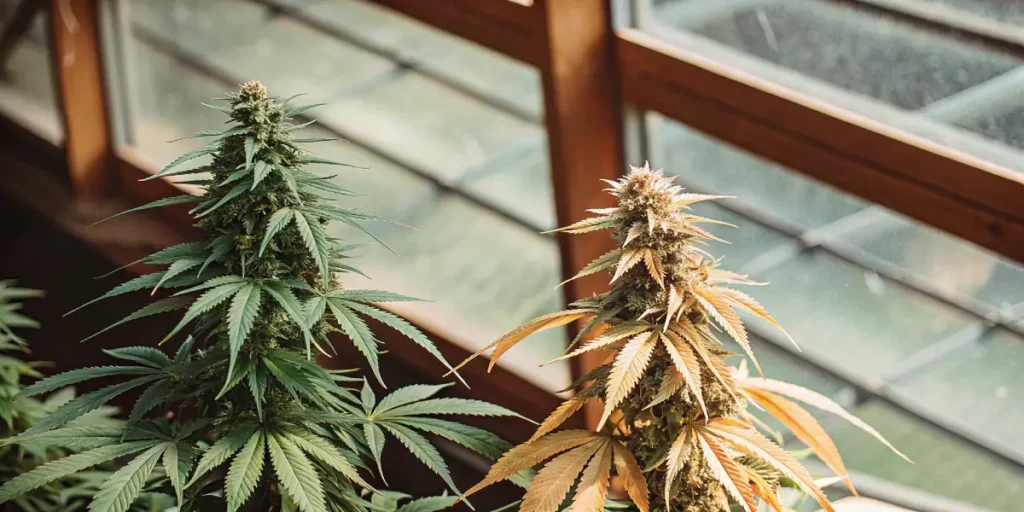
Cannabis plants need a balanced diet of nutrients to thrive. However, not all nutrients play nice together. Certain combinations can lead to a phenomenon called nutrient lockout. This happens when certain elements prevent others from being absorbed, causing deficiencies.
Recommended Strains
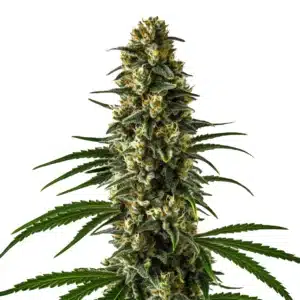
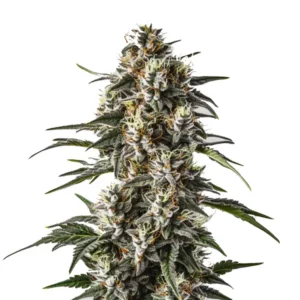
Critical Daddy Purple

|
THC | 19% (Medium) |

|
Type | Feminized |

|
Yield | High |

|
Phenotype | 50% Indica / 50% Sativa |

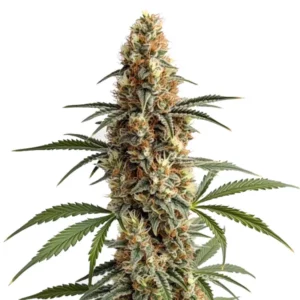
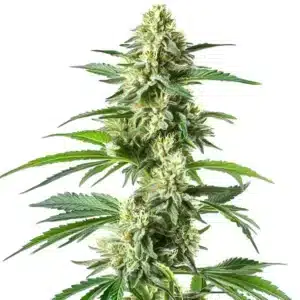
Blue Dream
|
|
THC | 17% - 24% (Medium) |
|
|
Type | Feminized |
|
|
Yield | High |
|
|
Phenotype | 50% Indica / 50% Sativa |
For example, excess calcium can block magnesium and potassium uptake. This nutrient interaction issue can stunt plant growth and reduce yield. To avoid such problems, knowing these interactions is key for any grower, whether you’re nurturing your first seed or managing a large operation.
Cannabis Nutrient Lockout Causes
Nutrient lockout is a common problem faced by growers. It occurs when plants cannot absorb essential nutrients. One major cause of this is pH imbalance. Cannabis plants prefer a specific pH range, typically between 6.0 and 7.0 in soil and 5.5 to 6.5 in hydroponics. Outside this range, nutrients become less available.
Another cause is nutrient antagonism. This is when an excess of one nutrient prevents others from being absorbed. For example, too much iron can block the uptake of manganese and zinc. This results in visible signs of deficiency despite nutrient availability in the soil or solution.
Knowing why do some cannabis nutrients block others is essential to preventing lockout. The complexity of cannabis nutrient interaction issues means that even experienced growers can struggle without a solid foundation of knowledge. It’s not only about the quantities of nutrients provided but also how they relate to each other in the growing medium.
Additionally, environmental factors such as temperature and humidity can exacerbate nutrient lockout. High temperatures can accelerate nutrient uptake to the point of toxicity, while low temperatures may slow down absorption, creating a delicate balance for growers to manage. Utilizing tools like pH meters and EC meters can be invaluable in maintaining these balances.
Nutrients Blocking Absorption in Cannabis
Calcium, a vital secondary nutrient, plays a crucial role in cell structure and stability. However, too much calcium can lead to problems. It can block magnesium and potassium absorption, both essential for photosynthesis and energy transfer within the plant.
To avoid this, it’s important to follow a balanced feeding schedule. For instance, if you’re growing the popular strain Blue Dream from Blimburn Seeds, ensure calcium levels are controlled to prevent magnesium lockout, which can cause yellowing between veins of leaves.
Nutrients blocking absorption in cannabis often result from improper nutrient ratios. For example, when using fertilizers or nutrient solutions, it’s crucial to consider the balance of macronutrients like nitrogen, phosphorus, and potassium. An imbalance in these can lead to other essential nutrients being blocked, impacting overall plant health.
Moreover, the type of growing medium can also influence nutrient absorption. Soil, coco coir, and hydroponic systems all have different nutrient holding capacities. Knowing these differences helps in crafting a nutrient plan that minimizes the risk of nutrient lockout while maximizing plant growth and yield.
Reasons for Nutrient Antagonism in Cannabis
Nutrient antagonism occurs when excess nutrients interfere with each other. This leads to lockout issues. For example, an abundance of potassium can impede calcium and magnesium uptake. This antagonistic relationship often results in visible symptoms like leaf curling or chlorosis.
Managing nutrient ratios is crucial in preventing these issues. When cultivating Girl Scout Cookies from Blimburn Seeds, careful monitoring of nutrient levels can prevent antagonism. This strain thrives when nutrient interactions are well-managed, resulting in healthy plants and abundant yields.
Reasons for nutrient antagonism in cannabis also include the use of poor-quality water. High mineral content in water can exacerbate nutrient problems by adding additional elements that interact antagonistically. This makes it vital to test water quality regularly and use filtration systems if needed to maintain optimal nutrient conditions.
Furthermore, growers should be wary of overusing supplements that promise rapid growth or increased yields. These products can sometimes contain high concentrations of particular nutrients that may lead to antagonistic interactions with the existing nutrient plan, resulting in unforeseen issues with nutrient uptake.
Promos & Deals

How Cannabis Nutrients Interfere with Each Other
Knowing nutrient interactions helps in crafting effective feeding plans. When nutrients interfere with each other, it often leads to nutrient lockout. This is why monitoring plant health and adjusting nutrient levels is so important.
One common interference is between nitrogen and potassium. High nitrogen levels can reduce potassium uptake, leading to weak stems and poor flowering. This interaction is crucial to consider when growing strains like Critical Daddy Purple from Blimburn Seeds, which requires a well-balanced nutrient mix for optimal growth.
How cannabis nutrients interfere with each other can also depend on the stage of plant growth. During the vegetative phase, the demand for nitrogen is higher, while the flowering stage requires more phosphorus and potassium. Misalignments in these nutrient requirements can lead to one nutrient overshadowing others, causing deficiencies.
Regular observation is key to identifying the early signs of nutrient interference. Symptoms such as discolored leaves or slowed growth may indicate that nutrients are not being absorbed efficiently. By adjusting the nutrient mix in response to these signs, growers can ensure their plants remain healthy and productive throughout the growth cycle.
- Monitor pH levels regularly to ensure nutrient availability.
- Follow a balanced nutrient schedule to avoid excesses.
- Adjust nutrient ratios based on plant stage and strain needs.
- Use supplements with caution to prevent nutrient antagonism.
- Observe plants for signs of deficiency or excess and adjust accordingly.

FAQs about why do some cannabis nutrients block others
What is nutrient lockout in cannabis?
Nutrient lockout occurs when cannabis plants cannot absorb the nutrients available in the soil or solution. This often leads to deficiencies, even when nutrients are present. Lockout is commonly caused by pH imbalances or nutrient antagonism, where certain nutrients block the uptake of others.
Adjusting pH levels and carefully managing nutrient ratios can help prevent lockout. Regularly test the growing medium and nutrient solution to ensure they fall within the optimal range for cannabis growth.
Knowing the cannabis nutrient lockout causes is essential for maintaining healthy plants. By identifying potential issues early, growers can implement corrective measures such as flushing or adjusting nutrient plans before significant damage occurs.
Additionally, maintaining consistent environmental conditions can reduce the risk of lockout. Sudden changes in temperature or light can stress plants, making them more susceptible to nutrient uptake issues. Using environmental controls can create a stable growing environment conducive to nutrient absorption.
How can I prevent nutrient blocking in my cannabis plants?
To prevent nutrients from blocking each other, maintain a balanced nutrient regimen. Avoid overfeeding and ensure your plants are receiving the correct ratios of essential nutrients. Testing the pH frequently can also help, as it ensures nutrients remain available for uptake.
Choosing strains that match your growing conditions can also be beneficial. Strains like Blue Dream and Tangie from Blimburn Seeds are known for their resilience, making them good choices for avoiding nutrient issues.
Implementing a structured feeding schedule that aligns with the plant’s growth stages can also help prevent nutrient blocking. By adjusting nutrient concentrations as the plant transitions from vegetative to flowering stages, growers can meet the changing nutrient demands effectively.
Furthermore, regular soil or solution testing can provide valuable insights into nutrient levels. This data enables growers to make informed decisions about any necessary adjustments, thereby minimizing the risk of nutrient lockout and ensuring robust plant health.
Why do some nutrients interfere with cannabis growth?
Nutrient interference often occurs due to imbalances. When one nutrient is present in excess, it can block the absorption of others. This is a common issue in cannabis cultivation, leading to stunted growth or poor yields.
Managing nutrient levels and knowing the requirements of your specific cannabis strain can mitigate these issues. Proper planning and observation are key to successful cannabis cultivation.
Identifying the reasons for nutrient antagonism in cannabis involves knowing both the chemistry of nutrient interactions and the biological needs of the plant. By analyzing these factors, growers can fine-tune their nutrient strategies to support optimal growth.
Moreover, consulting with fellow growers or agricultural experts can provide additional insights into nutrient management. Sharing experiences and solutions can help build a knowledge base that benefits all involved in cannabis cultivation.
What are common signs of nutrient lockout in cannabis?
Common signs of nutrient lockout include yellowing leaves, stunted growth, and poor bud development. These symptoms might appear even when nutrients are present, indicating an absorption issue.
Regularly inspecting your plants and adjusting your feeding schedule can help address lockout problems. If symptoms persist, consider testing soil or solution for pH and nutrient levels to identify the root cause.
Besides to visual symptoms, nutrient lockout can sometimes be detected through growth metrics. Slower growth rates or reduced yields can be indicative of underlying nutrient absorption issues, prompting further investigation and intervention.
Technological tools like smartphone apps and digital meters can assist in tracking plant health and nutrient levels, offering a modern approach to managing nutrient lockout and ensuring a successful harvest.
How do I correct a nutrient lockout problem?
To correct a nutrient lockout, start by flushing your growing medium with pH-balanced water. This helps remove excess salts and corrects imbalances. Once flushed, gradually reintroduce a balanced nutrient solution.
Monitoring plant response is crucial after flushing. Adjust nutrient levels based on plant needs and symptoms. Keeping a close eye on pH levels and nutrient ratios will help prevent future lockout issues.
Documenting each step taken to correct nutrient lockout can aid in knowing what works best for your specific growing conditions. This documentation can serve as a reference for future grows, helping to prevent similar issues from arising.
Additionally, reaching out to communities or forums for advice and shared experiences can provide new strategies and solutions. Learning from others’ experiences can offer fresh perspectives on combating nutrient lockout in cannabis cultivation.