Proven Insights into Iron and Phosphorus Antagonism in Cannabis

Iron and phosphorus are crucial nutrients for cannabis plants, but they can sometimes clash. This clash, known as antagonism, can cause problems for your cannabis crop. It’s important to understand how this antagonism happens and how it can impact your growing efforts. By managing this interaction, you can ensure healthy plant growth and maximize your yield.
Iron is essential for photosynthesis, while phosphorus is vital for energy transfer within the plant. When these nutrients don’t get along, it can lead to cannabis nutrient absorption issues. Growers often face challenges when one nutrient hinders the uptake of another, leading to deficiencies or toxicities that can affect the plant’s health.
Recommended Strains
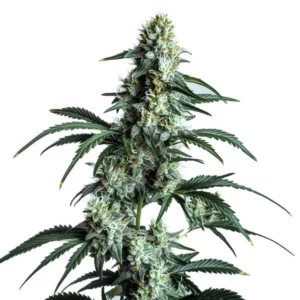
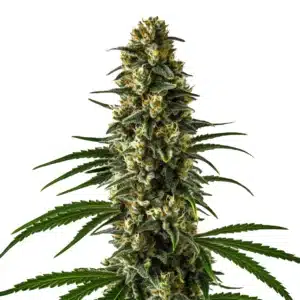
Sour Diesel

|
THC | 22% - 25% (Medium) |

|
Type | Feminized |

|
Yield | High |

|
Phenotype | 30% Indica / 70% Sativa |

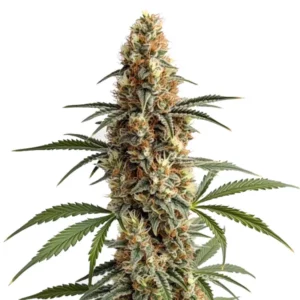
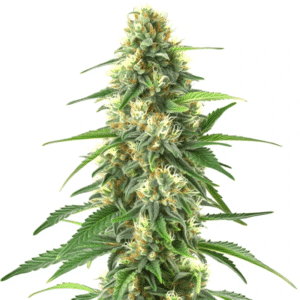
Bruce Banner #3
|
|
THC | 20% - 29% (High) |
|
|
Type | Feminized |
|
|
Yield | Medium |
|
|
Phenotype | 50% Indica / 50% Sativa |
For instance, high levels of iron can interfere with phosphorus uptake, leading to phosphorus deficiency. This deficiency can stunt plant growth and lead to poor flower development. On the other hand, too much phosphorus can make it difficult for cannabis to absorb iron efficiently. This delicate balance is something every grower should be aware of and manage carefully.
The Effects of Iron and Phosphorus Antagonism
Iron excess in cannabis leads to several problems. When iron levels are too high, cannabis plants may exhibit symptoms like dark green foliage with interveinal chlorosis, where the leaves turn yellow but the veins remain green. This is a clear indication of iron toxicity, which can ultimately lead to plant stress and reduced yields.
Managing cannabis nutrient antagonism requires a keen eye and a balanced nutrient regimen. This means regularly testing your soil or nutrient solution to ensure that both iron and phosphorus are available in the right amounts. A soil test can help you identify any imbalances, allowing you to adjust your nutrient inputs accordingly.
Knowing the iron phosphorus interaction in cannabis is crucial for preventing long-term damage to your crops. Persistent iron excess can lead to chronic nutrient uptake issues, making it difficult for your plants to thrive. Regularly monitoring your plants for signs of stress and adjusting your nutrient regimen can mitigate these risks.
By recognizing the symptoms early, such as yellowing leaves or stunted growth, growers can take corrective measures before the antagonism becomes detrimental. Incorporating phosphorus deficiency cannabis solutions into your nutrient management strategy can also help in addressing imbalances quickly and effectively.
Promos & Deals



Identifying and Solving Nutrient Imbalances
One practical way to tackle iron and phosphorus antagonism in cannabis is by using a balanced fertilizer that caters to the specific needs of cannabis plants. This can help prevent nutrient lockout, where the plant cannot absorb the nutrients it needs. Regular monitoring and adjustments are crucial to maintaining the right nutrient balance.
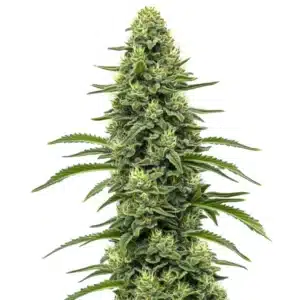
Another approach is to use strains that are less susceptible to nutrient imbalances. Blimburn Seeds offers several strains that are known for their resilience, such as the potent and hardy Bruce Banner #3, the adaptable Sour Diesel, and the robust Girl Scout Cookies. These strains can handle a bit of nutrient fluctuation without significant stress.
Testing your soil or nutrient solution regularly is an effective way to identify nutrient imbalances before they become problematic. This proactive approach can prevent iron excess cannabis effects, which can compromise plant health and yield. A balanced nutrient regimen tailored to the specific needs of your plants can also help maintain a harmonious environment.
Besides, knowing the specific nutrient requirements of your chosen cannabis strains can provide valuable insights into managing cannabis nutrient antagonism. By selecting strains that are well-suited to your growing conditions, you can minimize the risks associated with nutrient imbalances and optimize your crop’s performance.
Practical Tips for Managing Antagonism
To manage antagonism effectively, it’s essential to start with high-quality soil or a well-balanced hydroponic solution. This sets a solid foundation for your cannabis plants. If you’re growing in soil, consider using a mix that includes organic matter, which can help buffer nutrient levels and improve overall plant health.
Regular pH monitoring is also vital. Iron and phosphorus availability is significantly affected by the pH level of your growing medium. A pH that’s too high or too low can exacerbate nutrient antagonism. Aim for a pH range of 6.0 to 7.0 in soil and 5.5 to 6.5 in hydroponics for optimal nutrient uptake.
Implementing a comprehensive nutrient management plan can further aid in managing iron and phosphorus antagonism in cannabis. This includes setting realistic goals for nutrient levels and regularly adjusting them based on plant performance and environmental factors. Tailoring your approach to the specific needs of your crop can yield better results.
Incorporating organic amendments such as compost or kelp meal can enhance the nutrient profile of your soil, providing a slow-release source of essential elements. This can help stabilize the growing environment, reducing the likelihood of nutrient antagonism and promoting healthy plant growth.
Finally, keep an eye on your plants for signs of nutrient deficiencies or toxicities. Early detection and intervention can save your crop. If you notice symptoms like yellowing leaves or stunted growth, consider testing your soil and adjusting your nutrient solution as needed.
- Test soil or solution regularly
- Use balanced fertilizers
- Choose resilient cannabis strains like Bruce Banner #3, Sour Diesel, and Girl Scout Cookies from Blimburn Seeds
- Monitor pH levels closely
- Observe plants for early signs of nutrient problems
FAQs about iron and phosphorus antagonism in cannabis
How can I tell if my cannabis plants are suffering from nutrient antagonism?
Look out for signs like yellowing leaves, especially between the veins, which could indicate iron excess or phosphorus deficiency. Stunted growth and poor flower development are also common symptoms. Regularly testing your soil or nutrient solution can help catch these issues early.
Observing your plants is key. If you notice any unusual symptoms, consider adjusting your nutrient regimen. Testing your soil pH and nutrient levels can provide more insight into what might be going wrong, allowing you to take corrective action promptly.
Monitoring your plants consistently is essential to identify any emerging issues related to iron and phosphorus antagonism in cannabis. This involves recognizing the signs of nutrient stress early and knowing the specific needs of your strains. By staying vigilant, you can prevent long-term damage and ensure a healthy crop.
Additionally, maintaining detailed records of your nutrient management practices can offer valuable insights into patterns and trends. This can help you refine your approach over time, optimizing your growing conditions and minimizing the impact of nutrient antagonism.
What is the best way to prevent iron and phosphorus antagonism in cannabis?
Start with a balanced nutrient schedule that provides the right amounts of iron and phosphorus. Use high-quality soil or a reliable hydroponic solution to ensure your plants have access to the nutrients they need. Regular monitoring and adjustments can help keep nutrient levels in check.
Choosing strains that are known for their resilience can also reduce the impact of nutrient imbalances. Strains like those available from Blimburn Seeds are bred to handle various growing conditions, making them a good choice for growers looking to minimize nutrient antagonism issues.
Implementing a robust nutrient management strategy is crucial in preventing iron and phosphorus antagonism in cannabis. This includes using phosphorus deficiency cannabis solutions when needed and ensuring that all essential nutrients are available in the correct proportions. Consistent monitoring and adjustments are key to maintaining a balanced nutrient environment.
Incorporating regular soil and nutrient solution testing into your routine can help identify potential issues before they affect plant health. By proactively addressing any imbalances, you can create a more stable growing environment, leading to healthier plants and improved yields.
Can I fix phosphorus deficiency once it’s detected in my cannabis plants?
Yes, phosphorus deficiency cannabis solutions are available. First, ensure that your soil or nutrient solution has adequate phosphorus levels. You may need to supplement with a phosphorus-rich nutrient if levels are low.
Adjusting the pH of your growing medium can also help. Ensuring the pH is within the correct range allows better nutrient absorption. This, combined with the right nutrient balance, can help your plants recover from phosphorus deficiency.
Addressing a phosphorus deficiency promptly is essential for minimizing the impact on your crop. By incorporating phosphorus-rich amendments or supplements into your nutrient regimen, you can quickly restore balance and promote healthy plant growth. Regular monitoring will ensure that the deficiency is resolved effectively.
Besides to correcting the immediate issue, consider evaluating your overall nutrient management practices to prevent future deficiencies. This may involve adjusting your fertilizer schedule or incorporating organic amendments to improve soil nutrient availability and enhance plant health.
Are there any strains specifically recommended for managing nutrient antagonism?
Yes, some strains are more resilient to nutrient fluctuations. Bruce Banner, Sour Diesel, and Girl Scout Cookies from Blimburn Seeds are excellent choices. These strains are bred for their robustness and ability to thrive even when nutrient levels aren’t perfect.
By selecting such strains, you can reduce the stress on your plants caused by nutrient imbalances. They offer a bit more flexibility and can be more forgiving if you encounter issues with iron and phosphorus antagonism in cannabis.
Choosing the right strains can make a significant difference in managing cannabis nutrient absorption issues. Strains that are inherently resilient to nutrient fluctuations can better withstand the challenges posed by iron and phosphorus antagonism, ensuring a healthier and more productive crop.
Incorporating these resilient strains into your growing strategy can provide additional insurance against nutrient-related problems. By leveraging the strength of these robust genetics, you can optimize your growing conditions and improve overall plant performance.
What are the long-term effects of iron excess in cannabis plants?
Long-term iron excess can lead to chronic nutrient uptake issues. The plant may continue to show signs of stress, such as yellowing leaves and reduced growth. Over time, this can significantly impact your yield and the overall health of your plants.
Managing iron levels is crucial to prevent these long-term effects. Regular soil testing and careful nutrient management can help maintain a healthy balance. Addressing iron excess promptly can save your crop from long-term damage and ensure a bountiful harvest.
Iron excess cannabis effects can have a detrimental impact on plant health if not addressed in a timely manner. Persistent imbalances can lead to reduced vigor, compromised yield, and increased susceptibility to pests and diseases. Proactive management is essential to mitigate these risks.
Implementing a comprehensive nutrient management plan that includes regular testing and adjustments can help prevent long-term damage from iron excess. By maintaining a balanced nutrient environment, you can support optimal plant growth and enhance the overall resilience of your crop.