Proven Insights: How Calcium and Magnesium Interact in Cannabis Plants

Calcium and magnesium play crucial roles in the healthy growth of cannabis plants. These nutrients are essential for various plant processes, and how calcium and magnesium interact in cannabis plants significantly affects the overall health of your cannabis crop. Ensuring the correct calcium magnesium balance in cannabis plants can mean the difference between a thriving garden and one that struggles to meet its potential.
Calcium is vital for building strong cell walls in cannabis plants. It acts as a stabilizer for plant cells and helps in the development of new tissues. Magnesium, on the other hand, is at the heart of the chlorophyll molecule, which is responsible for photosynthesis. The effect of calcium on cannabis magnesium uptake is significant because it influences how well your plants can produce energy from light.
Recommended Strains

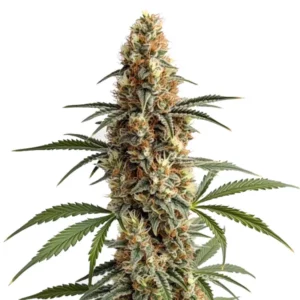
Blue Dream

|
THC | 17% - 24% (Medium) |

|
Type | Feminized |

|
Yield | High |

|
Phenotype | 50% Indica / 50% Sativa |

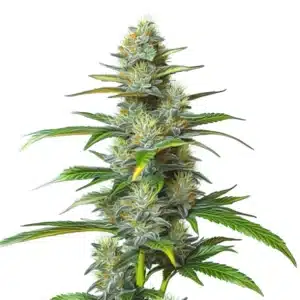
Girl Scout Cookies
|
|
THC | 18% - 25% (Medium) |
|
|
Type | Feminized |
|
|
Yield | High |
|
|
Phenotype | 60% Indica / 40% Sativa |
Many growers face challenges with magnesium deficiency in cannabis. This often occurs when there’s an imbalance caused by an excess of calcium or other nutrients. Knowing the cannabis plant nutrient calcium magnesium relationship can help you prevent such issues and maintain a healthy garden.
Calcium’s Impact on Cannabis Growth
Calcium is a secondary nutrient that cannabis plants need in relatively large amounts. It strengthens cell walls, which helps the plant maintain its structure and resist diseases. Without enough calcium, plants may show signs of stunted growth or develop weak stems and leaves. This makes knowing how calcium and magnesium interact in cannabis plants vital for any grower.
One practical example is the “Blue Dream” strain from Blimburn Seeds. This strain requires careful monitoring of calcium levels to ensure robust growth. Providing the right amount of calcium can enhance the plant’s ability to support heavy buds without the risk of breakage.
Moreover, calcium plays a pivotal function in the enzyme activity within cannabis plants, further promoting healthy cellular functions. By improving the structural integrity of the plant, calcium also aids in efficient nutrient transport, ensuring that magnesium and other vital nutrients reach their intended destinations.
For strains like “Blue Dream,” the role of calcium magnesium in cannabis growth cannot be overlooked. By maintaining a balanced nutrient profile, growers can prevent potential deficiencies, thereby optimizing plant health and increasing overall yield potential.
Promos & Deals



Magnesium’s Role in Cannabis Development
Magnesium is a central part of the chlorophyll molecule, which means it directly influences the plant’s ability to photosynthesize. This process allows the plant to convert light into energy, which is crucial for growth and bud development. When considering how calcium and magnesium interact in cannabis plants, magnesium’s role cannot be overstated.
Strains like “Girl Scout Cookies” from Blimburn Seeds thrive when magnesium levels are optimal. Magnesium deficiency in cannabis can lead to yellowing leaves and impaired growth, especially in lower parts of the plant. This is a clear indication of the crucial role of calcium magnesium in cannabis growth.
Furthermore, magnesium facilitates the activation of crucial enzymes and contributes to the synthesis of proteins and nucleic acids, which are vital for the plant’s metabolism. By ensuring adequate magnesium levels, growers can support these biochemical processes, leading to healthier and more vigorous plants.
In the context of the cannabis plant nutrient calcium magnesium relationship, managing magnesium levels is not just about preventing deficiencies but also about enhancing the plant’s overall capability to thrive. Proper magnesium levels can lead to higher chlorophyll production, promoting lush, green foliage and robust development.
Managing Calcium and Magnesium Levels
Maintaining the right calcium magnesium balance in cannabis plants is essential. Too much calcium can hinder magnesium uptake, leading to deficiencies. Regular soil testing and using balanced nutrient solutions can help manage these levels effectively.
For instance, “GG #4” from Blimburn Seeds benefits from a well-managed nutrient schedule. A balanced approach ensures that both calcium and magnesium are available in the right proportions, promoting vigorous growth and high yields.
Implementing a precise nutrient management plan that includes both soil and foliar applications can help mitigate the risk of imbalances. This proactive approach ensures that nutrients are not only present but also available in a form that the plant can readily absorb.
Knowing the effect of calcium on cannabis magnesium uptake is crucial in this context. By balancing these nutrients, growers can avoid potential antagonistic interactions and promote a harmonious growth environment for their cannabis plants.
Signs of Imbalance and How to Fix Them
Common signs of calcium deficiency include brown spots, curling leaves, and stunted growth. Magnesium deficiency often shows as yellowing between the leaf veins. Recognizing these signs early can help prevent serious damage to your plants.
If you notice these issues, check your nutrient solution. Adjusting the levels of calcium and magnesium can often resolve the problem. Using products specifically designed for cannabis can also help balance the nutrient levels efficiently.
Detecting these imbalances early on allows for timely intervention, preventing further damage and ensuring the plants remain healthy. Regular visual inspections and leaf tissue analysis can provide insight into nutrient levels, helping growers tailor their nutrient regimen accordingly.
By knowing how calcium and magnesium interact in cannabis plants, growers can develop strategies to address deficiencies as they arise. This knowledge is instrumental in maintaining plant health and maximizing yields, ensuring that any imbalance is quickly rectified.

FAQs about how calcium and magnesium interact in cannabis plants
What are the symptoms of calcium deficiency in cannabis plants?
Calcium deficiency in cannabis often presents as brown spots on leaves, especially on newer growth. You might also notice curling leaf tips and edges. These symptoms occur because calcium is immobile in plants, so deficiencies appear in new growth first.
To address this, ensure that your nutrient solution contains adequate calcium levels. You can also consider using a foliar spray for faster absorption. Monitoring your plants regularly will help you catch these symptoms early and take corrective action.
Besides to visual symptoms, calcium deficiency can lead to a compromised root system, affecting the plant’s overall nutrient uptake efficiency. This makes it even more critical to address any deficiencies promptly to avoid long-term repercussions on plant health.
By maintaining a balanced calcium magnesium relationship, growers can prevent such deficiencies from occurring, ensuring that the cannabis plant remains resilient and capable of achieving its full growth potential.
How does magnesium deficiency affect cannabis plant growth?
Magnesium deficiency in cannabis plants results in yellowing leaves, particularly between the veins. This happens because magnesium is a key component of chlorophyll, which is essential for photosynthesis. Without enough magnesium, plants cannot efficiently convert light into energy.
Correcting a magnesium deficiency often involves adjusting the nutrient balance in your grow medium. Using a magnesium supplement can also help restore levels quickly. Keep an eye on older leaves, where symptoms are likely to appear first.
The magnesium deficiency cannabis calcium interaction is particularly important as imbalances can exacerbate the symptoms. Ensuring a balanced nutrient profile helps prevent competitive uptake issues, maintaining optimal plant health.
By addressing magnesium deficiencies promptly, growers can not only improve plant vigor but also enhance the overall quality of the crop. This proactive approach ensures that the plants can continue their growth cycle with minimal interruptions.
Can too much calcium affect magnesium uptake in cannabis plants?
Yes, excessive calcium can interfere with magnesium uptake. This occurs because both calcium and magnesium are absorbed by plants through similar pathways. When calcium levels are too high, it can outcompete magnesium, leading to deficiencies.
Balancing these nutrients is crucial. Regular soil tests and careful nutrient management will help you maintain the right proportions. Consider using a balanced nutrient solution designed for cannabis to avoid such issues.
Knowing the function of calcium magnesium in cannabis growth is vital to preventing these competitive interactions. By managing nutrient levels, growers can ensure that both calcium and magnesium are present in adequate amounts, supporting optimal plant health.
With a balanced nutrient strategy, growers can avoid the pitfalls of excessive calcium and ensure that their plants receive all necessary nutrients for robust growth and development.
What is the best way to balance calcium and magnesium levels in cannabis plants?
The best way to maintain balance is through regular soil testing and using a nutrient solution that provides both calcium and magnesium in the right proportions. Many commercial solutions are specifically formulated for cannabis and offer a balanced mix.
Additionally, you can use supplements to adjust levels as needed. Foliar sprays can provide quick relief for deficiencies, while soil amendments can offer longer-term solutions. Regular monitoring is key to ensuring your plants remain healthy and productive.
Employing a holistic approach to nutrient management that includes both macro and micronutrients can further enhance the calcium magnesium balance cannabis plants require. This approach considers the entire nutrient profile, ensuring all elements work together synergistically.
By maintaining this balance, growers can optimize the conditions for their plants, leading to more vigorous growth, higher yields, and ultimately, a more successful cultivation endeavor with strains from Blimburn Seeds.
How do Blimburn Seeds strains benefit from balanced calcium and magnesium levels?
Blimburn Seeds strains, such as “Blue Dream,” “Girl Scout Cookies,” and “GG #4,” benefit significantly from balanced calcium and magnesium. These strains are known for their high yields and robust growth when nutrient levels are optimized.
Balanced nutrients promote better bud development and overall plant health. By maintaining the right calcium magnesium balance, growers can ensure these strains reach their full potential, resulting in a more bountiful harvest.
The cannabis plant nutrient calcium magnesium relationship is particularly vital for these high-performing strains, as it supports their ability to produce dense, resinous buds and withstand environmental stressors.
For growers cultivating Blimburn Seeds, knowing how calcium and magnesium interact in cannabis plants is essential. With this knowledge, they can fine-tune their nutrient regimens to match the specific needs of each strain, maximizing both quality and quantity of their harvests.