Proven Insights: How Brix Levels Change During Cannabis Flowering

Brix levels, a measure of sugar content in plant sap, are an important indicator of plant health and quality. During the flowering stage of cannabis, these levels can fluctuate significantly. Knowing how brix levels change during the cannabis flowering stage helps growers optimize their cultivation practices. High brix levels often correlate with healthier plants and richer flavors, making them a key focus for both novice and seasoned growers.
The flowering stage in cannabis plants is when the magic happens. It’s the period when plants develop their buds, and it’s crucial for determining the final quality of the harvest. As the plant transitions from vegetative growth to flowering, its energy needs shift, impacting brix levels. These changes are influenced by various factors, including light, nutrients, and environmental conditions.
Recommended Strains

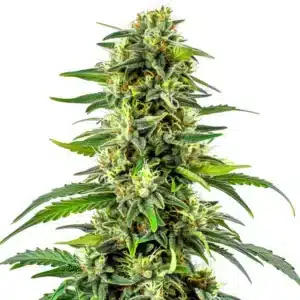
GG4

|
THC | 27% (High) |

|
Type | Feminized |

|
Yield | High |

|
Phenotype | 40% Indica / 60% Sativa |
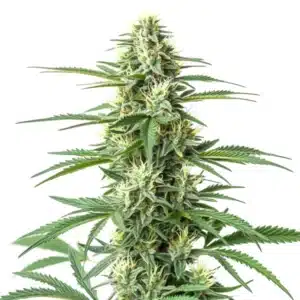
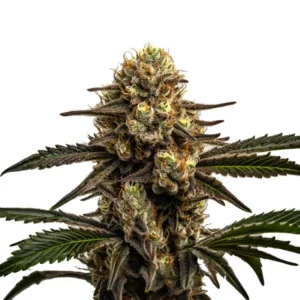
CBD Critical Mass (1:1)

|
CBD | 5% (Low) |
|
|
Type | CBD Feminized |
|
|
Yield | Medium |
|
|
Phenotype | 60% Indica / 40% Sativa |
Using a refractometer, a simple handheld device, growers can measure brix levels in their cannabis plants easily. This tool provides insight into the plant’s sugar content, indirectly indicating how well the plant is photosynthesizing. Regularly monitoring brix levels during flowering can help growers make informed decisions about nutrient management and other cultivation practices.
Factors Affecting Brix Levels During Flowering
Light is one of the most significant factors affecting brix level changes during the cannabis flowering stage. Adequate light exposure enhances photosynthesis, leading to higher sugar production. Growers should ensure their lighting setups provide the right intensity and spectrum to support this crucial phase.
Nutrient availability also plays a crucial role. During flowering, cannabis plants require different nutrients compared to the vegetative stage. Proper nutrient management helps maintain optimal brix levels and supports robust bud development. Over or under-fertilizing can lead to nutrient imbalances, negatively impacting brix levels and plant health.
Moreover, the impact of flowering stage on cannabis brix levels can be profound. The transition from vegetative to flowering stage demands a shift in nutrient intake, emphasizing the need for phosphorus and potassium. These nutrients are vital for energy transfer and sugar accumulation, directly affecting brix levels.
Growers should also consider the genetics of their cannabis strains. Strains with high brix levels during flowering are often more resilient to environmental stressors. This genetic predisposition can be leveraged by selecting the right strains from Blimburn Seeds, known for their robust and flavorful harvests.
Environmental Conditions and Brix Levels
Environmental factors such as temperature and humidity can significantly affect brix levels and cannabis plant health during flowering. High humidity levels can lead to mold and mildew, which can reduce brix levels and compromise plant quality. Conversely, maintaining optimal temperature and humidity can enhance brix levels and overall plant vigor.
Real-life examples from growers show that strains like GG4 from Blimburn Seeds respond well to controlled environments with steady temperatures and humidity. This strain is known for its robust growth and rich flavor, attributes that are often attributed to stable brix levels achieved through careful environmental management.
Temperature fluctuations can pose a threat to sugar accumulation in cannabis plants. Sudden drops or spikes can stress the plant, leading to inconsistent brix levels. Employing climate control systems ensures a stable environment, facilitating better sugar production and plant health.
Additionally, airflow is crucial for maintaining brix levels during the cannabis flowering stage. Proper air circulation prevents stagnant air pockets, reducing the risk of pests and diseases that might impact plant health and sugar levels. Effective ventilation strategies can be instrumental in maintaining optimal brix levels.
Promos & Deals

Measuring Brix Levels in Cannabis Plants
To measure brix levels, growers use a refractometer. This tool is easy to use and provides quick results. Simply place a drop of plant sap on the refractometer’s glass surface, then look through the eyepiece to read the brix level. This measurement helps growers gauge how well the plant is converting nutrients into energy.
Regular measurement of brix levels during the flowering phase is essential. It helps detect any significant changes that might indicate issues such as nutrient deficiencies or pest infestations. For instance, a sudden drop in brix levels could signal that the plant is under stress, prompting immediate corrective actions.
Knowing how to measure brix levels in cannabis plants empowers growers to make timely interventions. Accurate readings can signal whether nutrient adjustments or environmental changes are necessary to sustain plant health throughout flowering.
For those new to this practice, it’s important to calibrate the refractometer regularly. This ensures accuracy, especially when monitoring changes in brix levels during the marijuana flowering phase, allowing for better cultivation decisions.
Optimizing Nutrient Management
Nutrient management is a critical part of maintaining optimal brix levels. Different stages of cannabis growth require tailored nutrient solutions. During flowering, plants need more phosphorus and potassium, which support bud development and increase sugar production.
Practical examples from experienced growers show that strains like Critical Mass from Blimburn Seeds thrive when given a balanced nutrient mix tailored for flowering. This results in higher brix levels, translating into a more potent and flavorful product.
Incorporating organic matter, such as compost, can also enhance brix levels and cannabis plant health during flowering. The natural decomposition of organic inputs releases nutrients slowly, supporting steady sugar production.
Growers interested in maximizing their harvest’s quality should consider adopting a multi-faceted approach to nutrient management. This includes regular soil testing and adjusting nutrient solutions based on brix level readings, ensuring plants receive what they need at every stage of growth.
Monitoring Changes in Brix Levels
Monitoring changes in brix levels during the marijuana flowering phase offers insights into plant health and potential issues. Consistent brix levels often indicate a stable growing environment and effective nutrient management, while fluctuations may signal the need for adjustments.
Growers often notice that brix levels tend to rise as the flowering stage progresses. This increase is a good sign, indicating that the plant is thriving and likely to produce high-quality buds. Regular monitoring helps ensure that this upward trend continues, maximizing the harvest’s potential.
Tracking how brix levels change during the cannabis flowering stage can be an invaluable tool for predicting harvest quality. A steady rise in brix levels often correlates with improved flavor and aroma, attributes highly sought after in premium cannabis products.
Furthermore, documenting brix level readings over multiple growth cycles can provide a historical reference for growers. This data allows for fine-tuning of cultivation practices and enhances the ability to replicate successful growing conditions season after season.
Adjusting Cultivation Practices
Adjusting cultivation practices based on brix level readings can lead to improved yields and better quality cannabis. For instance, if brix levels are lower than expected, growers might increase light intensity or adjust nutrient formulations to boost photosynthesis and sugar production.
Growers can also experiment with different cultivation techniques to see how they impact brix levels. Techniques such as defoliation, which involves removing some leaves to improve light penetration, can be tested for their impact on brix levels and overall plant health.
Consider implementing precision agriculture practices, such as automated monitoring systems, to track environmental variables that affect brix levels. These systems can provide real-time data, enabling swift adjustments to cultivation strategies and enhancing overall plant health.
Furthermore, choosing resilient strains from Blimburn Seeds can provide a genetic advantage in maintaining high brix levels. Selecting strains known for their robustness can mitigate the effects of minor environmental stresses, ensuring consistent quality throughout the flowering phase.
FAQs about how brix levels change during the cannabis flowering stage
What is the impact of flowering stage on cannabis brix levels?
The flowering stage significantly impacts cannabis brix levels as the plant shifts its energy from vegetative growth to bud production. This shift often leads to an increase in brix levels as the plant ramps up sugar production to support flowering. High brix levels during this stage correlate with healthier plants and higher-quality buds.
Growers should be mindful of how environmental factors and nutrient management affect brix levels during flowering. Properly managing these aspects can lead to consistent increases in brix levels, resulting in more robust and flavorful harvests.
Knowing the impact of flowering stage on cannabis brix levels is crucial for optimizing cultivation practices. As brix levels rise, they reflect the plant’s efficiency in sugar synthesis, directly influencing the potency and taste of the final product.
By focusing on brix level changes during the cannabis flowering stage, growers can better tailor their strategies to enhance plant performance. This proactive approach ensures that the plants receive adequate resources for optimal development.
How do I measure brix levels in cannabis plants?
To measure brix levels, use a refractometer, an affordable and easy-to-use tool. Simply extract a small amount of sap from the plant and place it on the refractometer’s glass surface. Look through the eyepiece to obtain the brix reading, which reflects the sugar content in the plant sap.
Regularly measuring brix levels during the flowering stage allows growers to monitor plant health and make informed decisions about cultivation practices. It provides valuable insights into the plant’s metabolic processes and helps identify any issues early on.
Learning how to measure brix levels in cannabis plants provides a practical advantage in maintaining plant health. This straightforward practice offers immediate feedback on the plant’s condition, guiding cultivation decisions.
For better accuracy, conduct measurements at the same time each day to account for diurnal variations in sugar production. This consistency ensures reliable data collection, enhancing the ability to track changes over time.
Why are brix levels important during the flowering stage?
Brix levels are crucial during the flowering stage because they indicate the plant’s overall health and quality. Higher brix levels are often associated with better flavor, aroma, and potency, which are important factors for both personal consumption and commercial production.
Maintaining optimal brix levels during flowering ensures that the plant is efficiently converting nutrients into energy, leading to healthier growth and more abundant yields. This makes brix level monitoring an essential practice for both amateur and experienced cannabis growers.
By focusing on brix levels, growers can assess the effectiveness of their cultivation techniques. High brix levels during the cannabis flowering stage suggest that the plant is thriving under current conditions, reinforcing successful practices.
In the competitive cannabis market, products derived from plants with high brix levels stand out for their superior quality. This makes brix monitoring not just a tool for cultivation, but a strategic advantage in producing top-tier cannabis.
Can brix levels indicate potential problems in cannabis plants?
Yes, brix levels can serve as an early warning system for potential problems in cannabis plants. A sudden drop in brix levels may indicate stress factors such as nutrient deficiencies, pest infestations, or environmental imbalances. Identifying these issues early allows growers to take corrective actions before they affect the entire crop.
By regularly monitoring brix levels, growers can maintain control over the growing environment and ensure that their plants remain healthy throughout the flowering stage. This proactive approach helps optimize yields and improve overall plant quality.
Changes in brix levels during the marijuana flowering phase can reveal underlying stressors that might not be immediately visible. Promptly addressing these issues can prevent more significant problems later in the growth cycle.
Regular brix level assessments enable a more nuanced knowing of plant health. Identifying patterns or anomalies in brix readings allows for targeted interventions, maximizing plant resilience and productivity.
What strains from Blimburn Seeds are known for high brix levels?
Blimburn Seeds offers several strains known for their high brix levels, which contribute to their exceptional quality. GG4 is a popular choice among growers for its robust growth and rich flavor, attributes that are often linked to high brix levels.
Other noteworthy strains include Gelato and Blue Dream, both of which are celebrated for their potent effects and aromatic profiles. By choosing these strains, growers can take advantage of their natural propensity for high brix levels, leading to a more successful flowering phase.
Exploring the genetic diversity of Blimburn Seeds can lead to exciting discoveries of strains with naturally high brix levels. These strains not only enhance flavor profiles but also bolster plant vigor and resistance to stressors.
For growers aiming to achieve premium quality cannabis, selecting strains with a reputation for high brix levels provides a strategic edge. This ensures a more robust flowering phase, culminating in superior harvests that stand out in the market.