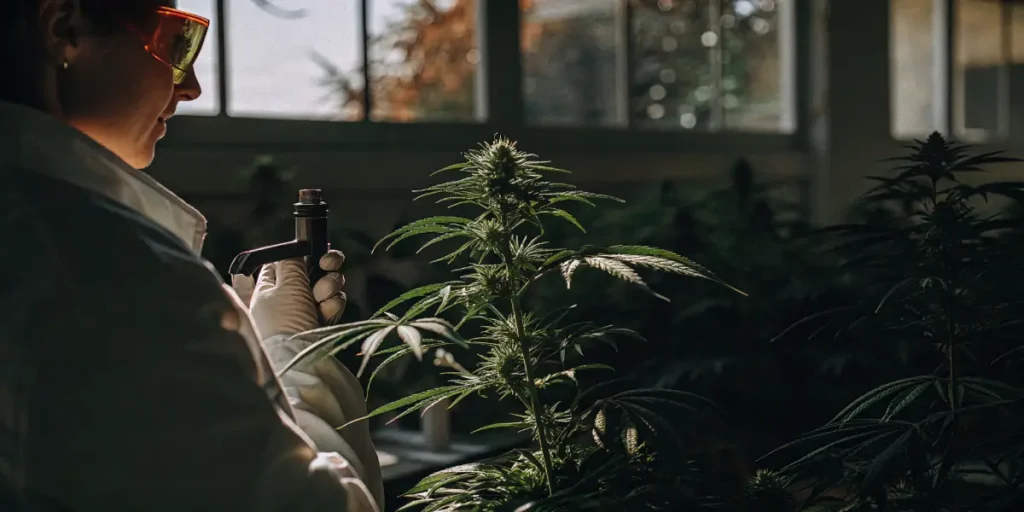
Proven Insight: Can Brix Levels Predict THC or CBD Potency?

For both budding and seasoned cannabis growers, knowing the potential potency of a plant is crucial. The question arises: can brix levels predict THC or CBD potency? Brix levels are a measure of the sugar content in plant sap. High brix levels often indicate healthy plants, but there’s a debate on whether they can accurately predict the potency of THC or CBD.
Many growers have observed a correlation between brix levels and the quality of the cannabis plant. However, using brix levels to estimate cannabinoid potency is not straightforward. While high brix levels might suggest a thriving plant, it doesn’t automatically mean high THC or CBD levels. So, what’s the real connection between brix levels and cannabis potency?
Recommended Strains
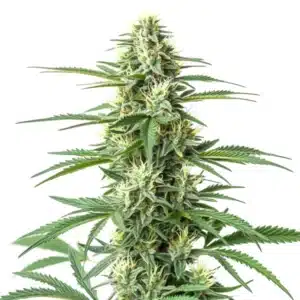
CBD Critical Mass (1:1)

|
CBD | 5% (Low) |

|
Type | CBD Feminized |

|
Yield | Medium |

|
Phenotype | 60% Indica / 40% Sativa |
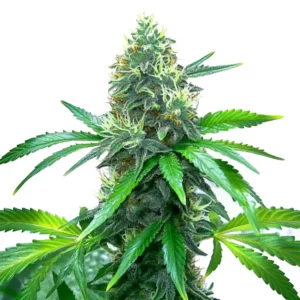
OG Kush

|
THC | 20% - 24% (Medium) |
|
|
Type | Feminized |
|
|
Yield | Medium |
|
|
Phenotype | 55% Indica / 45% Sativa |
Let’s dive deeper into this topic, exploring the brix levels correlation with THC potency and predicting CBD potency using brix levels. We’ll look at real-life examples and practical insights to help you make informed decisions in your growing journey.
What Are Brix Levels?
Brix levels are a measurement that indicates the amount of dissolved sugar in a plant’s sap. This is typically expressed as a percentage. For example, a brix level of 12 means there are 12 grams of sugar per 100 grams of liquid. This measurement is taken using a refractometer, a simple tool that measures the bending of light as it passes through the sap.
While brix levels are commonly used in agriculture to assess the sweetness and quality of fruits and vegetables, they are also useful for cannabis growers. A higher brix level often points to a healthier plant with robust growth. However, the relationship between brix levels and cannabis potency is complex and requires careful consideration of various factors.
Knowing the brix levels correlation with THC potency is essential for growers looking to optimize their yields. Although there is no direct link, maintaining a high brix level suggests that the plant is receiving the necessary nutrients and care. This can support the plant’s overall health and maximize its genetic potential, which is crucial given that genetics play a crucial role in determining potency.
Moreover, predicting CBD potency using brix levels involves similar complexities. While a healthy brix level can indirectly support cannabinoid production, it should be viewed as a supportive tool rather than a definitive predictor. Growers should focus on maintaining optimal environmental conditions alongside monitoring brix levels to achieve the best results in terms of both THC and CBD potency.
Promos & Deals
The Connection Between Brix Levels and THC Potency
Growers often wonder if brix levels can predict THC or CBD potency. The relationship between brix levels and cannabis potency is not a direct one. While higher brix levels can indicate a well-nourished plant, they don’t guarantee a higher THC content. Some strains naturally produce more THC regardless of their brix level.
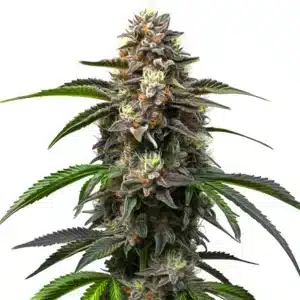
For instance, the famous strain Girl Scout Cookies from Blimburn Seeds is known for its high THC levels. Even with moderate brix readings, this strain could still produce high THC content. The genetic makeup of the strain plays a more significant role in determining THC potency than brix levels alone.
Incorporating the brix levels correlation with THC potency into your growing practices can be beneficial, but it should not overshadow the importance of strain selection. By choosing strains with naturally high THC levels, such as those offered by Blimburn Seeds, growers can enhance their chances of achieving potent yields. The key is to use brix levels as a complementary tool rather than a sole indicator.
Additionally, while brix levels might reflect the plant’s overall health, environmental conditions also significantly impact THC production. Factors such as light, humidity, and temperature must be optimized to support the plant’s natural ability to produce cannabinoids. This holistic approach ensures that brix levels and other factors work in synergy to achieve the desired potency outcomes.
Using Brix Levels to Estimate CBD Potency
Predicting CBD potency using brix levels involves similar challenges. CBD levels, like THC, are influenced more by genetic factors than by brix levels alone. However, sustaining healthy brix levels can promote the overall growth and development of the plant, possibly enhancing its ability to produce cannabinoids, including CBD.
For example, CBD Critical Mass from Blimburn Seeds is a strain known for its high CBD content. Even if the brix levels are not exceptionally high, the strain is genetically predisposed to produce significant CBD levels. Thus, while brix measurements for THC and CBD content are part of the equation, they are not the sole determinants.
While using brix levels to estimate cannabinoid potency, it is crucial to consider the specific characteristics of the strain being cultivated. Strains with a genetic predisposition for high CBD levels will continue to produce significant amounts of CBD, regardless of brix fluctuations. Therefore, knowing the genetic blueprint of your chosen strain is key to achieving reliable potency predictions.
Furthermore, maintaining consistent environmental conditions is essential when aiming to enhance CBD potency. By creating an optimal growing environment and monitoring brix levels regularly, growers can support the plant’s natural cannabinoid production capabilities. This approach facilitates a more predictable harvest, aligning with the genetic potential of the strain.
Practical Tips for Measuring Brix Levels
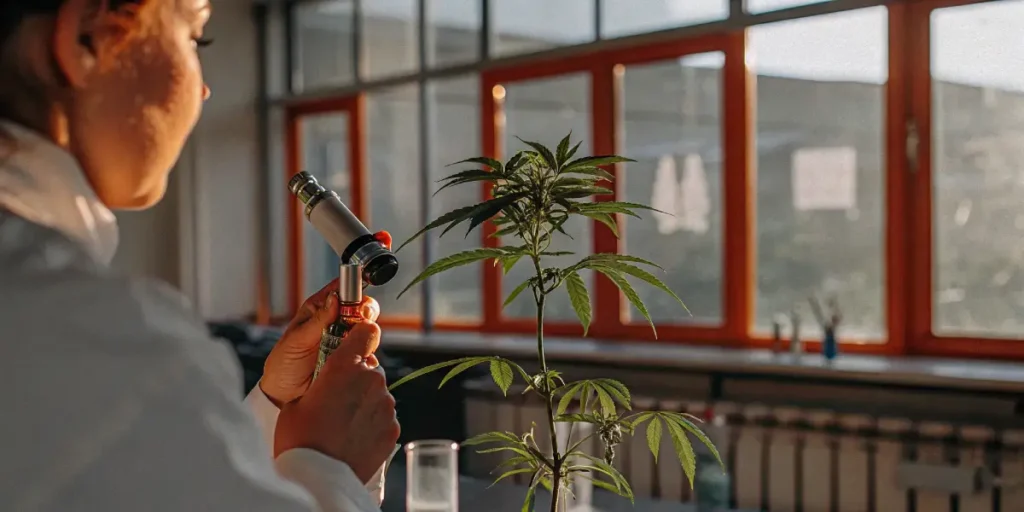
To measure brix levels accurately, you will need a refractometer. This tool is easy to use and provides immediate results. Here’s a simple guide on how to use it:
- Take a small sample of sap from the plant’s stem or leaves.
- Place a few drops of the sap onto the refractometer’s glass surface.
- Look through the lens to read the brix level, which is typically displayed as a percentage.
Regularly checking brix levels can give you insights into the health and nutritional status of your plants. However, it’s important to remember that these readings are just one piece of the puzzle when it comes to predicting cannabinoid potency.
Using brix levels in tandem with other growth indicators can provide a more comprehensive picture of your plant’s potential. By integrating brix level measurements with knowledge about the specific cannabis strain and its growing conditions, you can make more informed predictions about potency.
Besides to measuring brix levels, growers should also track other key indicators of plant health, such as pH levels, nutrient uptake, and pest presence. These factors can significantly impact the overall vitality of the plant, influencing its ability to produce cannabinoids effectively. A multifaceted approach ensures that all aspects of plant health are addressed.
Moreover, knowing the relationship between brix levels and cannabis potency can help growers fine-tune their cultivation techniques. By experimenting with different nutrient regimens and environmental setups, growers can identify the optimal conditions that promote the highest brix readings and, consequently, the best potential for cannabinoid production.
Real-Life Examples from Blimburn Seeds
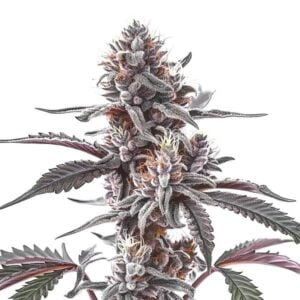
Let’s consider some practical examples from Blimburn Seeds. Take the Granddaddy Purple strain, known for its distinctive flavor and balanced THC and CBD levels. Even with fluctuating brix levels, this strain can maintain its cannabinoid profile due to its genetic stability.
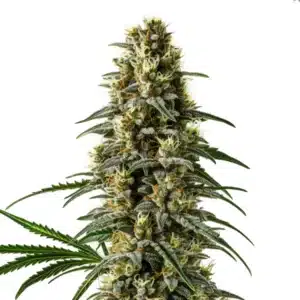
Another example is the Blue Dream strain, which is popular for its high yield and potent effects. While brix levels might vary during different growth stages, the strain’s genetic makeup ensures consistent potency. This highlights the importance of knowing both genetics and environmental factors.
The success of strains like Granddaddy Purple and Permanent Marker exemplifies the importance of focusing on genetic potential alongside brix measurements for THC and CBD content. While brix levels offer insights into plant health, the inherent characteristics of each strain ultimately define their potency. Blimburn Seeds provides a diverse range of strains that cater to different potency preferences.
Additionally, growers can learn from these examples by paying close attention to how different strains respond to varying brix levels and environmental conditions. By conducting controlled experiments and documenting results, growers can develop personalized strategies that optimize cannabinoid production for their chosen strains.
FAQs about can brix levels predict thc or cbd potency
How do brix levels correlate with THC potency?
Brix levels often reflect the overall health and nutrient uptake of a plant. While there is a connection between high brix levels and vigorous growth, this does not directly translate to increased THC potency. THC levels are primarily determined by the plant’s genetics. Thus, while high brix readings can support the plant’s potential, they are not definitive indicators of THC content.
For instance, a strain like OG Kush might exhibit high THC levels inherently, regardless of brix fluctuations. Therefore, while brix levels can be a useful tool in the grower’s toolkit, they should be used alongside other factors such as strain selection and growing conditions to predict THC potency accurately.
Knowing the brix levels correlation with THC potency is crucial for growers aiming to maximize their harvest’s potential. While brix levels contribute to the plant’s health, they cannot override the genetic predisposition of a strain. By focusing on strains known for their high THC content, growers can utilize brix levels as an additional layer of insight rather than a primary determinant.
Moreover, environmental management is key to unlocking the full potential of THC-rich strains. Consistent monitoring and adjustment of factors such as light exposure, temperature, and humidity can enhance the plant’s ability to produce THC, complementing the insights gained from brix level readings.
Can predicting CBD potency using brix levels be reliable?
Predicting CBD potency using brix levels alone is not entirely reliable. Brix levels indicate sugar content and can help assess plant health, but CBD potency is largely influenced by genetics. Strains designed for high CBD content will naturally produce more CBD, regardless of brix levels.
For example, the Harlequin strain, known for its high CBD and low THC levels, can maintain its cannabinoid profile even with varying brix levels. Therefore, while maintaining healthy brix levels can support the plant’s overall development, it is not a standalone predictor of CBD potency.
When using brix levels to estimate cannabinoid potency, growers should consider the specific genetic attributes of their chosen strains. Knowing that certain strains, like Harlequin, are genetically inclined to produce high CBD content allows growers to manage expectations and focus on optimizing environmental conditions to complement genetic strengths.
Furthermore, consistent documentation and analysis of brix levels and CBD yields can help growers refine their cultivation techniques. By tracking the relationship between brix levels and CBD potency over multiple growth cycles, growers can identify trends and make data-driven decisions to enhance the quality and consistency of their harvests.
What is the relationship between brix levels and cannabis potency?
The relationship between brix levels and cannabis potency is indirect. While high brix levels suggest a healthy plant, they do not guarantee high cannabinoid content. Potency is more influenced by genetics and environmental factors than by brix levels alone.
However, maintaining optimal brix levels can contribute to the overall health of the plant, which may indirectly support its ability to produce cannabinoids. By focusing on both brix levels and other growth indicators, growers can optimize their cultivation practices.
Knowing the relationship between brix levels and cannabis potency can guide growers in adopting a balanced approach to cultivation. While brix levels provide insights into plant health, they should be complemented by a thorough knowing of the strain’s genetic potential and specific environmental needs.
By integrating brix level monitoring with comprehensive strain knowledge and environmental optimization, growers can achieve more predictable potency outcomes. This approach not only enhances cannabinoid production but also ensures that plants remain healthy and resilient throughout their growth cycle.
How can brix measurements for THC and CBD content be used effectively?
Brix measurements for THC and CBD content can be used effectively as part of a broader cultivation strategy. By regularly monitoring brix levels, growers can ensure their plants are receiving adequate nutrients and are in optimal health, which supports their natural cannabinoid production.
However, it is important to combine brix measurements with knowledge about the specific cannabis strain and its genetic potential. This comprehensive approach allows growers to make more informed predictions about the potency of their harvest.
Using brix levels to estimate cannabinoid potency involves integrating this data with other cultivation metrics to create a holistic view of plant health. By doing so, growers can make strategic decisions that enhance the overall quality and consistency of their harvests, ultimately leading to more reliable potency outcomes.
Additionally, growers should consider the timing of brix measurements, as different growth stages may require different nutrient regimens. By aligning brix monitoring with the plant’s developmental phases, growers can better support the plant’s natural cannabinoid production processes.
Are there any limitations to using brix levels to estimate cannabinoid potency?
There are indeed limitations to using brix levels to estimate cannabinoid potency. Brix levels do not directly measure THC or CBD content; they only indicate the sugar concentration in the plant sap. As such, relying solely on brix readings can lead to inaccurate predictions about potency.
To overcome these limitations, growers should use brix levels in conjunction with other indicators, such as genetic information and environmental conditions. This holistic approach can provide a more accurate picture of the plant’s potential cannabinoid output, helping growers achieve better results.
Recognizing the limitations of brix measurements for THC and CBD content is key to developing a reliable cultivation strategy. By acknowledging that brix levels are just one piece of the puzzle, growers can focus on integrating multiple data points to achieve a comprehensive knowing of their plants’ potential.
Furthermore, the limitations of using brix levels as a standalone metric underscore the importance of continuous learning and adaptation in cannabis cultivation. By staying informed about the latest research and techniques, growers can refine their practices and enhance their ability to produce high-potency cannabis consistently.