Proven Ideal Brix Levels for Healthy Cannabis: Expert Guide

When cultivating cannabis, many growers focus on soil quality, light, and water. Yet, there’s a hidden metric that can dramatically enhance your plants’ health and yield: Brix levels. The ideal brix levels for healthy cannabis plants measure the sugar content in plant sap. Checking these levels lets you know how well your plants are performing.
But what exactly is the ideal brix percentage for cannabis health? Generally, a higher Brix level indicates a robust plant. For cannabis, aiming for a Brix level of around 12-15% is ideal. This range suggests that your plants are absorbing nutrients efficiently, resulting in better growth and potency.
Recommended Strains

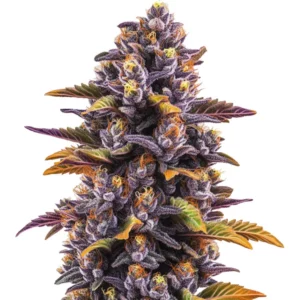
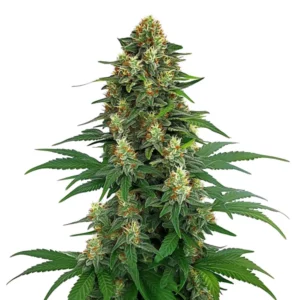
Blackberry Moonrocks

|
THC | 26% - 33% (High) |

|
Type | Feminized |

|
Yield | High |

|
Phenotype | 80% Indica / 20% Sativa |
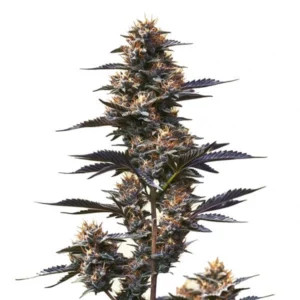
Tangie
|
|
THC | 19% - 22% (Medium) |
|
|
Type | Feminized |
|
|
Yield | High |
|
|
Phenotype | 30% Indica / 70% Sativa |
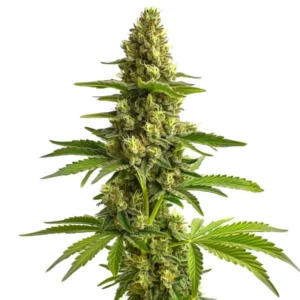
Let’s dive deeper into why these levels matter for your cannabis. Imagine growing a strain like GG4 from Blimburn Seeds. With optimal Brix levels, the resin production and terpene profile can be significantly enhanced, offering a more aromatic and potent product.
Why Brix Levels Matter in Cannabis Cultivation
Brix levels are crucial for knowing the health of your cannabis plants. These measurements are not just about sweetness. They also indicate the plant’s ability to photosynthesize, resist pests, and absorb nutrients. High Brix levels are a sign of vibrant, thriving plants.
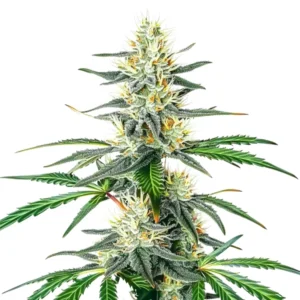
Consider a gardener growing the popular strain Bruce Banner 3 from Blimburn Seeds. By maintaining optimal Brix levels, the gardener ensures the plants are not just surviving but thriving. This leads to healthier leaves, stronger stems, and ultimately, a more abundant harvest.
Moreover, the ideal brix levels for healthy cannabis plants can be a reliable indicator of soil health. When plants exhibit optimal brix level in cannabis cultivation, it often reflects the presence of beneficial microorganisms that support nutrient uptake. This symbiotic relationship is essential for achieving the best brix range for cannabis yield.
Furthermore, maintaining these levels can also have economic benefits. Healthier plants translate to fewer losses and higher quality products, which can significantly impact a grower’s bottom line. Thus, knowing and managing Brix levels is not just a horticultural concern but a financial one as well.
Measuring Brix Levels in Cannabis
To measure Brix levels, you’ll need a refractometer a simple tool that gauges the sugar content in plant sap. Using a refractometer is easy. Simply extract a small amount of sap from a leaf and place it on the device’s glass plate.
Reading the refractometer is straightforward. The higher the reading, the healthier your plant likely is. However, don’t rely solely on this measurement. Consider it alongside other factors like leaf color and growth rate.
For growers of strains like Blackberry Moonrocks from Blimburn Seeds, integrating regular Brix checks into their routine can be transformative. By knowing the healthy brix measurement for marijuana plants, growers can adjust their cultivation methods to better cater to the plant’s needs, ensuring that every growth stage is optimized.
Additionally, this practice can also serve as a preventive measure against potential issues. By identifying dips in Brix levels early on, growers can address nutrient deficiencies or environmental stressors before they escalate, thus safeguarding the plant’s overall well-being and maximizing potential yields.
Promos & Deals

Steps to Achieve Optimal Brix Levels
Achieving the ideal brix levels for healthy cannabis plants involves several key practices. First, ensure your plants receive balanced nutrients. Too much or too little can affect Brix readings adversely.
Next, focus on good watering practices. Overwatering or underwatering can stress plants, lowering Brix levels. A consistent watering schedule is vital for maintaining healthy brix measurement for marijuana plants.
Light management is also critical in maintaining ideal Brix levels. Providing the right intensity and duration of light encourages effective photosynthesis, which in turn boosts sugar production within the plant. This contributes directly to achieving the ideal brix percentage for cannabis health.
Additionally, implementing a routine for monitoring and adjusting environmental conditions, such as humidity and temperature, can further enhance Brix levels. Ensuring that these factors are kept within optimal ranges will help maximize cannabis growth and promote a robust and healthy plant.
Enhancing Soil and Nutrient Quality
Soil quality directly impacts Brix levels. Rich, organic soils often support higher Brix readings. Consider supplementing with organic matter like compost to boost soil health.
It’s also crucial to use high-quality fertilizers. Nutrient-rich fertilizers promote better plant nutrition, leading to higher Brix levels. Opt for products specifically designed for cannabis to ensure the best results.
Beyond basic soil composition, introducing beneficial microbes can play a significant role in enhancing nutrient uptake and promoting higher Brix levels. These organisms help break down organic matter, making nutrients more accessible to the plant, thus supporting the ideal brix levels for healthy cannabis plants.
Moreover, rotating soil amendments based on the plant’s growth stage can ensure a continuous supply of essential nutrients. This strategic approach not only supports optimal plant health but also helps maintain the best brix range for cannabis yield throughout the growth cycle.
Real-Life Examples of Brix Level Impact
Imagine two growers cultivating the same strain, say Tangie from Blimburn Seeds. One closely monitors and adjusts Brix levels, while the other doesn’t. The first grower notices improved taste, aroma, and potency due to the optimal brix level in cannabis cultivation.
Another real-life example involves pest resistance. Plants with higher Brix levels are less attractive to pests. This can reduce the need for chemical pesticides, resulting in a cleaner, more natural product.
In another scenario, a grower focusing on a strain like Purple Haze from Blimburn Seeds may observe that maintaining high Brix levels contributes to a more resilient plant structure. This leads to better support for heavy buds, reducing the risk of branches breaking under weight.
Additionally, growers who prioritize Brix levels often report a noticeable improvement in post-harvest qualities such as shelf life and appearance. The high sugar content not only enhances flavor and aroma but also contributes to a more appealing and marketable product.
Common Mistakes and How to Avoid Them
One common mistake is ignoring Brix levels altogether. Some growers focus solely on visible plant health, missing out on the insights Brix readings provide.
Another pitfall is over-relying on Brix measurements. While important, they should be part of a broader plant health strategy. Combine Brix readings with other indicators for a complete picture.
Another misstep involves neglecting the calibration of the refractometer. Regularly checking and calibrating your equipment ensures accurate readings, which are vital for making informed decisions about plant care and achieving the ideal brix percentage for cannabis health.
Additionally, some growers might overlook the function of seasonal environmental changes in affecting Brix levels. Adapting your cultivation practices to accommodate these changes can help maintain steady Brix readings and support healthy plant development throughout the year.
FAQs about ideal brix levels for healthy cannabis plants
What are Brix levels, and why are they important for cannabis?
Brix levels measure the sugar content in a plant’s sap. For cannabis, these levels indicate how well the plant is photosynthesizing and absorbing nutrients. High Brix levels generally suggest a healthy, robust plant capable of producing a higher yield and more potent buds.
Monitoring Brix levels helps growers optimize conditions for their plants. By maintaining ideal levels, such as 12-15% for cannabis, growers can ensure that their plants are thriving. This leads to better resistance against pests and diseases, ultimately resulting in a more successful harvest.
Knowing Brix levels also aids in predicting the potential quality of the harvest. High Brix readings often correlate with superior taste and aroma profiles, which are crucial for producing premium cannabis products. This makes Brix monitoring an essential tool in a grower’s arsenal.
Additionally, Brix levels can serve as an early warning system for potential problems. By regularly checking these levels, growers can detect nutrient imbalances or environmental stresses before they manifest in visible symptoms, allowing for proactive management.
How can I measure Brix levels in my cannabis plants?
You can measure Brix levels in cannabis plants using a refractometer. This tool is easy to use and provides quick results. Simply extract a small amount of sap from a leaf, place it on the refractometer’s glass plate, and read the measurement.
Regularly checking Brix levels allows you to make timely adjustments to your growing conditions. Whether it’s adjusting nutrient levels or watering practices, keeping an eye on Brix readings can significantly enhance your cultivation efforts.
Besides to routine checks, it’s beneficial to measure Brix levels at different times of the day and during various growth stages. This can provide a comprehensive overview of how well your cultivation practices are supporting the plant’s development and help in maintaining the best brix range for cannabis yield.
Moreover, sharing Brix data with fellow growers can foster a collaborative approach to improving cultivation techniques. By exchanging insights and strategies, growers can collectively enhance their knowing of Brix management and its impact on cannabis health.
What factors affect Brix levels in cannabis plants?
Several factors can impact Brix levels in cannabis plants. Nutrient quality and balance are critical. Plants need the right mix of nutrients to achieve high Brix readings. Soil quality and watering practices also play a significant role.
Environmental factors such as light and temperature can also affect Brix levels. Ensuring your plants receive adequate light and are kept within optimal temperature ranges can help maintain healthy Brix levels, contributing to better plant health and yield.
Besides to these, the genetic makeup of the cannabis strain itself can influence Brix levels. Some strains naturally produce higher sugar content, which can be further optimized through targeted cultivation practices. Choosing strains from reputable sources like Blimburn Seeds can ensure quality genetics.
Furthermore, stress management techniques such as pruning and training can indirectly affect Brix levels. By reducing unnecessary stress on the plant, growers can facilitate better nutrient distribution and sugar production, leading to healthier growth and higher yields.
Can Brix levels help in pest management for cannabis plants?
Yes, Brix levels can play a role in pest management. Plants with higher Brix levels are generally less attractive to pests. The higher sugar content makes the plant less palatable, reducing the likelihood of pest infestations.
Maintaining high Brix levels can minimize the need for chemical pesticides, making it a natural method for pest management. This not only keeps your plants healthy but also contributes to a cleaner, toxin-free product.
Incorporating this natural pest management strategy not only protects the environment but also preserves the plant’s natural defenses. High Brix levels enhance the plant’s inherent ability to ward off pests, reducing the reliance on external interventions.
Furthermore, this approach aligns with organic cultivation practices, which are increasingly favored by consumers seeking natural and eco-friendly products. By focusing on ideal brix levels for healthy cannabis plants, growers can ensure their products meet the growing demand for sustainable and high-quality cannabis.
What are the signs of low Brix levels in cannabis plants?
Low Brix levels in cannabis plants can manifest in several ways. Common signs include yellowing leaves, stunted growth, and poor bud development. These symptoms indicate that the plant is not photosynthesizing efficiently or absorbing nutrients optimally.
If you observe these signs, it’s essential to check your Brix levels. A reading below the ideal range of 12-15% might suggest you need to adjust your growing conditions. This could involve altering nutrient supply, improving soil quality, or refining watering practices.
In some cases, low Brix levels may also be accompanied by an increase in pest activity. Since pests are more attracted to weaker plants, addressing Brix deficiencies promptly can mitigate this risk and support healthier plant growth.
Additionally, prolonged low Brix levels can lead to a decline in overall plant vigor, making it crucial to identify and rectify underlying issues swiftly. By taking a proactive approach, growers can restore optimal conditions and promote robust plant development.