Proven: How Water Quality Impacts Brix Levels in Cannabis

Water quality is crucial in cannabis cultivation. It affects the plant’s health, growth, and the brix levels, which measure sugar content. High brix levels often indicate a healthy plant with strong flavors and potency. Knowing how water quality impacts brix levels in cannabis helps growers fine-tune irrigation practices and achieve better overall plant performance.
Brix levels in cannabis provide insight into the plant’s sugar content, which correlates with taste and strength. Water quality influences these levels significantly. For example, clean water helps plants absorb nutrients better, boosting brix levels.
Recommended Strains

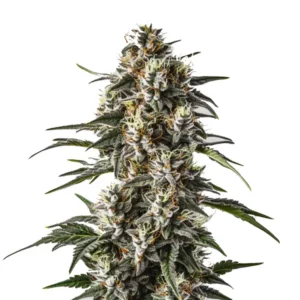
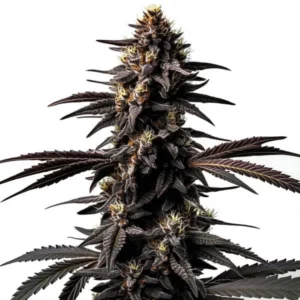
Sour Diesel

|
THC | 22% - 25% (Medium) |

|
Type | Feminized |

|
Yield | High |

|
Phenotype | 30% Indica / 70% Sativa |

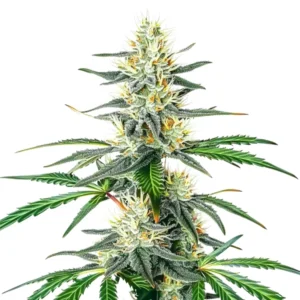
Blue Dream
|
|
THC | 17% - 24% (Medium) |
|
|
Type | Feminized |
|
|
Yield | High |
|
|
Phenotype | 50% Indica / 50% Sativa |
On the other hand, poor water quality can lead to nutrient lockout, where plants can’t absorb essential nutrients. This results in lower brix levels, affecting the overall quality of the cannabis. Thus, knowing the relationship between water quality and cannabis brix measurement is vital for growers.
The Impact of Water Quality on Cannabis Brix Levels
Water quality’s influence on brix in cannabis plants is pivotal for growers aiming for high-quality yields. Clean, balanced water ensures nutrients are absorbed efficiently. This directly impacts the sugar levels in the plant, reflected in the brix measurement.
Growers often overlook how water quality affects brix levels in cannabis cultivation. High mineral content or pollutants in water can hinder the plant’s ability to absorb nutrients. This, in turn, reduces brix levels and can affect the potency and flavor of strains like Blue Dream and Sour Diesel from Blimburn Seeds.
Knowing the impact of water quality on cannabis brix levels involves considering various factors, including mineral balance and the presence of harmful substances. For instance, excessive calcium or magnesium in water can lead to nutrient imbalances, which negatively affect the plant’s sugar production. A comprehensive approach to monitoring water quality can help growers maintain optimal brix levels.
Moreover, the function of water quality in determining cannabis brix levels extends to the overall growing environment. Poor water quality can lead to soil degradation, affecting the plant’s root system and its ability to transport nutrients. By ensuring that water quality is consistently high, growers can support the development of robust, healthy plants with elevated brix levels.
How Contaminants Affect Brix Levels
Water contaminants can drastically affect the relationship between water quality and cannabis brix measurement. Heavy metals or high chlorine levels can poison the plant, reducing its ability to produce sugars. This reduces the brix levels, affecting the plant’s taste and aroma.
For example, if a grower uses unfiltered tap water with high chlorine levels, the plant may show signs of stress. This stress often results in lower brix levels. Growers of strains such as Green Crack from Blimburn Seeds should pay attention to water purification to enhance brix levels.
Beyond heavy metals and chlorine, other contaminants such as pesticides and herbicides can also negatively impact how water quality affects brix levels in cannabis cultivation. These chemicals can disrupt the plant’s metabolic processes, leading to reduced sugar production and compromised brix levels. Utilizing water filtration systems can help mitigate these risks and protect plant health.
The presence of microorganisms like bacteria and fungi in water sources can further complicate the relationship between water quality and cannabis brix measurement. These organisms may compete with the plant for nutrients or introduce diseases, both of which can lower brix levels. Implementing regular water testing and treatment protocols can help prevent these issues and support higher brix outcomes.
The Function of pH in Water Quality
PH level is a critical factor in the function of water quality in determining cannabis brix levels. Water that is too acidic or alkaline can prevent nutrient absorption, impacting the plant’s sugar production. This directly affects the brix measurement.
For optimal brix levels, maintaining a balanced pH is crucial. Cannabis plants generally thrive in water with a pH between 6.0 and 7.0. Straying from this range can lead to nutrient lockout, reducing the plant’s overall health and brix levels.
The water quality influence on brix in cannabis plants is closely linked to pH management. When water pH drifts outside the ideal range, it can cause deficiencies in essential nutrients like potassium and phosphorus, which are necessary for sugar synthesis. Adjusting the pH to the optimal range can help maintain the plant’s metabolic balance and enhance brix measurements.
Regular monitoring and adjustment of pH levels play a vital role in how water quality impacts brix levels in cannabis. Employing automated pH control systems can provide precision and consistency, helping growers maintain the delicate balance needed for high brix levels and healthy plants. This approach is particularly beneficial for complex nutrient regimens required by specific strains from Blimburn Seeds.
Promos & Deals



Choosing the Right Water Source
Choosing the right water source is vital for cannabis growers who want to optimize brix levels. Rainwater, distilled water, and reverse osmosis water are often preferred due to their purity and balanced mineral content.
Rainwater is naturally filtered and free from most chemicals, making it an excellent choice. However, it’s essential to collect it in a clean container to avoid contamination. Distilled water, although lacking minerals, is another option for growers focused on controlling nutrient levels precisely.
Reverse osmosis water offers a unique advantage in how water quality affects brix levels in cannabis cultivation. By providing a contaminant-free base, growers can precisely tailor the nutrient profile to meet the specific needs of their plants. This customization is crucial for achieving the high brix levels desired in premium strains from Blimburn Seeds.
Evaluating the local water source and its suitability for cannabis cultivation can significantly influence the impact of water quality on cannabis brix levels. Groundwater, for example, may contain variable mineral content that requires adjustment before use. By starting with a purified water source, growers can have greater control over the growing environment, ultimately enhancing brix outcomes.

FAQs about how water quality impacts brix levels in cannabis
What is the best water quality for cannabis cultivation?
The best water quality for cannabis cultivation is clean, balanced water with minimal contaminants. This ensures that plants can absorb nutrients efficiently, which is crucial for achieving high brix levels. Water sources such as rainwater, distilled, or reverse osmosis water are often recommended for their purity.
Using water testing kits can help identify impurities and allow growers to take corrective measures. By ensuring the water used is free from harmful substances, growers can maximize the potential of their cannabis plants in terms of flavor, strength, and overall health.
Achieving the best water quality often involves a combination of filtration, pH management, and regular testing. This comprehensive approach helps in knowing how water quality impacts brix levels in cannabis, ensuring that plants receive the optimal conditions for growth and sugar production. Consistency in water quality can lead to more stable and predictable brix levels.
Besides to filtration and pH adjustments, incorporating beneficial minerals into the water can further support plant health and brix levels. Minerals like calcium and magnesium are vital for plant growth and must be balanced correctly to avoid nutrient lockout. By fine-tuning these elements, growers can enhance the water quality influence on brix in cannabis plants.
How do I test the pH of my water for cannabis plants?
Testing the pH of your water is a straightforward process. pH meters or pH test strips are widely available and simple to use. Dip the strip or meter into your water source, and it will give you a reading of the pH level.
Maintaining a pH range of 6.0 to 7.0 is crucial for cannabis plants. This range promotes optimal nutrient uptake, enhancing brix levels and plant health. Regular testing helps ensure your water remains within this ideal range.
To accurately test and adjust water pH, consider investing in a high-quality pH meter. These devices offer precise readings, enabling growers to make necessary adjustments and understand the function of water quality in determining cannabis brix levels. By maintaining the ideal pH, growers can support healthy plant metabolism and high brix levels.
Besides to testing, documenting pH readings over time can provide valuable insights into how water quality impacts brix levels in cannabis. Tracking these changes can help identify trends or issues early, allowing for timely intervention and ensuring the plants continue to receive optimal care.
Can poor water quality affect cannabis potency?
Yes, poor water quality can significantly affect cannabis potency. Contaminants and imbalanced pH levels can prevent plants from absorbing vital nutrients. This not only reduces brix levels but can also impact the plant’s potency and flavor.
Ensuring water quality is high allows plants to thrive, resulting in a more potent and flavorful yield. Growers should regularly test and treat their water to maintain the best possible environment for their cannabis plants.
The relationship between water quality and cannabis brix measurement is closely tied to the plant’s ability to produce potent compounds. When water quality is compromised, the plant’s metabolic pathways that synthesize cannabinoids and terpenes are disrupted, leading to reduced potency and flavor. Prioritizing water quality is key to achieving high-quality, potent cannabis.
Moreover, the impact of water quality on cannabis brix levels extends to the overall plant health. Healthy, well-nourished plants are more resilient to environmental stressors, allowing them to focus energy on producing potent compounds. By ensuring optimal water quality, growers can maximize both brix levels and the potency of their cannabis.
How often should I test my water quality?
It’s advisable to test your water quality regularly, especially if you notice changes in plant health or brix levels. A monthly test can help identify any issues before they affect your plants significantly. More frequent testing may be necessary if your water source is known to vary in quality.
Regular monitoring allows growers to make necessary adjustments promptly, ensuring optimal conditions for cannabis cultivation. This proactive approach helps maintain high brix levels and overall plant health.
Besides to regular testing, growers should consider environmental factors that may influence water quality, such as seasonal changes or local water supply issues. Being aware of these variables can help in knowing how water quality impacts brix levels in cannabis and prepare for any necessary adjustments to maintain plant health.
Frequent testing also provides a clearer picture of the water quality influence on brix in cannabis plants over time. By tracking water quality data, growers can identify patterns or recurring issues, allowing them to implement long-term solutions and ensure consistent high-brix yields.
What are some signs of poor water quality in cannabis plants?
Signs of poor water quality in cannabis plants include yellowing leaves, stunted growth, and lower yields. If plants struggle to absorb nutrients due to contaminants or pH imbalances, these symptoms can manifest, indicating a need to address water quality.
Additionally, growers may notice reduced brix levels, affecting the plant’s flavor and potency. By addressing water quality issues promptly, growers can restore plant health and improve their cannabis yield.
Other indicators of poor water quality include leaf curling, browning edges, or abnormal root development. These symptoms suggest that the plant is under stress and may not be receiving the necessary nutrients. Knowing the relationship between water quality and cannabis brix measurement can guide growers in taking corrective actions to enhance plant health.
Utilizing water quality testing kits can help identify specific contaminants that may be causing these issues. By pinpointing the source of the problem, growers can implement targeted solutions to improve water quality and support how water quality affects brix levels in cannabis cultivation, leading to healthier, more productive plants.