Proven Guide: How to Measure Brix Levels in Cannabis Leaves & Stems

Measuring brix levels in cannabis leaves and stems is crucial for understanding plant health and sugar content. Brix is a measure of the sugar concentration in plant sap, and higher brix levels often indicate a healthier plant. For cannabis growers, both first-timers and veterans, learning how to measure brix levels in cannabis leaves and stems can be a true game-changer.
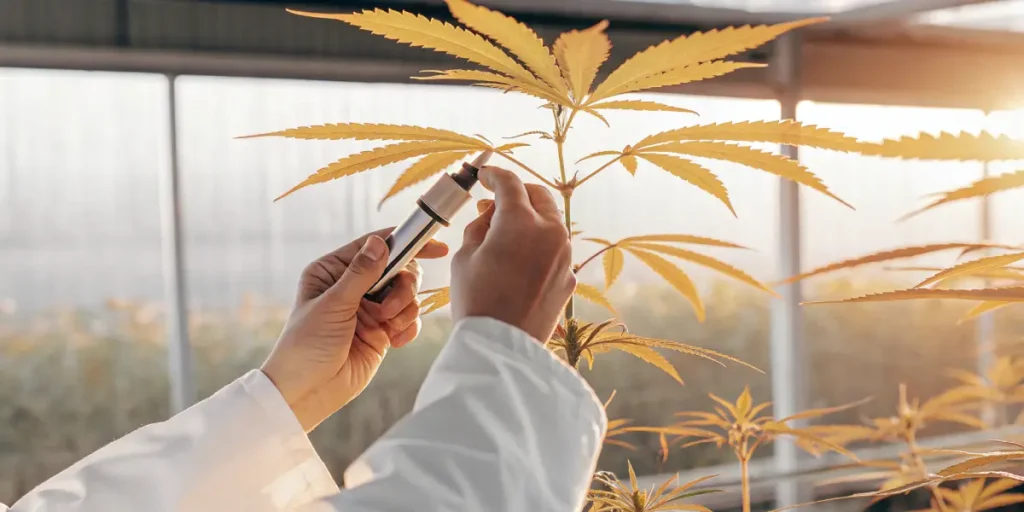
To start measuring brix levels in cannabis, you’ll need a refractometer. This tool is essential for assessing the sugar content in the sap of your cannabis plants. When you squeeze the leaves or stems, a drop of sap is placed on the refractometer, which then shows you the brix level. This process is straightforward and can be done in a few steps.
Recommended Strains
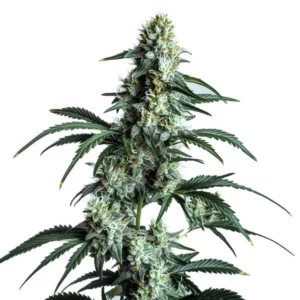
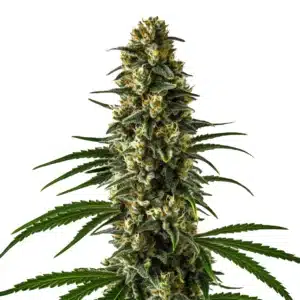
Sour Diesel

|
THC | 22% - 25% (Medium) |

|
Type | Feminized |

|
Yield | High |

|
Phenotype | 30% Indica / 70% Sativa |
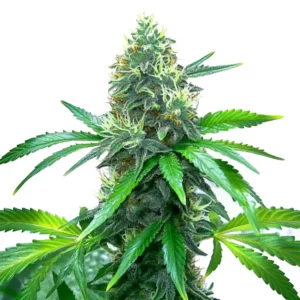
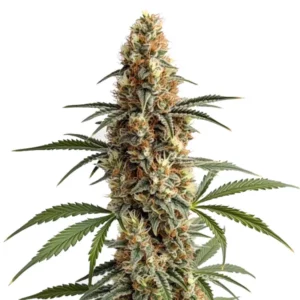
OG Kush
|
|
THC | 20% - 24% (Medium) |
|
|
Type | Feminized |
|
|
Yield | Medium |
|
|
Phenotype | 55% Indica / 45% Sativa |
For those growing strains like Blue Dream, Girl Scout Cookies, or Sour Diesel from Blimburn Seeds, monitoring brix levels can mean the difference between a mediocre harvest and an outstanding one. High brix levels often correlate with better taste, aroma, and potency, making it a vital aspect of quality cannabis cultivation.
Why Brix Levels Matter in Cannabis Cultivation
Brix levels serve as an indicator of plant health, nutrient density, and overall vitality. In cannabis cultivation, this measure can help growers determine if their plants are receiving adequate nutrients and water. High brix levels usually signify that the plant is photosynthesizing efficiently and is less susceptible to pests and diseases.
Healthy cannabis plants with high brix levels tend to produce better yields and more potent buds. This is particularly true for strains like OG Kush, which are known for their robust flavor profiles. By frequently measuring brix levels, growers can make informed decisions about whether to adjust their fertilization techniques or water schedules.
Additionally, knowing how to measure brix levels in cannabis leaves and stems can empower growers to anticipate and respond to changes in plant health before they become problematic. This proactive approach to cultivation ensures that each plant can reach its full genetic potential, providing the highest quality product possible.
Measuring brix levels in cannabis plants also fosters a deeper connection between the grower and their crop, as it encourages regular interaction and observation. This attention to detail can lead to the development of a more intuitive knowing of what each plant needs, ultimately resulting in a more successful and rewarding cultivation experience.
Tools for Measuring Brix in Cannabis Leaves
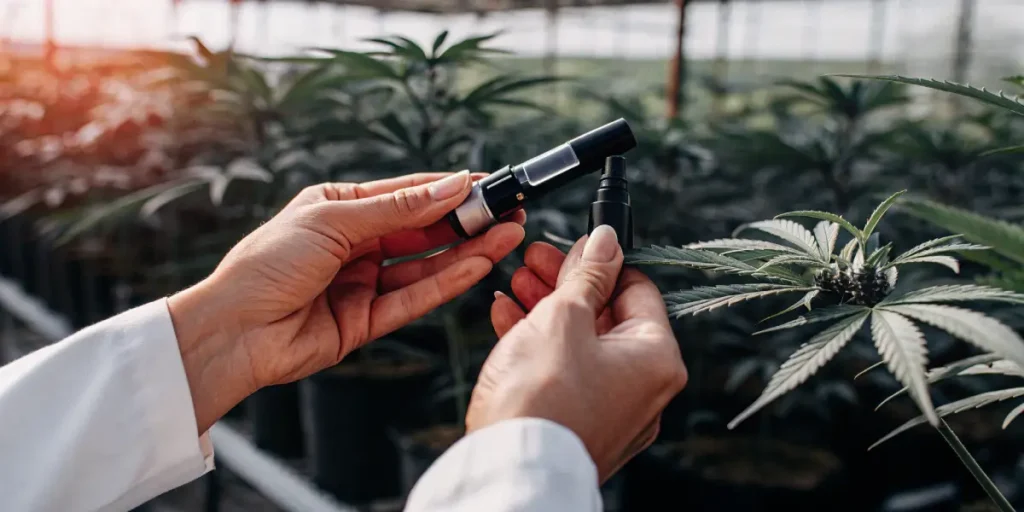
A refractometer is the primary tool needed to measure brix levels in cannabis leaves. It’s a small, handheld device that uses light refraction to determine the sugar content in plant sap. Refractometers are easy to use and provide immediate results, making them ideal for frequent testing.
When using a refractometer, it’s important to ensure that it’s calibrated correctly. This involves using distilled water to set the baseline reading to zero. Once calibrated, place a few drops of sap from the cannabis leaf onto the refractometer’s glass surface, close the cover, and look through the eyepiece to read the brix level.
Ensuring accurate brix measurement for cannabis cultivation requires not only the correct tools but also proper technique. It’s important to clean the refractometer after each use to prevent residue from affecting future readings. Consistency in using the tool will help maintain accuracy over time.
There are various models of refractometers available, ranging from analog to digital versions. While digital models can provide more precise readings, analog refractometers are often sufficient for most growers and are generally more cost-effective. Whichever model you choose, regular use and proper maintenance are key to obtaining reliable data.
Promos & Deals
Steps for Testing Brix Levels in Cannabis Leaves
Begin by selecting a healthy leaf from your cannabis plant. Use a garlic press or similar tool to extract a drop of sap from the leaf. Be gentle to avoid damaging the plant. Once you have the sap, you can proceed with the brix measurement.
Place a drop of the sap onto the refractometer’s glass surface. Close the cover and hold the device up to a light source. Look through the eyepiece to read the brix level, which is indicated by the boundary line between the blue and white areas on the scale.
For the most consistent results, perform cannabis leaf brix level testing methods at the same time every day. Morning is often the best time to conduct these tests, as the plant’s hydration levels are typically more stable, leading to more accurate readings.
By incorporating these steps into your regular cultivation routine, you can track your plants’ progress over time. This methodical approach allows you to detect subtle changes that may indicate shifts in plant health, enabling timely interventions to optimize growth and yield.
How to Check Brix in Cannabis Stems
Checking brix levels in cannabis stems follows a similar process to leaves but can be a bit more challenging. Stems tend to be tougher, requiring more pressure to extract sap. Use a stronger press or a specialized tool designed for this purpose.
Once you have the sap from the stem, follow the same steps as you would with leaf sap. Place it on the refractometer, close the cover, and read the brix level. This information can provide additional insights into the overall health of your cannabis plant.
Knowing how to check brix in cannabis stems can reveal different aspects of plant health compared to leaf analysis. Stems might show different brix levels due to their role in transporting nutrients and water throughout the plant, offering a broader view of the plant’s physiological state.
Regular testing of both leaves and stems can provide a comprehensive knowing of how environmental factors and cultivation techniques are affecting your plants. This holistic approach is particularly useful for managing strains with specific growing requirements and can improve the overall quality of your harvest.
Cannabis Leaf Brix Level Testing Methods
There are a few methods for testing brix levels, but using a refractometer is the most common. Another method involves using brix test strips, though they are generally less accurate and more suited for preliminary or quick checks.
Regardless of the method you choose, consistency is key. Conduct tests under similar conditions each time for the most reliable results. This allows you to track trends and make adjustments based on accurate data, leading to better crop management and improved cannabis quality.
Besides to using refractometers, some growers explore advanced techniques such as digital imaging or chromatography to assess sugar levels in their plants. While these methods can provide detailed insights, they often require more sophisticated equipment and expertise.
Ultimately, the choice of cannabis leaf brix level testing methods depends on your resources and cultivation goals. Whether using simple refractometers or more complex technologies, the aim is to gather reliable data that can guide your growing practices and enhance the quality of your final product.
FAQs about how to measure brix levels in cannabis leaves and stems
What is the ideal brix level for cannabis plants?
The ideal brix level for cannabis plants can vary depending on the strain and growing conditions. Generally, a brix level above 12 is considered good, while levels above 15 are excellent and indicate a very healthy plant. Monitoring these levels can help ensure your plants are thriving.
High brix levels typically mean that the plant is receiving the right balance of nutrients and water. This can lead to more robust growth and potentially higher yields. For growers of strains like Blue Dream, maintaining high brix levels can enhance the strain’s natural sweet and berry-like flavors.
Knowing how to measure brix levels in cannabis leaves and stems can provide a clearer picture of your plants’ health and help you achieve these ideal levels. By doing so, you can maximize the genetic potential of strains from Blimburn Seeds and others, ensuring that your harvests are both abundant and high quality.
It’s important to note that while high brix levels are desirable, they should be balanced with other aspects of plant care. Over-fertilization or imbalanced nutrient delivery can lead to other issues, so always consider brix levels in the context of a comprehensive cultivation strategy.
How often should you measure brix levels in cannabis plants?
It’s recommended to measure brix levels in cannabis plants at least once a week. This frequency allows you to catch any changes in plant health early and make necessary adjustments to your growing practices. Regular checks can prevent potential issues from becoming major problems.
For those cultivating strains with specific nutrient needs, like Girl Scout Cookies, frequent brix measurements can provide valuable data. This data can guide you in tweaking your nutrient delivery to ensure optimal plant health and maximize yield.
Incorporating regular brix testing into your routine can be a straightforward process. Setting a specific day each week for these measurements can help integrate this task into your overall plant care regimen, making it an effortless part of your cultivation practices.
By maintaining a consistent schedule for measuring brix levels in cannabis plants, you create a reliable dataset that can highlight trends and inform future decisions. This proactive approach supports better crop management and can enhance the overall quality of your cannabis production.
Can environmental factors affect brix levels in cannabis plants?
Yes, environmental factors such as temperature, humidity, and light can significantly impact brix levels in cannabis plants. These elements affect the plant’s ability to photosynthesize and produce sugars, which are reflected in brix measurements.
Growers should aim to maintain stable environmental conditions to promote consistent brix levels. For instance, strains like Sour Diesel, known for their pungent aroma, require careful environmental control to express their full genetic potential.
Knowing the relationship between environment and brix levels can be a powerful tool for growers. By monitoring how changes in conditions affect your readings, you can fine-tune your setup to optimize plant health and productivity.
Tools like climate controllers and sensors can assist in maintaining the ideal environment for your plants. By leveraging technology alongside traditional methods of how to measure brix levels in cannabis leaves and stems, you can achieve the best possible outcomes for your crops.
Are there any disadvantages to measuring brix levels?
While measuring brix levels provides valuable insights, it does require some investment in tools like a refractometer. Additionally, the process can be time-consuming if you’re managing a large grow operation.
However, the benefits often outweigh the drawbacks. Regular brix measurements can lead to healthier plants and higher quality yields, which is a significant advantage for both commercial and personal growers.
For those concerned about the time commitment, consider integrating brix testing into your existing plant care routine. With practice, the process becomes quicker, and the insights gained from regular measurements can greatly enhance your growing success.
Ultimately, the decision to incorporate brix testing should be based on your specific goals and resources. For many, the improved knowing of plant health and the potential for higher yields make it a worthwhile investment in their cultivation strategy.
Can brix levels indicate pest or disease issues in cannabis plants?
High brix levels generally indicate a healthy plant, which is less susceptible to pests and diseases. Conversely, low brix levels can signal stress or nutrient deficiencies, which can make plants more vulnerable to infestations.
By monitoring brix levels, growers can take proactive steps to address potential issues before they become serious. This is especially important for maintaining the health of strains like Northern Lights, which are prized for their resilience and potency.
Regularly checking brix levels can act as an early warning system, alerting you to potential problems before they become visible. This allows for timely interventions, such as adjusting nutrient levels or altering environmental conditions, to keep plants healthy and productive.
Incorporating brix level monitoring into your pest and disease management strategy can enhance your overall approach to cannabis cultivation. By knowing how to measure brix levels in cannabis leaves and stems, you can maintain a robust defense against common threats, ensuring the longevity and quality of your crops.