Proven Fixes for Cannabis Deficiencies Caused by Antagonistic Nutrients

Growing cannabis can be a rewarding endeavor, but it comes with its challenges. One such challenge is dealing with cannabis deficiencies caused by antagonistic nutrients. These occur when certain nutrients block the uptake of others, leading to imbalances that affect plant health.
Recognizing these symptoms early can save your crop from significant damage. Here we’ll discuss how to spot these issues and offer practical solutions to get your plants back on track. For instance, the cannabis nutrient lockout symptoms often mimic those of deficiencies, making it tricky to diagnose.
Recommended Strains

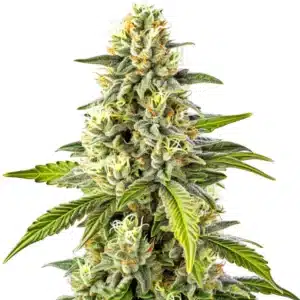
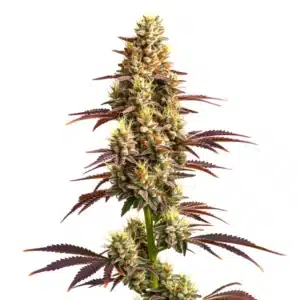
Blue Dream

|
THC | 17% - 24% (Medium) |

|
Type | Feminized |

|
Yield | High |

|
Phenotype | 50% Indica / 50% Sativa |

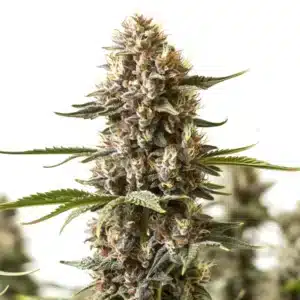
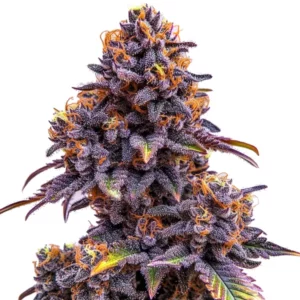
GG4
|
|
THC | 27% (High) |
|
|
Type | Feminized |
|
|
Yield | High |
|
|
Phenotype | 40% Indica / 60% Sativa |
By knowing how antagonistic nutrients affect cannabis growth, you can make informed decisions about nutrient management. This knowledge is crucial whether you are a novice or a seasoned grower.
Identifying Nutrient Antagonism in Cannabis
Nutrient antagonism occurs when an excess of one nutrient inhibits the uptake of another. This scenario is common in cannabis cultivation and can result in poor plant performance. Symptoms often include yellowing leaves, stunted growth, and poor bud development.
To effectively manage cannabis deficiencies from nutrient imbalance, it’s essential to regularly test your soil or growing medium. Soil tests can reveal excesses or deficiencies, guiding you in adjusting your nutrient regimen. A balanced approach is key to preventing antagonism.
In some cases, nutrient antagonism can be subtle, gradually affecting plant health over time. This makes identifying nutrient antagonism in cannabis particularly important. Regular visual inspections and soil tests can help detect issues before they become severe.
Knowing the root causes of cannabis deficiencies caused by antagonistic nutrients can help in devising long-term solutions. By addressing these root causes, growers can improve plant health and maximize yields, ensuring that the investment in cultivation pays off.
Promos & Deals
Common Antagonistic Nutrients
Calcium and magnesium are often at odds. An excess of calcium can hinder magnesium absorption, leading to deficiencies. This is particularly important for strains like Blimburn Seeds’ GG4, which require a balanced calcium-magnesium ratio for optimal growth.
Another common pair is potassium and calcium. High levels of potassium can block calcium uptake, which may result in problems such as blossom end rot. Adjusting these nutrients can help alleviate such issues.
Other nutrient pairs like iron and phosphorus can also exhibit antagonistic behaviors. High phosphorus levels can inhibit iron uptake, causing chlorosis or yellowing of the leaves. Monitoring these nutrients is critical for preventing cannabis deficiencies from nutrient imbalance.
Managing these relationships is crucial for healthy plant development. For growers using hydroponic systems, adjusting nutrient solution concentrations can help avoid antagonistic nutrient effects, promoting balanced growth and robust plant health.
Practical Tips for Resolving Nutrient Antagonism in Cannabis Cultivation
Start by flushing your plants with pH-balanced water. This can help remove excess nutrients from the soil. If you’re growing a strain like Blimburn Seeds’ Blue Dream, which is sensitive to nutrient imbalances, this step is crucial.
After flushing, reintroduce nutrients slowly. Opt for a balanced nutrient mix that caters to your specific strain’s needs. Monitoring the pH of your growing medium is also essential to avoid future lockouts.
Consider using a nutrient schedule tailored to your strain. For example, Blimburn Seeds’ Girl Scout Cookies benefits from a specific feeding schedule that minimizes nutrient antagonism, ensuring healthy growth.
Consistent monitoring and record-keeping can aid in resolving nutrient antagonism in cannabis cultivation. By documenting changes and plant responses, growers can fine-tune their nutrient strategies over time, avoiding recurring issues.

Adjusting Nutrient Levels for Healthy Growth
Regular monitoring and adjustment of nutrient levels are vital. Use a reliable pH meter to ensure your growing medium remains within the ideal range. This prevents cannabis deficiencies caused by antagonistic nutrients from taking hold.
Keep a detailed log of nutrient feedings and plant responses. This information can help you identify patterns and make necessary adjustments. A proactive approach can prevent many issues before they start.
Being attentive to cannabis nutrient lockout symptoms is essential in adjusting nutrient levels. Early detection and intervention can prevent irreversible damage and promote vigorous growth during critical stages of plant development.
Utilizing technology, such as automated nutrient dosing systems, can also assist in maintaining optimal nutrient levels. These tools provide precision and consistency, helping to avoid human errors that might lead to nutrient antagonism.
Balancing Nutrients for Optimal Cannabis Health
Start with a complete nutrient profile that provides all necessary elements in the correct proportions. Strains like Blimburn Seeds’ GG4 thrive when provided with a balanced diet tailored to their specific needs.
- Use nutrient solutions that contain a full spectrum of elements.
- Avoid over-application of any single nutrient.
- Regularly test the soil or growing medium to catch imbalances early.
For hydroponic growers, maintaining the right nutrient solution concentration is imperative. Adjust the EC (electrical conductivity) levels to ensure your plants receive adequate nutrients without excesses.
Soil growers should focus on organic matter and pH balance. Consider using amendments like dolomite lime to maintain calcium and magnesium levels, crucial for strains like Blimburn Seeds’ Blue Dream.
A systematic approach to balancing nutrients can mitigate risks associated with antagonistic nutrients affecting cannabis growth. By ensuring each nutrient is present in the correct amount, you can support robust plant health and maximize yields.
Employing natural remedies, such as compost teas or mycorrhizal fungi, can enhance nutrient uptake and support the plant’s immune system. These methods provide an additional layer of protection against nutrient antagonism.
Using Supplements to Overcome Deficiencies
Supplements can be a valuable tool in resolving nutrient antagonism. For example, Epsom salts provide magnesium, which can counteract calcium dominance. This is particularly useful for addressing cannabis deficiencies from nutrient imbalance.
Another option is to use chelated nutrients. These are more readily absorbed by plants, helping to bypass the antagonistic effects of excess nutrients. Chelated iron, for example, can prevent iron deficiency even when phosphorus levels are high.
When integrating supplements, it’s important to follow manufacturer guidelines to avoid over-supplementation. Excessive use can lead to new imbalances, exacerbating cannabis deficiencies caused by antagonistic nutrients.
Incorporating supplements requires careful observation of plant reactions. Adjusting dosages based on real-time plant feedback helps ensure that supplements effectively address specific deficiencies without causing further issues.
FAQs on Cannabis deficiencies caused by antagonistic nutrients
What are cannabis nutrient lockout symptoms?
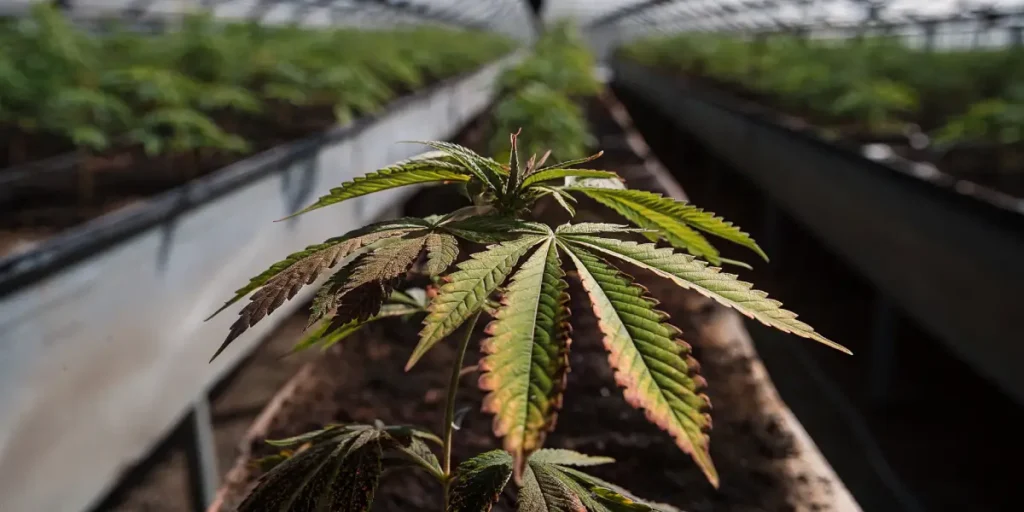
Cannabis nutrient lockout symptoms mimic nutrient deficiencies and include yellowing leaves, stunted growth, and poor bud development. This occurs when the plant cannot absorb nutrients due to excess salts or incorrect pH levels.
Addressing these symptoms involves flushing the medium with pH-balanced water and reassessing your nutrient schedule. Regular monitoring can prevent lockouts by maintaining balanced nutrient levels.
Recognizing cannabis nutrient lockout symptoms early allows for timely intervention, preventing long-term damage. Utilizing diagnostic tools like leaf tissue analysis can help confirm nutrient lockouts versus other deficiencies.
Knowing the link between nutrient lockouts and cannabis deficiencies from nutrient imbalance can guide corrective measures. By addressing the root cause, growers can restore nutrient uptake and plant vitality efficiently.
How do antagonistic nutrients affect cannabis growth?
Antagonistic nutrients can severely impact cannabis growth by inhibiting the absorption of essential elements. For instance, too much potassium can block calcium, leading to weakened plant structure and poor bud formation.
Managing these antagonisms involves adjusting your nutrient regimen to ensure a balanced intake. This can often mean lowering the levels of the antagonistic nutrient while ensuring adequate supply of the affected nutrient.
Antagonistic nutrients affecting cannabis growth often lead to cascading effects, impacting multiple growth parameters. By identifying these interactions early, growers can adjust feeding schedules to mitigate adverse outcomes.
Comprehending the dynamics of antagonistic nutrients affecting cannabis growth enables growers to optimize nutrient delivery. This knowledge empowers them to fine-tune their nutrient programs and improve overall plant performance.
What is the best way to identify nutrient antagonism in cannabis?
Identifying nutrient antagonism involves observing plant symptoms and conducting soil tests. Look for signs like unusual leaf color, growth patterns, and overall plant health to gauge potential imbalances.
Soil tests can provide insight into nutrient levels, helping you pinpoint excesses or deficiencies. This information is crucial for adjusting your nutrient regimen and preventing future problems.
Visual cues play a significant role in identifying nutrient antagonism in cannabis. Regular inspections can reveal subtle changes in plant health, prompting early intervention and corrective action.
Empowering growers with knowledge about identifying nutrient antagonism in cannabis can lead to more informed decisions. By recognizing patterns and environmental factors, growers can enhance nutrient management strategies.
How can I resolve nutrient antagonism in cannabis cultivation?
Resolving nutrient antagonism starts with flushing your plants to remove excess nutrients. Afterward, reintroduce nutrients gradually, ensuring a balanced mix suitable for your specific cannabis strain.
Monitoring pH levels and adjusting your feeding schedule based on plant response are critical steps. By keeping a detailed log, you can identify successful strategies and apply them consistently.
Utilizing advanced tools like precision pH meters and automated nutrient dosing systems can streamline the process of resolving nutrient antagonism in cannabis cultivation. These technologies enhance accuracy and consistency.
Engaging with a community of growers can offer valuable insights into resolving nutrient antagonism in cannabis cultivation. Sharing experiences and strategies can lead to more effective nutrient management practices.
What cannabis strains are more susceptible to nutrient imbalances?
Some strains, like Blimburn Seeds’ Girl Scout Cookies and Blue Dream, are more sensitive to nutrient imbalances. These strains require precise nutrient management to thrive.
Knowing the specific needs of your strain and tailoring your nutrient regimen accordingly can prevent cannabis deficiencies caused by antagonistic nutrients, ensuring healthy, robust growth.
For strains prone to nutrient imbalances, adopting a proactive approach with frequent soil testing and tailored nutrient solutions can prevent deficiencies. Strains like Blimburn Seeds’ Gorilla G4 may require specific nutrient ratios for optimal health.
Collaborating with breeders and fellow growers can provide insights into managing susceptible strains. By learning from others’ experiences, growers can adapt their practices to meet the unique needs of sensitive cannabis varieties.