Brick Weed: History and Characteristics

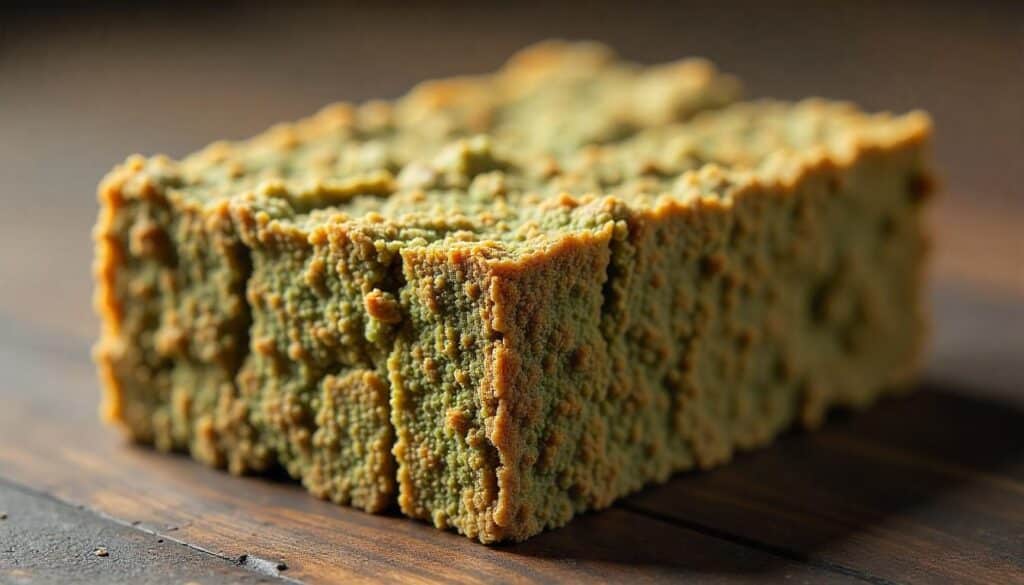
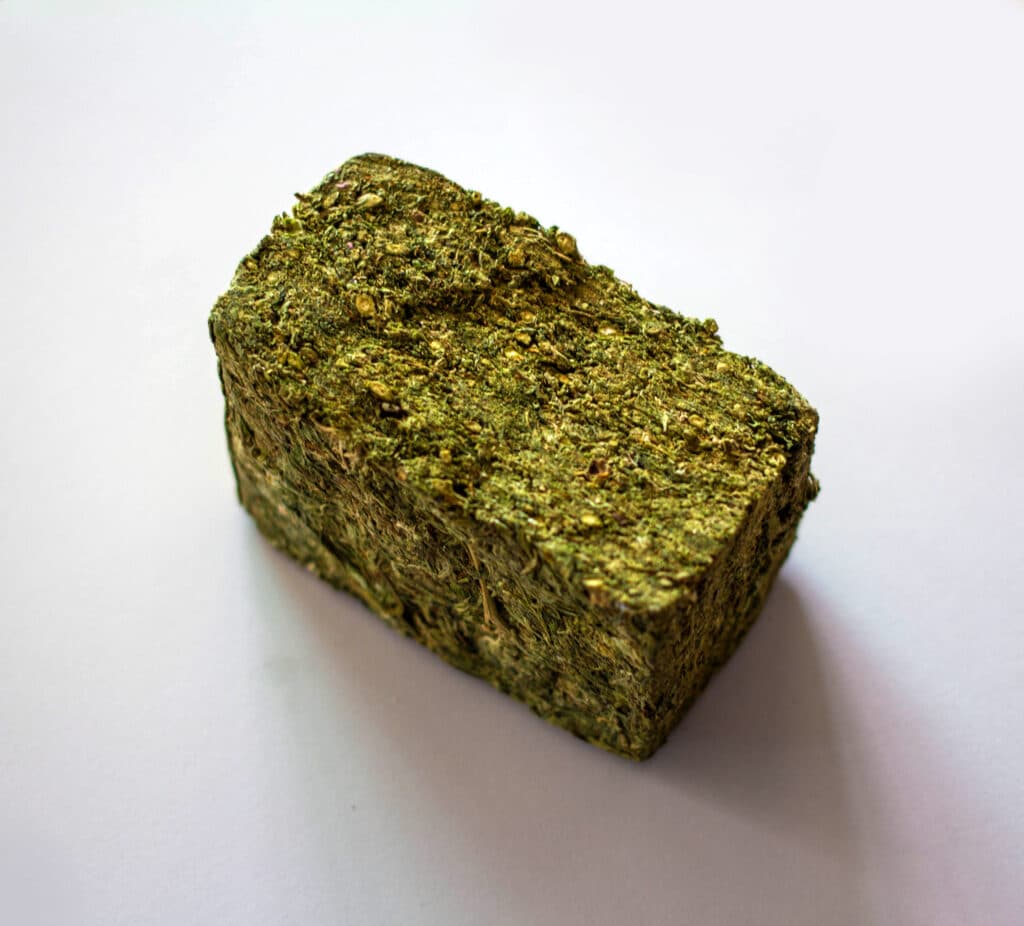
Brick weed definition: Brick weed, also called compressed cannabis, is a low-quality form of cannabis tightly packed into dense bricks. Historically, it was transported from Mexico, South America, and Asia to reduce volume and facilitate smuggling. This process often results in a loss of flavor due to diminished terpenes, but it can still maintain THC potency, providing a potent yet harsh experience.
Brick weed, a relic of cannabis history, is known for its dense, compressed form. Unlike today’s premium strains, it lacks the rich terpene profile that defines modern cannabis flavors. However, its THC content can remain surprisingly potent, offering an intense but rough smoke. Understanding its legacy provides insight into cannabis’s evolution.
Recommended Strains

Afghan Autoflower

|
THC | 15% - 17% (Medium) |

|
Type | Autoflowering |

|
Yield | Medium |

|
Phenotype | 90% Indica / 10% Sativa |
Afghan Kush
|
|
THC | 16% - 21% (Medium) |
|
|
Type | Feminized |
|
|
Yield | High |
|
|
Phenotype | 90% Indica / 10% Sativa |
What is Brick Weed?
The History of Brick Weed
Brick weed emerged as a necessity during the prohibition era, primarily for smuggling purposes. By compressing cannabis into bricks, traffickers could transport it more discreetly and in larger quantities. This method was prevalent in regions like Mexico and South America, where cannabis was grown outdoors and then compressed for export.
The process involved using hydraulic presses to apply immense pressure, turning fluffy buds into compact blocks. This method not only reduced the size but also made it easier to conceal during transport. However, the trade-off was significant, as the compression destroyed much of the plant’s aromatic terpenes.
Brick Weed Effects
Despite its low-grade reputation, brick weed can still pack a punch in terms of THC content. The compression process doesn’t necessarily degrade cannabinoids, allowing for a potent high. However, the experience is often harsh due to the lack of terpenes, which are responsible for the flavor and aroma of cannabis.
Users often report a dry, grassy taste, akin to smoking dried hay. The effects can be intense, with a rapid onset due to the high THC levels. However, without the balancing effects of terpenes, the high can feel one-dimensional and less enjoyable than that of more refined cannabis products.
Promos & Deals

How to Make Brick Weed
The Compression Process
Creating brick weed involves compressing cannabis flowers under extreme pressure. This is typically done using industrial-grade hydraulic presses capable of exerting thousands of pounds of force. The goal is to remove as much air as possible, resulting in a dense, compact block.
During compression, the natural resins in the plant act as a binding agent, holding the material together. This is similar to vacuum-sealing food, where air is removed, and the contents are compacted. The process can generate heat, further affecting the plant’s delicate compounds.
Practical Considerations
While making brick weed might seem straightforward, it’s not without its challenges. The key is to apply enough pressure to achieve the desired density without completely destroying the plant material. Over-compression can lead to a product that’s too hard to break apart or smoke.
Additionally, maintaining the right moisture content is crucial. Cannabis that’s too dry will crumble, while overly moist cannabis can develop mold during storage. Ideally, the relative humidity should be kept between 55% and 62% to preserve the integrity of the product.
| Feature | Critical Sunset Auto | Strawberry Cough | Durban Poison Fast Version |
|---|---|---|---|
| THC Content | 22-26% | 18-22% | 20-24% |
| Dominant Terpene | Myrcene | Caryophyllene | Terpinolene |
| Flavor Profile | Citrus, Earthy | Sweet, Strawberry | Spicy, Pine |
| Effect | Relaxing | Uplifting | Energizing |
| Yield | 1.5-1.8 oz/ft² (450-550 g/m²) | 1.2-1.5 oz/ft² (350-450 g/m²) | 1.8-2.2 oz/ft² (500-600 g/m²) |
Is Brick Weed Good?
Quality Considerations
Brick weed is often considered inferior due to its harsh taste and lack of aroma. The compression process destroys the terpenes, which are crucial for flavor. However, its THC content can still provide a potent high, making it a viable option for those seeking affordability over quality.
The lack of terpenes means the entourage effect is diminished, leading to a less nuanced experience. For connoisseurs, the absence of flavor and aroma is a significant drawback, but for others, the cost-effectiveness might outweigh these concerns.
Brick Weed Effects
The effects of brick weed are primarily determined by its THC content. Users can expect a strong, immediate high, but the experience may be less enjoyable due to the absence of terpenes. This can lead to a more one-dimensional effect, lacking the complexity found in higher-quality cannabis.
While it may not be the first choice for seasoned users, brick weed can be a practical option for those on a budget or in areas where cannabis is less accessible. Its potency is often underestimated, so caution is advised for novice users.
African Brick Weed
Unique Characteristics
African brick weed is known for its distinct characteristics, often featuring a higher THC content compared to other regions. This is due to the robust strains grown in Africa’s diverse climates. The compression process remains the same, but the starting material can vary significantly.
These strains often have unique terpene profiles before compression, contributing to a different flavor and effect profile even after being turned into brick weed. However, like all brick weed, much of the aroma and flavor is lost during compression.
Market and Availability
African brick weed is primarily found in regions where cannabis cultivation is widespread but not yet legalized. It is often exported to neighboring countries where demand for affordable cannabis is high. The market for African brick weed is largely driven by its potency and price point.
Despite its availability, the quality can vary greatly, making it essential for consumers to be cautious about sourcing. As legalization progresses, the demand for higher-quality cannabis may reduce its prevalence in the market.
How to Compress Weed
Equipment and Techniques
Compressing weed into bricks requires specific equipment, such as hydraulic presses, which can exert the necessary pressure to form dense blocks. The process involves placing the cannabis into molds and applying pressure until the desired density is achieved.
It’s crucial to monitor the pressure and temperature during compression to avoid damaging the cannabinoids. Too much heat can degrade THC, while insufficient pressure can result in a loose, ineffective brick.
Best Practices
For optimal results, ensure the cannabis is properly dried before compression. This reduces the risk of mold and ensures a cleaner burn when smoked. The ideal moisture content should be between 10% and 12%.
Using a calibrated press is essential to achieve consistent results. Over-compression can make the brick too dense, while under-compression can lead to a crumbly product. Proper technique and equipment maintenance are key to producing quality brick weed.
Professional Tips for Handling Brick Weed
- Store brick weed at 58-62% RH to prevent mold and preserve potency. Use airtight containers to maintain optimal conditions.
- Break apart brick weed gently to avoid losing valuable trichomes. A sharp knife or scissors can help achieve a clean cut.
- Rehydrate dry brick weed by placing it with a damp paper towel in a sealed container for 24 hours. Avoid over-hydration to prevent mold.
- Use a grinder to achieve a consistent texture for smoking. This ensures an even burn and maximizes the effects.
- Test the THC potency before use, especially if you’re new to brick weed. Start with a small amount to gauge its effects.
- Avoid storing brick weed in direct sunlight or high temperatures, which can degrade THC and terpenes over time.
Frequently Asked Questions
Can you still buy brick weed?
Yes, brick weed is still available in some regions, particularly where cannabis is less regulated. It’s often found in markets prioritizing affordability over quality. However, its prevalence is decreasing as legalization spreads, offering consumers access to higher-quality cannabis products.
Is brick weed bad?
Brick weed is often considered inferior due to its harsh taste and lack of aroma. The compression process destroys terpenes, impacting flavor. However, it can still be potent in terms of THC content, making it a viable option for those seeking affordability over quality.
What is a brick weed?
Brick weed refers to cannabis that’s been compressed into dense blocks for easier transport. This method was historically used to smuggle cannabis across borders. While it lacks flavor due to lost terpenes, it can retain THC potency, offering a potent but harsh experience.
What is slang for 3.5 grams?
The slang term for 3.5 grams of cannabis is “eighth,” referring to an eighth of an ounce. This is a common measurement used by consumers and dispensaries, providing a convenient way to purchase smaller amounts of cannabis.
How to store brick weed?
Store brick weed in an airtight container at 58-62% relative humidity to maintain potency and prevent mold. Keep it in a cool, dark place away from direct sunlight. Proper storage ensures the cannabis remains effective and safe for consumption over time.