Proven Differences in Brix Levels Between Autoflower & Photoperiod Strains

When diving into the world of cannabis cultivation, one intriguing aspect that often emerges is the differences in brix levels between autoflower and photoperiod strains. Brix levels, a measure of sugar content, play a crucial role in the health and flavor profile of cannabis plants. For both novice and seasoned growers, knowing these differences can help optimize cultivation practices.
Brix levels are measured using a refractometer. This tool provides a quick snapshot of the plant’s overall health by indicating its sugar content. Higher brix levels generally suggest a healthier plant with better pest resistance and richer flavors. So, how do brix levels differ between autoflower and photoperiod strains?
Recommended Strains
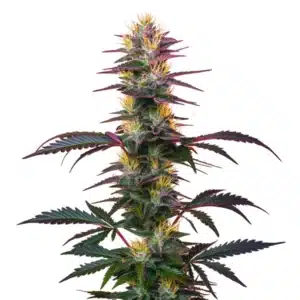
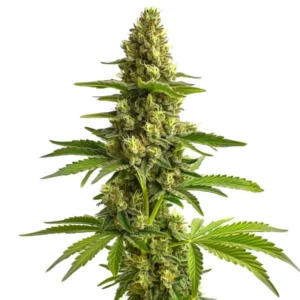
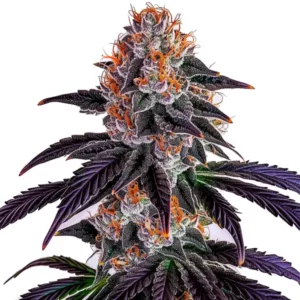
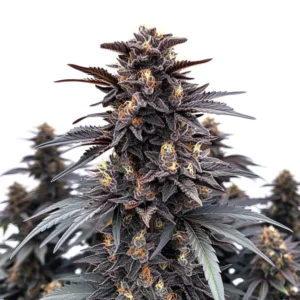
BlackBerry Auto

|
THC | 17% - 19% (Medium) |

|
Type | Autoflowering |

|
Yield | Medium |

|
Phenotype | 70% Indica / 30% Sativa |
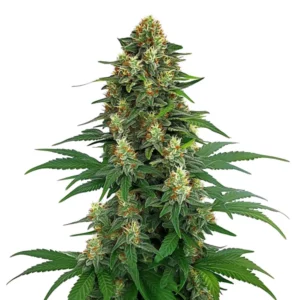
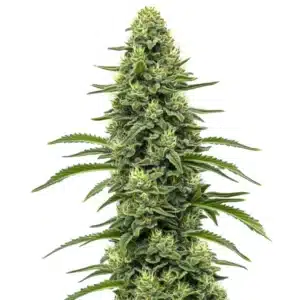
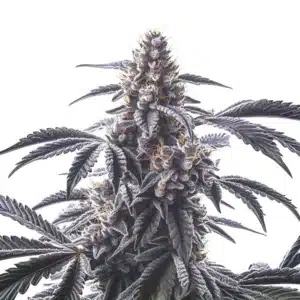
Tangie
|
|
THC | 19% - 22% (Medium) |
|
|
Type | Feminized |
|
|
Yield | High |
|
|
Phenotype | 30% Indica / 70% Sativa |
Autoflower strains, like those from Blimburn Seeds, are known for their rapid life cycle, transitioning from seed to harvest in just a few weeks. This fast pace impacts their brix levels, often resulting in different readings compared to their photoperiod counterparts. Photoperiod strains, on the other hand, rely on light cycles to flower, allowing for potentially more extended sugar accumulation and thus different brix levels.
Factors Influencing Brix Levels in Autoflower Strains
Autoflower strains, such as the Blackberry Auto from Blimburn Seeds, have specific growth characteristics that influence their brix levels. Their rapid growth cycle means that they spend less time photosynthesizing, which can affect their sugar production. However, this doesn’t necessarily mean lower brix levels. It often means their sugar content varies differently compared to photoperiod strains.
Environmental conditions play a significant role in brix levels too. Autoflowering plants thrive in consistent environments. If conditions fluctuate, the brix levels might not reach their full potential. Thus, maintaining stable temperature, humidity, and nutrient supply is essential for achieving optimal brix content in autoflowers.
The speed at which autoflower strains grow can also impact how growers manage their cultivation processes. The quick lifecycle requires precise timing and monitoring to ensure that brix levels are maximized during the short vegetative and flowering stages. This makes the knowing of autoflower cannabis brix level differences critical for optimizing yields and quality.
Additionally, the genetic lineage of autoflower strains influences their brix content variance in cannabis types. Some strains are bred specifically for higher sugar production, which can lead to impressive brix levels even within a condensed growing period. Selecting the right genetics from reputable sources like Blimburn Seeds is key to achieving desired outcomes.
Promos & Deals


Photoperiod Strains and Their Brix Levels
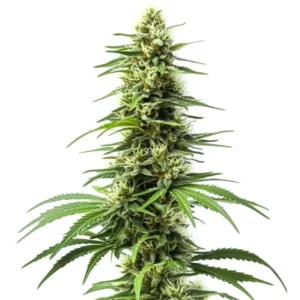
Photoperiod strains, like the classic Bruce Banner 3 from Blimburn Seeds, offer a different story. These plants spend more time in the vegetative stage, allowing more time for sugar accumulation, leading to potentially higher brix levels. This longer growth period can translate into richer flavors and more robust plant health.
Light cycles are crucial for photoperiod strains, impacting their brix levels significantly. By controlling the amount of light they receive, growers can manipulate the plant’s growth and sugar production. This control can lead to varying brix levels depending on the light cycle applied, offering growers flexibility in cultivation.
Photoperiod strains brix analysis reveals that the extended time under controlled light conditions allows for gradual and balanced sugar development. This often results in a more complex flavor profile and a robust cannabinoid spectrum, which is highly desirable for connoisseurs and medicinal users alike.
Moreover, the ability to manipulate the light and dark cycles in photoperiod strains provides growers with an opportunity to experiment with different cultivation techniques. This adaptability can lead to innovative methods for enhancing brix levels, making photoperiod strains a favorite among growers focused on quality and precision.
Measuring Brix Levels in Cannabis Strains
Using a refractometer to measure brix levels is a straightforward process. This tool helps growers assess the sugar content in the plant’s sap. For both autoflower and photoperiod strains, regularly monitoring brix levels can provide insights into the plant’s health and guide cultivation decisions.
For instance, if you notice a dip in brix levels, it might indicate stress factors such as nutrient deficiencies or pest infestations. Addressing these issues promptly can help improve the plant’s health and brix levels over time. This proactive approach is particularly beneficial for autoflower strains due to their quick lifecycle.
Measuring brix levels in cannabis strains is not only essential for detecting plant health but also serves as a benchmark for evaluating the effectiveness of different cultivation techniques. Consistent monitoring can lead to optimized nutrient management and environmental controls, ultimately enhancing the plant’s final product quality.
Additionally, knowing the nuances of brix measurement allows growers to fine-tune their approaches based on the specific needs of their chosen strains. Whether working with autoflowers or photoperiods, developing a comprehensive brix management strategy can significantly impact the success of the harvest.
Brix Level Comparison: Autoflower vs Photoperiod
When comparing brix levels between autoflower and photoperiod strains, distinct patterns emerge. Autoflower cannabis brix level differences stem from their rapid growth and shorter lifespan. While they may not match the peak brix levels of photoperiod strains, their quick turnover offers other benefits, such as faster harvest cycles.
Photoperiod strains, with their extended growth phases, often achieve higher brix levels. This translates into more flavorful buds with potentially higher cannabinoid content. Growers seeking to maximize the quality of their product might prefer photoperiod strains like the Tangie from Blimburn Seeds for their potential to develop richer brix levels.
The brix level comparison autoflower vs photoperiod highlights the unique advantages each type offers. While photoperiod strains may excel in sugar content and flavor complexity, autoflowers provide unmatched convenience and speed, making them ideal for growers with time constraints or less controlled environments.
Ultimately, the choice between autoflower and photoperiod strains depends on individual growing goals and conditions. For those prioritizing brix content and overall quality, photoperiods might be preferable. In contrast, growers seeking efficiency and simplicity might lean towards autoflowers, leveraging their unique characteristics to achieve satisfactory results.
FAQs about differences in brix levels between autoflower and photoperiod strains
What are the main differences in brix levels between autoflower and photoperiod strains?
The main differences in brix levels between autoflower and photoperiod strains lie in their growth cycles and environmental sensitivities. Autoflower strains, due to their rapid growth, might not reach as high brix levels as photoperiod strains, which have more time to accumulate sugars. However, autoflowers still offer the advantage of quicker harvests.
Photoperiod strains benefit from longer vegetative phases, allowing them to develop richer flavors and aromas due to higher brix levels. This extended growing period provides more opportunities to fine-tune growing conditions, resulting in potentially superior quality buds.
Exploring the differences in brix levels between autoflower and photoperiod strains provides valuable insights for growers aiming to optimize their cultivation strategies. By knowing the inherent characteristics of each type, cultivators can make informed decisions that align with their specific production goals.
Additionally, the choice between these two cannabis types can impact post-harvest processing and product development. Recognizing the brix content variance in cannabis types allows for better planning and execution of curing and extraction processes, ultimately enhancing the final product’s quality.
How do environmental factors affect brix levels in cannabis?
Environmental factors significantly impact brix levels in cannabis plants. Temperature, humidity, and light are crucial elements that influence the plant’s ability to photosynthesize and produce sugars. Consistent conditions can lead to optimal brix levels, enhancing the plant’s health and overall quality.
For autoflower strains, maintaining stable environments is crucial due to their shorter life cycles. Photoperiod strains, on the other hand, can benefit from more controlled variations in light and temperature, allowing growers to experiment and optimize for higher brix levels over time.
Knowing the function of environmental factors in brix level development is essential for tailoring cultivation practices to specific cannabis strains. By monitoring and adjusting these variables, growers can achieve desired outcomes in terms of plant vigor, taste, and potency.
Further, sophisticated environmental controls can aid in mitigating stressors that might otherwise hinder brix accumulation. This attention to detail ensures that both autoflower and photoperiod strains reach their full potential, resulting in healthier plants and more rewarding harvests.
Why is measuring brix levels important for cannabis growers?
Measuring brix levels is important because it provides insights into the plant’s health and potential yield quality. High brix levels typically indicate a healthy plant with robust flavors and aromas. For growers, monitoring these levels helps in making informed decisions about nutrient and environmental adjustments.
Regular brix level measurement can alert growers to potential issues, such as nutrient deficiencies or environmental stressors, allowing for timely interventions. This proactive approach can lead to healthier plants and more successful harvests, regardless of whether you’re growing autoflower or photoperiod strains.
Incorporating brix level monitoring into a comprehensive cultivation plan enables growers to track progress and make data-driven decisions. This approach fosters a deeper knowing of how different factors influence plant development and can lead to more efficient and productive growing practices.
Moreover, sharing brix data and experiences within the growing community can contribute to collective knowledge and innovation. By learning from others’ successes and challenges, growers can continually refine their techniques and adapt to new advancements in cannabis cultivation.
Can autoflower strains achieve comparable brix levels to photoperiod strains?
While autoflower strains generally have lower peak brix levels compared to photoperiod strains, they can still produce high-quality plants. The key is in optimizing growing conditions to maximize their potential. Autoflowers, like the GG4 Auto from Blimburn Seeds, can exhibit impressive brix levels when grown under ideal conditions.
It’s important to note that autoflowers offer unique benefits, such as faster harvests and ease of growth, that may outweigh the slight differences in brix levels for some growers. Choosing the right strain for your goals and environment can ensure a successful grow.
By focusing on environmental stability and nutrient precision, autoflower strains can achieve brix levels that rival their photoperiod counterparts. Although the genetics and lifecycle are different, attention to detail in cultivation can lead to remarkable results.
Ultimately, the pursuit of comparable brix levels in autoflowers requires a commitment to excellence in cultivation practices. With the right approach, growers can enjoy the benefits of both convenience and quality, making autoflowers a viable option for achieving high brix content.
Which cannabis strains from Blimburn Seeds are known for their high brix levels?
Several cannabis strains from Blimburn Seeds are renowned for achieving high brix levels. The Bruce Banner photoperiod strain is popular for its robust growth and rich flavor profile, thanks to its ability to accumulate sugars effectively over a longer growing period.
For those interested in autoflower strains, the Blackberry Auto is notable for its ability to develop a respectable brix level despite its rapid growth cycle. Another great option is the Tangie photoperiod strain, known for its citrusy aroma and potential for high brix levels when cultivated under optimal conditions.
Exploring the selection from Blimburn Seeds offers growers a wide array of choices for achieving desired brix levels. Whether opting for the intense flavors of Bruce Banner or the quick turnaround of Blackberry Auto, the potential for high-quality harvests is evident.
Furthermore, new and innovative strains continue to emerge from Blimburn Seeds, providing opportunities for growers to experiment with different genetics and cultivation techniques. This ongoing development ensures that growers have access to strains capable of meeting diverse goals and preferences.