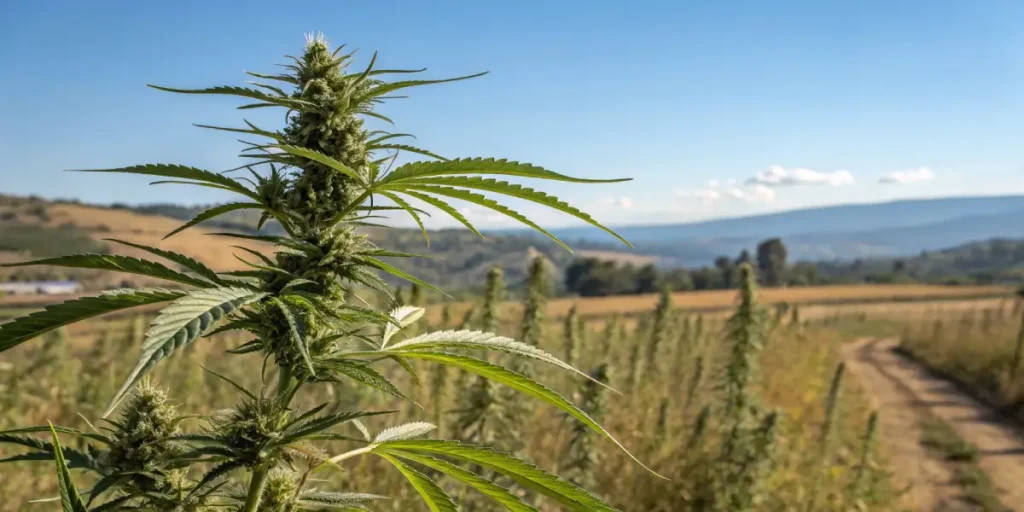
Proven: Can Hemp Clean Soil and Still Be Used for CBD?

Hemp is often hailed as a miracle crop due to its versatility. With its ability to clean contaminated soil, many wonder if it can still be used for CBD production afterward. This question has become particularly important for both first-time cannabis seed buyers and seasoned growers. Using hemp for soil detoxification and CBD extraction seems promising, but how effective is it really?
Hemp bioremediation benefits and CBD production go hand in hand. Hemp plants can absorb heavy metals and toxins from the soil through a process known as phytoremediation. But can hemp clean soil and still be used for CBD without compromising quality? Let’s dive into the science and see what possibilities exist for growers.
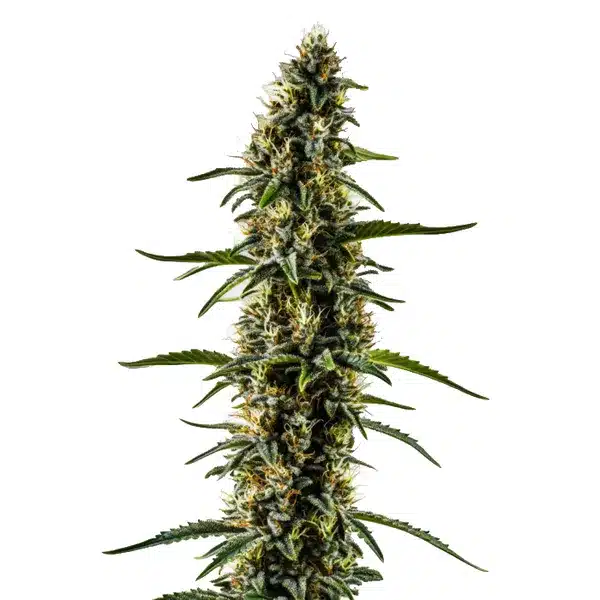
Recommended Strains

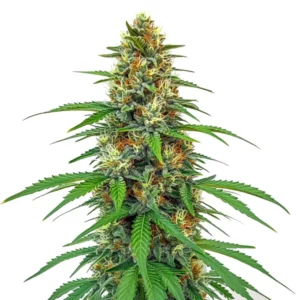
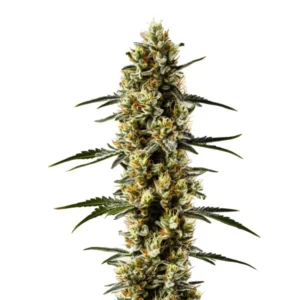
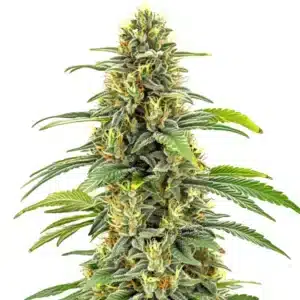
CBD Harlequin (1:25)

|
CBD | 20% – 25% (High) |

|
Type | CBD Feminized |

|
Yield | High |

|
Phenotype | 55% Indica / 45% Sativa |
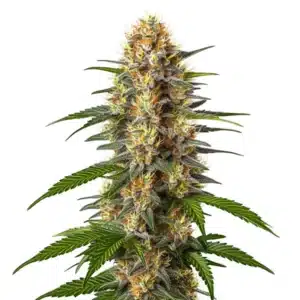
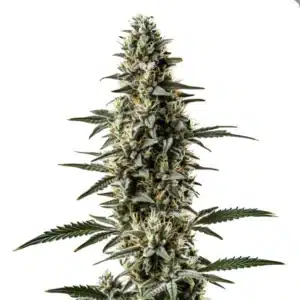
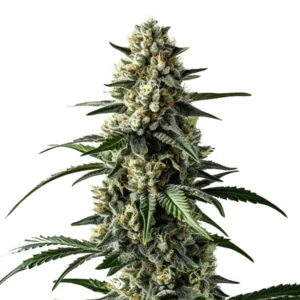
CBD Kush (1:1)
|
|
CBD | 8% (Low) |
|
|
Type | CBD Feminized |
|
|
Yield | Medium |
|
|
Phenotype | 20% Indica / 80% Sativa |
The potential of hemp soil remediation CBD potential is significant. Not only does hemp offer a sustainable way to improve soil health, but it also presents a viable option for extracting high-quality CBD. However, this dual purpose raises questions about the plant’s efficiency in both areas. Can hemp clean contaminated soil and produce CBD with efficacy? We’ll explore this topic in detail.
Hemp’s Role in Soil Remediation
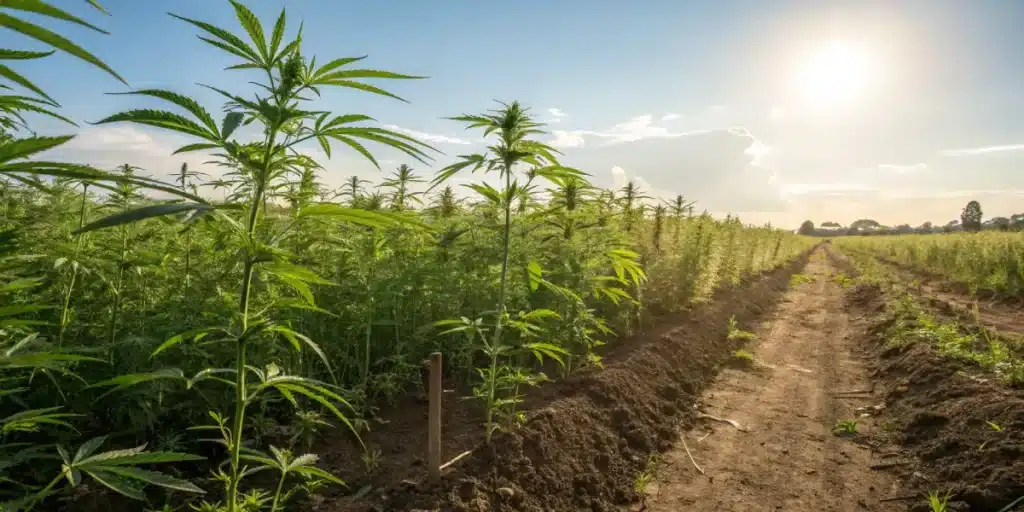
Hemp is a powerful plant with the ability to absorb toxins and heavy metals from the soil. This is a natural process called phytoremediation, where plants like hemp clean the environment by absorbing harmful substances through their roots. This is where hemp soil cleaning effectiveness and CBD viability come into play.
Hemp’s extensive root system makes it an ideal candidate for soil remediation. By drawing out contaminants, hemp not only cleans the soil but also prepares it for future agricultural use. This practice has been especially beneficial in areas with industrial pollution. But what does this mean for CBD production?
Recent studies have shown that hemp’s ability to remediate soil does not significantly impede its capacity to produce viable CBD. This means that growers can benefit from the dual-purpose nature of hemp, utilizing it for environmental clean-up while also reaping the rewards of CBD extraction. This unique capability underscores the potential of hemp soil remediation CBD potential in sustainable agriculture.
Moreover, the rapid growth cycle of hemp ensures that it can be planted and harvested multiple times a year, providing continuous soil cleaning benefits along with steady CBD production. This continual cycle of planting and harvesting maximizes both the environmental and economic advantages of using hemp for soil detoxification and CBD extraction.
Promos & Deals
Can Hemp Be Used for CBD After Clean-Up?
While hemp is effective in cleaning soil, the contaminants absorbed can impact the plant’s ability to produce viable CBD. However, research has shown that CBD can still be extracted from these plants, though with careful processing. The question of can hemp clean soil and still be used for CBD hinges on how the plant is handled post-harvest.
Advanced extraction methods help in separating contaminants from the valuable CBD oil. For instance, using CO2 extraction ensures that the final product is pure and free from toxins. This means even if hemp is used in detoxifying soil, it can still yield high-quality CBD.
The quality of CBD extracted from hemp used in soil remediation largely depends on the techniques employed during the extraction process. Techniques such as CO2 extraction are favored for their ability to deliver a pure, uncontaminated product, preserving both the efficacy and safety of the CBD. This highlights the importance of investing in quality extraction facilities to fully realize the potential of hemp bioremediation benefits and CBD production.
Furthermore, growers are advised to work closely with extraction experts to ensure that the hemp’s therapeutic properties are maintained. This collaboration is key in confirming that the CBD extracted is not only safe but also potent, effectively demonstrating that hemp can clean contaminated soil and produce CBD successfully.
Real-Life Examples of Hemp Bioremediation
In Italy, hemp has been used to clean up contaminated land near the famous Chernobyl site. The success of these projects has inspired growers worldwide to consider hemp’s potential for soil remediation. This showcases how using hemp for soil detoxification and CBD extraction can be practical and effective.
In the United States, farmers have started using hemp to revitalize soil previously deemed unusable due to chemical spills. These efforts not only help in soil recovery but also provide an additional crop for CBD production. This dual benefit is why many are optimistic about hemp’s future in agriculture.
Another compelling example can be found in China, where hemp has been deployed to rehabilitate land contaminated by heavy metals from industrial activities. The success witnessed in these regions underscores hemp’s role as a versatile and valuable crop for environmental restoration. It also reinforces the belief that hemp bioremediation benefits and CBD production can coexist harmoniously.
Additionally, dedicated research programs are being launched globally to explore and expand the applications of hemp in various environmental contexts. These initiatives not only aim to enhance knowing of hemp soil cleaning effectiveness and CBD viability, but also to promote awareness about the broader implications of using hemp as a dual-purpose crop.
Factors Affecting CBD Quality Post-Remediation
While hemp’s ability to clean soil is impressive, several factors affect the quality of CBD extracted afterward. Soil type, contaminant levels, and the specific hemp strain all play a role. It’s crucial for growers to choose the right strain for both soil cleaning and CBD production.
For instance, Blimburn Seeds Harlequin CBD is known for its robust growth and high CBD yield even in less-than-ideal soil conditions. This makes it a suitable choice for growers interested in both remediation and CBD extraction.
Another critical factor is the timing of harvesting. Harvesting hemp at the optimal time ensures that the plant’s natural phytochemicals are at their peak, which is crucial for maintaining the quality of CBD. Growers must be vigilant in monitoring growth stages to capitalize on the hemp soil remediation CBD potential.
Moreover, environmental conditions such as climate and weather patterns can influence the plant’s growth and CBD potency. Knowing these variables allows growers to make informed decisions, ensuring that hemp can clean contaminated soil and produce CBD efficiently and effectively.
FAQs about can hemp clean soil and still be used for CBD
Is hemp really effective in cleaning contaminated soil?
Yes, hemp is quite effective in cleaning contaminated soil through phytoremediation. Its deep root system absorbs heavy metals and toxins, making it a sustainable choice for soil detoxification. This has been proven in various studies and real-life applications, such as in industrial and polluted sites.
However, the effectiveness can vary depending on soil conditions and the specific contaminants present. Growers should conduct soil tests to determine the best approach and select appropriate hemp strains, like those from Blimburn Seeds, to ensure optimal results.
Hemp’s adaptability to different soil types further enhances its remediation capabilities. This characteristic allows it to be used in diverse environments, broadening its application in global soil recovery efforts. As more studies emerge, the confidence in hemp’s environmental contributions continues to grow.
Additionally, hemp’s potential for reducing soil toxicity levels over time makes it an asset for long-term soil restoration projects. Its ability to address both immediate and lingering soil contamination issues solidifies its role in sustainable agricultural practices.
Can the CBD from hemp used in soil remediation be safe for use?
Yes, CBD extracted from hemp used in soil remediation can be safe if proper extraction methods are used. Techniques like CO2 extraction can separate contaminants from the CBD oil, ensuring a pure and safe product. This process is crucial in maintaining the quality and safety of CBD.
It’s important for growers to work with experienced extraction facilities that understand the nuances of processing hemp used in bioremediation. This ensures the end product meets safety standards while still providing the benefits of CBD.
These facilities implement rigorous testing protocols to guarantee that the CBD oil is free from harmful residues. By adhering to strict guidelines, the CBD produced from hemp can be confidently marketed to consumers, reinforcing the notion that using hemp for soil detoxification and CBD extraction is both practical and beneficial.
Furthermore, transparency in the supply chain, from cultivation to extraction, plays a vital role in ensuring consumer trust. By providing detailed information on the journey of the product, companies can assure customers of the safety and quality of the CBD derived from remediated hemp.
What strains are best for both soil cleaning and CBD extraction?
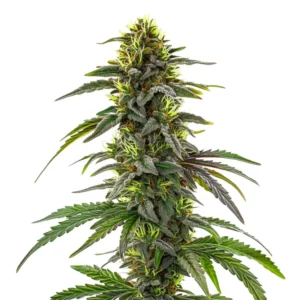
Strains like CBD Harlequin, CBD Kush, and Tangie CBD from Blimburn Seeds are excellent choices for both soil cleaning and CBD extraction. These strains are bred to thrive in various conditions and still produce high-quality CBD.
Growers should consider the specific needs of their soil and the desired CBD yield when selecting strains. Consulting with experts or the seed provider can offer insights into the best choices for their particular situation.
Many of these strains have been specifically developed to maximize hemp soil cleaning effectiveness and CBD viability. Their genetic traits allow them to flourish in compromised environments while still delivering potent CBD yields, making them invaluable tools in sustainable agriculture.
Additionally, ongoing breeding programs continue to refine these strains, enhancing their resilience and productivity. This continuous improvement ensures that growers have access to the best possible resources when attempting to balance soil remediation with CBD production.
How does hemp compare to other plants in soil remediation?
Hemp is often more effective than other plants in soil remediation due to its fast growth and extensive root system. Unlike some other plants, hemp can absorb a wide range of contaminants, including heavy metals and organic pollutants.
Its dual-use for both cleaning soil and producing CBD makes it a unique and valuable crop. This versatility sets hemp apart from other remediation plants, offering a tangible return on investment for growers.
The economic and environmental benefits of hemp make it an attractive choice for farmers seeking sustainable solutions. Its ability to simultaneously address pollution issues and generate revenue from CBD extraction is unmatched by many traditional remediation plants.
Furthermore, the increasing demand for CBD products adds an additional layer of financial incentive for choosing hemp over other crops. This growing market enhances the appeal of using hemp for soil detoxification and CBD extraction, providing a promising future for the crop.
What are the economic benefits of using hemp for soil remediation?
The economic benefits of using hemp for soil remediation include cost savings in soil recovery and the potential revenue from CBD extraction. By cleaning the soil, farmers can restore land to productivity, opening up more agricultural opportunities.
Additionally, the CBD market continues to grow, providing a lucrative outlet for the harvested hemp. This dual benefit makes hemp an attractive option for both environmental and economic reasons.
The revitalization of previously unusable land can significantly increase agricultural output, allowing farmers to expand their production capabilities. This not only boosts local economies but also contributes to global food security by increasing arable land availability.
Moreover, the environmental benefits of hemp contribute to its economic appeal. By reducing ecological damage and enhancing biodiversity, hemp supports sustainable farming practices that can attract government incentives and subsidies, further improving the financial prospects for growers.