Proven Brix Levels in Indoor vs Outdoor Cannabis Cultivation: Expert Guide

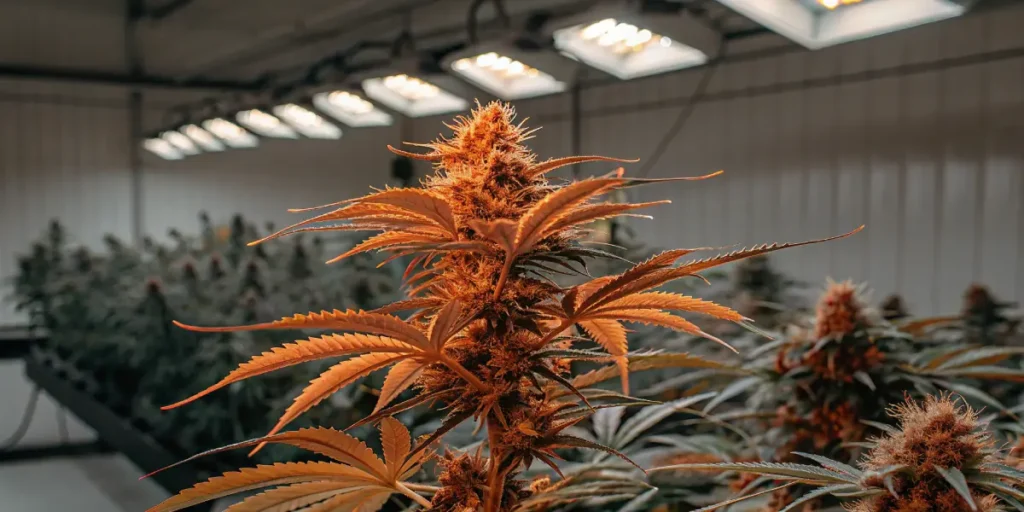
When it comes to achieving optimal brix levels for indoor cannabis cultivation, growers often look for ways to enhance the sugar content in the plant’s sap. Brix levels are a crucial factor in determining the overall health and potency of cannabis plants. Knowing brix levels in indoor vs outdoor cannabis cultivation helps growers evaluate how environmental factors influence sugar production, as higher brix levels are commonly associated with stronger plant health and increased potency in both growing environments.
Indoor growers typically focus on controlled environments to achieve the desired brix levels. This controlled setting allows for precise adjustments in lighting, nutrients, and temperature, which can directly impact the brix levels. On the other hand, outdoor growing relies more on natural conditions, which can sometimes lead to fluctuating brix levels due to weather changes.
Recommended Strains
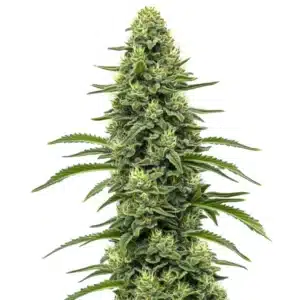
Sour Diesel

|
THC | 22% - 25% (Medium) |

|
Type | Feminized |

|
Yield | High |

|
Phenotype | 30% Indica / 70% Sativa |
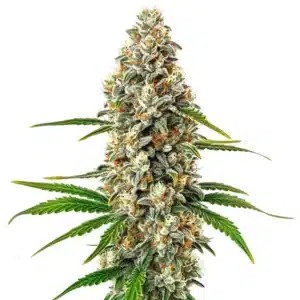
OG Kush
|
|
THC | 20% - 24% (Medium) |
|
|
Type | Feminized |
|
|
Yield | Medium |
|
|
Phenotype | 55% Indica / 45% Sativa |
One strain that performs exceptionally well in both indoor and outdoor settings is the Blue Dream from Blimburn Seeds. Known for its robust growth and resilience, Blue Dream can maintain optimal brix levels, providing growers with a consistent and potent yield.
Optimal Brix Levels for Indoor Cannabis Cultivation
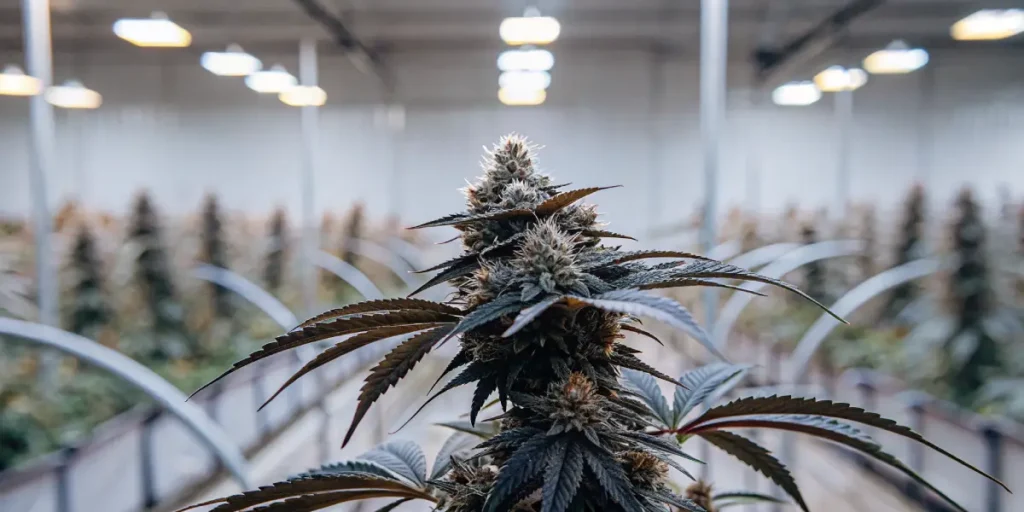
Indoor cannabis cultivation offers the advantage of creating an environment tailored to the needs of the plant. This means growers can optimize brix levels efficiently. The controlled use of grow lights, such as LEDs, allows for a consistent light spectrum, which greatly affects the plant’s ability to produce sugars. Knowing brix levels in indoor vs outdoor cannabis cultivation helps growers fine-tune lighting and environmental conditions to maximize plant health and overall quality.
Using high-quality nutrients and maintaining the right pH levels are also crucial in indoor settings. Nutrient uptake directly influences the plant’s brix levels, making it important to choose the right feeding schedule. Regular monitoring and adjustments ensure that the plants are healthy and reaching their full potential.
The ability to manipulate environmental conditions is a significant advantage of indoor cultivation. Growers can experiment with light cycles and nutrient formulas to discover the optimal combination for their specific strain. This level of control can lead to consistently high brix levels, translating to potent cannabis with robust flavor profiles.
Strains from Blimburn Seeds, such as the popular GG4, have been known to excel in indoor settings, where optimal brix levels can be maintained with precision. This control over growing conditions can lead to the production of cannabis that not only meets but exceeds expectations in terms of both potency and yield.
Promos & Deals

Comparing Brix Levels in Outdoor vs Indoor Cannabis
Outdoor cannabis cultivation relies heavily on natural sunlight, which can vary greatly depending on geographical location and season. This natural light can contribute to higher brix levels if conditions are favorable. However, unexpected weather changes can pose challenges.
In contrast, indoor cultivation allows for a stable environment where brix levels can be consistently optimized. Growers can manipulate light cycles and intensity to maximize sugar production in plants. The Sour Diesel strain from Blimburn Seeds thrives in such controlled environments, offering impressive brix levels and potent yields.
Comparing brix levels in outdoor vs indoor cannabis cultivation reveals distinct advantages and challenges for each method. While outdoor growing benefits from the rich spectrum of natural sunlight, it also exposes plants to unpredictable environmental changes that can affect sugar production. Indoor environments mitigate these risks by providing consistent conditions.
Growers aiming for high brix levels must weigh the benefits of natural elements against the precision of controlled settings. Certain strains are better suited to outdoor cultivation, where they can harness the full power of the sun, while others, like those from Blimburn Seeds, may achieve peak performance indoors with a tailored approach.
Effects of Light on Brix Levels in Cannabis
Light is a primary driver in photosynthesis, the process by which plants produce sugars. In cannabis cultivation, the quality and intensity of light can significantly influence brix levels. Indoor growers often use full-spectrum LED lights to mimic the sun, providing consistent light that promotes healthy sugar production.
Outdoor growers, on the other hand, depend on natural sunlight. While this can be advantageous, it also means that brix levels can be unpredictable. The natural variability of sunlight, especially in regions with cloudy or short days, can affect the plant’s sugar content.
The effects of light on brix levels in cannabis are profound and multifaceted. Indoor growers can adjust light spectrum and intensity to enhance photosynthesis, leading to higher sugar content and robust plant health. This adaptability is a significant benefit in achieving optimal brix levels for indoor cannabis cultivation.
In outdoor settings, while natural sunlight is a powerful resource, its inconsistency can pose challenges. Growers must strategically select planting locations and times to maximize light exposure. Strains like those from Blimburn Seeds can perform well in both environments, but the approach to light management is crucial for success.
Brix Levels Impact on Cannabis Potency Indoor vs Outdoor
Brix levels have a direct correlation with the potency of cannabis. Higher brix levels often indicate a higher concentration of cannabinoids and terpenes, which contribute to the plant’s overall potency. Indoor environments, with their precise control, can often achieve higher brix levels, leading to more potent cannabis.
Outdoor cannabis, while benefiting from natural elements, can see fluctuations in brix levels due to environmental factors. However, strains that are naturally resilient, like Amnesia Haze from Blimburn Seeds, can still produce high brix levels and substantial potency outdoors.
Knowing brix levels’ impact on cannabis potency indoor vs outdoor is crucial for growers aiming to maximize their yields. Indoor control allows for higher consistency in sugar production, directly influencing the plant’s cannabinoid profile and enhancing potency. This can lead to a more predictable and potent harvest.
Despite potential fluctuations in outdoor environments, strategic cultivation practices can mitigate these effects. Selecting robust strains and optimizing planting conditions can result in desirable brix levels, even outside. The choice of cultivation method should align with the grower’s ability to manage these variables effectively.
Monitoring Brix Levels in Cannabis Growing Environments
Consistent monitoring of brix levels is crucial for both indoor and outdoor cannabis cultivation. Using a refractometer, growers can measure the sugar content in the plant’s sap, providing real-time data to adjust growing conditions as needed.
Indoor growers have the advantage of making quick adjustments to light, temperature, and humidity to maintain optimal brix levels. Regular testing ensures that any deviations are quickly corrected, preserving plant health and yield quality.
Monitoring brix levels in cannabis growing environments is an essential practice for achieving high-quality yields. Regular measurements allow growers to identify trends and make informed decisions about environmental and nutritional adjustments. This proactive approach can lead to healthier, more productive plants.
For outdoor growers, monitoring involves adapting to environmental changes and employing strategies that enhance natural conditions. Strains like OG Kush from Blimburn Seeds have demonstrated resilience in outdoor environments, achieving impressive brix levels when monitored and managed effectively.
FAQs about brix levels in indoor vs outdoor cannabis cultivation
What are brix levels in cannabis cultivation?
Brix levels measure the sugar content in the plant’s sap. Higher brix levels typically indicate healthier plants with better nutrient uptake. In cannabis cultivation, monitoring brix levels helps growers optimize the plant’s growth and potency.
Both indoor and outdoor growers use refractometers to measure these levels. A consistent brix level suggests that the plant is efficiently photosynthesizing, which is crucial for producing potent and flavorful cannabis.
Knowing what brix levels in cannabis cultivation entail is key to optimizing plant health. These measurements provide insight into the plant’s metabolic processes, offering a window into its overall condition and potential yield quality. Regular monitoring helps ensure optimal growth conditions.
For those new to cannabis cultivation, learning to measure and interpret brix levels can be a valuable skill. It highlights areas of improvement in growing techniques and contributes to the production of superior cannabis products, whether grown indoors or outdoors.
How do brix levels affect cannabis potency?
Higher brix levels are often associated with increased potency in cannabis plants. This is because the sugars measured by brix levels are a byproduct of photosynthesis, which also produces cannabinoids and terpenes.
Indoor growers can maintain higher brix levels due to controlled environments, often leading to more potent yields. However, resilient strains can achieve similar potency levels outdoors when conditions are favorable.
The relationship between brix levels and cannabis potency is directly tied to the plant’s ability to produce and store sugars. As brix levels increase, so does the concentration of active compounds that contribute to the plant’s desired effects, creating a richer and more potent product.
By focusing on maintaining high brix levels, growers can enhance the quality of their cannabis through improved terpene profiles and cannabinoid content. This approach ensures that both indoor and outdoor cultivators can achieve a product that meets high standards of potency and flavor.
Can brix levels vary between different strains?
Yes, brix levels can vary greatly between different cannabis strains. Some strains naturally produce higher sugar levels, while others may require more specific growing conditions to achieve optimal brix levels.
Choosing the right strain is crucial. For instance, strains like Northern Lights from Blimburn Seeds are known for their adaptability and consistent brix levels, making them a favorite among growers.
Variations in brix levels between different strains highlight the importance of strain selection in cultivation. Each strain has unique requirements and capabilities, which can significantly impact its ability to produce sugars and, consequently, its overall health and yield.
Knowing these variations allows growers to tailor their cultivation practices to the specific needs of each strain. By selecting strains known for their high brix potential, such as those from Blimburn Seeds, cultivators can maximize both the quality and quantity of their harvests.
What tools are needed to measure brix levels?
A refractometer is the primary tool used to measure brix levels in cannabis plants. It provides a quick and accurate reading of the sugar content in the plant’s sap.
Using a refractometer is straightforward. Simply extract a small amount of sap from the plant, place it on the device’s glass surface, and look through the lens to get the brix reading. This simple process helps growers monitor plant health effectively.
To accurately measure brix levels, a refractometer is indispensable. This tool allows growers to obtain immediate feedback on the plant’s sugar content, enabling timely adjustments to cultivation practices and ensuring optimal growth conditions.
Investing in a quality refractometer can greatly enhance a grower’s ability to maintain high brix levels. By providing reliable data on plant health, this tool is an essential component of any successful cannabis cultivation operation, both indoors and outdoors.
Why is it important to monitor brix levels regularly?
Regular monitoring of brix levels allows growers to ensure their plants are healthy and producing high-quality cannabis. It helps in identifying any nutritional deficiencies or environmental stressors early on.
By keeping a close eye on brix levels, growers can make timely adjustments to their cultivation practices, whether it’s tweaking the nutrient mix or adjusting environmental controls, to enhance the plant’s performance and yield.
The importance of regular brix level monitoring cannot be overstated. It acts as a diagnostic tool, revealing insights into plant health and helping identify potential issues before they impact overall yield and quality. This proactive approach is vital for successful cultivation.
For growers striving to achieve the best results, integrating brix level monitoring into their routine can lead to significant improvements in plant health and product quality. It provides a clear path to fine-tuning cultivation techniques, ensuring that both indoor and outdoor operations thrive.