Proven Brix Levels and Pest Resistance in Cannabis: Expert Guide

Brix levels and pest resistance in cannabis are topics that often intrigue both novice and seasoned growers. Brix refers to the sugar content in the plant sap, a crucial indicator for plant health. Higher brix levels generally mean a plant is healthier and more resistant to pests. This guide will delve into how brix levels impact cannabis pest resistance, providing you with expert insights and practical examples.
One might wonder how brix levels affect cannabis pest resistance. Essentially, pests are less attracted to plants with high brix levels because these plants are healthier and have a stronger immune response. Just like humans with a balanced diet and good health are less likely to get sick, cannabis plants with higher brix levels are less likely to be attacked by pests.
Recommended Strains
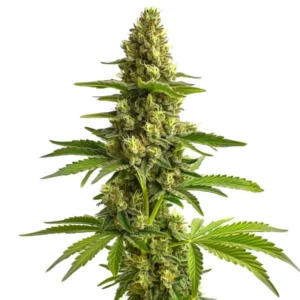
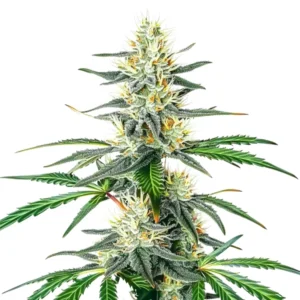
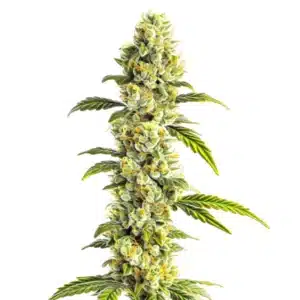
Bruce Banner #3

|
THC | 20% - 29% (High) |

|
Type | Feminized |

|
Yield | Medium |

|
Phenotype | 50% Indica / 50% Sativa |

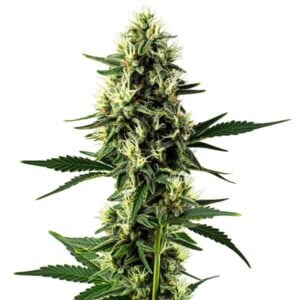
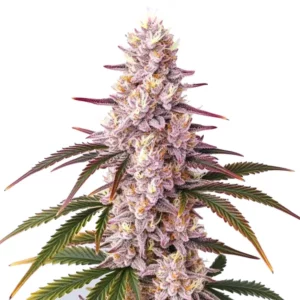
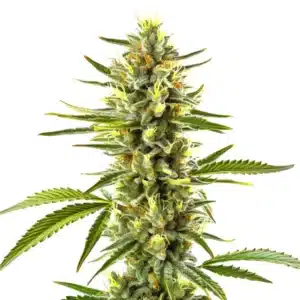
GG4
|
|
THC | 27% (High) |
|
|
Type | Feminized |
|
|
Yield | High |
|
|
Phenotype | 40% Indica / 60% Sativa |
Increasing brix levels for pest control in cannabis is not just a theory but a practical approach that many successful growers use. By focusing on optimizing the plant’s health, you can naturally reduce pest problems. Let’s explore how this works and how you can apply it to your own cannabis cultivation practices.
What are Brix Levels?
Brix levels measure the sugar content in plant sap, named after Adolf Brix. In cannabis, high brix levels indicate healthy plants. Healthy plants have better nutrient uptake and photosynthesis, resulting in vigorous growth and higher resistance to pests. Brix levels can be measured using a refractometer—an inexpensive tool that can give you a quick snapshot of your plant’s health.
For growers, the relationship between brix and pest resistance in cannabis is crucial. A plant with a high brix level is like a well-defended fortress; pests find it less appealing. Regularly testing your cannabis plants for brix levels can help you identify potential health issues before pests become a problem. It’s a proactive approach to cannabis cultivation.
Knowing how brix levels impact cannabis pest resistance can transform your growing strategy. High brix levels signify that the plant’s metabolic processes are optimal, which often results in thicker cell walls and more robust growth. These factors contribute to a natural defense against pests, reducing the need for chemical interventions.
Moreover, the connection between brix levels and plant vitality extends beyond pest resistance. Higher brix levels often correlate with improved flavor and aroma profiles in cannabis, making your product more desirable. This dual benefit underscores the importance of maintaining high brix levels for both pest management and product quality.
Promos & Deals
How to Increase Brix Levels in Cannabis
Raising brix levels involves improving overall plant health through better soil management, nutrient balance, and environmental conditions. Start with the soil. Healthy, living soil full of organic matter and beneficial microbes creates a solid foundation for high brix levels. Compost and organic fertilizers can enrich the soil, providing essential nutrients.
Next, focus on the nutrients. A balanced supply of minerals such as calcium, magnesium, and potassium is vital. These nutrients support photosynthesis and other metabolic processes critical for high brix levels. Monitoring and adjusting nutrient levels based on plant needs can significantly impact brix levels.
Another strategy for increasing brix levels for pest control in cannabis is to ensure your plants are not stressed. Stress can be caused by factors such as irregular watering, poor soil conditions, or inadequate lighting. By addressing these issues, you can promote healthier growth and higher brix levels.
Implementing a consistent and thorough monitoring system can also aid in adjusting your cultivation practices. Keeping detailed records of brix levels over time allows you to observe trends and make informed adjustments to your nutrient and environmental management practices, ensuring optimal brix levels for cannabis pest management.
Environmental Factors and Brix Levels
Environmental conditions play a significant role in optimizing brix levels for cannabis pest management. Light, temperature, and humidity all affect plant health. Providing adequate lighting, maintaining optimal temperatures, and ensuring proper air circulation can enhance photosynthesis, thereby increasing brix levels.
Consider strain selection as well. Some strains naturally produce higher brix levels. For instance, Blimburn Seeds offers strains like Bruce Banner 3 and GG4, known for their robust nature and higher resistance to pests. Selecting these strains can give you a head start in cultivating pest-resistant cannabis.
It’s also important to consider climate control as part of your strategy. High humidity levels can lead to mold and other issues, negatively impacting brix levels and pest resistance. By controlling the humidity, you can help maintain a healthy environment for your cannabis plants and prevent these problems.
Moreover, the use of reflective surfaces can maximize light exposure, further enhancing photosynthesis and boosting brix levels. Simple techniques such as using white walls or reflective materials around your grow area can make a noticeable difference in brix levels and pest resistance in cannabis.
Monitoring and Measuring Brix Levels
Regular monitoring of brix levels is crucial for maintaining pest resistance. Use a refractometer to measure the brix level of your cannabis plants. Simply extract a small amount of sap from a leaf and place it on the refractometer. The device will give you a reading that indicates the sugar level.
Interpreting brix levels can provide insights into your plant’s health. A reading above 12 is generally considered excellent, indicating high pest resistance. If your readings are low, it may be time to adjust your growing practices, whether it’s modifying nutrient inputs or improving environmental conditions.
By keeping a log of your brix level measurements, you can track the health of your plants over time. This data can be invaluable for diagnosing issues early and adjusting your growing techniques accordingly. It also provides a clearer knowing of how brix levels affect cannabis pest resistance.
Advanced growers might consider correlating brix level data with other plant health metrics, such as leaf color and growth rate. This holistic approach can provide a comprehensive picture of plant health, allowing for more precise interventions to maintain high brix levels and pest resistance.

Real-Life Examples and Case Studies
Many growers have seen success by focusing on brix levels and pest resistance in cannabis. For instance, a small-scale grower in Colorado reported a significant reduction in pest issues after switching to organic soil enriched with compost and focusing on regular brix monitoring. This approach not only improved plant health but also increased yields.
Another case involves a commercial grow operation using Blimburn Seeds strains like Tangie, known for high brix potential. By implementing a structured nutrient plan and precise environmental controls, they achieved consistently high brix levels. This led to fewer pest problems and a more robust crop overall.
In another instance, a Canadian cultivator leveraged the relationship between brix and pest resistance in cannabis to enhance their crop quality. By using natural pest deterrents and optimizing soil health, they were able to maintain high brix levels throughout the growing season, achieving impressive yields.
These real-life examples underscore the practical benefits of focusing on brix levels and pest resistance in cannabis. By adopting these techniques, you can not only reduce pest issues but also enhance the quality of your harvest, making your efforts more rewarding and sustainable.
FAQs about brix levels and pest resistance in cannabis
What tools do I need to measure brix levels in cannabis?
To measure brix levels in cannabis, you primarily need a refractometer. This is an affordable and easy-to-use tool that gives you a quick reading of the sugar content in your plant’s sap. You can purchase a refractometer online or at gardening supply stores. Regular use of this tool can help you keep track of your plant’s health and make necessary adjustments to your growing practices.
Additionally, having a small pipette or syringe can help you extract the sap from your cannabis leaves. It’s a simple process and doesn’t require any advanced technical skills. Consistent monitoring and recording of brix levels can greatly assist in knowing how well your plants are doing in terms of health and pest resistance.
For precision, consider using a digital refractometer. These devices can offer more accurate readings and are ideal for those who regularly monitor large batches of plants. Ensuring accurate measurements is key to knowing how brix levels impact cannabis pest resistance.
By investing in these tools, you equip yourself to make informed decisions about your cultivation practices. This proactive approach will help you optimize brix levels for cannabis pest management and achieve better results in your grow operations.
How do I know if my cannabis plants have high brix levels?
After using a refractometer, a brix level reading above 12% is generally considered high, indicating healthy plants with strong pest resistance. These high levels mean your plants are taking up nutrients efficiently and are well-protected against pests naturally. Monitoring these levels can help you fine-tune your cultivation methods for optimal results.
Visual cues can also indicate high brix levels. Plants with shiny, dark green leaves and robust growth patterns typically have higher brix levels. These plants are less prone to pest attacks and show vigorous development. Regular checks can ensure that your plants remain in this optimal state.
Consistent, lush growth and a vibrant green color are often indicators that your plants have high brix levels. These visual signs can supplement your refractometer readings, offering an additional layer of insight into your plant’s health status.
Additionally, healthy plants with high brix levels often have a more intense aroma. This sensory cue can be indicative of strong metabolic activity, which contributes to both pest resistance and the overall quality of your cannabis crop.
Can I increase brix levels without chemical fertilizers?
Yes, you can increase brix levels without resorting to chemical fertilizers. Organic methods such as using compost, organic mulches, and natural mineral supplements can enhance soil health and boost brix levels. Techniques like crop rotation and using cover crops can also contribute to healthier soil, promoting higher brix levels in cannabis.
Incorporating beneficial microbes in your soil is another effective strategy. These microbes help in breaking down organic matter, making nutrients more available to your plants. This natural approach nurtures healthier plants with higher resistance to pests, aligning with sustainable growing practices.
Natural amendments such as kelp, fish emulsion, and rock dust can be used to enrich your soil, supporting the increase of brix levels over time. These organic inputs provide essential nutrients without the risk of chemical build-up or imbalance.
By focusing on natural soil health and plant wellness, you can create an environment where brix levels and pest resistance in cannabis thrive. This method not only benefits your plants but also contributes to a healthier ecosystem overall.
Which Blimburn Seeds strains are best for high brix levels and pest resistance?
Blimburn Seeds offers several strains known for high brix levels and strong pest resistance. Permanent Marker is one such strain, renowned for its resilience and robust growth. It can be a great choice for growers looking to optimize brix levels naturally. Another excellent option is Future 1, known for its sticky resin and strong pest resistance.
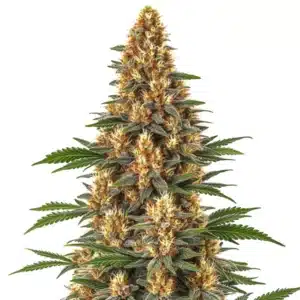
For those aiming for both high brix levels and aromatic profiles, Tangie is a fantastic choice. This strain combines high sugar content with rich citrus flavors, making it both pest-resistant and a consumer favorite. Selecting these strains can give you a head start in achieving a healthy, pest-resistant cannabis crop.
Other notable strains from Blimburn Seeds include Gelato and Permanent Marker, each offering unique profiles that can help you achieve optimal brix levels for cannabis pest management. These strains are bred for quality and resilience, ensuring a strong defense against pests.
Choosing the right strain is a fundamental step in managing brix levels and pest resistance in cannabis. By selecting strains with inherent strength and resilience, you set the stage for a successful and rewarding cultivation experience.
What mistakes should I avoid when trying to increase brix levels?
A common mistake is over-fertilization, which can lead to nutrient imbalances and lower brix levels. It’s essential to provide balanced nutrition tailored to your plant’s specific needs. Using too much fertilizer can stress plants, leading to reduced brix levels and increased vulnerability to pests.
Another pitfall is neglecting environmental controls. Factors like inadequate lighting, poor air circulation, and incorrect watering practices can negatively impact brix levels. Ensuring optimal environmental conditions is crucial for maintaining high brix levels and reducing pest issues. Regular monitoring and adjustments are key to success.
Failure to regularly monitor brix levels can lead to missed opportunities for intervention. By consistently tracking these levels, you can make timely adjustments that prevent more significant issues from arising, ensuring the ongoing health of your plants.
Additionally, ignoring the quality of your water source can also be detrimental. High levels of salts or contaminants can interfere with nutrient uptake and brix levels. Ensuring clean, balanced water is an often-overlooked aspect of maintaining optimal brix levels and pest resistance in cannabis.