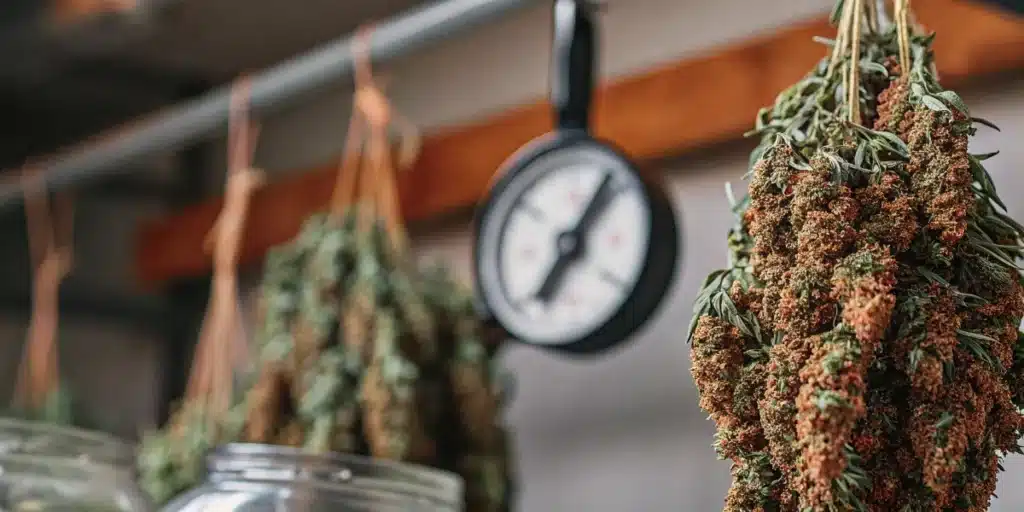
Post-Harvest Checklist for Terpene-Rich Cannabis (AW-Based)

Post-harvest optimization: Ensuring your cannabis retains its rich terpene profile post-harvest is essential for quality. This post-harvest checklist for terpene-rich cannabis (aw-based) offers a detailed guide to maximize terpene retention, from drying techniques to innovative storage solutions. Proper post-harvest practices can enhance terpene levels by up to 30%, ensuring your cannabis remains flavorful and potent.
Maximizing the terpene content in your cannabis involves precise post-harvest practices. From the moment you cut the plant, factors like drying time and curing environment play a crucial role. Learn how to maintain the terpene profile with optimal conditions, ensuring that your cannabis delivers the best aroma and flavor.
Recommended Strains
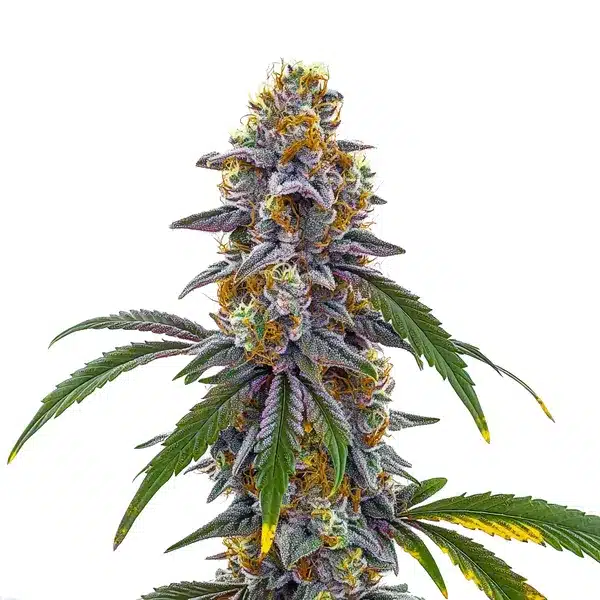
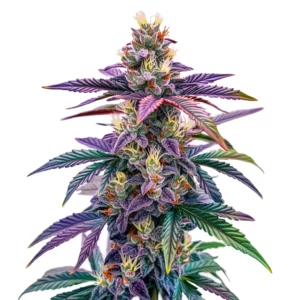
Candyland

|
THC | 18% - 20% (Medium) |

|
Type | Feminized |

|
Yield | High |

|
Phenotype | 30% Indica / 70% Sativa |

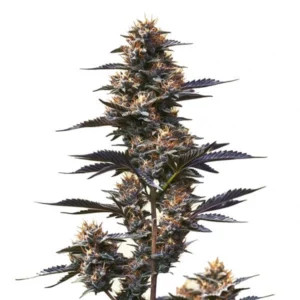
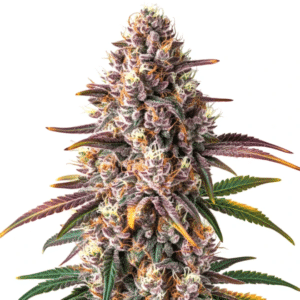
Fat Bastard
|
|
THC | 30% - 38% (High) |
|
|
Type | Feminized |
|
|
Yield | High |
|
|
Phenotype | 50% Indica / 50% Sativa |
Terpenes and Their Significance
What Makes Cannabis Terpene-Rich?
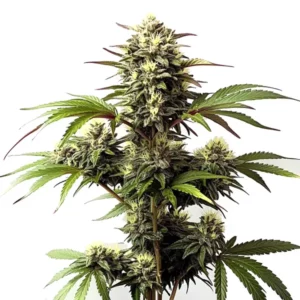
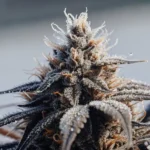
Terpenes are aromatic compounds found in cannabis that contribute to its distinct smell and flavor. The richness of terpenes in a strain depends on genetic factors and cultivation conditions. Strains like Fat Bastard are known for their robust terpene profiles, often featuring myrcene at 1% and caryophyllene at 0.5%, which enhance the plant’s aroma and therapeutic effects. Following a post-harvest checklist for terpene-rich cannabis (aw-based) can help preserve these valuable compounds after harvest.
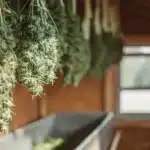
Experienced growers report that drying and curing processes significantly impact terpene preservation. Maintaining a temperature of 60-70°F (15-21°C) and a humidity level of 50-60% during drying can prevent terpene degradation and preserve the plant’s full spectrum of effects.
Step-by-Step Guide to Maximizing Terpenes
To enhance terpene retention, start by trimming your plants immediately after harvest. Quick trimming reduces the exposure of buds to air, minimizing terpene loss. Use sharp scissors to avoid damaging the trichomes, which house the terpenes. Maintain a drying environment of 60-70°F (15-21°C) with 50-60% relative humidity for optimal results.
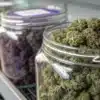
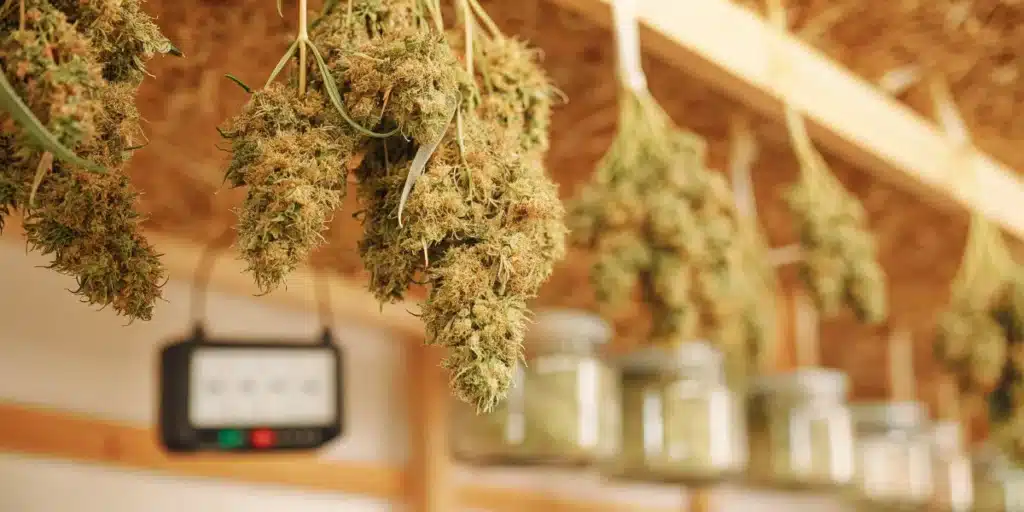
Once dried, curing cannabis in jars is crucial. This traditional method involves placing dried buds in airtight glass jars, which are opened periodically to release moisture. This slow curing process, lasting 2-4 weeks, allows terpenes to mature and enhances the overall flavor and potency of the cannabis.
Promos & Deals

Techniques to Enhance Terpene Retention
How to Increase Terpenes in Flower
Increasing terpenes in your cannabis flowers starts with the right cultivation techniques. Many cultivators have signaled that using low-stress training (LST) to improve light exposure and airflow can boost terpene production by up to 20%. Additionally, maintaining a consistent nutrient schedule with a focus on phosphorus and potassium during flowering can enhance terpene synthesis.
Another method is to use organic soil amendments like bat guano or kelp meal, which are considered the best terpene enhancers. These natural additives provide essential nutrients that promote healthy terpene development, resulting in a more aromatic and potent harvest.
Best Practices for Curing Cannabis in Jars
Curing cannabis in jars is a time-honored technique that preserves terpenes and enhances flavor. Start by placing your dried buds in airtight glass jars, filling them about 75% full to allow for air circulation. Store the jars in a dark, cool place, ideally at 60-70°F (15-21°C), and open them daily for the first week to release excess moisture.
After the initial week, reduce the frequency of opening the jars to once every few days. This gradual curing process can last from 2 to 4 weeks, allowing the terpenes to fully develop and the cannabinoids to stabilize, resulting in a smoother and more flavorful smoke.
Tools and Technologies for Post-Harvest Success
Using Grove Bags for Optimal Storage
Grove Bags are an innovative storage solution designed to maintain the ideal environment for cannabis preservation. These bags utilize a unique TerpLoc™ technology that regulates humidity and oxygen levels, ensuring your cannabis remains fresh and terpene-rich. By using Grove Bags, you can extend the shelf life of your cannabis while preserving its aromatic profile, making them a valuable tool in any post-harvest checklist for terpene-rich cannabis (aw-based).
Grove Bags are especially beneficial for long-term storage, as they prevent terpene evaporation and cannabinoid degradation. For best results, store your cannabis in a cool, dark place, maintaining a temperature of 60-70°F (15-21°C) to maximize potency and flavor retention.
Cannabis Curing Machines: Are They Worth It?
Cannabis curing machines offer a modern approach to post-harvest processing, providing precise control over temperature and humidity. These machines can automate the curing process, reducing the risk of human error and ensuring consistent results. However, they come at a significant cost, ranging from $1,000 to $5,000, depending on the model and capacity.
While cannabis curing machines can be a valuable tool for large-scale operations, many small-scale growers find traditional methods more cost-effective. Ultimately, the choice depends on your specific needs and budget. Consider the size of your harvest and your desired level of control when deciding whether a curing machine is worth the investment.
| Feature | Fat Bastard | Candyland | Blue Dream Auto |
|---|---|---|---|
| THC Content | 30-38% | 18-20% | 10-13% |
| Dominant Terpene | Myrcene | Alpha-Pinene | Caryophyllene |
| Aroma | Fruity, Skunk | Sweet | Citrus, Spicy, Woody |
| Effect | Euphoric, Powerful, Relaxed | Happy, Hungry, Relaxed | Focused, Happy, Relaxed |
| Ideal Use | Evening | Daytime | Daytime |
Professional Tips for Post-Harvest Success
- Maintain 58-62% RH during curing to prevent mold and preserve terpenes.
- Use a digital hygrometer for accurate humidity readings; analog models can be unreliable.
- Trim buds immediately after harvest to reduce terpene loss from prolonged exposure to air.
- Store cannabis in a dark, cool place to prevent light degradation of cannabinoids and terpenes.
- Consider Grove Bags for long-term storage to maintain optimal humidity levels.
- Avoid over-drying; aim for a moisture content of 10-15% for the best flavor retention.
FAQs About post-harvest checklist for terpene-rich cannabis (aw-based)
What is the most important terpene in cannabis?
Myrcene is often considered the most important terpene in cannabis due to its prevalence and synergistic effects. It enhances THC’s psychoactive properties by increasing its absorption rate. Myrcene typically constitutes up to 65% of a strain’s terpene profile, contributing to the earthy and musky aromas found in many cannabis varieties.
When to harvest for maximum terpenes?
Harvest cannabis for maximum terpene content when the trichomes are mostly cloudy with some amber hues. This stage indicates peak terpene and cannabinoid levels. Typically, this occurs 8-9 weeks into flowering for most strains. Monitoring trichome color with a magnifying glass ensures precise timing and optimal terpene retention.
What fertilizer makes buds bigger?
Fertilizers rich in phosphorus and potassium, such as a 1:3:2 NPK ratio, are essential for promoting larger buds. During the flowering stage, these nutrients support robust bud development and enhance terpene production. Avoid over-fertilization, as it can lead to nutrient burn and negatively affect plant health.
What is the rarest terpene in cannabis?
Ocimene is among the rarest terpenes found in cannabis. It offers a sweet, herbaceous aroma and is known for its potential antiviral and antifungal properties. Ocimene typically appears in trace amounts, contributing less than 0.5% to the overall terpene profile in most strains.
How to store cannabis to preserve terpenes?
Store cannabis in airtight containers at 60-70°F (15-21°C) with 58-62% relative humidity to preserve terpenes. Use dark glass jars to protect against light degradation. Avoid plastic containers, as they can leach chemicals and affect flavor. Proper storage conditions help maintain potency and aroma for up to a year.