Nitrate Assimilation in Hydroponic Cannabis

Nitrate assimilation in hydroponic cannabis is a vital process that influences the health and yield of your plants. When growing cannabis in a hydroponic system, the focus on nutrient delivery, especially nitrates, becomes crucial. Nitrates are a form of nitrogen, an essential nutrient that cannabis plants need to thrive. Hydroponics, which uses water-based solutions to deliver nutrients directly to the plant roots, offers a unique advantage in controlling these nutrient levels.
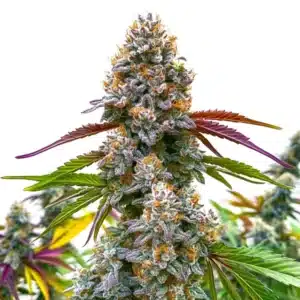
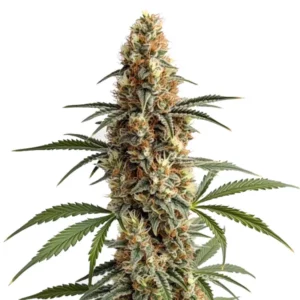
In hydroponics, ensuring that cannabis plants receive the correct nitrate levels is key to maximizing growth. Optimal nitrate levels for hydroponic cannabis can vary depending on the strain and growth stage. Strains like Blue Dream and Gelato from Blimburn Seeds show different nitrate requirements during their growth cycles. As a grower, monitoring these levels can lead to better results and a more bountiful harvest.
Recommended Strains

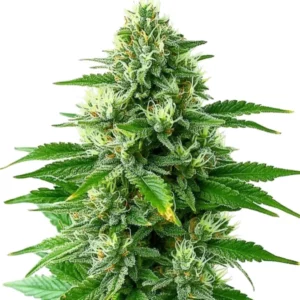
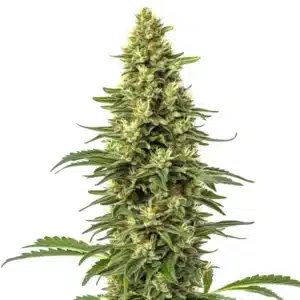
Blue Dream

|
THC | 17% - 24% (Medium) |

|
Type | Feminized |

|
Yield | High |

|
Phenotype | 50% Indica / 50% Sativa |

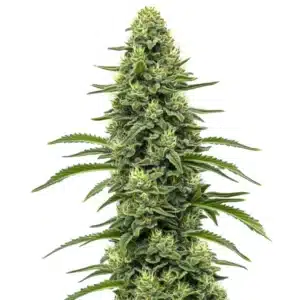
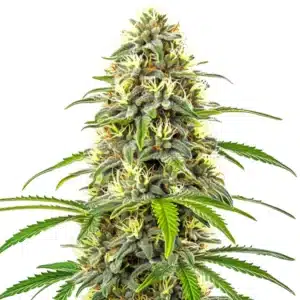
Gelato
|
|
THC | 27% (High) |
|
|
Type | Feminized |
|
|
Yield | High |
|
|
Phenotype | 50% Indica / 50% Sativa |
The process of improving nitrate assimilation in cannabis plants involves knowing how these nutrients are absorbed and utilized. This requires regular testing and adjustments to the nutrient solution. By tweaking the nitrate levels, you can enhance nitrate uptake efficiency in hydroponic cannabis, ensuring your plants grow healthy and strong.
Optimal Nitrate Levels for Hydroponic Cannabis
Finding the right balance of nitrates in hydroponic cannabis systems is essential. Too much or too little can negatively impact plant growth. For instance, excessive nitrates can lead to nutrient burn, while too few can stunt growth. Striking the perfect balance is a matter of experience and careful monitoring.
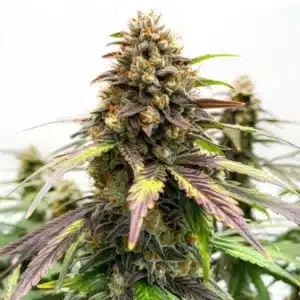
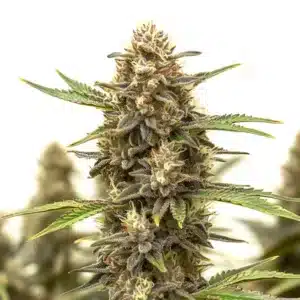
Start by testing your water and nutrient solution regularly. Tools like EC meters can help measure electrical conductivity, which indirectly indicates the concentration of nitrates and other nutrients. Cannabis strains such as Critical Daddy Purple from Blimburn Seeds may require specific nitrate concentrations, depending on their growth phase, to reach their full potential.
Knowing the optimal nitrate levels for hydroponic cannabis requires familiarity with various factors such as plant age, environmental conditions, and the specific strain being cultivated. Consistent monitoring allows growers to make informed decisions about nutrient adjustments, ensuring that nitrate assimilation in hydroponic cannabis remains efficient. This proactive approach can prevent common issues like nutrient lockout, which can occur when nitrates are not adequately balanced with other essential nutrients.
Additionally, collaborating with experienced growers or consulting scientific resources can offer valuable insights into achieving optimal nitrate levels for hydroponic cannabis. By sharing knowledge and experiences, growers can refine their nutrient management strategies, leading to improved growth outcomes. This collective wisdom, combined with regular testing and observation, forms the backbone of successful hydroponic cannabis cultivation, ultimately enhancing both quality and yield.
Adjusting Nitrate Levels for Growth Stages
During the vegetative stage, cannabis plants typically require higher nitrate levels. This phase is crucial for building strong stems and lush foliage. A nitrate-rich environment supports rapid growth, allowing strains like Blue Dream to develop robust structures. As the plants transition to the flowering stage, the nitrate demand decreases slightly, shifting the focus to other nutrients like phosphorus and potassium.
Adjusting nitrate levels for each stage involves careful observation and testing. For example, a sudden yellowing of leaves might indicate insufficient nitrates, prompting an increase in the nutrient solution. Conversely, dark green leaves with burnt tips suggest overfeeding. Regular checks help maintain the balance necessary for healthy growth.
To effectively manage nitrate assimilation in hydroponic cannabis throughout the plant’s life cycle, it is crucial to tailor nutrient solutions to the specific needs of each growth stage. During the vegetative phase, high nitrate levels aid in developing a strong root system and dense foliage, both of which are essential for supporting future flowering. As the plant enters the flowering stage, a gradual reduction in nitrates will encourage the allocation of energy toward bud development, enhancing both quality and yield.
Achieving the right balance during these transitions involves knowing the interplay between different nutrients. For instance, a reduction in nitrates should be complemented by an increase in phosphorus and potassium to support bud formation. Growers must pay close attention to the visual cues presented by their plants, as these signals can guide precise adjustments in nutrient delivery. By maintaining optimal nitrate levels for hydroponic cannabis throughout its growth stages, cultivators can maximize both plant health and productivity.
Practical Tips for Balancing Nitrates
- Use high-quality nutrient solutions designed for hydroponics to ensure the right nitrate concentration.
- Maintain a pH level between 5.5 and 6.5 to improve nutrient uptake efficiency.
- Regularly test your nutrient solution’s EC levels to monitor nitrate concentration.
- Observe your plants daily for signs of nutrient deficiency or excess.
- Adjust nutrient levels gradually to avoid shocking the plants.
By following these tips, you can better manage nitrate uptake efficiency in hydroponic cannabis. Remember, each plant and strain may respond differently, so patience and observation are key.
Besides to the above tips, it’s essential to keep a detailed log of your nutrient management practices and plant responses. This record-keeping allows for a more systematic approach to balancing nitrates in hydroponic cannabis systems. By tracking changes over time, growers can identify patterns and make more accurate predictions regarding nutrient requirements, ultimately leading to more efficient nitrate assimilation.
Another practical consideration is the selection of nutrient solutions that are specifically formulated for hydroponic cannabis cultivation. These specialized products often contain a balanced blend of macronutrients and micronutrients, designed to meet the unique needs of cannabis plants. By choosing high-quality solutions and adhering to best practices in nutrient management, growers can optimize nitrate uptake efficiency in hydroponic cannabis, ensuring robust plant health and increased yields.
Promos & Deals

Effects of Nitrate on Hydroponic Cannabis Growth
Nitrates play a significant role in the overall growth and health of hydroponic cannabis plants. They are integral to photosynthesis, the process by which plants convert light into energy. Without adequate nitrates, plants struggle to produce the necessary energy for growth, leading to poor yields and unhealthy plants.
Balanced nitrate levels can lead to vibrant, healthy cannabis plants with strong stems and lush leaves. This is particularly important for heavy-yielding strains like Gelato from Blimburn Seeds, which require robust growth to support their dense buds. By managing nitrates effectively, you can enhance plant vigor and resistance to diseases and pests.
Knowing the effects of nitrate on hydroponic cannabis growth is crucial for optimizing plant health and maximizing yields. Nitrates are not only vital for photosynthesis but also play a key role in protein synthesis, which is essential for cell growth and development. By ensuring adequate nitrate availability, growers can support the structural integrity of their plants, resulting in stronger stems and more resilient foliage.
Moreover, the impact of nitrates extends to the plant’s ability to resist environmental stressors such as pests and diseases. A well-nourished plant with optimal nitrate levels is better equipped to fend off attacks and recover from damage. This resilience is particularly valuable in hydroponic systems, where maintaining a controlled environment is paramount. By prioritizing the effects of nitrate on hydroponic cannabis growth, cultivators can achieve a harmonious balance that fosters both plant vitality and productivity.
Signs of Nitrate Imbalance
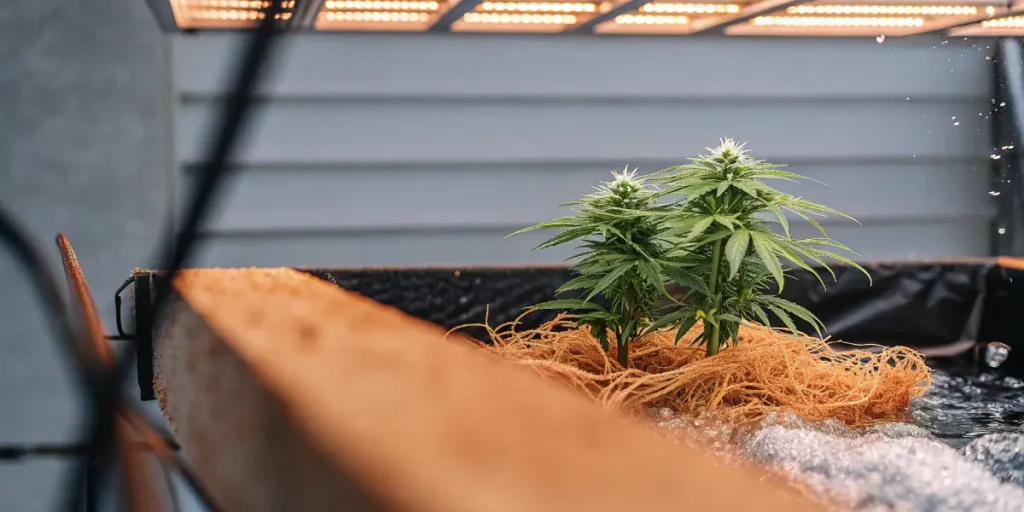
Recognizing the signs of nitrate imbalance is crucial for maintaining healthy plants. Common symptoms of nitrate deficiency include yellowing leaves, stunted growth, and weak stems. These signs indicate that the plant is not receiving enough nitrates to support its growth needs.
Conversely, excess nitrates can cause nutrient burn, characterized by dark green leaves with burnt tips and edges. This condition can inhibit growth and reduce yields if not addressed promptly. Adjusting the nutrient solution by diluting or increasing the nitrate content can correct these issues.
Identifying signs of nitrate imbalance early allows for quick intervention, preventing long-term damage to the crop. In addition to visual symptoms, growers may notice a decrease in overall plant vigor and a slower rate of growth. These subtle indicators can signal the need for a reassessment of the nutrient solution to ensure optimal nitrate assimilation in hydroponic cannabis.
Regular monitoring of plant health and environmental conditions is essential for detecting nitrate imbalances. Implementing a routine schedule for nutrient solution testing can help maintain the desired nitrate levels, minimizing the risk of deficiencies or toxicities. By paying close attention to the signs of nitrate imbalance and acting swiftly, growers can maintain a stable growing environment that supports healthy and productive cannabis plants.
FAQ Section
What are the signs of nitrate deficiency in hydroponic cannabis?
Nitrate deficiency in hydroponic cannabis can manifest as yellowing leaves, particularly in the older foliage. The plant may also exhibit stunted growth and weak stems, as nitrates are crucial for photosynthesis and energy production. If left unaddressed, these symptoms can lead to reduced yields and overall plant health.
To resolve nitrate deficiency, check your nutrient solution for adequate nitrate concentration. Adjust the levels gradually to avoid shocking the plant. Observing your plants regularly and making timely adjustments can prevent severe deficiencies and promote healthy growth.
Besides to yellowing leaves and stunted growth, nitrate deficiency may lead to reduced leaf size and poor branching. These symptoms reflect the plant’s inability to sustain vigorous growth due to insufficient nitrate assimilation in hydroponic cannabis. Addressing these issues promptly can prevent further deterioration and ensure that the plant reaches its full potential.
Regularly reviewing the nutrient solution’s composition and making necessary adjustments based on plant observations is key to preventing nitrate deficiency. Employing precise measurement tools, such as EC meters, can aid in maintaining optimal nitrate levels for hydroponic cannabis. By proactively managing nutrient availability, growers can support robust plant development and enhance overall crop quality.
How can I improve nitrate uptake efficiency in my cannabis plants?
Improving nitrate uptake efficiency in hydroponic cannabis involves maintaining optimal pH levels and ensuring consistent nutrient supply. A pH range between 5.5 and 6.5 is ideal for nutrient absorption. Additionally, using high-quality nutrient solutions designed for hydroponics can enhance uptake efficiency.
Regular monitoring of EC levels helps track nitrate concentration, allowing for precise adjustments. Observing plant responses and adapting the nutrient solution accordingly can significantly improve nitrate uptake, leading to healthier and more productive plants.
To further enhance nitrate uptake efficiency in hydroponic cannabis, consider employing techniques such as foliar feeding, which can provide additional nutrients directly through the leaves. This method can temporarily boost nitrate availability, particularly in stages where demand is high. However, it should be used judiciously to complement, rather than replace, root-based nutrient delivery.
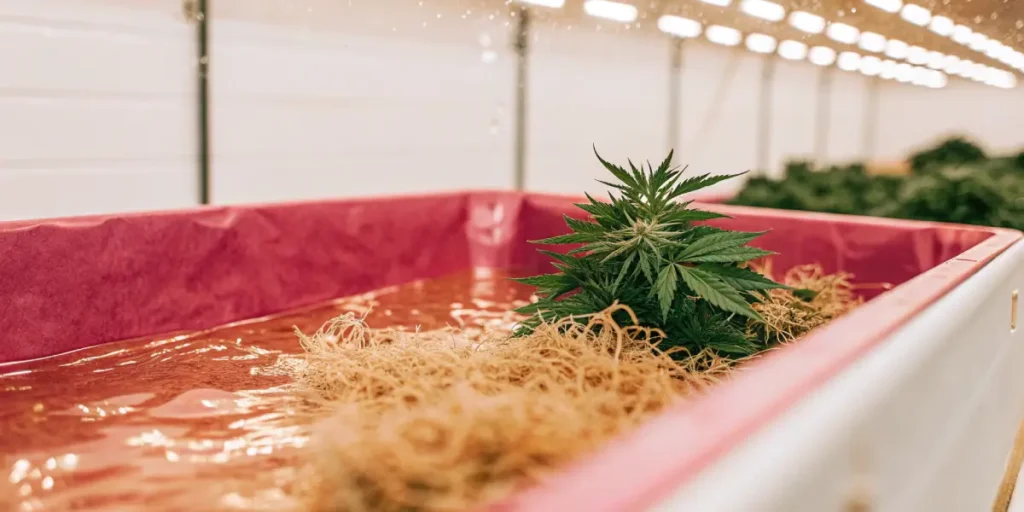
Proper circulation and aeration of the nutrient solution are also critical for improving nitrate assimilation in cannabis plants. Ensuring that the roots receive a steady flow of oxygen and nutrients can optimize absorption and prevent issues like root rot. By focusing on these aspects of nutrient management, growers can achieve a more efficient uptake process, resulting in healthier cannabis plants and enhanced yields.
Why is balancing nitrates important in hydroponic cannabis systems?
Balancing nitrates in hydroponic cannabis systems is essential to prevent nutrient deficiencies and toxicities. Both extremes can lead to poor plant health and reduced yields. Proper nitrate balance ensures robust growth, healthy foliage, and improved resistance to diseases and pests.
Regular testing and adjustments based on the specific needs of your cannabis strain are crucial. Tools like EC meters and pH tests aid in maintaining the right balance, ensuring your plants receive the nutrients they need for optimal growth and productivity.
In hydroponic systems, where nutrient delivery is entirely controlled, balancing nitrates becomes even more critical. The closed nature of these systems means that any imbalance can quickly affect plant health. By maintaining optimal nitrate levels for hydroponic cannabis, growers can prevent common issues such as nutrient lockout, which can severely impair growth and development.
Balancing nitrates also involves knowing the dynamic interactions between different nutrients. For example, excess nitrates can interfere with the uptake of other essential elements like calcium and magnesium. By carefully monitoring and adjusting the nutrient solution, cultivators can create a harmonious environment that supports all aspects of plant growth, leading to improved nitrate assimilation and overall plant vitality.
What are the effects of excess nitrates on hydroponic cannabis growth?
Excess nitrates in hydroponic cannabis systems can cause nutrient burn, manifesting as dark green leaves with burnt tips and edges. This condition can stunt growth and reduce yields if not corrected promptly. Overfeeding can also lead to imbalances in other essential nutrients, further impacting plant health.
To address excess nitrates, dilute the nutrient solution or adjust feeding schedules. Regular monitoring of plant responses and timely adjustments help prevent long-term damage and ensure healthy, vigorous growth.
Another effect of excess nitrates is the potential for increased susceptibility to diseases and pests. Over-fertilized plants may become more attractive to pathogens and insects, compromising plant health and leading to further complications. Managing nitrate levels carefully can mitigate these risks and support a robust growing environment.
Besides to immediate growth issues, prolonged exposure to excess nitrates can result in an accumulation of salts in the growing medium, leading to further nutrient imbalances. Regular flushing of the system with clean water can help remove these excess salts and restore the balance needed for optimal nitrate assimilation in hydroponic cannabis. Implementing these strategies ensures that plants remain healthy and productive throughout their growth cycle.
Can different cannabis strains have varying nitrate needs?
Yes, different cannabis strains can have varying nitrate needs based on their genetic makeup and growth habits. Strains like Blue Dream, Gelato, and Critical Daddy Purple from Blimburn Seeds each have unique nutrient requirements. These differences can influence how much nitrate is needed at each growth stage.
Knowing the specific needs of your chosen strain allows for better nutrient management. Customizing your nutrient solution and feeding schedule according to the strain’s requirements can improve nitrate assimilation in hydroponic cannabis, resulting in healthier plants and higher yields.
Genetic variations among cannabis strains lead to differences in growth rates, nutrient uptake efficiency, and overall plant structure. Some strains may require higher nitrate levels during the vegetative stage to support rapid growth, while others may thrive with more balanced nutrient ratios. Recognizing these distinctions is key to optimizing nitrate assimilation in hydroponic cannabis and achieving the best possible results.
Engaging in research and experimentation with different strains can provide valuable insights into their specific nitrate needs. By testing various nutrient regimens and observing plant responses, growers can fine-tune their approach to each strain’s unique requirements. This personalized strategy not only enhances plant health but also contributes to more consistent and bountiful harvests.