What is Sequential Outdoor Planting?

Quick Summary: Sequential outdoor planting is a professional strategy where you sow autoflower seeds at regular intervals throughout the season. This method creates a continuous production cycle, spreads out your physical work, and protects your crop from single-event disasters.
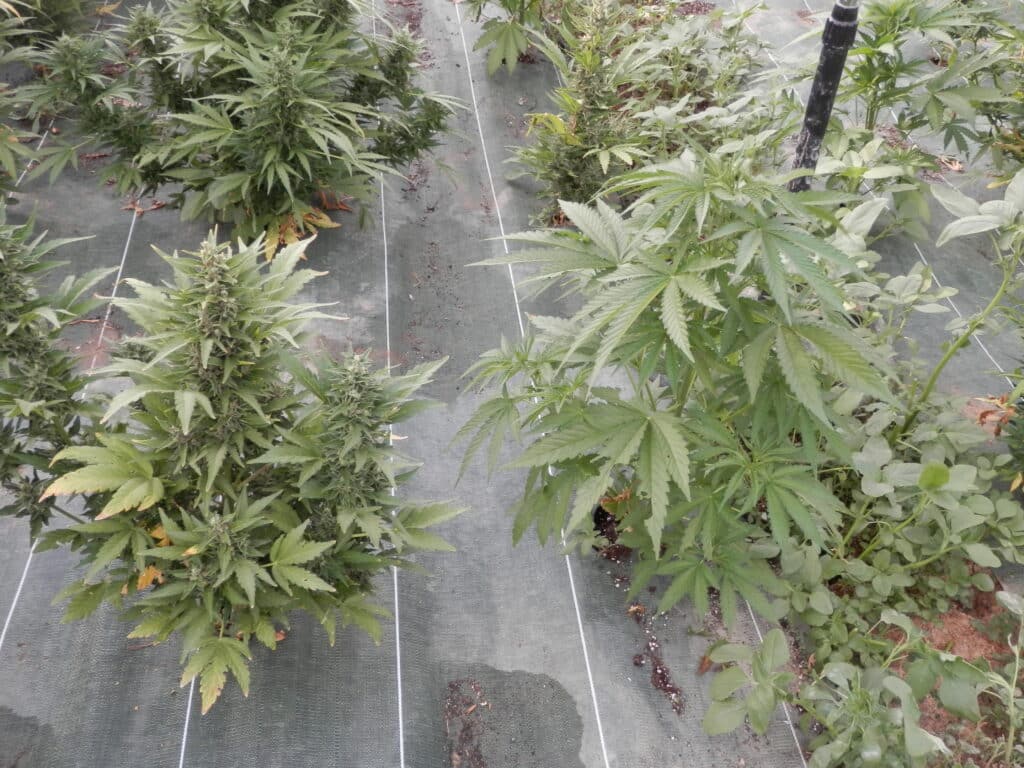
Sequential outdoor planting with autoflower seeds is like running a factory line in your own backyard. Instead of planting all your seeds on one day, you stagger them at regular intervals. This means your plants are always at different ages. While one group is a tiny seedling, another is growing big green leaves, and a third is ready to be harvested.
Recommended Strains
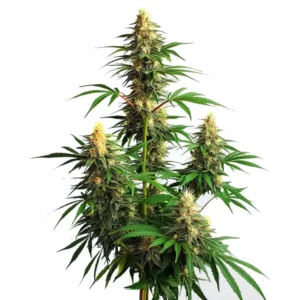
Critical Auto

|
THC | 10% - 14% (Low) |

|
Type | Autoflowering |

|
Yield | Low |

|
Phenotype | 70% Indica / 30% Sativa |
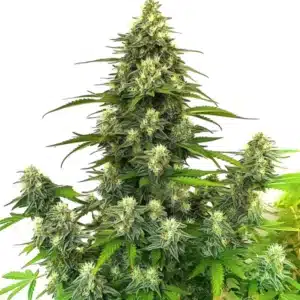
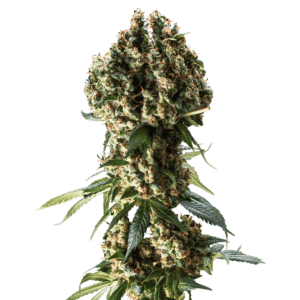
GG4 Autoflower
|
|
THC | 18% - 24% (Medium) |
|
|
Type | Autoflowering |
|
|
Yield | High |
|
|
Phenotype | 40% Indica / 60% Sativa |
This method transforms outdoor growing from a single annual harvest into a continuous production system. Traditional photoperiod plants only flower when the days get short in the fall, creating a risky all-or-nothing scenario. With sequential planting, you distribute that risk across multiple waves, ensuring that pests, storms, or nutrient issues affecting one group leave the others untouched.
Biologically, this works because autoflowers have a unique “internal clock”. They do not wait for the sun to tell them when to bloom. They start making buds based on their age, usually around week 3 or 4. By using this to your advantage, you can have fresh, potent flower regularly rather than waiting all year for one overwhelming harvest day.
This approach is scalable and adaptable. It works equally well whether you are growing a handful of plants in a small backyard or managing a larger outdoor setup. Sequential planting encourages constant observation and learning. Each wave becomes an opportunity to adjust your techniques based on real-time results. You refine your soil composition, nutrient schedules, and strain selection throughout the season, moving toward a more professional cultivation mindset.
Why Autoflowers are the “Seed Heroes” for Staggered Waves
Autoflower seeds are uniquely suited for sequential outdoor planting because of their genetic independence from photoperiod changes. Most strains complete their entire life cycle in 8 to 11 weeks, from seed to jar. This predictable speed lets you fit multiple waves into a single growing season, even in regions with shorter summers. In warm climates, you can start in early spring and keep the cycle going until the first winter frost.
These plants are also remarkably tough. Many carry genetics from Cannabis ruderalis, which evolved in harsh, cold regions like Siberia. This heritage makes them better at handling temperature swings, high humidity, and environmental stress than many delicate indoor strains. When you combine this natural resilience with modern breeding for high THC and complex terpenes like Limonene and Myrcene, you get plants that are both easy to grow and exceptional in quality.
Consistency is another major factor. Autoflowers grow based on age, not environmental light cues. This predictability simplifies planning and ensures overlapping planting waves develop exactly as expected. Many Blimburn Seeds autoflower strains are bred specifically for uniform growth and outdoor resilience. Their compact size allows multiple generations to share the same space without overcrowding, which is perfect for gardens where space optimization is essential.
From a technical view, the “Information Gain” is huge. Every wave teaches you something new about your garden. You will see how different light levels (PAR/PPFD) in July versus September change the density of your buds. This constant feedback lets you adjust your feeding and care for the next wave. It is a relentless pursuit of excellence that results in a professional-grade final product.
Promos & Deals
How to Stagger Autoflower Plantings Throughout the Outdoor Season
Staggering your plantings is the practical foundation of sequential outdoor planting with autoflower seeds. The most common and effective strategy is interval planting, where you sow new seeds every 14 to 21 days. This creates a balanced overlap: while one group is flowering, another is in vegetative growth, and another is approaching harvest. This structure prevents overcrowding and simplifies feeding and maintenance.
Your local climate conditions should always guide your planting intervals. Early-season plantings may grow more slowly due to cooler nights and less intense sunlight. Mid-summer plantings, on the other hand, often develop faster because of higher temperatures and longer days. By adjusting your timing accordingly, you improve overall performance and get the most out of each wave.
Here is a critical rule: autoflowers should always be planted directly into their final containers. Never transplant them. Transplanting causes stress and can reduce yields significantly. These plants have a short life cycle and do not have time to recover from transplant shock. Plant your germinated seeds straight into their final 3-gallon or 5-gallon pots. This allows the taproot to dive deep immediately, which signals the plant to grow as big as its genetics allow. Happy roots mean maximum yields.
Consistency in container size and spacing is essential for uniform development across planting waves. If you use different pot sizes or spacing, your plants will grow unevenly, making it harder to manage feeding schedules and harvest times. Keep everything standardized for the best results.
Key Advantages of Sequential Outdoor Planting With Autoflower Seeds
Sequential outdoor planting with autoflower seeds offers several game-changing advantages that make it superior to traditional single-harvest methods:
- Continuous Harvests: Instead of processing one massive crop all at once, you harvest smaller amounts every few weeks. This dramatically improves your drying and curing conditions. You can dedicate more attention to each batch, resulting in higher quality flower with better terpene preservation and smoother smoke. Your jars are constantly being replenished rather than emptied once per year.
- Better Climate Utilization: Sequential planting allows you to take full advantage of optimal weather windows throughout the season. You minimize exposure to extreme conditions by having different waves at different stages. If a heatwave hits, your mature plants can handle it while your seedlings stay protected in partial shade.
- Significant Risk Reduction: This is perhaps the biggest advantage. Pest infestations, nutrient problems, or storms are unlikely to affect every planting wave equally. If one wave gets hit by caterpillars, powdery mildew, or a hailstorm, your other waves remain safe and productive. This makes sequential planting far more resilient than traditional outdoor growing where everything lives or dies together.
- Continuous Improvement and Learning: Each planting wave provides feedback that helps you refine your techniques and improve results over time. You become a better grower with every cycle because you are constantly adjusting and learning what works best in your specific garden environment. By season’s end, you will have mastered your microclimate.
- Manageable Workload Distribution: Tasks like watering, feeding, monitoring, trimming, and harvesting are spread over time instead of concentrated into a single overwhelming peak period. This makes outdoor cultivation more sustainable and enjoyable, especially for small-scale growers who have other responsibilities. You avoid the burnout that comes from processing 50 plants in one exhausting weekend.
Technical Strategy Comparison & Blimburn Recommendations
| Feature | Sequential Autoflower | Single Batch Photo | Single Batch Auto |
|---|---|---|---|
| Harvest Frequency | Continuous (Every 2-3 weeks) | Once per year (Autumn) | Once per cycle (~75 days) |
| Risk Resilience | High (Risk is spread out) | Low (Total loss possible) | Medium (Short window) |
| Labor Distribution | Evenly managed tasks | Massive peak (Stressful) | High peak (Intense) |
| Feeding Logic | Stage-specific per wave | Uniform for all plants | Uniform for all plants |
| Drying Area Needed | Small/Steady usage | Massive (All at once) | Large (Full batch) |
| Best Seeds | Critical Auto, Amnesia Haze Auto | Grandaddy Purple Auto, Power Plant | GG4 Auto, Bruce Banner Auto |
Concrete Examples of Sequential Outdoor Planting
Using a “Seed Hero” approach means planning with precision. Here are two practical ways to set up your outdoor garden for success throughout the entire season.
Example 1: The Staggered Wave Strategy
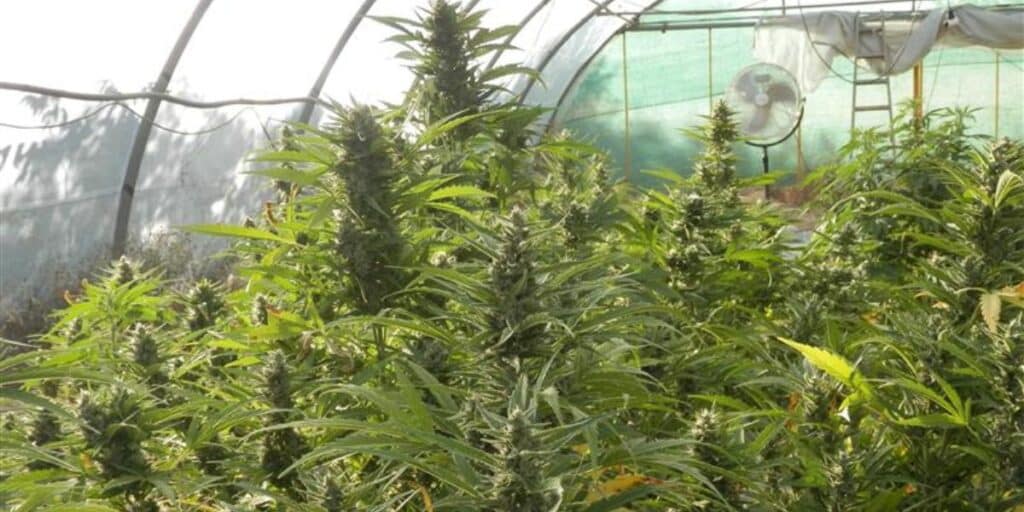
This example focuses on timing to ensure you are never without fresh flower. You start your first wave in early spring as soon as the danger of frost has passed. Two weeks later, you plant your second wave. Another two weeks after that, the third wave goes into the ground. By early summer, your garden will show a beautiful progression: the first wave is nearing harvest, the second is in full bloom, and the third is in its rapid vegetative growth stage. This creates a self-sustaining cycle where you are processing manageable amounts rather than facing one overwhelming harvest day.
Example 2: The Seasonal Rotation Plan
This method matches specific genetics to the changing weather. For your early spring plantings, you choose highly resistant strains like Critical Auto that can handle cooler nights and less intense sunlight. In the middle of the season, when the sun is strongest, you focus on high-yielding varieties like Bruce Banner Auto or Amnesia Haze Auto to maximize biomass and take advantage of the peak growing conditions. Finally, for late-season plantings, you prioritize fast-finishing autoflowers like Gelato Auto to ensure they are harvested before the cold, autumn rains arrive. This strategic rotation maximizes your yield while minimizing risk.
Strategic Nutrient Management for Staggered Waves
Feeding a sequential system requires organization and attention to detail. Because your plants are at different ages, they need different food. Seedlings and young plants need a high Nitrogen (N) ratio to build strong stems and lush green leaves. But as soon as your older waves start to flower, you must switch them to a high Phosphorus (P) and Potassium (K) diet to help them grow sticky buds and develop terpenes.
The technical secret to success is treating each wave as its own mini-garden with stage-specific nutrition. Never give the same “super bloom” food to your 2-week-old seedlings, this will burn their tender roots and stop their growth permanently. Use a clear label system on your pots so you know exactly which N-P-K mix each plant needs. This “Seed Excellence” approach ensures every harvest reaches its full potential in weight and potency.
Also, do not forget the “Flush.” About 10 days before you harvest a specific wave, stop all nutrients and use only pure water. This forces the plant to use up its stored sugars and minerals, leading to a much smoother smoke with no chemical taste. In a sequential garden, you will be flushing some plants while feeding others heavily, so keeping a detailed grow log is essential for success.
Common Mistakes in Sequential Outdoor Planting
Avoiding simple errors is the best way to maintain “Integrity” in your cultivation. Even small mistakes can permanently compromise a plant’s potential.
- Planting Too Early in Cold Soil: Sowing seeds before the soil is warm enough can permanently stunt growth. Cannabis seeds germinate best at 78°F (25°C). Soil temperatures below 70°F (21°C) delay the process significantly and can damage the seedling’s development. Wait until your soil is properly warmed before starting your first wave.
- Uniform Feeding Regardless of Age: This is one of the most common technical failures in sequential systems. Giving high-phosphorus flowering nutrients to a vegetative plant will starve it of the nitrogen it needs for foliage development. Conversely, feeding vegetative nutrients to flowering plants will reduce bud density and terpene production. Each wave must receive nutrients specific to its biological stage.
- Overcrowding the Garden Space: Each wave needs adequate breathing room to avoid competition for light and nutrients. Poor air circulation leads to stagnant pockets that trap moisture and encourage bud mold and powdery mildew. Spacing should remain constant across all waves to ensure uniform development. Plan your garden layout carefully before you start, accounting for the mature size of each wave.
- Failing to Keep Records: Without a logbook, you will lose track of planting dates, feeding schedules, and harvest times. Tracking strain performance is essential for the continuous improvement that leads to better future crops. Write down everything: when you planted, what strain, what nutrients you used, environmental conditions, and what the final yield and quality were. This data becomes invaluable over time.
Professional Tips for Master Sequential Growers
- Genetics Rotation by Season: Match your strain selection to the changing weather patterns. Start your season with cold-resistant strains like Critical Auto, switch to heat-loving Amnesia Haze Auto for the peak of summer, and finish with fast-finishing Gelato Auto to beat the autumn rains.
- Preserve Your Terpenes: When you harvest in the summer heat, dry your buds in a dark room below 70°F (21°C). This prevents volatile terpenes like Myrcene and Caryophyllene from evaporating. Temperature control during drying is just as important as growing conditions.
- Protect Vulnerable Waves: During extreme heatwaves above 95°F (35°C), move your youngest waves into partial shade to prevent leaf burn and stress. Your older flowering plants can usually handle the full sun and high DLI (Daily Light Integral) because their root systems are more established.
- Maximize Root Development: Use fabric pots for all your waves. The extra air-flow naturally “air-prunes” the roots, preventing them from becoming root-bound. This improves nutrient uptake efficiency and allows plants to reach their full genetic potential.
- Strategic Calendar Planning: Keep a detailed calendar that tracks each wave’s planting date, expected flowering start, and projected harvest window. This allows you to prepare your drying space, plan your nutrient purchases, and avoid scheduling conflicts during peak harvest periods.
FAQs on Sequential Outdoor Planting
What is sequential outdoor planting with autoflower seeds?
Sequential outdoor planting with autoflower seeds is a cultivation method where autoflower seeds are planted in staggered intervals outdoors, allowing continuous harvests throughout the growing season instead of a single annual harvest. By planting new waves at regular intervals, you create a production system where plants are always at different stages of development, giving you fresh flower regularly rather than waiting all year for one massive crop.
How often should autoflower seeds be planted outdoors?
Most professional growers recommend planting new autoflower seeds every 14 to 21 days, depending on climate and strain characteristics. This interval creates the perfect balance: when your first batch is in heavy flowering, the second batch is finishing its vegetative growth, and the third is just starting to sprout. This timing maintains a manageable cycle while preventing overcrowding and resource competition.
Are autoflower seeds good for outdoor growing?
Absolutely. Modern autoflower seeds are exceptionally well-suited for outdoor growing because they flower automatically based on age rather than photoperiod, and they tolerate variable outdoor conditions better than many photoperiod strains. Their natural resilience to temperature swings and environmental stress makes them ideal for outdoor cultivation in diverse climates.
How many harvests can you get with sequential planting?
Depending on your climate and the length of your growing season, you can typically achieve 3 to 5 distinct harvest cycles using sequential outdoor planting with autoflower seeds. In warmer regions with longer growing seasons, some growers can push this even further, maintaining continuous production from early spring all the way through late fall.
What are the main advantages of sequential outdoor planting?
The main advantages include continuous harvests throughout the season, better utilization of optimal weather conditions, significant risk reduction from pests or climate events (since not all plants are vulnerable at the same time), easier post-harvest management with smaller batches, and continuous improvement opportunities as each wave teaches you more about your garden’s unique characteristics.