Essential Guide: Magnesium Deficiency vs Chlorosis in Cannabis

Growing cannabis can be a rewarding yet challenging endeavor. One of the common hurdles faced by both novice and experienced growers is nutrient disorders, specifically magnesium deficiency and chlorosis. Knowing magnesium deficiency vs chlorosis in cannabis is essential, as both issues can lead to cannabis leaf discoloration, negatively impacting the plant’s overall health and final yield.
Magnesium deficiency and chlorosis might appear similar but have distinct differences. Knowing these nuances is key to addressing them effectively. Let’s dive into magnesium deficiency vs chlorosis in cannabis and how to tackle these problems.
Recommended Strains
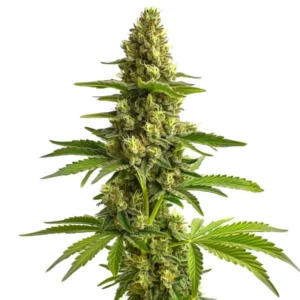
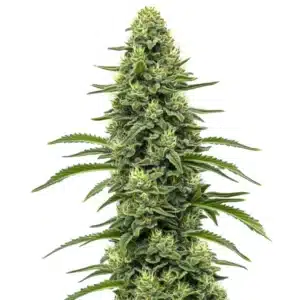
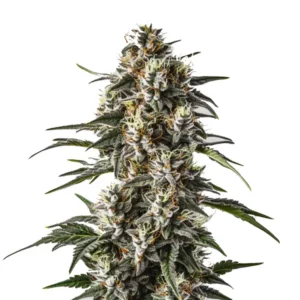
Bruce Banner #3

|
THC | 20% - 29% (High) |

|
Type | Feminized |

|
Yield | Medium |

|
Phenotype | 50% Indica / 50% Sativa |
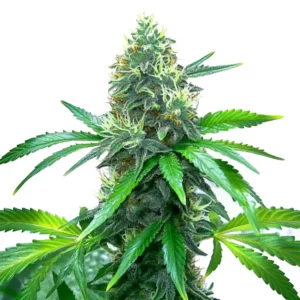
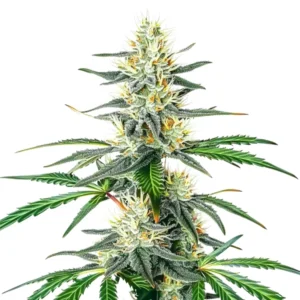
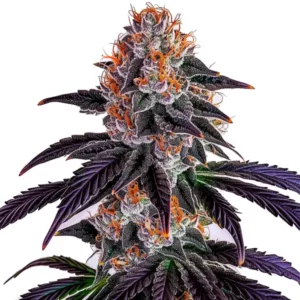
OG Kush
|
|
THC | 20% - 24% (Medium) |
|
|
Type | Feminized |
|
|
Yield | Medium |
|
|
Phenotype | 55% Indica / 45% Sativa |
Magnesium is a crucial nutrient for cannabis, vital for photosynthesis and chlorophyll production. Chlorosis, on the other hand, is a condition where leaves lose their green color due to insufficient chlorophyll. Identifying magnesium shortage vs chlorosis in cannabis plants is crucial for healthy growth.
Magnesium Deficiency Symptoms in Cannabis
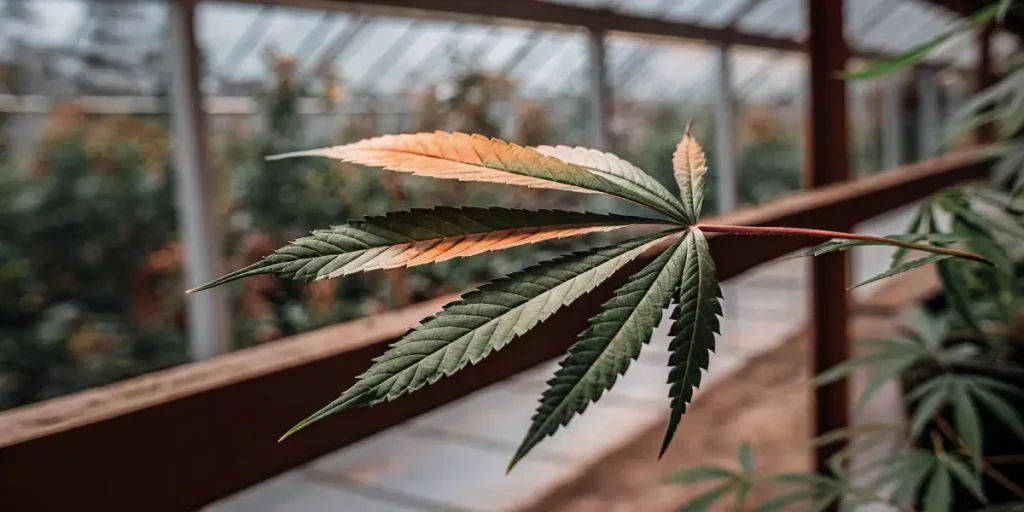
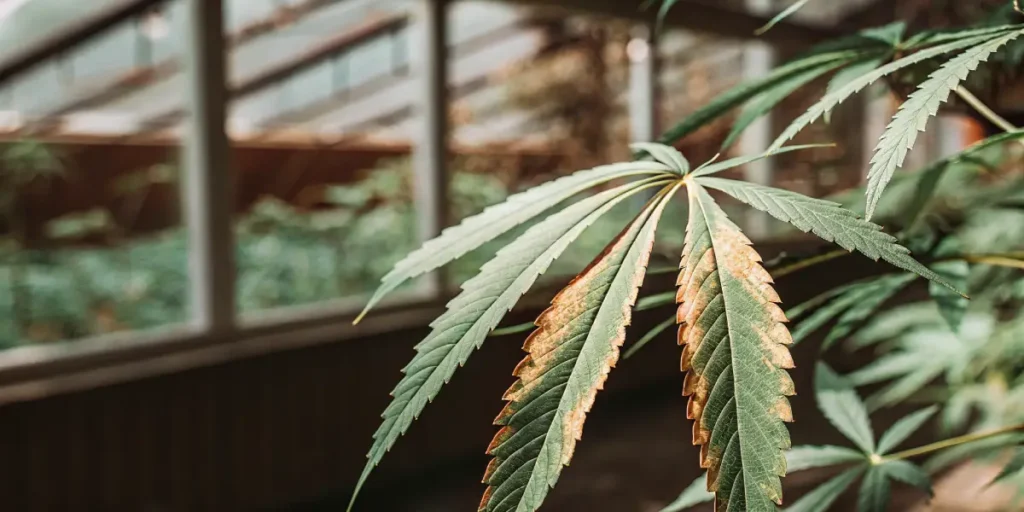
Magnesium deficiency often begins at the bottom of the plant, affecting older leaves first. You’ll notice yellowing between the leaf veins, while the veins themselves remain green. This condition is also known as interveinal chlorosis and progresses from the edges inward.
As the deficiency worsens, you might see brown spots and leaf curling. Leaves may eventually become brittle and fall off. Identifying magnesium deficiency symptoms in cannabis early can prevent these drastic measures.
Knowing magnesium deficiency symptoms cannabis vs chlorosis is essential for growers aiming to maintain plant health. While both conditions involve leaf discoloration, magnesium deficiency is characterized by its initial impact on older leaves, providing a distinct visual cue for diagnosis.
By recognizing these early signs, growers can take proactive steps to correct nutrient imbalances. This might include adjusting the pH levels or supplementing the soil with a magnesium-rich solution, ensuring the plants remain vibrant and productive.
Cannabis Strains Sensitive to Magnesium Deficiency
Some cannabis strains are more prone to magnesium deficiency than others. For instance, the Bruce Banner #3 strain from Blimburn Seeds is known for its vigorous growth, which demands more nutrients. Keeping a close eye on magnesium levels can keep your plants thriving.
Another strain to consider is OG Kush. This popular strain is a favorite for its potent effects, but growers need to be aware of its nutritional needs, including magnesium. Regular monitoring can help avoid issues.
The sensitivity of cannabis strains to nutrient imbalances like magnesium deficiency vs chlorosis in cannabis can vary widely. Strains with rapid growth rates often require more precise nutrient management to avoid deficiencies.
For growers, selecting the right strain is crucial. Blimburn Seeds offers a range of options, allowing you to choose strains that align with your growing environment and nutrient management capabilities, minimizing the risk of nutrient disorders.
Promos & Deals
Chlorosis in Cannabis Plants
Chlorosis in cannabis is often a broader issue than magnesium deficiency. It can be caused by various factors, including nutrient imbalances, pest infestations, or poor environmental conditions. Unlike magnesium deficiency, chlorosis can affect new growth as well as older leaves.
When diagnosing cannabis leaf discoloration causes magnesium vs chlorosis, it’s essential to consider the overall plant health and environmental factors. Chlorosis may manifest as yellowing leaves, poor growth, and reduced yields if not addressed promptly.
Addressing chlorosis involves a comprehensive approach to plant care. By regularly inspecting your plants and maintaining optimal growing conditions, you can effectively manage this condition and improve plant vitality.
Knowing the differences between cannabis chlorosis and magnesium deficiency allows you to tailor your care strategies, ensuring both immediate and long-term health of your cannabis plants.
Addressing Chlorosis in Cannabis
To tackle chlorosis, start by examining the growing environment. Ensure your plants receive adequate light, water, and air circulation. Proper ventilation helps prevent moisture buildup, which can lead to chlorosis.
Next, check the nutrient levels. An imbalance in nutrients like nitrogen, iron, or magnesium can trigger chlorosis. Using a balanced nutrient solution can help maintain healthy growth and prevent nutrient disorders like cannabis nutrient disorder magnesium deficiency and chlorosis.
Preventive measures for chlorosis include maintaining balanced nutrient levels and ensuring environmental conditions are optimal. This holistic approach reduces the likelihood of both chlorosis and magnesium deficiency affecting your plants.
Regular monitoring and timely intervention are key to maintaining healthy cannabis growth. By knowing and addressing the root causes of chlorosis, you can ensure your plants thrive and produce abundant yields.
Differences Between Cannabis Chlorosis and Magnesium Deficiency
Knowing the differences between cannabis chlorosis and magnesium deficiency is crucial for effective treatment. Magnesium deficiency primarily causes interveinal chlorosis in older leaves, while chlorosis can be more widespread and affect the entire plant.
Both conditions require different approaches. Magnesium deficiency often needs a targeted magnesium supplement, while chlorosis might need adjustments in overall nutrient management and environmental factors.
By differentiating between magnesium deficiency symptoms cannabis vs chlorosis, growers can tailor their interventions, ensuring more effective and efficient plant care. Recognizing these differences early can significantly impact plant recovery and yield.
Implementing targeted solutions based on accurate diagnosis not only addresses current issues but also prevents future occurrences, promoting sustained plant health and productivity.
Preventing Nutrient Disorders in Cannabis
Prevention is key to avoiding nutrient disorders like magnesium deficiency and chlorosis. Regular soil testing can provide insights into nutrient levels, helping you make informed decisions about fertilization.
Maintain a consistent watering schedule. Overwatering or underwatering can stress the plant and lead to nutrient imbalances. Ensure your pots have good drainage to prevent waterlogging.
Choosing the right strains from providers like Blimburn Seeds, which offer strains tailored to specific growing environments, can reduce the risk of nutrient imbalances and disorders.
Implementing a proactive approach to plant care, including regular monitoring and environmental optimization, helps prevent the onset of cannabis nutrient disorder magnesium deficiency and chlorosis.
FAQs about magnesium deficiency vs chlorosis in cannabis
What causes magnesium deficiency in cannabis?
Magnesium deficiency in cannabis is often due to poor soil quality or incorrect pH levels. Cannabis plants require a slightly acidic environment to absorb magnesium effectively. If the pH level is too high or too low, it can lock out nutrients, leading to deficiencies.
Another common cause is inadequate fertilization. If your nutrient solution lacks magnesium, your plants may not get enough of this crucial element. Regular soil testing and balanced fertilization can prevent magnesium deficiency.
Knowing the specific causes of magnesium deficiency vs chlorosis in cannabis is crucial for effective prevention and treatment. By maintaining optimal soil conditions and ensuring balanced nutrient availability, growers can avoid these common issues.
With the right knowledge and tools, including regular testing and adjustments, growers can ensure their cannabis plants receive the nutrients they need for healthy, robust growth.
How can I identify chlorosis in cannabis plants?
Chlorosis in cannabis plants typically presents as yellowing leaves, starting from the leaf edges and moving inward. This can affect both old and new growth, depending on the underlying cause. It’s crucial to examine the entire plant to determine the extent of chlorosis.
Consider environmental factors, such as light and water, that may contribute to chlorosis. Nutrient imbalances, including deficiencies in nitrogen or iron, are also common causes. Identifying these factors early can help restore plant health.
To effectively diagnose chlorosis, growers should compare cannabis leaf discoloration causes magnesium vs chlorosis, focusing on patterns and severity of symptoms. This helps in developing a targeted treatment plan.
By accurately identifying the type of nutrient disorder, growers can implement appropriate corrective measures, ensuring plant health is restored and maintained.
Can chlorosis affect the yield of cannabis plants?
Yes, chlorosis can significantly impact the yield of cannabis plants. When leaves lose their green color, they become less efficient at photosynthesis, reducing the plant’s ability to produce energy and grow. This can result in smaller buds and lower overall yields.
Addressing chlorosis promptly is essential to maintaining healthy growth and maximizing yield. Regular monitoring and adjustments in nutrient and environmental management can help prevent yield loss.
Knowing the differences between cannabis chlorosis and magnesium deficiency is critical for growers aiming to optimize their harvests. By addressing these issues early, you can ensure your plants reach their full potential.
Proactive management of nutrient disorders, including effective diagnosis and timely intervention, supports healthy plant development and maximizes yield potential.
Is it possible to reverse magnesium deficiency in cannabis?
Reversing magnesium deficiency in cannabis is possible if caught early. Begin by adjusting the pH of your growing medium to ensure optimal nutrient uptake. Use a magnesium-enriched supplement to boost magnesium levels in the soil.
Monitor the plant’s response to these changes. Improvement in leaf color and plant vigor indicates recovery. Consistent care and nutrient management will prevent future deficiencies and promote healthy growth.
Identifying magnesium shortage vs chlorosis in cannabis plants early allows for timely interventions, increasing the likelihood of successful recovery and minimizing the impact on growth.
By taking a proactive approach, growers can not only reverse existing deficiencies but also prevent future occurrences, ensuring sustained plant health and productivity.
How can I prevent nutrient disorders in cannabis plants?
Preventing nutrient disorders in cannabis plants involves regular monitoring and maintenance. Conduct soil tests to assess nutrient levels and adjust your fertilization strategy accordingly. Use high-quality, balanced nutrient solutions.
Maintain an optimal growing environment by ensuring proper light, water, and air circulation. Avoid overwatering and ensure your pots have good drainage. Choosing the right cannabis strains for your environment, like those from Blimburn Seeds, can also help prevent nutrient issues.
Knowing the nuances of cannabis nutrient disorder magnesium deficiency and chlorosis is essential for effective prevention. By integrating regular assessments and adjustments into your care routine, you can mitigate the risk of nutrient issues.
Adopting best practices in plant care, including strain selection and environmental management, supports healthy cannabis growth and maximizes yield potential.