Light Stress in Plants: Causes, Symptoms, and Solutions

Light stress in plants: Occurs when light exposure surpasses or falls short of the optimal range for photosynthesis, leading to physical symptoms and metabolic alterations. Both excessive and insufficient light can stunt growth and affect plant health, with visible signs such as leaf burn and discoloration. Managing light exposure is crucial to maintaining healthy plant development.
Light stress in plants can significantly impact their growth and overall health. While some strains like Northern Lights thrive under specific light conditions, others may suffer. Balancing light exposure is key, especially when using artificial lighting indoors. Adjustments in light intensity and duration can enhance photosynthesis and improve plant vigor.
Recommended Strains
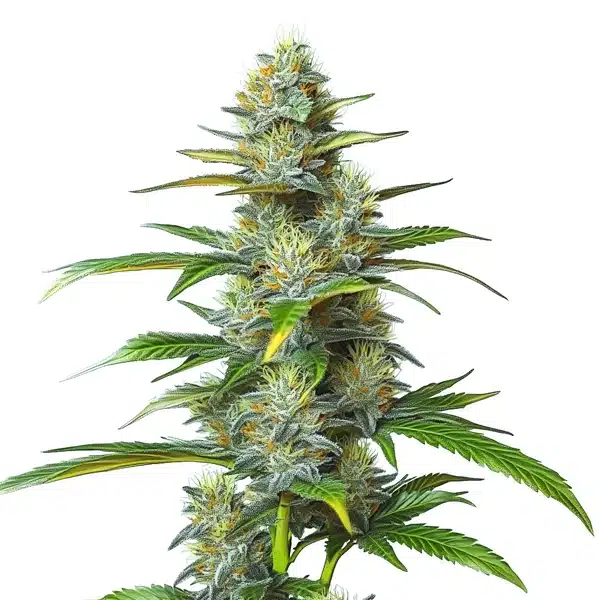
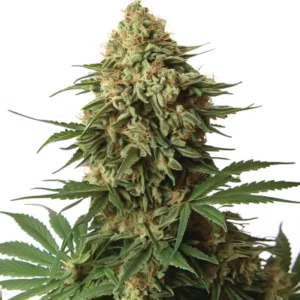
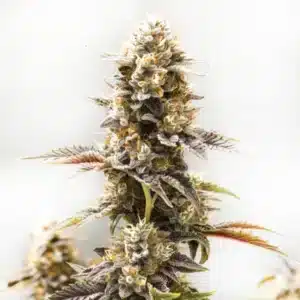
Moby Dick Autoflower

|
THC | 16% - 20% (Medium) |

|
Type | Autoflowering |

|
Yield | High |

|
Phenotype | 40% Indica / 60% Sativa |

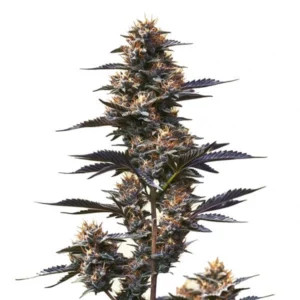
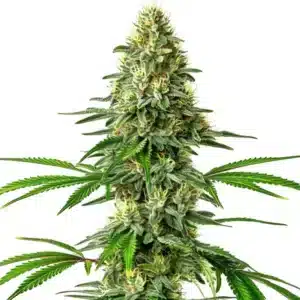
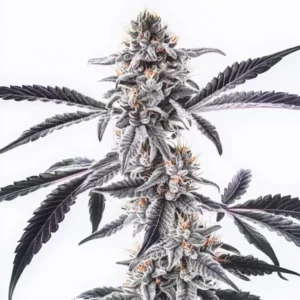
Northern Lights
|
|
THC | 17% (Medium) |
|
|
Type | Feminized |
|
|
Yield | High |
|
|
Phenotype | 90% Indica / 10% Sativa |
What is Light Stress in Plants?
Causes of Light Stress
Light stress in plants arises when the light intensity is either too high or too low, disrupting the photosynthetic process. Low light stress occurs when plants do not receive adequate light, leading to elongated stems and pale leaves. Conversely, excessive light, especially from LEDs, can cause leaf burn and stunted growth. The balance between light intensity and duration is crucial for optimal plant health.
Experienced growers report that maintaining a light intensity of 400-600 µmol/m²/s is ideal for vegetative growth, while flowering stages require 800-1000 µmol/m²/s. Low light levels below 200 µmol/m²/s can hinder photosynthesis, resulting in poor plant development. Monitoring light exposure with a PAR meter helps prevent these issues.
Symptoms of Light Stress
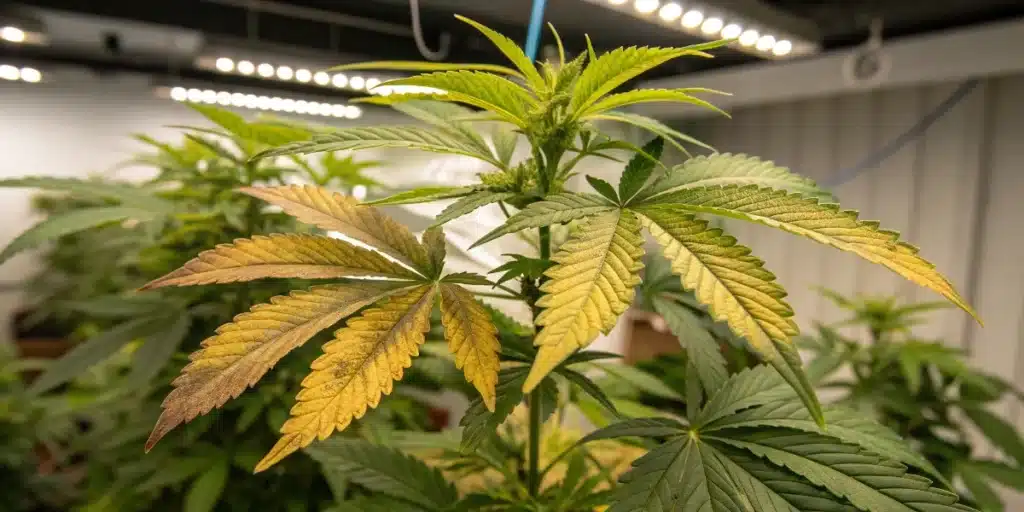
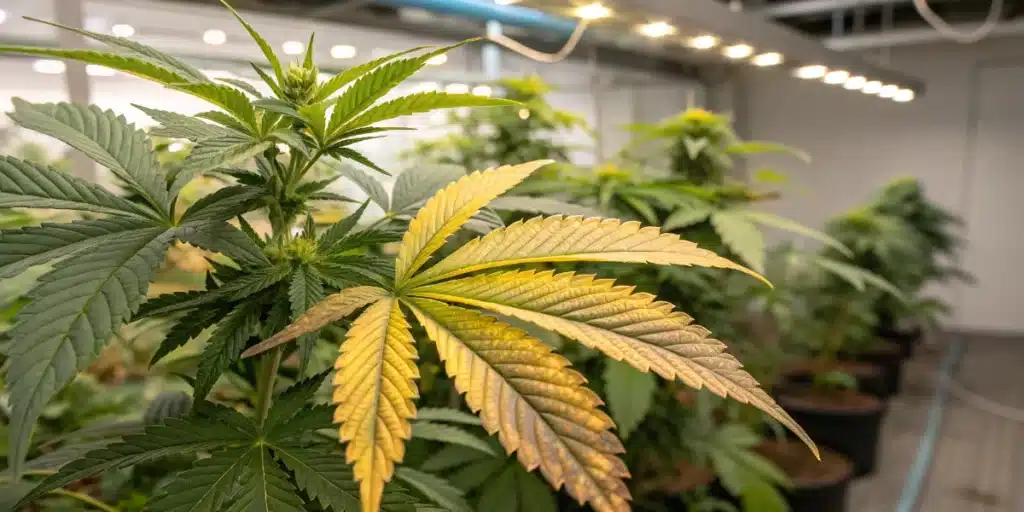
Common signs of too much light on plants include leaf burn, curling, and discoloration. These symptoms indicate that the plant is receiving more light than it can process, leading to cellular damage. On the other hand, low light conditions result in weak, leggy growth and reduced leaf size, as the plant struggles to capture enough light for photosynthesis.
Many cultivators share that leaf temperature should be kept between 68°F – 77°F (20°C – 25°C) to avoid stress. When temperatures exceed 85°F (29°C), combined with high light intensity, plants can experience heat stress, compounding the effects of light stress. Regularly checking leaf temperature with an infrared thermometer is recommended.
Promos & Deals
Light Stress in Indoor Plants
Managing Light Stress with LED Lights
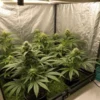
Indoor plants often suffer from light stress due to artificial lighting conditions. Excessive LED light exposure can cause significant stress in plants, as LEDs emit intense, focused light. It’s essential to adjust the distance between the light source and the plant canopy to prevent leaf burn and other stress symptoms.
Master growers have pointed out that a distance of 18-24 inches (45-60 cm) between LED lights and the plant canopy is optimal for most stages of growth. Reducing the light cycle to 18/6 during the vegetative stage can also help mitigate stress. Using a light meter to measure intensity ensures proper light distribution.
Light Stress in Outdoor Plants
Seasonal and Environmental Factors
When growing plants outdoors, light stress can be influenced by seasonal changes and environmental factors. During summer, the intense sunlight can lead to stress, while shorter daylight hours in winter may not provide enough light for optimal growth. Adjusting planting schedules and using shade cloths can help manage these challenges.
In artisanal cultivation circles, it’s recommended to plant in areas with partial shade during peak sunlight hours to prevent overheating. Monitoring soil moisture is also crucial, as dry soil can exacerbate light stress. A soil moisture level of 20-30% is ideal for maintaining plant health.
| Feature | Northern Lights | GG4 | Moby Dick Auto |
|---|---|---|---|
| Optimal Light Intensity | 600-800 µmol/m²/s | 700-900 µmol/m²/s | 500-700 µmol/m²/s |
| Leaf Temperature | 70°F (21°C) | 75°F (24°C) | 72°F (22°C) |
| Light Schedule | 18/6 | 20/4 | 18/6 |
| Terpene Profile | Myrcene | Caryophyllene | Limonene |
| Yield Outdoor | 17.64 – 21.16 oz/plant | 24.69 – 28.22 oz/plant | 14.11 – 17.64 oz/plant |
Solutions for Light Stress
Adjusting Light Exposure
To mitigate light stress, adjusting the light exposure is crucial. For indoor setups, this involves tweaking both the intensity and duration of light. Using dimmable LED lights can help fine-tune the light levels to suit different growth stages. Outdoor growers can utilize shade cloths to diffuse intense sunlight during peak hours.
Many cultivators share that gradually increasing light exposure during the transition from vegetative to flowering stages can prevent shock. A 10% weekly increase in light intensity is often recommended. Additionally, ensuring that plants receive 12-16 hours of light during the vegetative stage can promote robust growth.
Choosing the Right Lighting for Autoflowers
Autoflower strains require specific light conditions to avoid stress. Unlike photoperiod strains, autoflowers thrive with a consistent light schedule, typically 18/6 or 20/4. This consistency helps maximize their short lifecycle, which can range from 70 to 80 days from seed to harvest.
Autoflower enthusiasts often recommend using full-spectrum LED lights to mimic natural sunlight. These lights provide the necessary wavelengths for photosynthesis and flowering. A common mistake is using high-intensity lights too close to the canopy, which can lead to stress and reduced yields.
Professional Tips for Managing Light Stress
- Maintain 400-600 µmol/m²/s light intensity during vegetative growth to prevent low light stress. Below 200 µmol/m²/s can hinder photosynthesis.
- Keep leaf temperature between 68°F – 77°F (20°C – 25°C) to avoid heat stress. Use an infrared thermometer for accuracy.
- Position LED lights 18-24 inches (45-60 cm) above the canopy to prevent leaf burn. Adjust as plants grow.
- Use shade cloths outdoors during peak sunlight to diffuse light and prevent overheating.
- Gradually increase light intensity by 10% weekly during transition phases to avoid plant shock.
- For autoflowers, maintain a consistent 18/6 or 20/4 light schedule to support their rapid lifecycle.
FAQs on Light Stress in Plants
What is light stress in plants?
Light stress in plants occurs when they receive too much or too little light, disrupting photosynthesis. This imbalance can cause symptoms like leaf burn and stunted growth. Optimal light levels are crucial, with vegetative stages requiring 400-600 µmol/m²/s and flowering stages needing 800-1000 µmol/m²/s for healthy development.
How to fix too much LED light stress in plants?
To fix too much LED light stress, adjust the distance between the lights and the plant canopy, ideally 18-24 inches (45-60 cm). Reduce light intensity if signs of stress like leaf burn appear. Using a dimmable LED can help control the light output more effectively.
What does light stress look like on plants?
Light stress manifests as leaf burn, curling, and discoloration. These symptoms indicate that the plant is overwhelmed by light intensity. Monitoring light levels with a PAR meter and adjusting exposure can prevent these issues, ensuring healthy plant growth.
What is the 3-year rule for plants?
The 3-year rule for plants refers to the time it typically takes for perennial plants to establish and thrive. During this period, plants focus on root development and acclimation. Ensuring adequate light, water, and nutrients during this time is crucial for long-term health and productivity.
Can light stress affect autoflowering strains differently?
Yes, light stress can significantly impact autoflowering strains due to their rapid lifecycle. Consistent light schedules like 18/6 or 20/4 are essential to avoid stress. Autoflowers can suffer from reduced yields and growth issues if exposed to inconsistent or excessive light.