Improving Nutrient Uptake Through Transpiration in Weed Plants: guide

Transpiration plays a vital role in the life cycle of weed plants. It helps in the movement of water from the roots to the leaves. This process not only keeps the plant cool but also aids in improving nutrient uptake through transpiration in weed plants. By optimizing this natural mechanism, you can enhance the overall health and yield of your cannabis crops.
Transpiration works like a plant’s internal plumbing system. Water absorbed by the roots travels up through the plant and evaporates from the leaf surface. This water movement is crucial for nutrient transport. When water evaporates from the leaves, it creates a suction force that pulls more water and nutrients from the soil. This process is key to enhancing nutrient absorption in weeds through transpiration.
Recommended Strains
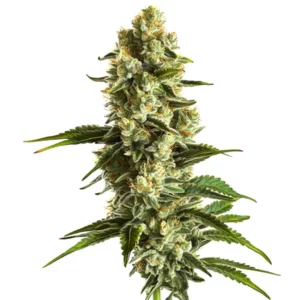
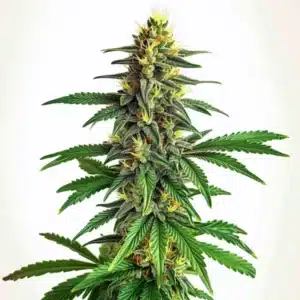
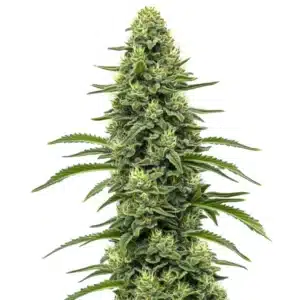
Banana Kush

|
THC | 17% - 21% (Medium) |

|
Type | Feminized |

|
Yield | High |

|
Phenotype | 60% Indica / 40% Sativa |

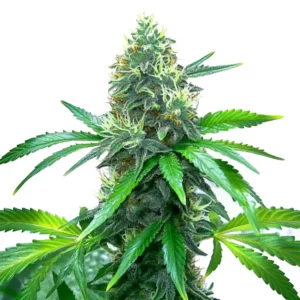
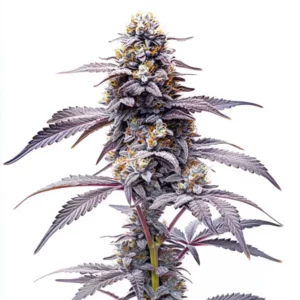
Blue Dream
|
|
THC | 17% - 24% (Medium) |
|
|
Type | Feminized |
|
|
Yield | High |
|
|
Phenotype | 50% Indica / 50% Sativa |
Maintaining the right environmental conditions is essential for optimizing transpiration for nutrient uptake in weed plants. Factors like humidity, temperature, and airflow can significantly affect how efficiently a plant can transpire. By controlling these factors, growers can increase nutrient uptake efficiency via transpiration in weeds, leading to healthier and more robust plants.
Environmental Factors Affecting Transpiration
Temperature is one of the most critical factors in transpiration. Higher temperatures can increase the rate of water evaporation from the leaves. This increase can improve weed plant growth by boosting transpiration, but it can also lead to dehydration if not managed properly. Therefore, balancing temperature is vital for maximizing nutrient delivery in weed plants through transpiration.
Humidity plays an equally important role. Low humidity levels can accelerate transpiration, while high humidity can slow it down. Finding the optimal humidity level ensures that your plants transpire at a rate that supports nutrient uptake without causing stress. This balance is crucial for improving nutrient uptake through transpiration in weed plants.
Light exposure is another environmental factor that influences transpiration. More light typically results in higher transpiration rates as the stomata open to facilitate photosynthesis. Managing light exposure can help in maximizing nutrient delivery in weed plants through transpiration by preventing excess water loss while ensuring adequate photosynthesis.
Soil quality and composition also impact the efficiency of transpiration. Well-aerated and nutrient-rich soil allows for better root absorption, which supports the plant’s overall ability to transpire effectively. Improving soil conditions can thus enhance nutrient absorption in weeds through transpiration, leading to healthier plants.
Optimizing Airflow for Better Transpiration
Proper airflow is essential for regulating transpiration rates. Good airflow helps remove excess moisture from the leaf surface, facilitating the transpiration process. Fans and ventilation systems can help maintain optimal airflow, ensuring that the plants can transpire effectively.
Airflow also aids in temperature control within the grow space. By circulating the air, you can prevent hot spots that may increase transpiration to harmful levels. Balanced airflow supports the plant’s ability to optimize transpiration for nutrient uptake in weed plants.
Consistent airflow can prevent the build-up of excess humidity around the plant canopy. This is crucial because stagnant air can lead to increased humidity levels, which may slow down transpiration rates. Consequently, maintaining a steady flow of air helps in improving weed plant growth by boosting transpiration.
Additionally, maintaining optimal airflow reduces the risk of fungal diseases such as powdery mildew, which thrive in damp conditions. This preventative measure supports the overall health and nutrient uptake efficiency of the plant by ensuring transpiration is not impeded by disease factors.
Choosing the Right Cannabis Strains
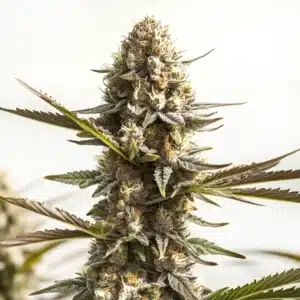
Some cannabis strains are better suited for efficient transpiration and nutrient uptake. For instance, the Banana Kush strain is known for its robust growth and high yield. This strain efficiently utilizes transpiration to enhance nutrient absorption.
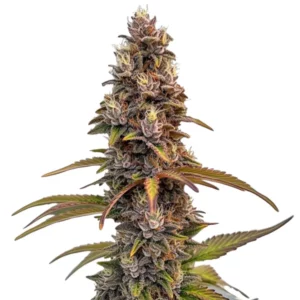
Another excellent choice is the Blue Dream strain. It thrives in various environmental conditions and has a strong root system that supports effective transpiration and nutrient uptake.
Choosing the right strain can simplify the process of maximizing nutrient delivery in weed plants through transpiration. Strains with natural resilience to environmental stressors can maintain optimal transpiration rates even under challenging conditions.
Additionally, research and experimentation with different cannabis strains can help identify those with superior traits for nutrient absorption. This approach allows growers to focus on strains that naturally facilitate the process of improving nutrient uptake through transpiration in weed plants.
Promos & Deals
Practical Tips for Enhancing Transpiration
Monitoring your plants is crucial. Regularly check the leaves for signs of dehydration or over-hydration. These signs can indicate whether the transpiration rate is balanced. Adjusting environmental factors based on these observations can help in improving nutrient uptake through transpiration in weed plants.
Using mulch can help retain soil moisture, reducing the need for excessive watering. This technique ensures a steady water supply to the roots, facilitating efficient transpiration and nutrient uptake. It’s a simple yet effective way to increase nutrient uptake efficiency via transpiration in weeds.
Frequent observation of plant behavior in response to environmental changes can provide insights into the efficiency of transpiration. By closely monitoring these changes, growers can make informed decisions to optimize transpiration for nutrient uptake in weed plants.
Regular assessment and adjustment of soil pH can further enhance nutrient uptake. Maintaining an optimal pH level ensures that nutrients are readily available for absorption, supporting the transpiration process and contributing to overall plant health.

Watering Techniques for Optimal Transpiration
Proper watering is critical. Overwatering can lead to root rot, while underwatering can cause dehydration. Finding the right balance is essential for supporting transpiration. It’s advisable to water deeply but less frequently to encourage roots to grow deeper into the soil.
Drip irrigation systems are a great option. They provide consistent moisture without waterlogging the soil. This method supports steady transpiration rates and enhances nutrient absorption in weeds through transpiration.
Adjusting the watering schedule to align with the plant’s growth cycle can improve nutrient uptake efficiency. During periods of rapid growth, slightly increasing water availability can support enhanced transpiration and nutrient transport.
Implementing a watering strategy that mimics natural rainfall patterns can also help. This approach can promote a more balanced root development, further improving nutrient uptake through transpiration in weed plants.
FAQs
How does transpiration affect nutrient uptake in weed plants?
Transpiration impacts nutrient uptake by creating a suction force that pulls water and dissolved nutrients from the soil into the roots. As water evaporates from the leaves, it facilitates the movement of essential minerals through the plant’s vascular system.
This process is vital for maximizing nutrient delivery in weed plants through transpiration. By ensuring adequate transpiration, you can support healthy growth and improve weed plant growth by boosting transpiration.
Knowing the link between transpiration and nutrient uptake can guide growers in making adjustments to environmental conditions. Such awareness helps in enhancing nutrient absorption in weeds through transpiration, ensuring plants receive the necessary nutrients for robust growth.
Moreover, fostering an environment conducive to optimal transpiration can lead to improved resilience against nutrient deficiencies. This resilience is crucial for maintaining healthy and productive cannabis crops over the long term.
What are the signs of poor transpiration in cannabis plants?
Signs of poor transpiration include wilting leaves, discolored foliage, and stunted growth. If the leaves appear droopy or show signs of nutrient deficiency, it could indicate that the plant is not transpiring effectively.
To address this, check environmental factors like humidity, temperature, and airflow. Adjusting these can help in enhancing nutrient absorption in weeds through transpiration, promoting healthier plant development.
Besides to visual symptoms, poor transpiration can also manifest as a reduced rate of photosynthesis. This reduction can further impact nutrient uptake, emphasizing the importance of maintaining optimal transpiration levels.
Regularly evaluating plant health and environmental conditions can preemptively identify issues related to transpiration. Early detection allows for timely interventions, preventing long-term damage to the plants.
Can transpiration rates be too high in weed plants?
Yes, excessively high transpiration rates can lead to dehydration. When plants lose water faster than they can absorb it, they may suffer from stress and nutrient imbalances.
To prevent this, maintain a controlled environment with balanced humidity and temperature levels. This ensures that plants can optimize transpiration for nutrient uptake in weed plants without risking water loss.
Implementing precise climate control measures can mitigate the risks associated with high transpiration rates. This approach safeguards nutrient uptake efficiency and supports consistent plant growth.
Monitoring tools such as hygrometers and thermometers can provide real-time data on environmental conditions, helping growers to make informed adjustments that prevent excessive transpiration.
What role does light play in transpiration?
Light influences transpiration by affecting the rate at which water evaporates from the leaf surface. More light generally increases transpiration rates, as stomata open wider to facilitate photosynthesis.
Carefully managing light exposure can aid in improving nutrient uptake through transpiration in weed plants. Ensure your plants receive adequate light without excessive exposure that might lead to dehydration.
Balancing light intensity and duration is essential for optimizing transpiration for nutrient uptake in weed plants. Excessive light can increase water loss, while insufficient light can reduce photosynthetic efficiency.
Incorporating light management strategies, such as using adjustable grow lights or shading techniques, can help maintain ideal transpiration conditions and support overall plant health.
How can I measure transpiration rates in my cannabis plants?
Transpiration rates can be measured using a combination of tools and observations. Weighing pots before and after watering can provide insights into water loss due to transpiration.
Additionally, using humidity and temperature sensors can help monitor environmental conditions that affect transpiration. These measurements support efforts in increasing nutrient uptake efficiency via transpiration in weeds.
Advanced techniques, such as using porometers, can offer precise measurements of stomatal conductance, providing deeper insights into the transpiration process.
Regularly recording and analyzing these data points can help identify trends and make informed decisions to enhance nutrient absorption in weeds through transpiration over time.