How UV Light Affects Cannabis Terpene Production

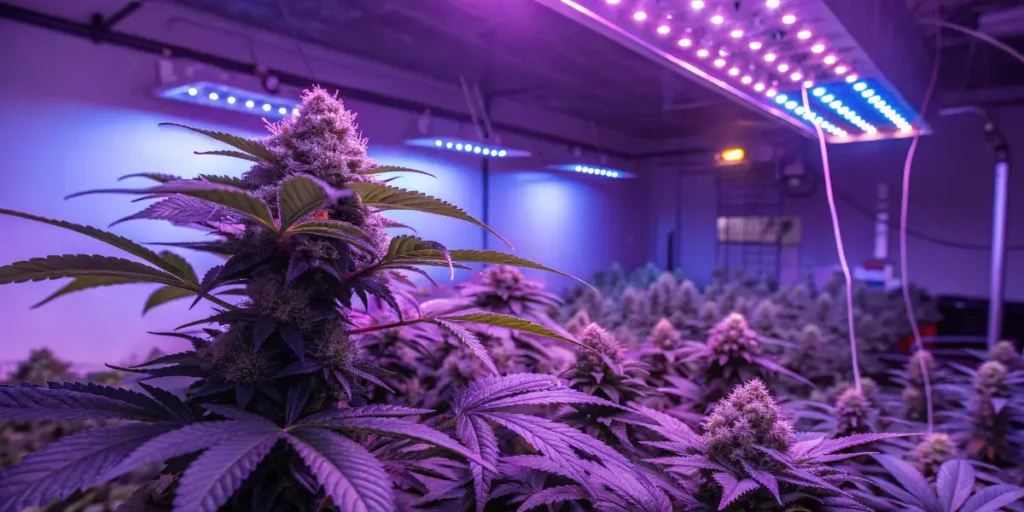
UV light and terpene production: The UV light effect on cannabis terpene production is significant, as ultraviolet (UV) light can greatly enhance terpene development, impacting both aroma and therapeutic benefits. UV-B exposure may boost terpene levels by up to 30%, making it a powerful tool for cultivators aiming to improve cannabis quality. Mastering the balance and application of UV light is crucial for optimizing terpene profiles and achieving a superior harvest.
Terpenes are the aromatic compounds responsible for the distinctive scents and flavors of cannabis, playing a vital role in the plant’s therapeutic effects. By integrating UV light, particularly UV-B, into your grow setup, you can significantly enhance terpene synthesis, leading to richer profiles. This approach not only influences the sensory experience but also boosts the plant’s overall potency and appeal.
Recommended Strains

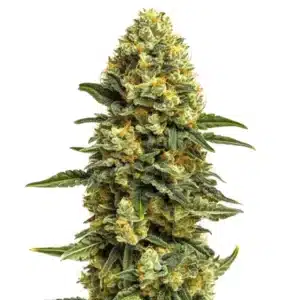
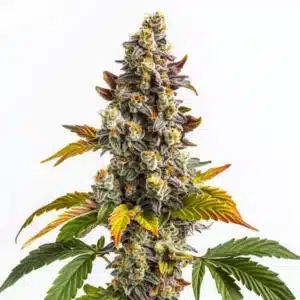
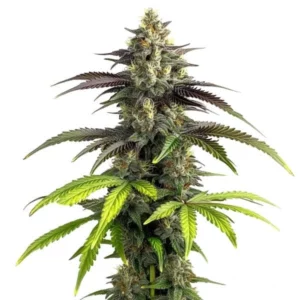
Charlottes Web

|
CBD | 10% – 12% (Medium) |

|
Type | CBD Feminized |

|
Yield | Medium |

|
Phenotype | 30% Indica / 70% Sativa |
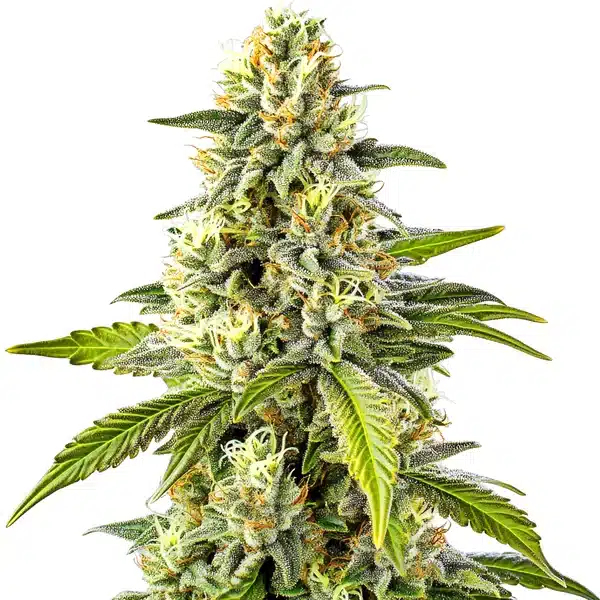
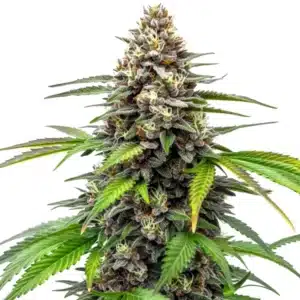
Cheese

|
THC | 14% - 18% (Medium) |
|
|
Type | Feminized |
|
|
Yield | Medium |
|
|
Phenotype | 60% Indica / 40% Sativa |
UV Light and Its Types
UV-A vs UV-B: Differences and Effects
Knowing the UV light effect on cannabis terpene production is essential for growers aiming to maximize aroma and resin quality. UV light is divided into three categories: UV-A, UV-B, and UV-C. For cannabis cultivation, UV-A and UV-B are the most relevant. UV-A, with wavelengths between 320–400 nm, primarily affects the plant’s morphology, promoting compact growth and robust leaf development. In contrast, UV-B, ranging from 280–320 nm, directly influences terpene production and THC levels, enhancing the plant’s aromatic and psychoactive properties.
Experienced growers report that UV-B exposure can increase terpene levels by 10-30%, depending on the strain and environmental conditions. For instance, strains like GG4 and Charlotte’s Web show significant terpene enhancement under controlled UV-B light exposure.
Insights from the Cultivation Community
Master growers have pointed out that UV-B light stimulates the plant’s defense mechanisms, leading to increased production of secondary metabolites like terpenes and cannabinoids. This response is due to the plant’s natural adaptation to UV stress, which enhances its protective compounds. The growing community has communicated that UV-B exposure can also increase THC content by up to 15%, making it a dual-purpose tool for boosting both aroma and potency.
In artisanal cultivation circles, the use of UV-B light is carefully timed, typically during the last 2-3 weeks of flowering, to maximize terpene and THC production without stressing the plants excessively. This period coincides with the plant’s natural peak in resin production, ensuring optimal results.
Promos & Deals
The Importance of Terpenes in Cannabis
Sensory and Therapeutic Effects
Terpenes are crucial for defining the unique aroma and flavor profiles of cannabis strains. They interact synergistically with cannabinoids, enhancing the plant’s therapeutic effects through the entourage effect. For instance, myrcene, found in Charlotte’s Web, enhances THC uptake, providing a calming effect, while caryophyllene in GG4 acts as an anti-inflammatory agent.
In cannabis, terpenes like limonene, pinene, and linalool contribute to stress relief, focus, and relaxation. The specific terpene composition can vary significantly between strains, with some like Cheese offering a skunky, cheesy aroma due to its high limonene content.
Practical Tips for Using UV Light in Cannabis Cultivation
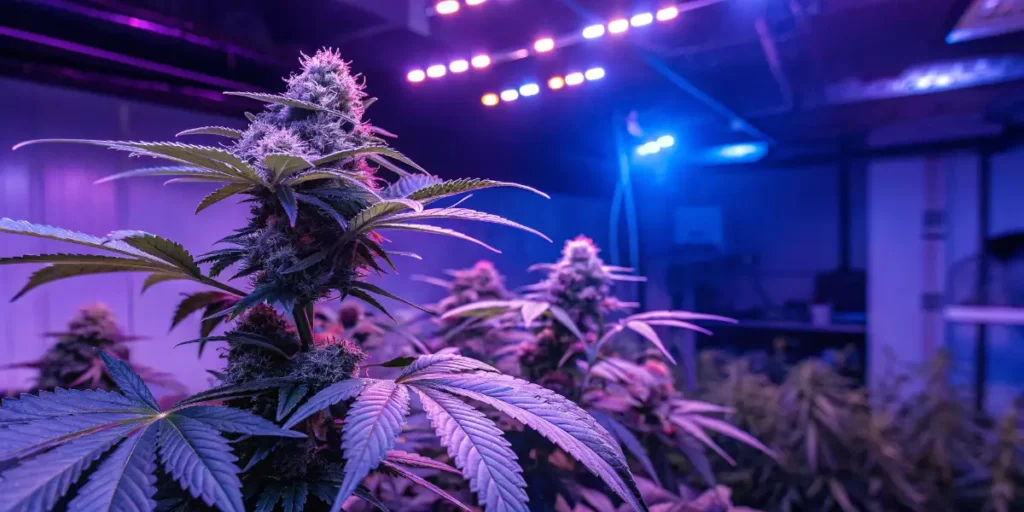
To maximize terpene production and take advantage of the UV light effect on cannabis terpene production, introduce UV-B light during the flowering phase, ideally in the last 2–3 weeks. Maintain a light intensity of 800–1000 µmol/m²/s to avoid plant stress. Ensure your UV setup includes safety measures, such as protective eyewear and timers, to prevent overexposure.
Master growers emphasize the importance of balancing UV light with other environmental factors, such as temperature and humidity, to prevent plant stress. Aim for a consistent environment with temperatures between 68°F – 77°F (20°C – 25°C) and humidity levels of 45-55% RH.
Professional Tips for Using UV Light
- Maintain 800-1000 µmol/m²/s UV-B intensity during late flowering to boost terpenes without stressing plants.
- Integrate UV-B exposure in the last 2-3 weeks of flowering for optimal terpene and THC enhancement.
- Keep temperatures at 68°F – 77°F (20°C – 25°C) and humidity at 45-55% RH to support terpene synthesis.
- Use protective eyewear and timers to manage UV exposure safely and effectively.
- Monitor plant responses closely; signs of stress include leaf curl and discoloration.
- Adjust UV exposure based on strain-specific responses; some strains may require less UV intensity.
FAQs about UV light effect on cannabis terpene production
What is the effect of UV light on cannabis plants?
UV light, particularly UV-B, enhances terpene and THC production in cannabis plants. It stimulates the plant’s defense mechanisms, leading to increased resin and secondary metabolite production. Growers report up to a 30% increase in terpene levels with controlled UV-B exposure.
How does UV-B light increase terpene production?
UV-B light triggers stress responses in cannabis plants, boosting the synthesis of terpenes and cannabinoids as protective compounds. This light exposure enhances the plant’s aroma and potency, with terpene levels increasing by 10-30% depending on the strain and conditions.
Are there any risks associated with using UV light on cannabis?
Yes, excessive UV exposure can stress plants, leading to leaf burn and reduced yields. It’s crucial to balance UV intensity and duration, using protective measures like eyewear and timers, to prevent overexposure and ensure plant health.
What are the best practices for using UV light in cannabis cultivation?
Introduce UV-B light during the last 2-3 weeks of flowering, maintain 800-1000 µmol/m²/s intensity, and monitor plant responses. Ensure environmental conditions are optimal, with temperatures between 68°F – 77°F (20°C – 25°C) and humidity at 45-55% RH.
Can UV light affect the THC content in cannabis?
Yes, UV-B light can increase THC content by up to 15% by stimulating cannabinoid synthesis. This effect is most pronounced when UV exposure is carefully timed during the flowering phase, enhancing both potency and aroma.