How to Reduce Negative Allelopathic Effects in Soil

For cannabis growers, soil health is a crucial factor in ensuring vibrant growth and abundant yields. One often overlooked challenge is allelopathy — a natural process where plants release chemicals that can harm their neighbors. If you’re cultivating autoflowering cannabis, knowing how to reduce negative allelopathic effects in soil is vital for success. Whether you’re a first-time grower or an experienced cultivator, this guide will help you mitigate these effects using practical strategies to maintain healthy soil and balanced plant interactions.
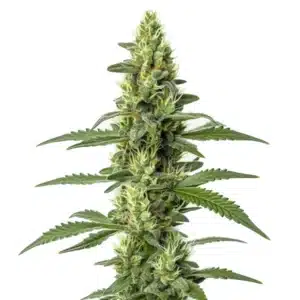
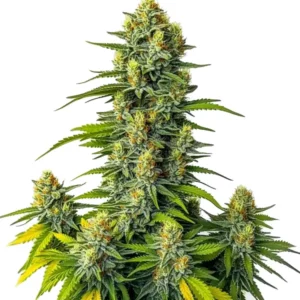
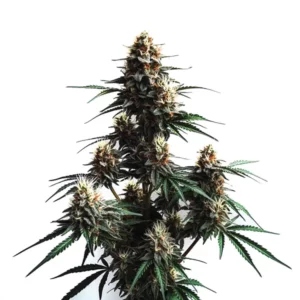
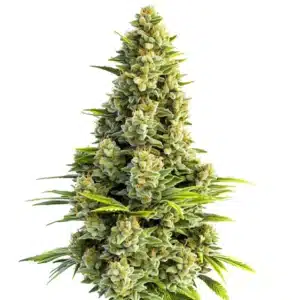
Allelopathy can result in stunted growth, poor germination rates, and even plant death. However, by choosing the right autoflower strains and employing proper soil management techniques, you can turn this challenge into an advantage. At Blimburn Seeds, we offer resilient autoflower genetics that thrive even in challenging soil conditions, including Fat Bastard Auto, Permanent Marker Auto, and HB Auto. Let’s explore practical steps to tackle allelopathic effects.
Recommended Strains
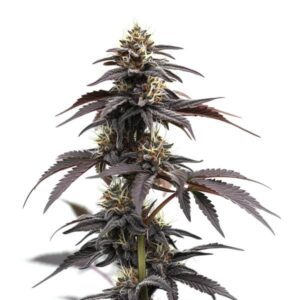
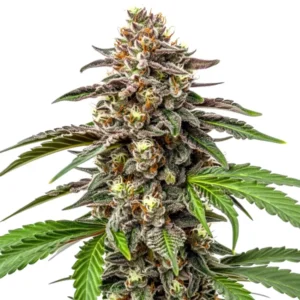
Headband Autoflower

|
THC | 18% - 24% (Medium) |

|
Type | Autoflowering |

|
Yield | Low |

|
Phenotype | 50% Indica / 50% Sativa |

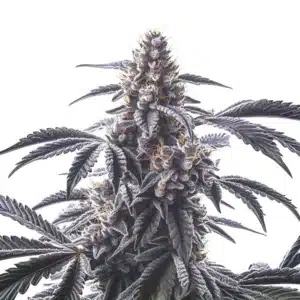
Fat Bastard Auto
|
|
THC | 30% - 38% (High) |
|
|
Type | Autoflowering |
|
|
Yield | High |
|
|
Phenotype | 50% Indica / 50% Sativa |
The key to managing allelopathy lies in knowing your soil’s unique characteristics and choosing strains that can withstand potential chemical interactions. By adopting organic practices and selecting resistant autoflower strains, you can create a healthy growing environment that supports your cannabis plants’ full potential.
Knowing allelopathic effects in cannabis cultivation
Allelopathy occurs when one plant releases biochemicals into the soil that may inhibit or even harm neighboring plants. This phenomenon can lead to reduced seed germination, slower growth rates, and lower yields. While it’s a natural process, it can negatively affect cannabis cultivation if not managed properly. Knowing how to reduce negative allelopathic effects in soil is crucial — implementing crop rotation, using organic matter, and maintaining healthy microbial activity can help neutralize harmful compounds and promote balanced plant growth.
Identifying allelopathic sources
For cannabis growers, identifying potential allelopathic sources is the first step toward mitigation. Common culprits include certain weeds, cover crops, and even some companion plants. By recognizing these sources, you can take steps to minimize their impact on your cannabis plants.
Monitor your plants’ health and growth patterns. If you notice unexplained stunting or discoloration, allelopathy might be at play. Regular soil testing can also reveal chemical imbalances caused by allelopathic interactions.
Choosing allelopathy-resistant autoflower strains
At Blimburn Seeds, several autoflower strains are known for their resilience and adaptability to difficult soil conditions.
- Fat Bastard Auto is a hardy, balanced hybrid capable of withstanding environmental stress while maintaining vigorous growth.
- Permanent Marker Auto offers strong genetic stability and tolerance to soil variations, making it ideal for growers facing potential allelopathic interactions.
- HB Auto (Headband Autoflower) is recognized for its robust root development and adaptability, which help it thrive in diverse growing environments.
These strains can help reduce the risk of allelopathic interference while maintaining excellent yields and potency.
Promos & Deals

Strategies to mitigate allelopathic soil effects
Organic soil amendments
Incorporating organic matter such as compost, aged manure, or green waste into your soil can help mitigate allelopathic effects. These materials improve soil structure, promote beneficial microbial activity, and dilute harmful compounds, creating a more balanced environment for your autoflower plants.
Crop rotation and companion planting
Practicing crop rotation and companion planting can significantly reduce negative allelopathic effects. Rotate crops to prevent chemical buildup in the soil, and choose companion plants that naturally repel pests without releasing allelopathic compounds. For cannabis, marigolds and basil are excellent companions that promote soil health and biodiversity.

Using mulches and cover crops
Mulching with organic materials like straw or wood chips helps suppress weeds that might produce allelopathic chemicals. Over time, these mulches decompose and enrich the soil. Cover crops such as clover or alfalfa can also protect and nourish your soil, competing with allelopathic weeds while improving soil structure.
Regular soil testing
Testing your soil regularly helps identify nutrient imbalances and the presence of allelopathic residues. These insights allow you to adjust your amendments and growing practices for optimal soil health and plant performance.
FAQs about How to reduce negative allelopathic effects in soil
What are allelopathic effects, and how do they impact cannabis growth?
Allelopathic effects occur when plants release biochemicals that negatively affect nearby plants. These chemicals can inhibit germination, stunt growth, and reduce yields, posing a challenge for cannabis cultivators.
How can I identify if my cannabis plants are affected by allelopathy?
Signs include poor germination, stunted growth, or unusual discoloration. If your plants are not thriving despite proper care, allelopathic interactions may be the cause. Observing plant behavior and conducting soil tests can confirm this.
What cannabis strains are resistant to allelopathic soil effects?
Strains such as Fat Bastard Auto, Permanent Marker Auto, and HB Auto are known for their resilience and ability to perform well in challenging soil conditions.
Can organic soil amendments help mitigate allelopathic effects?
Yes. Organic amendments like compost or aged manure improve microbial balance, enhance soil structure, and dilute harmful chemicals, creating a healthier environment for cannabis roots.
What are the best practices for preventing allelopathic effects in cannabis cultivation?
Rotate crops, use non-allelopathic companion plants, add organic amendments, mulch regularly, and test soil often. These practices maintain soil vitality and protect your autoflower strains from negative chemical interactions.