How to Decarb THCA Isolate for Optimal Potency

Decarboxylation Process: Decarboxylation involves the removal of a carboxyl group, releasing carbon dioxide (CO2). For cannabinoids like THCA (tetrahydrocannabinolic acid), this transformation is initiated by heat or light exposure over time. The process is crucial for converting THCA into THC, enabling its psychoactive properties to be utilized in various cannabis products.
Decarboxylating THCA isolate is essential for unlocking its full psychoactive potential. This process requires precise temperature control between 230°F and 250°F, typically taking 25-30 minutes. Understanding the unique terpene profiles and the effects they contribute can enhance the overall experience when using decarbed THCA isolate in edibles or other consumption methods. If rare cannabinoids interest you, we also explain how THCP is made.
Recommended Strains

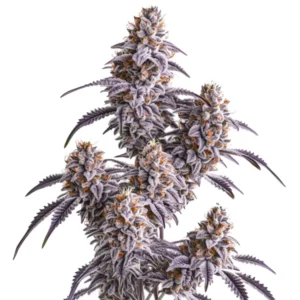
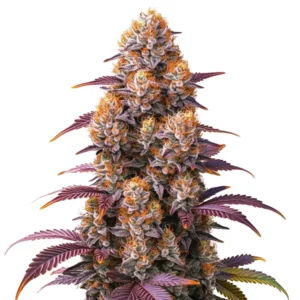
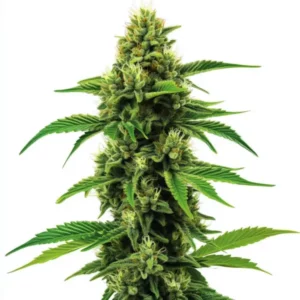
Black Cherry Soda

|
THC | 15% - 20% (Medium) |

|
Type | Feminized |

|
Yield | Low |

|
Phenotype | 50% Indica / 50% Sativa |

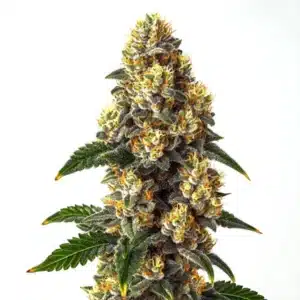
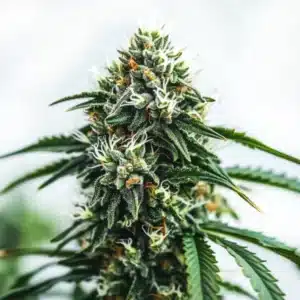
Black Domina
|
|
THC | 15% - 20% (Medium) |
|
|
Type | Feminized |
|
|
Yield | High |
|
|
Phenotype | 95% Indica / 5% Sativa |
THCA and Its Forms
What is THCA Isolate?
THCA isolate is a highly refined form of tetrahydrocannabinolic acid, extracted from raw cannabis plants. Unlike other cannabis products, THCA isolate is almost pure THCA, with concentrations often exceeding 95%. This purity makes it an ideal candidate for those seeking the therapeutic benefits of THCA without the psychoactive effects of THC.
THCA isolate is typically a crystalline powder, making it versatile for various consumption methods. Its purity ensures that users can experience the full effects of THCA, whether for medicinal or recreational purposes. The absence of other cannabinoids and terpenes in THCA isolate means its effects are primarily driven by THCA itself.
THCA Diamonds vs. THCA Isolate
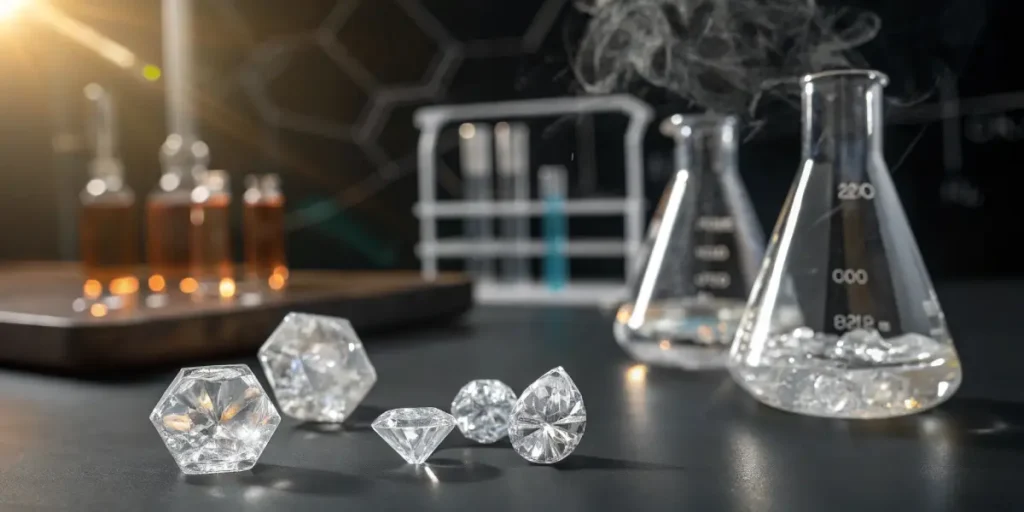
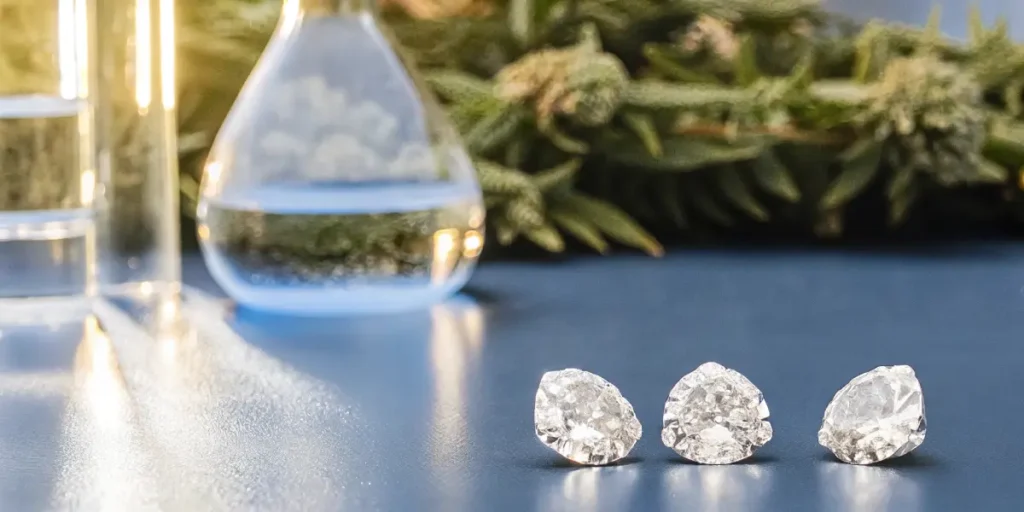
THCA diamonds and THCA isolate both offer high purity, but they differ in form and application. THCA diamonds are crystalline structures formed through a slower extraction process, often containing trace amounts of other cannabinoids. In contrast, THCA isolate is a fine powder, making it easier to measure and use in precise dosages.
The choice between THCA diamonds and isolate often depends on the intended use. Diamonds are popular for dabbing due to their crystalline nature, while isolate is preferred for edibles and tinctures. Both forms require decarboxylation to convert THCA into THC, unlocking their full psychoactive potential.
Promos & Deals
Why Decarboxylate THCA Isolate?
Unlocking Psychoactive Effects
Decarboxylation is essential for converting THCA into THC, the compound responsible for cannabis’s psychoactive effects. Without this process, THCA remains inactive, unable to produce the desired “high.” By heating THCA isolate, you transform it into THC, allowing it to interact with the body’s endocannabinoid system.
This interaction with the endocannabinoid system can produce effects such as euphoria, relaxation, and symptom relief. For those seeking these psychoactive effects, decarboxylation is a crucial step in preparing THCA isolate for consumption. The process also enhances the versatility of THCA isolate, enabling its use in various products.
Enhancing Versatility in Consumption
Decarbed THCA isolate can be used in a wide range of applications, from edibles to topicals. Its versatility makes it a valuable addition to any cannabis enthusiast’s toolkit. By converting THCA to THC, you open up new possibilities for consumption, allowing you to tailor your experience to your preferences.
Whether you’re infusing THCA isolate into oils or using it in a vaporizer, decarboxylation ensures that you get the most out of your product. This process maximizes the potency and effectiveness of THCA isolate, making it a preferred choice for both recreational and medicinal users.
| Feature / Merkmal | THCA Isolate | THCA Diamonds | THC Distillate |
|---|---|---|---|
| THCA Content | 95%+ | 90-95% | 0% |
| Form | Powder | Crystals | Liquid |
| Decarboxylation Required | Yes | Yes | No |
| Primary Use | Edibles, Tinctures | Dabbing | Vaping, Edibles |
| Psychoactive Effects | Post-Decarb | Post-Decarb | Immediate |
Step-by-Step Guide to Decarb THCA Isolate
Equipment and Materials Needed
To decarb THCA isolate, you’ll need a few essential tools. A heat-resistant glass or ceramic dish is crucial for holding the isolate during the process. You’ll also need a reliable thermometer to monitor the temperature closely, ensuring it stays within the ideal range of 230°F to 250°F (110°C to 120°C).
An oven is the preferred heat source for decarbing THCA isolate, as it provides consistent and even heating. However, a hot plate can be used as an alternative if an oven is unavailable. Gathering these materials beforehand ensures a smooth and successful decarboxylation process.
Step 1: Preheat Your Heat Source
Begin by preheating your oven or hot plate to a temperature between 230°F and 250°F. This range is optimal for decarboxylating THCA, allowing it to convert into THC without degrading. Ensuring the heat source reaches the desired temperature before proceeding is crucial for maintaining the quality of the THCA isolate.
Preheating creates a stable environment for the decarboxylation process, reducing the risk of uneven heating. This step is vital for achieving consistent results, as fluctuations in temperature can lead to incomplete conversion or degradation of THC.
Step 2: Place THCA Isolate in a Heat-Resistant Dish
Once your heat source is preheated, place the THCA isolate in a heat-resistant dish. Spread the isolate evenly to ensure uniform exposure to heat. Avoid overcrowding the dish, as this can lead to uneven heating and inconsistent decarboxylation.
Using a suitable dish not only ensures safety but also facilitates monitoring throughout the process. If you’re decarbing a larger quantity of THCA isolate, consider dividing it into multiple dishes to maintain even distribution and achieve consistent results.
Step 3: Begin Heating
Carefully place the dish with the THCA isolate into the oven or onto the hot plate. Allow the isolate to heat for 25-30 minutes, monitoring the temperature closely. Avoid opening the oven or removing the dish unnecessarily, as this can disrupt the process and affect the final product’s potency.
Maintaining a steady temperature is crucial for successful decarboxylation. Too much heat can degrade THC, while too little may leave some THCA unconverted. Consistent heating ensures that the THCA isolate reaches its full potential without any loss in quality.
Step 4: Monitor the Process
While the isolate is heating, keep an eye on the process without disturbing it excessively. The appearance of the THCA isolate will change as decarboxylation occurs, providing a visual cue that the process is underway. Avoid opening the oven door or moving the dish around too often, as this can cause temperature fluctuations.
Using a thermometer to monitor the temperature helps ensure consistency throughout the process. This step is particularly helpful for those new to decarbing, as it reduces the risk of burning the THCA isolate and preserves the final product’s potency and quality.
Step 5: Remove and Cool
After 25-30 minutes, carefully remove the dish from the heat source and allow the THCA isolate to cool at room temperature. Cooling is an important part of the process, as it allows the THCA to settle and fully convert into THC. Avoid handling the isolate immediately, as it may still be hot and fragile.
Once cooled, the decarbed THCA isolate is ready for use. Store it in an airtight container to preserve its potency or use it immediately for consumption. Decarbed THCA isolate offers a wide range of applications, from dabbing to infusions, making it a versatile choice for cannabis enthusiasts.
Professional Tips for Decarbing THCA Isolate
- Maintain a temperature of 230°F to 250°F during decarboxylation. Exceeding 250°F can degrade THC, reducing potency.
- Use a digital thermometer for precise temperature monitoring. Analog thermometers can be inaccurate, leading to inconsistent results.
- Spread THCA isolate evenly in the dish to ensure uniform heating. Clumping can cause uneven decarboxylation.
- Allow the isolate to cool completely before handling. Handling while hot can lead to loss of potency and quality.
- Store decarbed THCA isolate in an airtight container to preserve potency. Exposure to air can degrade THC over time.
- Consider using a sous vide method for precise temperature control. This technique minimizes the risk of burning the isolate.
FAQs on Decarbing THCA Isolate
Can you decarb THCA isolate?
Yes, you can decarb THCA isolate by heating it between 230°F and 250°F for 25-30 minutes. This process converts THCA into THC, unlocking its psychoactive effects. Ensure the temperature remains consistent to avoid degradation and maximize potency.
How to cook with THCA isolate?
To cook with THCA isolate, first decarb it to convert THCA into THC. Once decarbed, it can be infused into oils or butters for use in various recipes. Maintain a dosage of 5-10 mg THC per serving to start, adjusting based on personal tolerance and desired effects.
How long should you decarb THCA?
Decarbing THCA typically takes 25-30 minutes at a temperature range of 230°F to 250°F. This timeframe ensures complete conversion to THC without degrading the cannabinoid. Monitoring the process with a thermometer helps maintain the ideal temperature.
What is the difference between THCA and THCA isolate?
THCA is the acidic form of THC found in raw cannabis, while THCA isolate is a refined, pure form of this compound. THCA isolate is nearly 100% pure THCA, making it ideal for precise dosing and versatile applications, whereas raw THCA contains additional plant compounds.
Can I use THCA isolate in edibles?
Yes, THCA isolate can be used in edibles after decarboxylation. This process converts THCA into THC, allowing it to produce psychoactive effects. Infuse the decarbed isolate into oils or butters for cooking, ensuring accurate dosing for consistent results.