Expert Guide: How to Collect Samples for Cannabis DNA Testing

Collecting samples for cannabis DNA testing is essential for growers who want to maximize their yield and ensure the quality of their plants. Whether you’re a first-time buyer or an experienced cultivator, knowing how to collect samples for cannabis DNA testing can make all the difference in your growing success. The process might sound daunting, but with the right approach, it’s straightforward and rewarding.
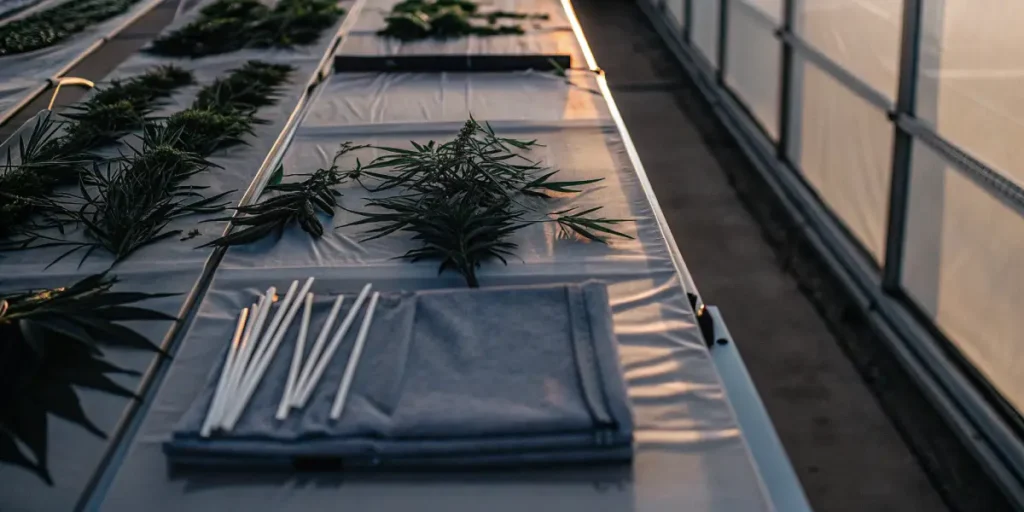
Starting with the right tools is key. You’ll need sterilized scissors, gloves, and clean storage bags. It’s crucial to avoid contamination, as this can affect the accuracy of the results. When you’re ready to start, choose healthy, mature plants for the best DNA analysis outcomes.
Recommended Strains

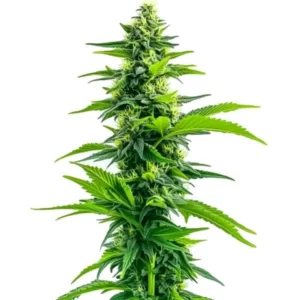
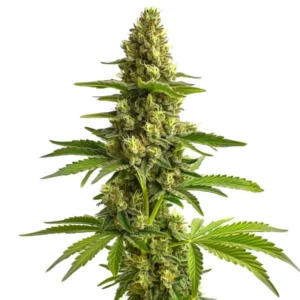
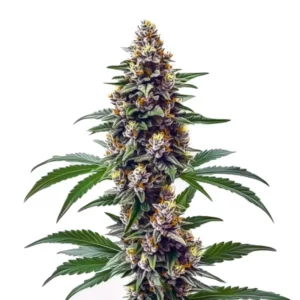
Gelato

|
THC | 27% (High) |

|
Type | Feminized |

|
Yield | High |

|
Phenotype | 50% Indica / 50% Sativa |
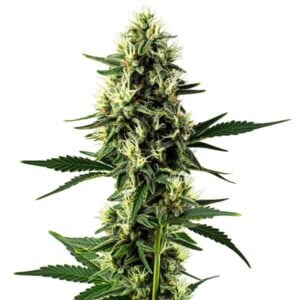
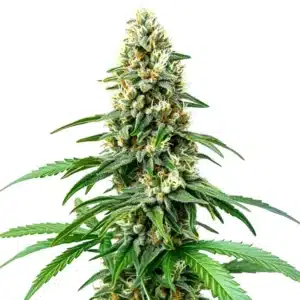
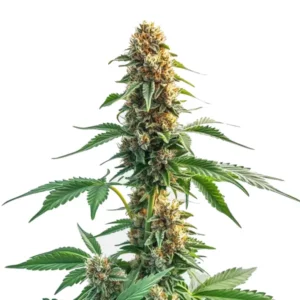
Bruce Banner #3
|
|
THC | 20% - 29% (High) |
|
|
Type | Feminized |
|
|
Yield | Medium |
|
|
Phenotype | 50% Indica / 50% Sativa |
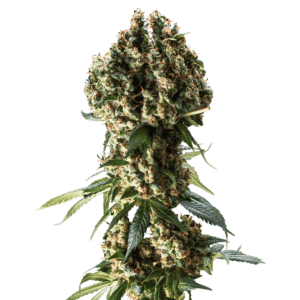
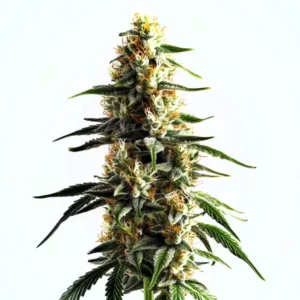
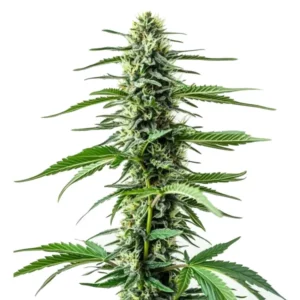
Let’s dive deeper into how to gather plant samples for cannabis DNA analysis. By following a step-by-step guide to cannabis sample collection for DNA testing, you can ensure your samples are accurate and reliable. This guide will also introduce you to some popular strains from Blimburn Seeds, such as Gelato, Bruce Banner 3, and Granddaddy Purple, which are perfect candidates for DNA testing.
Preparation and Tools Needed for Cannabis DNA Sample Collection
Before you start, gather all necessary tools. Sterilized scissors, latex gloves, and airtight bags are essentials. These tools help prevent contamination, ensuring accuracy in cannabis DNA sample collection. A clean environment is also paramount. Work on a non-porous surface that can be easily sanitized.
Next, prepare your plants. It’s best to select a few healthy leaves from each plant. This ensures that you have enough material to work with. Be gentle when handling the plants to avoid damaging them. Label each sample clearly with the strain’s name, like Gelato from Blimburn Seeds, and the date of collection.
Once your tools are prepared, inspect each plant for signs of health and vitality. Avoid selecting leaves that show any sign of damage or disease. This is an important step in ensuring the samples you collect will yield reliable DNA results. Proper handling of tools and samples will help maintain the integrity of the DNA.
Besides to your basic tools, consider using a magnifying glass to inspect the leaves for any signs of pests or disease. This added precaution helps in ensuring the quality of the samples collected. By following these steps, you’ll be well on your way to mastering the art of how to collect samples for cannabis DNA testing.
Promos & Deals
Step-by-Step Guide to Cannabis Sample Collection for DNA Testing
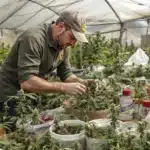
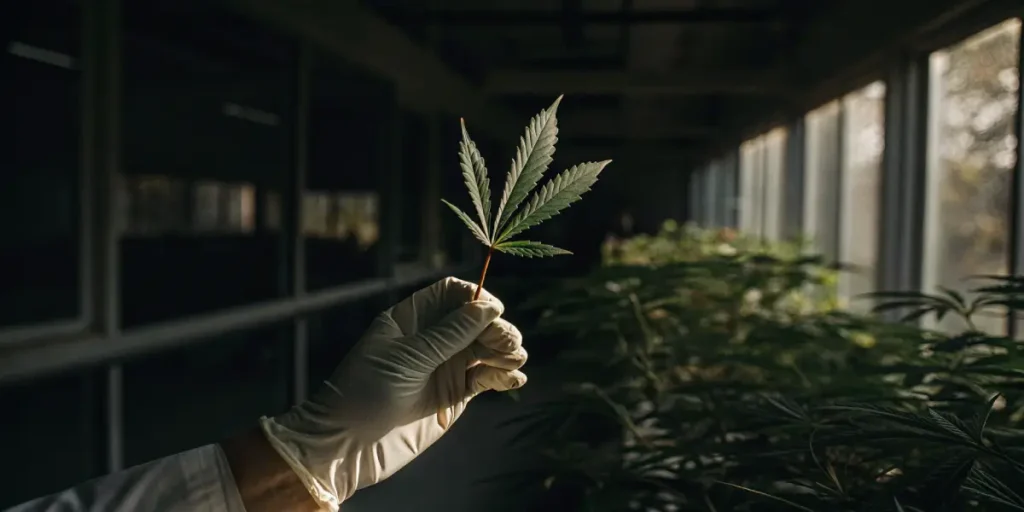
Start by washing your hands thoroughly and putting on gloves. This minimizes the risk of transferring any contaminants to the samples. Use sterilized scissors to cut a small section of the leaf. The sample should be about one inch long, providing enough material for analysis.
Place the sample in an airtight bag immediately. Seal the bag to prevent any air from entering, which could degrade the sample. It’s important to keep the samples cool and dry until they can be sent for analysis.
Ensure that each sample is handled with care to avoid physical damage that could compromise the DNA. The step-by-step guide to cannabis sample collection for DNA testing emphasizes the need for precision and attentiveness at every stage of the process. Following these guidelines will help you achieve consistent and reliable results.
After sealing the samples, store them in a location free from excessive heat or light. This will help preserve the integrity of the DNA until the samples reach the lab. Quick and careful handling, combined with proper storage, are key components in the best practices for collecting cannabis DNA samples.
Best Practices for Collecting Cannabis DNA Samples
Consistency in your sampling process is vital. Always use the same method and tools for each collection to ensure your results are comparable. Document each step and keep a detailed record of your samples. This practice helps in tracking and knowing the DNA profiles of different strains.
Consider the timing of your sample collection. The best time is during the vegetative stage when the plants are healthy and robust. Avoid collecting samples from stressed or diseased plants, as this can skew the results. Healthy plants, such as those from Blimburn Seeds, provide the most accurate DNA profiles.
Recording detailed notes about each sample, including environmental conditions at the time of collection, can be invaluable. This information helps in knowing any variables that might affect the DNA analysis. By adhering to these best practices, you can ensure the reliability of your results.
Regularly reviewing and refining your collection process will further enhance the accuracy of your results. As you gain experience, you’ll become more adept at recognizing potential issues and addressing them proactively. This ongoing improvement is key to mastering how to gather plant samples for cannabis DNA analysis.
Ensuring Accuracy in Cannabis DNA Sample Collection
To ensure accuracy, double-check that all tools are sterilized and that your working environment is clean. Any contamination can lead to false readings. It’s also important to label each sample correctly, noting the strain and collection date.
Store samples properly to preserve their integrity. Keep them in a cool, dry place until they’re ready for testing. Quick processing is ideal, as it reduces the risk of degradation. Promptly send samples to the lab for analysis to obtain the most accurate results.
Maintaining a meticulous approach to sample collection is essential. Double-checking each step of the process, from sterilization to labeling, minimizes the potential for error. This careful attention to detail is critical in ensuring accuracy in cannabis DNA sample collection.
Communicate with your testing lab to understand their requirements and expectations. This collaboration ensures that the samples you provide are processed efficiently and effectively, leading to the most reliable DNA analysis possible. By following these guidelines, you can confidently manage the DNA testing process for your cannabis plants.
FAQs about how to collect samples for cannabis DNA testing
What is the best way to store cannabis DNA samples?
The best way to store cannabis DNA samples is in airtight bags placed in a cool, dry environment. This prevents moisture and air from degrading the samples. Ensure that each bag is sealed tightly to maintain the sample’s integrity.
It’s also crucial to label each sample clearly. Include the strain name, collection date, and any other relevant information. Proper labeling helps track each sample’s origin and ensures accurate DNA analysis.
Consider using desiccants in storage containers to absorb any excess moisture that could compromise the samples. This extra step is another layer of protection to maintain the quality of the DNA. Keeping the samples away from direct light will also aid in preserving their integrity.
Regularly check the condition of stored samples, especially if there is any delay in sending them to the lab. By monitoring storage conditions, you can make necessary adjustments to prevent degradation, ensuring that your DNA results remain accurate and reliable.
How can I prevent contamination during sample collection?
Preventing contamination starts with using sterilized tools. This includes scissors and gloves. Always work on a clean surface and wash your hands before starting the process. Avoid touching the sample directly with your hands.
Another tip is to handle plants gently to avoid transferring any unwanted substances. By maintaining a clean environment and using sterilized equipment, you significantly reduce the risk of contamination.
Implementing a systematic routine for sanitizing your workspace before and after each collection session is crucial. This practice helps in creating a contamination-free environment. Consistently applying these measures ensures that your samples remain uncontaminated.
Educate any team members involved in the process about the importance of contamination prevention and proper handling techniques. Everyone should be aware of the protocols to follow, which reinforces the collective effort to maintain sample integrity throughout the collection process.
Why is it important to label samples accurately?
Accurate labeling ensures that each sample can be correctly identified and analyzed. This is important when comparing DNA profiles across different strains or plants. Mislabeling can lead to confusion and inaccurate results.
Labels should include the strain name, collection date, and any other relevant data. This information is crucial for both the grower and the lab conducting the DNA analysis.
Using durable labels that resist smudging or fading helps maintain legibility over time. This is particularly important if there are delays in processing the samples. Investing in high-quality labeling materials supports long-term sample management.
Establish a standardized labeling protocol that everyone involved in the collection process can follow. This consistency helps prevent errors and ensures that all samples are cataloged in a manner that facilitates efficient tracking and analysis.
What strains from Blimburn Seeds are ideal for DNA testing?
Strains like Gelato, Bruce Banner, and Granddaddy Purple from Blimburn Seeds are excellent choices for DNA testing. These strains are known for their robust growth and unique genetic profiles, making them ideal candidates.
Testing these strains can provide valuable insights into their genetic makeup, helping growers optimize their cultivation techniques and improve yield.
Exploring the genetic profiles of these strains can also aid in breeding programs, allowing growers to select desirable traits for future generations. This strategic approach contributes to the development of superior cannabis varieties.
Incorporating DNA testing into your cultivation practice offers a scientific edge, enhancing your knowing of each strain’s potential. With Blimburn Seeds’ high-quality genetics, growers can take full advantage of the insights gained from DNA analysis.
How soon should samples be sent for DNA testing?
Samples should be sent for DNA testing as soon as possible. This reduces the risk of degradation and ensures the most accurate results. Delays in sending samples can lead to less reliable data.
It’s advisable to coordinate with the testing lab before collection. This ensures that samples are received and processed promptly, maximizing the accuracy of the DNA analysis.
Establishing a reliable courier service for transporting samples can help streamline the delivery process. Ensuring that samples reach the lab quickly minimizes the time they spend in transit, reducing the risk of any potential degradation.
Keep an open line of communication with the testing lab to receive updates on the status of your samples. This proactive approach helps in addressing any unforeseen issues and ensures that the DNA testing process proceeds smoothly and efficiently.