How to Choose Between Tissue and Sap Testing for Cannabis Cultivation

When cultivating cannabis, knowing the nutritional status of your plants is crucial for achieving optimal yields. Two common methods for analyzing plant health are tissue testing and sap testing. Both techniques offer unique insights into the nutrient content and overall health of your cannabis plants. Knowing how to choose between tissue and sap testing for cannabis cultivation is essential, as each method provides different advantages depending on your growing stage, goals, and desired precision in nutrient management.
Tissue testing involves analyzing a small sample of plant material, usually leaves, to assess nutrient levels. This method provides a snapshot of the available nutrients in the plant. Sap testing, on the other hand, measures the nutrient content of the plant’s sap, offering a dynamic view of nutrient uptake and translocation. Knowing these differences is essential for making informed decisions about which method to use in your cannabis garden.
Recommended Strains

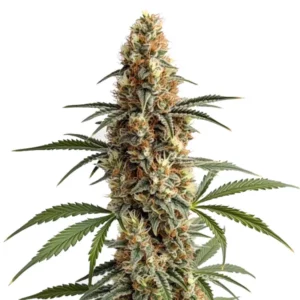
Chocolate Mint OG

|
THC | 20% - 25% (Medium) |

|
Type | Feminized |

|
Yield | High |

|
Phenotype | 80% Indica / 20% Sativa |

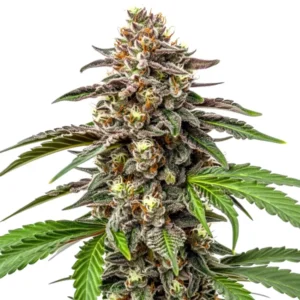
Moby Dick
|
|
THC | 24% - 27% (High) |
|
|
Type | Feminized |
|
|
Yield | High |
|
|
Phenotype | 40% Indica / 60% Sativa |
In this guide, we’ll delve into the nuances of these two testing methods. We’ll explore their benefits, how to choose between tissue and sap testing for cannabis cultivation, and when each method is most appropriate. Let’s embark on this journey to better understand your plants’ needs.
Knowing Nutrient Testing Outcomes
The primary goal of nutrient testing, whether through tissue or sap analysis, is to ensure that your cannabis plants are receiving the right balance of nutrients. This balance is critical for healthy growth and maximizing yield. Each method provides different insights into the plant’s nutritional status, which can guide your fertilization strategy. Knowing how to choose between tissue and sap testing for cannabis cultivation helps growers make informed decisions, optimizing nutrient management for stronger, more productive plants.
Tissue testing offers a static analysis of nutrient levels at a particular moment in time. It helps identify nutrient deficiencies or toxicities that might be affecting your plants. Sap testing, meanwhile, provides a more dynamic view. It allows growers to monitor nutrient uptake and movement within the plant, offering a more immediate picture of plant health.
- Tissue testing is ideal for detecting chronic nutrient issues.
- Sap testing is better suited for monitoring real-time nutrient uptake.
Promos & Deals



Choosing the Right Testing Method for Your Needs
Deciding on the best testing method depends on your specific goals and growing conditions. For long-term nutrient management, tissue testing can be an excellent choice. It provides a comprehensive overview of nutrient levels, helping you adjust your fertilization strategy accordingly. This method is particularly useful for identifying underlying nutrient imbalances that could affect plant health over time.
On the other hand, sap testing is advantageous for growers who need real-time data. If you’re looking to make immediate adjustments to your feeding regimen, sap testing can offer quick insights. It’s particularly useful during critical growth stages when nutrient uptake is most vital.
Product Recommendations: Strains for Effective Testing
White Widow
White Widow is a robust strain known for its resilience and high yields. It thrives in various growing environments, making it a versatile choice for both novice and experienced growers. This strain’s consistent performance makes it an excellent candidate for both tissue and sap testing, providing clear insights into nutrient management strategies.
- Yield: High
- Flowering: 8–10 weeks
- THC: 18-25%
- Terpene Hints: Earthy, woody
Chocolate Mint OG
Chocolate Mint OG is a delightful strain with a unique flavor profile and potent effects. Its complex nutrient needs make it an interesting subject for nutrient testing. Tissue testing can help ensure this strain receives the balanced nutrition it requires for optimal growth, while sap testing can guide real-time adjustments to its feeding schedule.
- Yield: High
- Flowering: 8–9 weeks
- THC: 20-25%
- Terpene Hints: Chocolate, mint
Moby Dick
Moby Dick is a powerhouse strain that thrives under optimal nutrient conditions. It is known for its energizing effects and high yield potential. Utilizing both tissue and sap testing can ensure this strain reaches its full potential, providing a comprehensive view of its nutrient uptake and helping you fine-tune your fertilization strategy.
- Yield: High
- Flowering: 9–10 weeks
- THC: 24-27%
- Terpene Hints: Citrus, pine

When to Use Tissue vs. Sap Testing
There are specific scenarios where each testing method shines. Tissue testing is particularly beneficial during the vegetative stage when long-term nutrient balance sets the foundation for healthy flowering. It helps identify chronic deficiencies or toxicities that could hinder growth.
Sap testing, conversely, is ideal during the flowering stage when nutrient demands are at their peak. It provides real-time data, enabling growers to make rapid adjustments to their feeding regimen. This method ensures that nutrient uptake aligns with the plant’s immediate needs, promoting robust flowering and maximizing yield.
FAQs About How to choose between tissue and sap testing for cannabis cultivation
What is the primary difference between tissue and sap testing?
The primary difference lies in the type of information each test provides. Tissue testing offers a static snapshot of nutrient levels at a specific point in time. It helps identify underlying nutrient imbalances that may affect plant health over the long term. Sap testing, on the other hand, provides dynamic insights into nutrient uptake and translocation, offering real-time data for immediate adjustments.
While both methods are useful, they serve different purposes in cannabis cultivation. Tissue testing is ideal for diagnosing chronic nutrient issues, while sap testing is better suited for monitoring and adjusting nutrient uptake during critical growth stages. Knowing these differences can help growers make informed decisions about their nutrient management strategies.
How often should I conduct tissue or sap testing?
The frequency of testing depends on your specific goals and growing environment. Tissue testing is typically conducted at key growth stages, such as before the transition to flowering, to ensure nutrient balance. Many growers choose to test every few weeks to monitor changes in nutrient levels and adjust their fertilization strategy accordingly.
Sap testing is often conducted more frequently, especially during peak growth periods. Weekly or bi-weekly testing can provide timely insights into nutrient uptake, allowing for quick adjustments to your feeding regimen. The goal is to maintain optimal nutrient levels that support healthy plant growth and maximize yield.
Can I use both testing methods simultaneously?
Yes, using both tissue and sap testing simultaneously can provide a comprehensive view of your plants’ nutritional status. This dual approach allows growers to diagnose long-term nutrient imbalances while also monitoring real-time nutrient uptake. By combining both methods, you can create a robust nutrient management plan that supports healthy growth throughout the plant’s lifecycle.
For instance, tissue testing can guide your overall fertilization strategy, while sap testing can inform immediate adjustments to your feeding schedule. This combination ensures that your plants receive the right nutrients at the right time, promoting optimal growth and maximizing yield.
What are the costs associated with tissue and sap testing?
The costs of nutrient testing can vary depending on the type of analysis and the laboratory conducting the tests. Tissue testing is generally more affordable, with costs ranging from $20 to $50 per sample. This method provides valuable insights into nutrient levels but may require multiple tests to track changes over time.
Sap testing can be more expensive, with costs typically ranging from $50 to $100 per sample. However, the dynamic data it provides can be invaluable for making real-time adjustments to your feeding regimen. The investment in sap testing can pay off in terms of healthier plants and higher yields.
What are the potential limitations of each testing method?
While both testing methods offer valuable insights, each has its limitations. Tissue testing provides a static snapshot of nutrient levels and may not reflect the plant’s current nutrient uptake. It is also less effective at diagnosing acute nutrient problems that require immediate attention.
Sap testing, while dynamic, can be more complex and costly. It requires specialized equipment and expertise to interpret the results accurately. Additionally, sap testing may not be suitable for all plants or growth stages. Knowing these limitations can help growers choose the most appropriate testing method for their specific needs.