How Packaging Affects Water Activity in Cannabis

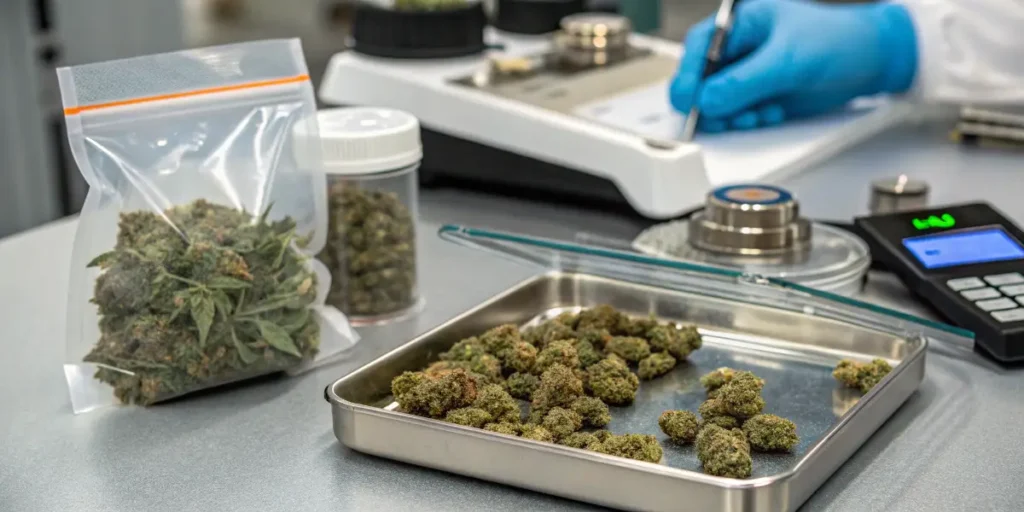
Packaging’s Role in Cannabis Quality: Packaging significantly influences the water activity in cannabis, a critical factor for maintaining its quality and safety. Knowing how packaging affects water activity in cannabis is essential, as different packaging materials can alter water activity levels, impacting freshness and potency. For example, vacuum-sealed packaging effectively reduces water activity, thereby extending the shelf life of cannabis products by minimizing moisture content.
Terpenes play a vital role in the sensory profile of cannabis, with specific strains like GG4 showcasing earthy and pine notes. Proper packaging can preserve these delicate compounds, ensuring the aromatic and therapeutic qualities remain intact. With a flowering time of 8-9 weeks, maintaining optimal conditions during storage is crucial for retaining potency and flavor.
Recommended Strains
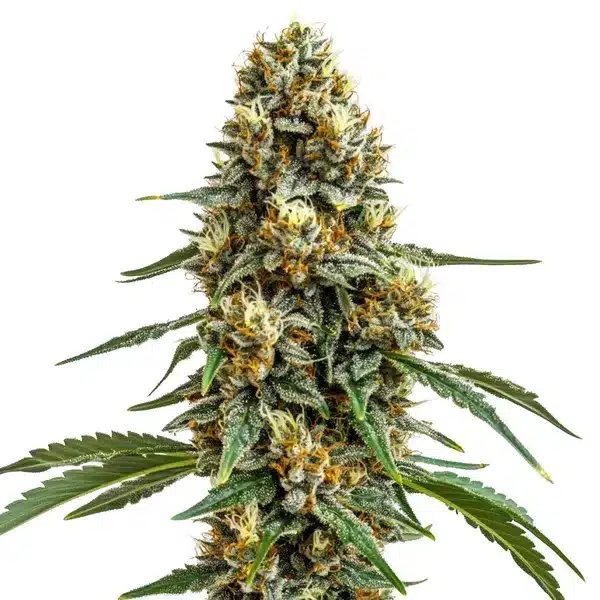
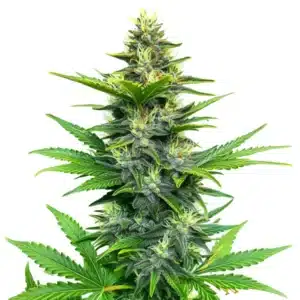
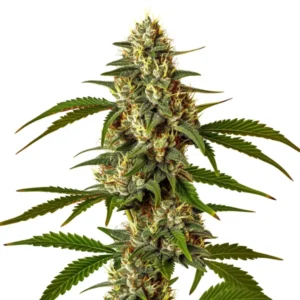
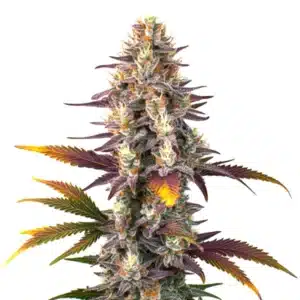
Durban Poison

|
THC | 15% - 25% (High) |

|
Type | Feminized |

|
Yield | High |

|
Phenotype | 10% Indica / 90% Sativa |

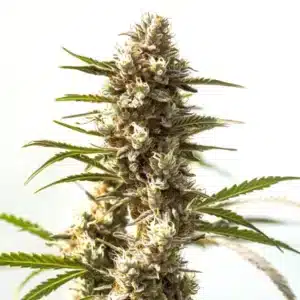
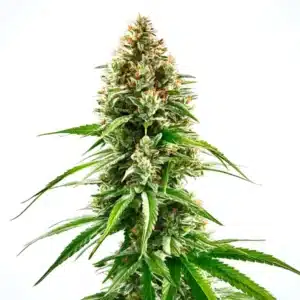
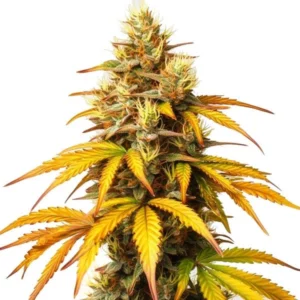
Blueberry Kush Regular
|
|
THC | 15% - 19% (Medium) |
|
|
Type | Regular |
|
|
Yield | High |
|
|
Phenotype | 80% Indica / 20% Sativa |
Water Activity in Cannabis
What is Water Activity?
Water activity (aw) measures the free moisture in cannabis, influencing its stability and shelf life. It ranges from 0 to 1, with cannabis ideally between 0.55 and 0.65. This range prevents microbial growth while maintaining cannabinoid and terpene integrity. Experienced growers emphasize the importance of controlling water activity to avoid mold and degradation.
Accurate measurement of water activity is essential for cannabis quality. Devices like hygrometers provide precise readings, ensuring the aw stays within the desired range. For instance, keeping aw below 0.65 prevents Botrytis, a common mold, from developing within 48 hours.
Why is Water Activity Important for Cannabis?
Water activity directly impacts cannabis preservation. High aw levels can lead to microbial contamination, while low levels may cause brittleness and terpene loss. Maintaining a balance is crucial for preserving both the psychoactive and therapeutic properties of cannabis. Cultivators often use desiccants to control humidity within packaging.
Master growers suggest maintaining aw between 0.55 and 0.65 to ensure optimal freshness and potency. This range helps preserve the cannabinoid profile, including THCA levels of 22-26% in strains like Blueberry Kush Regular, while enhancing the entourage effect through terpene preservation.
Promos & Deals
How Packaging Affects Water Activity in Cannabis
Types of Packaging Materials
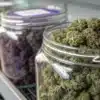
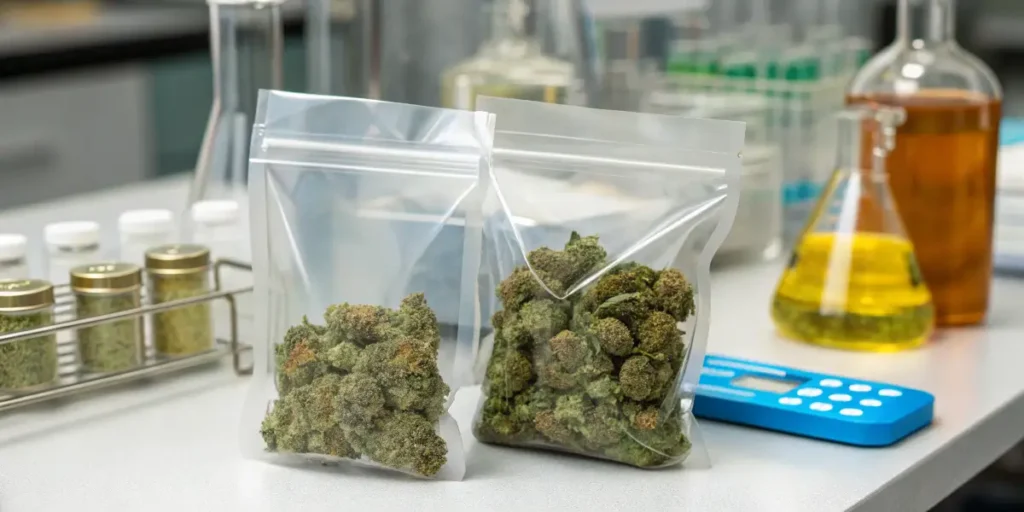
Different packaging materials affect water activity in cannabis. Glass jars, vacuum-sealed bags, and plastic containers each offer varying levels of moisture control. Glass jars are preferred for their ability to maintain humidity, while vacuum-sealed bags are effective in reducing aw to extend shelf life.
Plastic containers, although convenient, may not provide the same level of moisture control as glass or vacuum-sealed options. The choice of packaging impacts the preservation of terpenes like Myrcene, which contributes to the earthy aroma and enhances THC uptake through the blood-brain barrier.
Impact of Packaging on Cannabis Quality
Packaging plays a crucial role in maintaining cannabis quality by controlling water activity. Proper packaging prevents moisture fluctuations, which can lead to mold or terpene loss. For instance, vacuum-sealed bags can lower aw to 0.55, preserving the terpene profile of strains like Durban Poison.
Experienced cultivators recommend using opaque containers to protect cannabis from light exposure, which can degrade cannabinoids and terpenes. Maintaining a consistent environment within packaging is essential for preserving the unique characteristics of each strain.
Furthermore, the packaging’s ability to manage water activity is vital for the long-term storage of cannabis. Master growers have communicated that controlling the internal atmosphere of packaging through desiccants or humidity packs can significantly enhance the shelf life of cannabis products. This approach not only maintains the desired water activity but also safeguards the aromatic compounds that define each strain’s unique profile.
Additional Considerations for Packaging
Many cultivators have signaled that the choice of packaging material can also affect the environmental footprint of cannabis production. Sustainable options such as biodegradable or recyclable materials are gaining popularity. These materials not only help in maintaining the ideal water activity but also contribute to eco-friendly practices in cannabis cultivation.
Best Practices for Packaging Cannabis
Choosing the Right Packaging
Selecting the appropriate packaging is crucial for controlling water activity in cannabis. Glass jars are ideal for long-term storage, maintaining humidity levels between 58-62% RH. Vacuum-sealed bags are excellent for reducing aw, extending shelf life by minimizing exposure to oxygen and moisture.
Opaque containers are recommended to protect cannabis from light, which can degrade cannabinoids and terpenes. Cultivators should avoid using plastic containers for long-term storage due to their inability to maintain consistent humidity levels.
Maintaining Optimal Water Activity
To maintain optimal water activity, cultivators should monitor humidity levels using hygrometers. Keeping aw between 0.55 and 0.65 prevents microbial growth and preserves the terpene profile. Desiccants can be used within packaging to absorb excess moisture and maintain stability.
Experienced growers recommend storing cannabis in a cool, dark place at temperatures between 59-70°F (15-21°C). This environment helps preserve the cannabinoid and terpene profiles, ensuring the product remains potent and flavorful.
Professional Tips for Cannabis Packaging
- Maintain 58-62% RH during storage. Below 55% can cause brittleness; above 65% promotes mold. Use a digital hygrometer for accuracy.
- Store cannabis at 59-70°F (15-21°C) to prevent degradation of cannabinoids and terpenes. Avoid exposure to direct sunlight.
- Use vacuum-sealed bags to reduce water activity to 0.55, extending shelf life by limiting oxygen exposure.
- Choose opaque containers to protect cannabis from light, which can degrade THC and terpenes over time.
- Incorporate desiccants in packaging to control moisture levels and prevent microbial growth.
- Avoid plastic containers for long-term storage due to inconsistent humidity control and potential terpene loss.
FAQs About Cannabis Packaging
What is the 60-60 rule for drying cannabis?
The 60-60 rule refers to drying cannabis at 60% relative humidity and 60°F (15.5°C) to preserve terpenes and cannabinoids. This method prevents mold and maintains potency, ensuring a smooth curing process. It is a widely adopted practice among cultivators for optimal drying conditions.
What is the ideal water activity for cannabis?
The ideal water activity for cannabis is between 0.55 and 0.65. This range prevents microbial growth while preserving cannabinoids and terpenes. Maintaining this balance ensures the cannabis remains potent and flavorful, extending its shelf life.
How is water activity controlled during processing and packaging to ensure safety and quality?
Water activity is controlled by using hygrometers to monitor humidity and employing vacuum-sealed packaging to reduce moisture. Desiccants help absorb excess moisture, maintaining aw between 0.55 and 0.65. This control is crucial for preventing mold and preserving cannabis quality.
What is 0.85 water activity?
A water activity level of 0.85 indicates a high moisture content, which can lead to microbial growth in cannabis. It is above the ideal range of 0.55-0.65, posing a risk for mold and degradation of cannabinoids and terpenes.
How does packaging impact the terpene profile of cannabis?
Packaging impacts the terpene profile by controlling exposure to oxygen and light, which can degrade terpenes. Vacuum-sealed bags and opaque containers help maintain the terpene profile, preserving the aromatic and therapeutic qualities of cannabis.
Keep reading
If this topic is useful for your grow, you will probably also want to read How to Keep Cannabis Smelling Fresh: Mastering VOCs and Fridge vs Freezer for Cannabis Storage: Expert Proven Tips, two closely related guides from our blog that go deeper into the same subject.