How Humidity Affects Cannabis Aroma VOCs

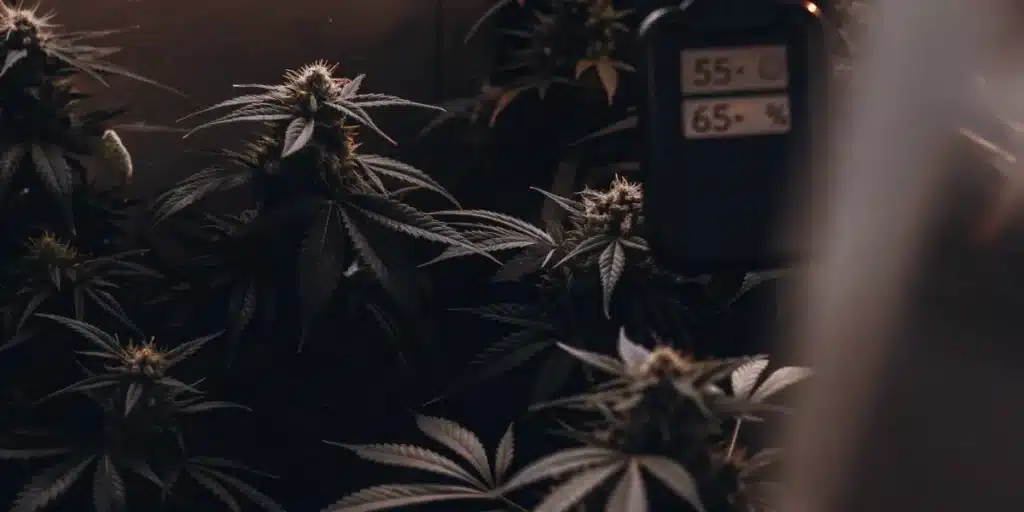
Humidity’s impact on cannabis aroma: Knowing how humidity affects cannabis aroma VOCs is essential for preserving the plant’s full aromatic potential. Humidity significantly influences the aroma of cannabis by affecting volatile organic compounds (VOCs). Maintaining humidity levels between 55–65% is crucial for preserving terpenes, which play a major role in the plant’s scent profile. Proper humidity control helps prevent terpene degradation and enhances the overall aromatic experience, ensuring the cannabis retains its intended sensory qualities. Growers consistently emphasize that stable humidity levels are vital for optimal aroma preservation.
Terpenes are the aromatic compounds that define the scent of cannabis, and their preservation is crucial for maintaining the plant’s unique aroma. Humidity levels, particularly during flowering and curing, play a pivotal role in terpene retention. Ensuring the right humidity can prevent the loss of these volatile compounds, which are responsible for the distinctive smell and flavor profiles of different strains.
Cannabis Aroma and VOCs
What are VOCs in Cannabis?
Volatile organic compounds (VOCs) in cannabis are responsible for the plant’s distinctive aroma. These compounds, primarily terpenes, evaporate easily and contribute to the scent profile. Terpenes such as myrcene, limonene, and pinene each offer unique aromas ranging from earthy to citrusy. The interaction of these terpenes with cannabinoids also influences the overall effect of the strain.
Myrcene, for instance, often found in concentrations of 0.5-1.2%, provides a musky, earthy aroma and enhances THC’s psychoactive effects by increasing its permeability across the blood-brain barrier. Limonene, typically present at 0.5-0.8%, contributes a citrus scent and is known for its mood-enhancing properties.
The Function of Humidity in Cannabis Cultivation
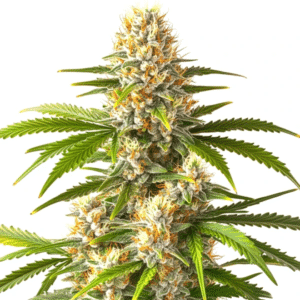
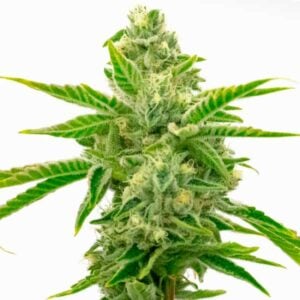
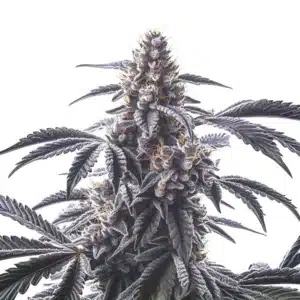
Humidity is a critical factor in cannabis cultivation, affecting everything from plant growth to aroma. Knowing how humidity affects cannabis aroma VOCs is essential during the flowering stage, where maintaining humidity between 45–55% helps prevent mold and mildew that can compromise plant health and terpene integrity. High humidity levels can also lead to terpene degradation, diminishing the plant’s aromatic profile and overall VOC expression. Strains with rich terpene profiles, such as Permanent Marker, especially benefit from stable humidity conditions to preserve their intense aroma and flavor complexity.
During curing, the ideal humidity range shifts to 58-62% to preserve terpenes and prevent the buds from drying out too quickly. This balance ensures that the cannabis retains its full aromatic potential, enhancing both the user experience and the plant’s market value.
Promos & Deals
How Humidity Affects the Aroma of Cannabis
Impact on Terpenes and VOCs
Humidity directly impacts the preservation and expression of terpenes in cannabis. When humidity levels are too low, terpenes can evaporate, leading to a loss of aroma and flavor. Conversely, excessive humidity can promote mold growth, which not only affects the aroma but also the safety and quality of the cannabis.
Maintaining the right humidity levels during drying and curing is essential. For example, keeping humidity at 60% during curing helps retain terpenes like caryophyllene, which is present in concentrations of 0.3-0.5% and adds a spicy, peppery aroma. This terpene also interacts with CB2 receptors, providing anti-inflammatory effects.
Practical Tips for Managing Humidity
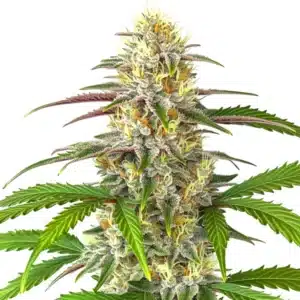
To effectively manage humidity, growers often use tools like hygrometers and humidity control packs. Humidity patches can be useful for maintaining consistent levels in small grow spaces, ensuring that the environment remains stable. Humidity tablets offer a simple solution for adjusting moisture levels in curing jars, providing precise control over the curing process. Growers cultivating strains like Future #1 especially benefit from stable humidity conditions to preserve terpene quality and maximize resin production during flowering and curing.
Terpene humidity packs help preserve the aromatic compounds during storage, preventing the loss of essential terpenes. Boveda 62% RH packs are ideal for maintaining stable humidity levels in storage, and Boveda reviews highlight their effectiveness in preserving cannabis quality. The Boveda Size 1 62 20 Pack is perfect for smaller storage needs, ensuring that even small quantities of cannabis are kept in optimal conditions.
Professional Tips for Humidity Management
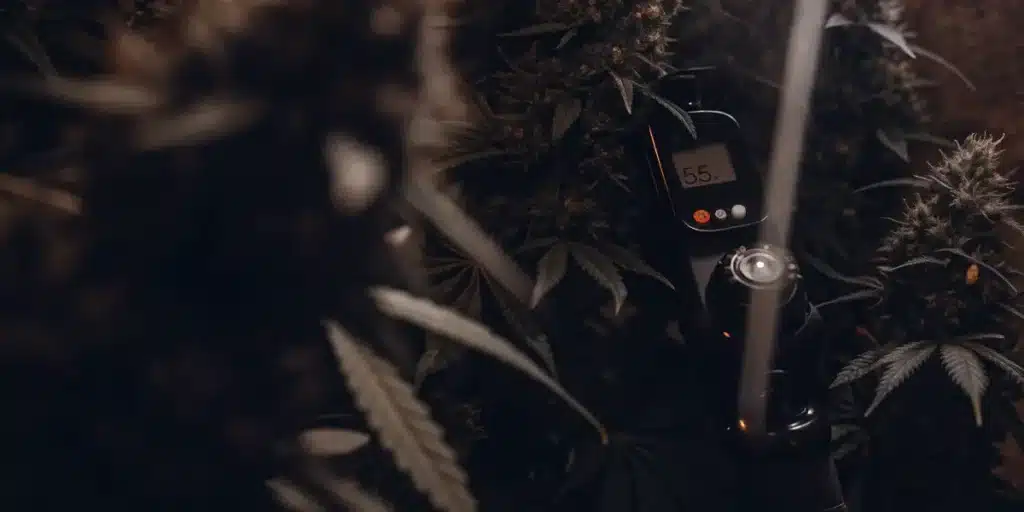
- Maintain 58-62% RH during curing to preserve terpene profiles. Below 55% can lead to terpene loss, while above 65% risks mold development. Use a digital hygrometer for accuracy.
- During flowering, keep humidity between 45-55% to prevent mold and mildew. This range supports healthy growth and terpene retention.
- Use humidity patches in small grow spaces to ensure stable conditions, preventing fluctuations that can damage terpenes.
- Humidity tablets are excellent for curing jars, allowing precise control over moisture levels to protect aroma and flavor.
- Consider terpene humidity packs for long-term storage to maintain the aromatic integrity of your cannabis.
- Always calibrate your hygrometers regularly to ensure accurate humidity readings and optimal environmental control.
FAQs about how humidity affects cannabis aroma VOCs
How does humidity affect cannabis?
Humidity influences cannabis growth and aroma by affecting terpene and cannabinoid preservation. Optimal humidity levels, typically 55-65% during curing, ensure that the plant’s aromatic compounds are retained, enhancing both flavor and scent. Incorrect humidity can lead to mold or terpene loss, impacting quality and safety.
Does cannabis emit VOCs?
Cannabis emits volatile organic compounds (VOCs), primarily terpenes, which define its aroma. These compounds evaporate easily, contributing to the plant’s distinctive scent. Terpenes like myrcene and limonene not only provide aroma but also interact with cannabinoids to influence the strain’s effects.
Is 40% humidity ok for drying cannabis?
40% humidity is generally too low for drying cannabis, as it can cause the buds to dry too quickly, leading to terpene loss and harsh smoke. Ideal drying conditions require 45-55% humidity to ensure gradual moisture removal, preserving the plant’s aromatic and flavor profiles.
Is 60% humidity too high for flowering?
60% humidity is on the higher end for the flowering stage, where 45-55% is optimal. High humidity can promote mold and mildew, compromising plant health and terpene integrity. Maintaining the right humidity ensures robust growth and aroma preservation.
What are the ideal humidity levels for storing cannabis?
For storing cannabis, maintaining humidity levels between 58-62% is ideal. This range preserves terpenes and cannabinoids, preventing the buds from drying out or becoming too moist. Using humidity control packs can help achieve and maintain these levels, ensuring long-term quality.