How Does Transpiration Help Cannabis Plants Grow Better?

Transpiration might sound like a complex term, but it’s a simple process that plays a crucial role in the life of cannabis plants. At its core, transpiration is the movement of water from the roots through the plant and its eventual evaporation from the leaves. This process is vital for maintaining plant health and ensuring robust growth. Knowing how does transpiration help cannabis plants grow better? is essential for growers, as it regulates nutrient uptake, controls temperature, and supports photosynthesis—key factors for stronger, healthier plants.
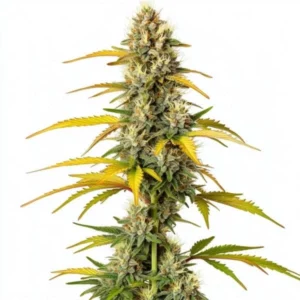
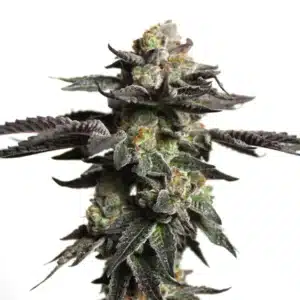
Whether you’re cultivating GG4 or tending to Purple Lemonade Autoflower, knowing transpiration can significantly boost your growing success. It’s important to know how this process contributes to nutrient uptake, temperature regulation, and overall plant vigor.
Recommended Strains

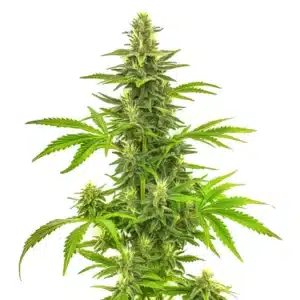
GG4

|
THC | 27% (High) |

|
Type | Feminized |

|
Yield | High |

|
Phenotype | 40% Indica / 60% Sativa |

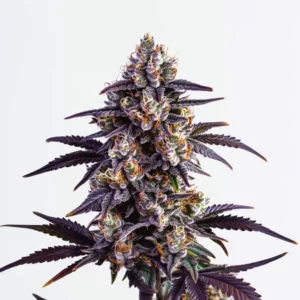
Purple Lemonade Autoflower
|
|
THC | 20% - 22% (Medium) |
|
|
Type | Autoflowering |
|
|
Yield | Medium |
|
|
Phenotype | 70% Indica / 30% Sativa |
Experienced growers often highlight how transpiration helps regulate internal plant temperatures, much like sweat cools the human body. This natural cooling mechanism is essential for cannabis plants, especially in indoor grow rooms where temperature control is critical.
The Science Behind Transpiration
Transpiration begins at the roots, where water absorption occurs. The water travels up through the plant’s vascular system, reaching the leaves where it eventually evaporates. This journey is not just about moving water; it’s about transporting nutrients essential for plant health.
The process of transpiration is primarily driven by environmental factors such as light, humidity, and temperature. High light levels and warm temperatures increase the rate of transpiration, as do low humidity levels. These are key considerations when cultivating strains like Gorilla Sherbet indoors.
Root Uptake and Nutrient Transport
Roots play a pivotal role in initiating transpiration. They’re the entry point for water and dissolved nutrients. As water is absorbed, it creates a pressure difference that pulls more water into the plant. This movement is essential for delivering nutrients like nitrogen, phosphorus, and potassium.
Without transpiration, your cannabis plants would struggle to access these nutrients. This is why ensuring a healthy root system is critical, especially when starting with seeds from robust strains like Bruce Banner Fast Version.
Leaf Evaporation and Cooling
Once water reaches the leaves, it evaporates through small openings called stomata. This evaporation process cools the plant, similar to how sweating cools humans. This cooling is vital to prevent overheating, which can stress plants and inhibit growth.
In controlled environments, managing leaf temperature is crucial. For strains such as Green Crack Auto, maintaining optimal leaf temperature ensures maximum growth and resin production.
Promos & Deals
Transpiration and Environmental Control
Environmental control in a grow room is crucial for optimizing transpiration. Light, temperature, and humidity all influence how effectively plants transpire. By adjusting these factors, growers can enhance transpiration rates to benefit cannabis growth.
For example, increasing light intensity can boost transpiration but may require adjustments in humidity to prevent excessive water loss. Balancing these factors allows strains like Ricky Bobby to thrive.
Adjusting Humidity Levels
Humidity plays a significant role in transpiration. High humidity levels can slow transpiration by making it harder for water to evaporate from leaves. Conversely, low humidity can increase transpiration rates, which can sometimes lead to water stress.
For optimal growth, aim to maintain moderate humidity levels. This is particularly important for strains such as Permanent Marker, where consistent conditions ensure robust growth.
Temperature Regulation
Temperature directly impacts transpiration rates. Warmer temperatures increase evaporation and, consequently, transpiration. While this can be beneficial, it’s important not to let temperatures get too high, which can cause stress.
Strains like GMO can handle varied climates, but keeping temperatures in check will maximize their potential yield and potency.
Maximizing Transpiration Benefits
Maximizing the benefits of transpiration involves knowing the specific needs of your cannabis plants and tailoring your environment accordingly. Different strains have unique requirements, so knowing your strain is key.
For instance, cultivating Motor Breath may require slightly different temperature or humidity settings compared to a strain like Cafe Racer. Fine-tuning these conditions ensures each plant type can transpire efficiently.
Choosing the Right Strains
Selecting the appropriate strain for your grow environment can significantly impact transpiration. Some strains are more adaptable to changes in humidity and temperature, making them easier to manage for beginners.
For those new to growing, strains like Mamba Negra or Zombie Death Fuck might offer a forgiving start. Their resilience to varying environmental conditions can simplify the transpiration management process.
Monitoring and Adjusting Conditions
Regular monitoring of your grow room’s conditions is essential. Use tools like hygrometers and thermometers to keep track of humidity and temperature. Adjust these settings as needed to support optimal transpiration.
When growing strains such as Purple Kush or Bubble Gum Sherb, pay close attention to environmental fluctuations. Small adjustments can lead to significant improvements in growth and yield.
FAQs about How does transpiration help cannabis plants grow better?
What is transpiration and how does it affect cannabis growth?
Transpiration is the process through which water moves from the roots, travels through the plant, and evaporates from the leaves. It is essential for transporting nutrients from the soil into the plant’s system.
This process affects cannabis growth by ensuring that the plant receives necessary nutrients for development and growth. It also helps in cooling the plant and maintaining optimal internal temperatures.
How does transpiration help cannabis plants grow better?
Transpiration helps cannabis plants grow better by facilitating nutrient uptake and maintaining internal temperature balance. This process ensures that plants have access to the nutrients they need for strong growth.
Additionally, by cooling the plant, transpiration prevents stress caused by overheating, thus supporting healthier and more robust growth in cannabis plants.
What environmental factors influence transpiration in cannabis plants?
Several environmental factors influence transpiration, including light intensity, temperature, and humidity levels. High light and warm temperatures typically increase the rate of transpiration.
Humidity levels also play a role; low humidity can increase transpiration rates while high humidity can slow them down. Balancing these factors is crucial for optimal plant growth.
Can different strains affect transpiration rates?
Yes, different cannabis strains can have varied transpiration rates due to their unique genetic makeup. Some strains are naturally more efficient at transpiring than others.
Knowing the specific needs of each strain is essential for managing transpiration effectively. This can involve adjusting environmental conditions to suit the particular strain being grown.
How can I optimize my grow room for better transpiration?
To optimize your grow room for better transpiration, focus on maintaining ideal temperature and humidity levels. Use tools like fans, dehumidifiers, and air conditioners to control the environment.
Regular monitoring and adjustment of these conditions will help create an optimal environment for your cannabis plants, enhancing transpiration benefits and promoting healthy growth.