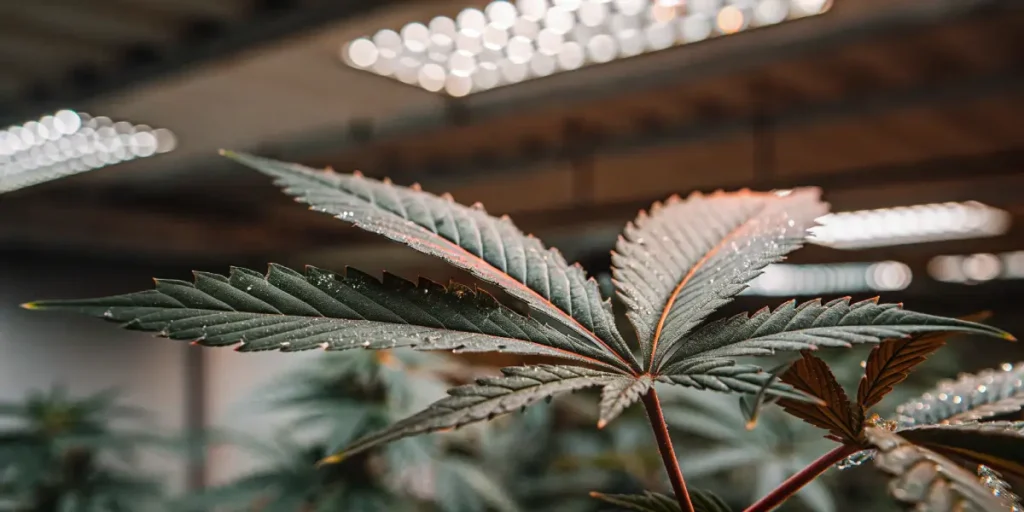
How do I Measure Transpiration in Cannabis Plants?

Transpiration is a vital process in the life of your cannabis plants. It involves the movement of water from the roots, through the plant, and out into the air via the leaves. This process not only helps in nutrient uptake but also cools the plant and maintains its turgor pressure. Whether you’re growing GG4 or Purple Lemonade Autoflower, knowing how do I measure transpiration in cannabis plants? is essential, as accurate monitoring can significantly impact growth, water management, and overall yield quality.
For first-time growers and seasoned cultivators alike, measuring transpiration helps optimize plant health. It offers insights into the plant’s water use efficiency and overall well-being. When you measure cannabis plant transpiration accurately, you can adjust your growing conditions to maximize growth potential. Let’s dive into the various methods to measure and understand this process better.
Recommended Strains

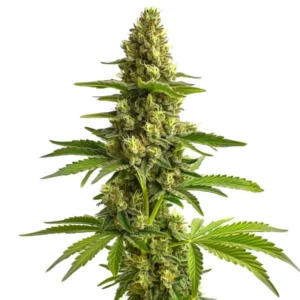
GG4

|
THC | 27% (High) |

|
Type | Feminized |

|
Yield | High |

|
Phenotype | 40% Indica / 60% Sativa |

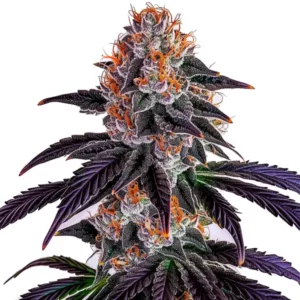
Purple Lemonade Autoflower
|
|
THC | 20% - 22% (Medium) |
|
|
Type | Autoflowering |
|
|
Yield | Medium |
|
|
Phenotype | 70% Indica / 30% Sativa |
Different strains, such as Gorilla Sherbet or Bruce Banner Fast Version, have their own transpiration rates. Knowing how to measure and control this rate can make all the difference. By tailoring your approach to each strain’s needs, you can ensure robust growth and health throughout the life cycle of your plants.
Knowing Transpiration in Cannabis
Transpiration in cannabis plants is the process of water movement through a plant and its evaporation from aerial parts like leaves, stems, and flowers. It’s crucial for maintaining nutrient flow and cooling the plant.
Why Transpiration is Important
Transpiration affects how well your cannabis plants can absorb nutrients. Water is the medium through which nutrients travel from the soil into the plant. Without effective transpiration, nutrient uptake is compromised, leading to potential deficiencies.
Another key function of transpiration is temperature regulation. As water evaporates from the leaf surface, it cools the plant. This is especially important in indoor grow rooms where the environment can become quite warm due to artificial lighting.
Factors Affecting Transpiration
Several factors can impact transpiration rates, including light intensity, humidity, temperature, and wind. For instance, high temperatures can increase the rate of transpiration, while high humidity can decrease it.
Light intensity is another factor. The more light your plants receive, the more they transpire. However, this needs to be balanced with humidity and temperature to avoid stress.
- Light Intensity
- Humidity Levels
- Temperature
- Airflow and Wind
Promos & Deals


Methods to Measure Transpiration
Measuring transpiration in cannabis plants involves both direct and indirect methods. Each offers different insights and requires varying levels of equipment and expertise.
Weighing Method
The weighing method is one of the simplest ways to measure transpiration. This involves weighing the plant pot at regular intervals and calculating water loss over time. It’s a straightforward approach that doesn’t require fancy equipment.
To use the weighing method, weigh your plant pot before watering and then again after a set period. The difference in weight is the amount of water lost through transpiration. This method can be particularly effective for small-scale growers and hobbyists.
Stomatal Conductance
Stomatal conductance measures how open the stomata are, which is indicative of the transpiration rate. This method requires specialized equipment such as a porometer, which measures the rate of gas exchange through the stomata.
While more complex, stomatal conductance provides a more precise measurement of transpiration. It’s often used by advanced growers and researchers who need detailed information about their plants’ physiological status.
- Gather a porometer.
- Select a representative leaf.
- Measure the rate of gas exchange.
Improving Transpiration Rates
Once you understand how to measure transpiration, the next step is to improve it. Optimizing transpiration rates can lead to healthier, more productive plants.
Adjusting Environmental Conditions
To improve transpiration, adjust the growing environment. Ensure your grow room has adequate ventilation to maintain optimal airflow and temperature. A well-ventilated area helps the plants lose excess heat, promoting efficient transpiration.
Humidity control is equally important. Too much humidity can slow down transpiration, while too little can cause excessive water loss. Use a hygrometer to monitor and adjust humidity levels as needed.
Choosing the Right Strain
Certain strains naturally handle water differently. For example, strains like Green Crack Auto and Bruce Banner #3 are known for their resilience and adaptability to various environmental conditions.
Experiment with different strains to see which ones perform best in your specific setup. Tailor your growing approach to the specific needs of each strain to optimize transpiration and overall plant health.
FAQs about How do I measure transpiration in cannabis plants?
How do I measure transpiration in cannabis plants?
To measure transpiration in cannabis plants, you can use the weighing method. This involves weighing your plant pot before and after a specific period to determine water loss. The difference in weight reflects the amount of water that has transpired.
Alternatively, you can employ stomatal conductance measurements using a porometer. This provides a more detailed look at transpiration by measuring the rate of gas exchange through the plant’s stomata.
What factors influence the rate of transpiration?
The rate of transpiration is influenced by several environmental factors, including light intensity, temperature, humidity, and airflow. High temperatures and low humidity increase transpiration, while high humidity decreases it.
Light intensity also plays a role. Plants exposed to more light tend to have higher transpiration rates. Managing these factors is key to maintaining optimal plant health and growth.
How can I improve transpiration rates in my cannabis plants?
To improve transpiration, maintain a balanced growing environment. Ensure adequate airflow and control temperature and humidity levels. This creates an ideal setting for efficient water movement through the plant.
Additionally, consider the strain you are growing. Some strains naturally have better transpiration efficiency. Experimenting with different strains can help you find one that fits your growing conditions best.
Why is transpiration important for cannabis plants?
Transpiration is crucial for nutrient uptake and temperature regulation in cannabis plants. It helps transport essential nutrients from the soil to various parts of the plant, promoting healthy growth and development.
Moreover, as water evaporates from the plant’s surface, it cools the plant, preventing heat stress, especially in indoor grow settings where temperature can rise quickly due to lighting.
Can I measure transpiration without special equipment?
Yes, the weighing method allows you to measure transpiration without special equipment. By weighing your plant pot before and after a set period, you can determine the water lost through transpiration.
This method is accessible for hobbyists and small-scale growers, providing a simple yet effective way to understand and manage plant transpiration.