How Curing Changes Water Activity in Cannabis

Water activity in cannabis: Curing cannabis significantly alters its water activity, which is crucial for maintaining quality and extending shelf life. Knowing how curing changes water activity in cannabis helps growers manage the drying environment to enhance both potency and flavor. Experienced cultivators suggest that a water activity level between 0.55 and 0.65 is optimal for preserving cannabinoids and terpenes while preventing microbial growth.
When curing cannabis, terpenes play a pivotal role in defining the aroma and flavor profile of the final product. The curing process, lasting 2-4 weeks, allows for the breakdown of chlorophyll, resulting in smoother smoke. Additionally, maintaining a stable temperature of 60-70°F (15-21°C) during curing is essential for preserving the plant’s natural compounds.
Recommended Strains

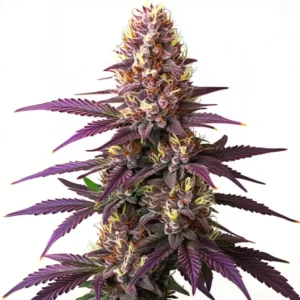
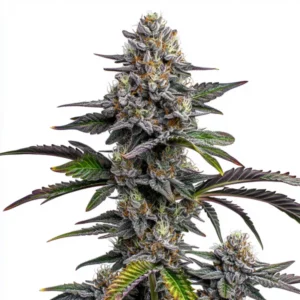
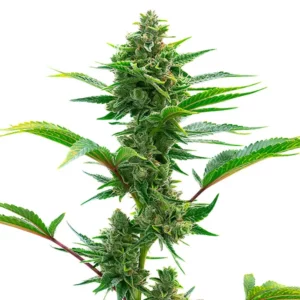
Blueberry x OG Kush

|
THC | 21% - 24% (High) |

|
Type | Feminized |

|
Yield | High |

|
Phenotype | 80% Indica / 20% Sativa |

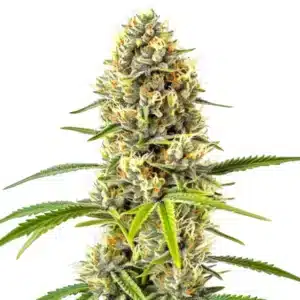
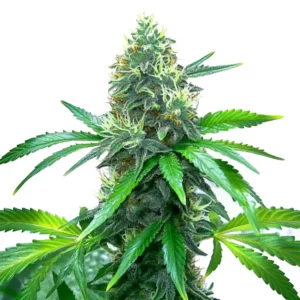
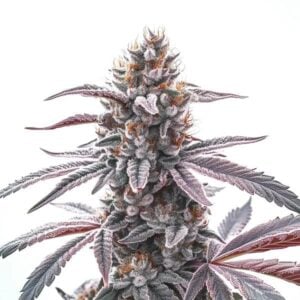
GG4
|
|
THC | 27% (High) |
|
|
Type | Feminized |
|
|
Yield | High |
|
|
Phenotype | 40% Indica / 60% Sativa |
Water Activity in Cannabis
What is Water Activity?
Water activity (aw) measures the free moisture available in cannabis, crucial for microbial stability. It ranges from 0 to 1, with cannabis ideally between 0.55 and 0.65. This range prevents mold growth while maintaining potency. Unlike moisture content, which measures total water, aw indicates the water available for biological reactions and helps explain how curing changes water activity in cannabis.
Maintaining the correct water activity ensures that cannabis retains its cannabinoids and terpenes. For instance, terpenes like myrcene, which can be up to 1.2% in some strains, are volatile and can degrade if the aw is too high. Therefore, controlling aw is vital for preserving the plant’s therapeutic properties.
Importance of Water Activity in Cannabis
Water activity directly impacts the safety and quality of cannabis. High aw levels can lead to mold, while low levels can cause dryness and terpene loss. For cultivators, achieving the right balance is crucial to ensure that the cannabis remains potent and flavorful over time.
For example, strains like GG4 benefit from precise water activity control to maximize resin production. Properly cured GG4 can exhibit up to 28% THCA, offering a potent experience. This underscores the necessity of monitoring aw during curing to maintain quality.
Promos & Deals
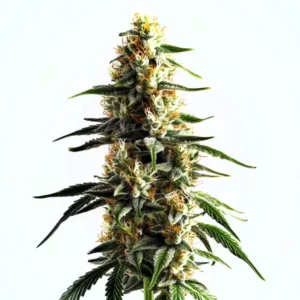
How Curing Changes Water Activity in Cannabis
The Science Behind Curing
Curing involves a slow drying process that reduces water activity, allowing for the breakdown of sugars and chlorophyll. This process enhances the smoke’s smoothness and flavor. Knowing how curing changes water activity in cannabis is important, as the gradual reduction in aw also stabilizes the cannabinoids, ensuring that THC levels remain high, often between 18-25% in well-cured strains.
During curing, the plant’s internal moisture redistributes, allowing for even drying. This redistribution is critical for maintaining a consistent aw throughout the bud, preventing mold and preserving terpenes like limonene, which can provide citrus notes and anti-anxiety effects.
Steps in the Curing Process
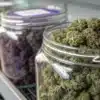
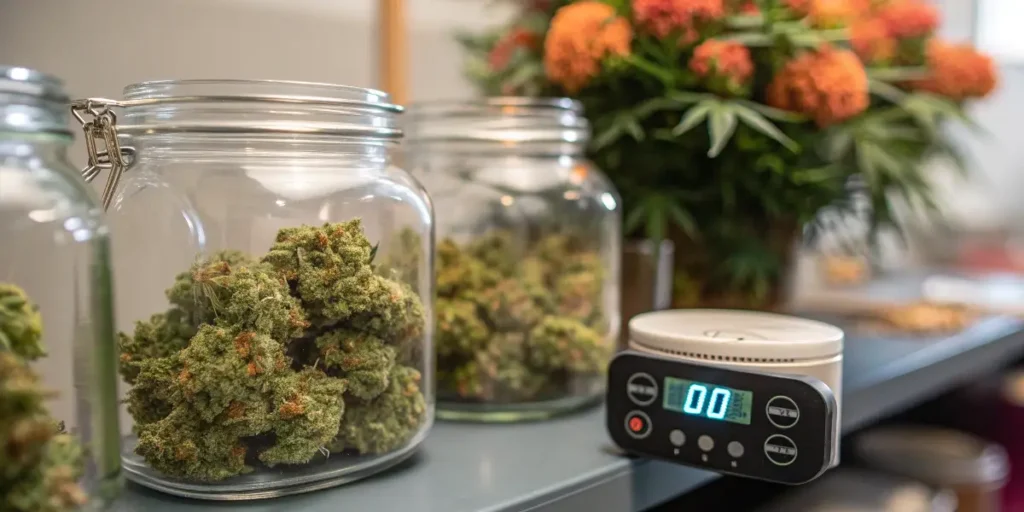
The curing process begins with drying cannabis at 60-70°F (15-21°C) with 50-60% relative humidity (RH). This initial stage reduces moisture content to around 10-15%. After drying, buds are placed in airtight containers for curing, where aw stabilizes, and flavors develop over 2-4 weeks.
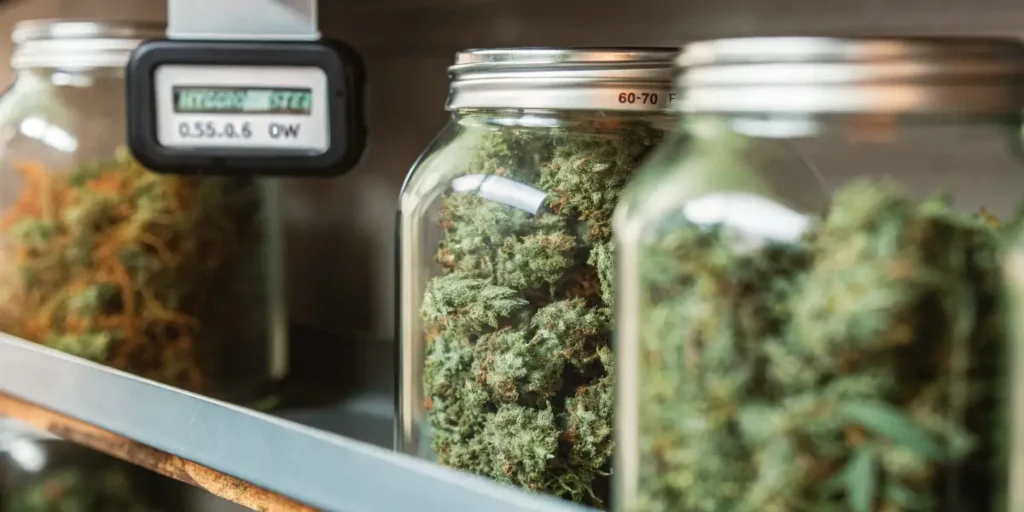
Regularly burping the containers helps release excess moisture, maintaining optimal aw. This practice is crucial for preventing mold and ensuring the buds remain potent and flavorful. Monitoring with a hygrometer can help maintain the ideal RH and aw levels.
Benefits of Proper Curing
Enhancing Potency and Flavor
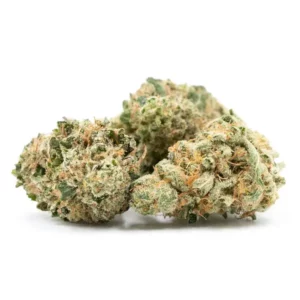
Proper curing enhances the potency and flavor of cannabis by preserving its chemical profile. The slow drying process allows cannabinoids and terpenes to mature, resulting in a richer, more complex aroma. For instance, strains with high levels of caryophyllene can exhibit spicy, peppery notes when properly cured.
Maintaining an ideal water activity level ensures that the terpenes are preserved, enhancing the overall sensory experience. This preservation is crucial for strains like Blueberry X Og Kush, known for its berry and citrus flavors, which are best experienced when the curing process is done correctly.
Long-term Preservation
Proper curing extends the shelf life of cannabis by stabilizing its chemical composition. This stability prevents degradation over time, allowing for long-term storage without significant loss of potency or flavor. Cannabis stored at 58-62% RH can maintain its quality for up to a year.
Using airtight containers and monitoring water activity with a hygrometer can prevent issues like mold or terpene loss. This approach is essential for preserving high-THC strains, ensuring that they remain potent and enjoyable months after curing.
Common Mistakes in Curing and How to Avoid Them
Over-drying vs. Under-drying
Over-drying cannabis can lead to a harsh smoke and loss of terpenes, while under-drying increases the risk of mold. Achieving a balance is crucial for quality. Aim for a moisture content of 10-15% and a water activity level between 0.55 and 0.65 to prevent these issues.
Using a digital hygrometer can help monitor these levels accurately. Avoid relying on analog devices, which can be less precise. Regularly checking the RH and adjusting the environment as needed ensures optimal curing conditions.
Monitoring Water Activity
Monitoring water activity is essential for preventing mold and preserving flavor. Use a hygrometer to keep track of RH levels, ensuring they stay within the ideal range. This practice helps maintain the cannabis’s chemical integrity, preserving both potency and flavor.
Regularly burping containers during the curing process can help regulate water activity. This simple step is crucial for preventing mold and ensuring that the cannabis remains fresh and flavorful over time.
Professional Tips for Curing Cannabis
- Maintain 58-62% RH during curing to prevent mold and preserve terpenes. Use a digital hygrometer for precise monitoring.
- Keep curing jars in a dark place at 60-70°F (15-21°C) to protect cannabinoids from light degradation.
- Regularly burp jars to release excess moisture and maintain ideal water activity levels.
- Use airtight containers to stabilize moisture content and prevent terpene loss during long-term storage.
- Monitor water activity closely to ensure it remains between 0.55 and 0.65, preventing microbial growth.
- Avoid over-drying, which can lead to harsh smoke and terpene degradation. Aim for a moisture content of 10-15%.
FAQs about how curing changes water activity in cannabis
What is the 60-60 rule for drying cannabis?
The 60-60 rule refers to drying cannabis at 60% relative humidity and 60°F (15.5°C). This balance helps preserve terpenes and cannabinoids while preventing mold. Maintaining these conditions ensures that the cannabis dries evenly, retaining its potency and flavor.
Does the bud get stronger after curing?
Curing can enhance the perceived potency of cannabis by allowing cannabinoids to mature and terpenes to develop fully. While THC levels remain stable, the improved flavor and smoother smoke can make the experience feel more potent.
What is the water activity of cannabis drying?
During drying, cannabis should reach a water activity level between 0.55 and 0.65. This range prevents mold growth while maintaining potency and flavor. Monitoring with a hygrometer ensures that the cannabis dries evenly and retains its quality.
Should you water more or less during flowering?
During flowering, reduce watering frequency to prevent root rot and promote resin production. Aim for a soil moisture level that allows the top inch to dry out between waterings. This practice supports healthy bud development and maximizes yield.
How is water activity measured during cannabis drying?
Water activity is measured using a hygrometer, which monitors the relative humidity in the drying environment. Keeping aw between 0.55 and 0.65 ensures optimal curing conditions, preserving the cannabis’s chemical profile and preventing microbial growth.