
How Cannabis Seed Banks Use Molecular Markers: Expert Insights

Let’s dive into how cannabis seed banks use molecular markers to enhance their breeding strategies. Imagine you’re a first-time buyer at a seed bank or a seasoned grower looking to explore new strains. You’re probably curious about how these little seeds you purchase are selected and cultivated. It turns out, the secret lies in the use of molecular markers.
These markers are like genetic signposts. They help breeders identify specific traits in a plant’s DNA. This is crucial for producing high-quality cannabis strains with desired characteristics. By using molecular markers, seed banks can ensure consistency and quality in their products.
Recommended Strains

Mamba Negra

|
THC | 18% (Medium) |

|
Type | Feminized |

|
Yield | High |

|
Phenotype | 55% Indica / 45% Sativa |

Critical Daddy Purple
|
|
THC | 19% (Medium) |
|
|
Type | Feminized |
|
|
Yield | High |
|
|
Phenotype | 50% Indica / 50% Sativa |
Blimburn Seeds is one brand that utilizes these techniques. For example, their popular strains like Mamba Negra, Critical Daddy Purple, and GG4 are products of meticulous selection using molecular markers. This process allows them to maintain the genetic integrity and diversity of their strains.
What Are Molecular Markers?
Molecular markers are fragments of DNA that are associated with a certain location within the genome. Think of them as flags that help identify specific genetic traits. In cannabis, these markers allow breeders to pinpoint characteristics like growth rate, potency, and resistance to pests.
Using these markers, breeders can select parent plants that will produce offspring with the desired traits. This is much more efficient than traditional breeding methods, which relied on guesswork and took much longer to produce results. With molecular markers, the process becomes faster and more precise.
Moreover, these markers facilitate the identification of rare and valuable genetic traits that might otherwise be overlooked. This is particularly beneficial in a rapidly evolving industry where consumer preferences can shift quickly. By leveraging molecular markers, cannabis seed banks can respond to market demands with greater agility and precision.
Importantly, the use of molecular markers in cannabis genetics research is not limited to large-scale operations. Even smaller seed banks can benefit from this technology by collaborating with research institutions or investing in shared resources. This democratization of technology ensures that the advantages of molecular markers are accessible to a broader range of breeders.
Promos & Deals




Benefits of Using Molecular Markers in Cannabis Breeding
The advantages of using molecular markers in cannabis genetics research are numerous. Firstly, they allow for more accurate selection of parent plants. This means that breeders can create strains that are not only potent but also resistant to diseases and pests.
Moreover, molecular markers in seed bank cannabis selection help in conserving genetic diversity. This is important because it ensures that we don’t lose valuable genetic material that could be useful in the future. By maintaining a diverse gene pool, breeders like those at Blimburn Seeds can continue to develop new and exciting strains.
Another significant benefit is the ability to predict and enhance specific traits in future cannabis strains. This predictive capability allows breeders to focus on developing plants that meet specific consumer needs, whether it’s higher yield, enhanced flavor, or increased medicinal properties. Blimburn Seeds, for instance, utilizes this advantage to remain at the forefront of innovation.
Furthermore, by employing molecular marker techniques, cannabis seed banks can streamline their breeding strategies, making the process more cost-effective and efficient. This optimization not only reduces waste but also accelerates the time it takes to bring new products to market, providing consumers with a wider variety of high-quality options at a faster pace.
Real-Life Applications in Seed Banks
Let’s discuss how cannabis seed banks use molecular markers in real-world scenarios. For instance, imagine a seed bank aiming to develop a strain with high CBD content for medical use. By identifying molecular markers linked to CBD production, they can selectively breed plants that express this trait.
A practical example is the development of strains like Critical Daddy Purple. This strain is known for its unique combination of effects and flavors. Breeders use molecular markers to ensure that each generation maintains these characteristics, offering consumers a consistent experience.
Besides to consistency, cannabis seed banks molecular markers breeding strategies enable the exploration of new profiles that might otherwise be difficult to achieve. By experimenting with different combinations of markers, breeders can unlock previously untapped potential in cannabis plants, leading to unique and sought-after strains that stand out in the market.
Moreover, these applications are not limited to just enhancing plant characteristics. They also play a crucial role in optimizing resource allocation and reducing environmental impact. By allowing breeders to make data-driven decisions, molecular markers contribute to more sustainable and responsible cultivation practices in cannabis seed bank operations.
Challenges in Using Molecular Markers
While the use of molecular markers offers many advantages, it’s not without challenges. One major hurdle is the cost of genetic testing. Small seed banks may find it difficult to invest in the necessary technology. However, as the technology becomes more accessible, this barrier is gradually decreasing.
Another challenge is the complexity of the cannabis genome. It requires expert knowledge to interpret the data accurately. Seed banks must have skilled geneticists who can analyze marker data and make informed decisions about breeding strategies.
Despite these challenges, the function of molecular markers in seed bank cannabis selection continues to grow, driven by ongoing advancements in technology and methodology. As more education and training programs become available, the pool of knowledgeable professionals equipped to handle these complex tasks will expand, further lowering the barrier to entry.
Additionally, partnerships between seed banks and research institutions can help mitigate the costs and complexities associated with genetic testing. By pooling resources and expertise, these collaborations can lead to breakthroughs that benefit the entire cannabis industry, making molecular marker techniques more accessible and effective for all involved.
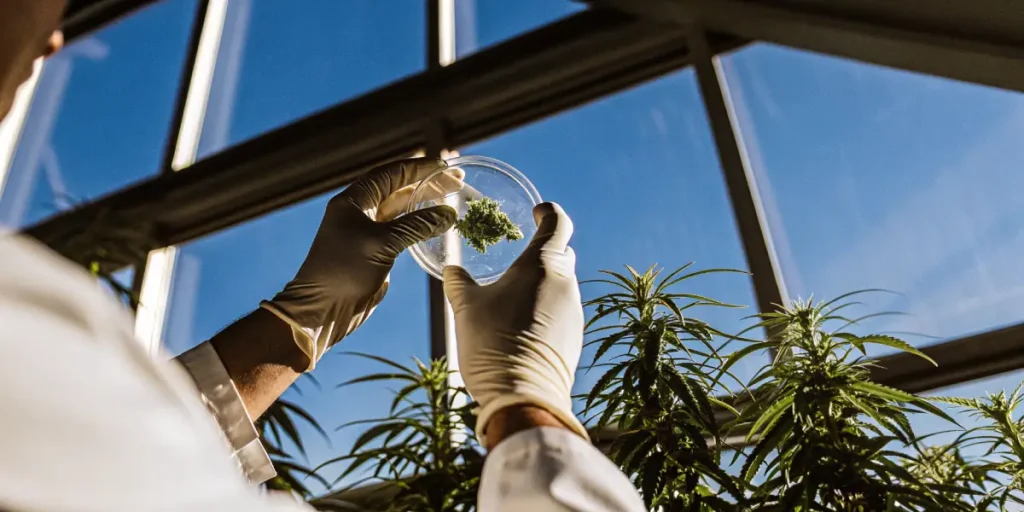
Future of Molecular Markers in Cannabis Seed Banks
The future looks promising for the integration of molecular markers in cannabis seed banks. As technology advances, it’s likely that more seed banks will adopt these methods to enhance their breeding programs. This will lead to even more innovation and diversity in the cannabis market.
Blimburn Seeds is already ahead of the curve. By using molecular markers, they’re able to offer consumers strains like GG4, known for its robust growth and potent effects. As more companies follow suit, the quality and variety of available cannabis will continue to improve.
Looking ahead, the impact of molecular markers on cannabis seed bank cultivation is expected to be transformative. As data analytics and bioinformatics continue to evolve, breeders will have access to even more sophisticated tools for plant selection and trait prediction. This will enhance the precision and effectiveness of breeding programs, benefiting both producers and consumers.
Furthermore, the continued integration of molecular markers into breeding strategies will likely lead to the emergence of new cannabis strains tailored to specific therapeutic applications. This personalization of cannabis products could revolutionize the medical cannabis industry, offering patients customized solutions for their unique health needs.
FAQs about how cannabis seed banks use molecular markers
How do cannabis seed banks use molecular markers to improve strains?
Cannabis seed banks use molecular markers to identify and select desirable traits in their plants. These markers help breeders choose parent plants that will produce offspring with specific characteristics, such as higher potency or resistance to diseases. By using these markers, seed banks can create more consistent and high-quality strains.
For example, Blimburn Seeds uses molecular markers to develop strains like Mamba Negra, which is known for its potent effects and resilience. This ensures that each batch of seeds meets the brand’s high standards and provides consumers with a reliable product.
The use of molecular markers in cannabis genetics research allows seed banks to refine their breeding processes with unparalleled accuracy. This precision not only enhances the quality of the products available to consumers but also contributes to the overall advancement of cannabis cultivation techniques and knowledge.
By continuously investing in molecular marker technology, cannabis seed banks can ensure that their products remain at the cutting edge of the industry. This dedication to innovation helps maintain consumer trust and satisfaction, fostering long-term success and growth for leading brands like Blimburn Seeds.
Why are molecular markers important in cannabis genetics research?
Molecular markers play a crucial role in cannabis genetics research because they allow for precise identification of genetic traits. This precision enables breeders to develop strains with specific characteristics, such as increased yield or enhanced flavor profiles. It also helps in conserving genetic diversity within the cannabis gene pool.
By focusing on specific markers, researchers can streamline their breeding processes and develop new strains more efficiently. This leads to a broader range of options for consumers and advances in the overall quality of available cannabis products.
Moreover, the function of molecular markers in seed bank cannabis selection extends beyond just identifying favorable traits. They also provide valuable insights into the genetic architecture of cannabis plants, revealing complex interactions between different markers that can influence overall plant performance.
This comprehensive knowing of plant genetics enables breeders to make more informed decisions about which traits to prioritize, ultimately leading to the creation of superior cannabis strains that cater to a diverse array of consumer preferences and market demands.
Can small seed banks afford to use molecular marker techniques?
While the initial cost of implementing molecular marker techniques can be high, the long-term benefits often outweigh these expenses. As technology becomes more affordable, even smaller seed banks are finding ways to incorporate these methods into their breeding programs. This helps them stay competitive in the market and offer high-quality products.
Moreover, as more seed banks adopt these techniques, the cost of genetic testing is likely to decrease further. This will make it easier for small companies to invest in molecular marker technology and improve their product offerings.
Collaboration is another viable strategy for small seed banks looking to leverage molecular markers without incurring prohibitive costs. By partnering with larger institutions or forming consortiums with other small breeders, they can access the necessary resources and expertise to integrate these techniques into their operations.
Furthermore, as the cannabis industry continues to mature, government and private sector initiatives aimed at supporting innovation and sustainability may provide additional funding opportunities. These initiatives can help smaller seed banks adopt cutting-edge technologies, ensuring a level playing field in the competitive cannabis market.
What is the impact of molecular markers on cannabis seed bank cultivation?
The impact of molecular markers on cannabis seed bank cultivation is significant. These markers enable breeders to make informed decisions about which plants to cultivate and which to discard. This optimizes the use of resources and ensures that only the best plants are included in breeding programs.
In practice, this means that seed banks can produce high-quality strains with consistent characteristics, like those offered by Blimburn Seeds. Consumers benefit from this consistency, knowing that they can rely on the quality of the products they purchase.
The incorporation of molecular markers in cannabis seed bank cultivation also enhances the scalability of breeding programs. By reducing trial-and-error approaches and increasing the predictability of outcomes, seed banks can more efficiently manage larger operations, ultimately increasing their production capabilities.
Additionally, the precision offered by molecular markers contributes to reduced environmental impact. By selecting plants with optimal traits for growth in specific climates or soil conditions, breeders can minimize the need for chemical inputs and other interventions, promoting more sustainable cultivation practices.
How do molecular markers contribute to genetic diversity in cannabis?
Molecular markers contribute to genetic diversity in cannabis by helping breeders maintain a diverse gene pool. This is important for the long-term health and viability of the cannabis industry. By identifying and preserving valuable genetic traits, breeders can continue to develop new and innovative strains.
Besides to preserving existing genetic material, molecular markers also facilitate the discovery of new traits. This opens up possibilities for developing strains with unique characteristics, expanding the range of options available to consumers.
The use of molecular markers in cannabis seed banks genetic diversity protection ensures that the industry remains resilient to changing environmental conditions and emerging challenges. By maintaining a broad genetic base, breeders can adapt more rapidly to issues such as disease outbreaks or shifts in consumer preferences.
Ultimately, the ability to conserve and enhance genetic diversity through molecular markers not only benefits individual seed banks like Blimburn Seeds but also strengthens the cannabis industry’s capacity for innovation and growth. This ongoing commitment to diversity is key to unlocking the full potential of cannabis as a versatile and valuable crop.