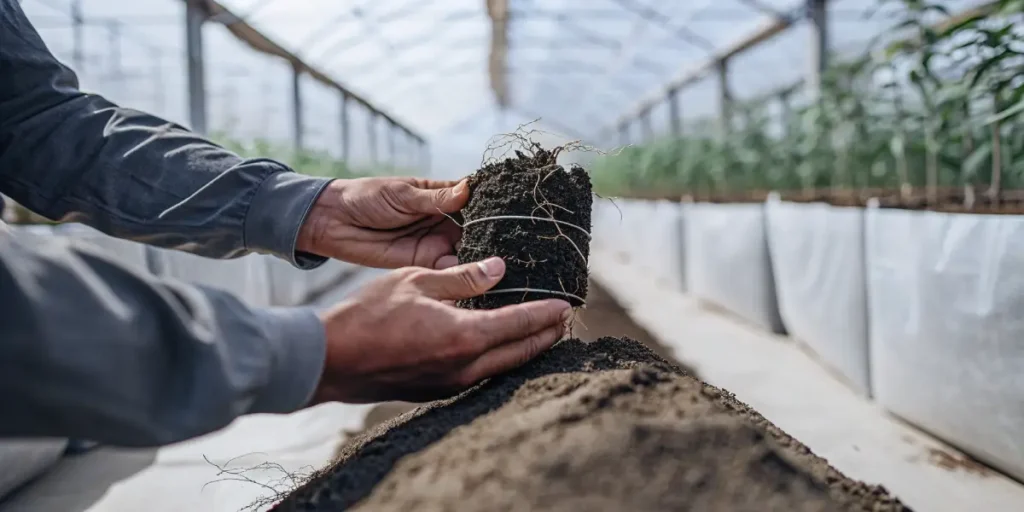
Grower Experiences with Cannabis Allelopathy

Cannabis allelopathy is an intriguing phenomenon that might be affecting your grow room more than you realize. Whether you’re a first-time seed buyer or a seasoned grower, knowing how plants interact can boost your harvest. This article dives into grower experiences with cannabis allelopathy and explores the practical impacts of how certain cannabis plants may influence the growth, health, and yield of others in shared environments.
Imagine walking into your grow room and noticing that some strains are thriving while others seem stunted. This could be the result of allelopathy, where plants release chemicals that affect the growth of nearby plants. It’s a natural way for plants to compete, and grasping it can improve your grow strategy.
Recommended Strains
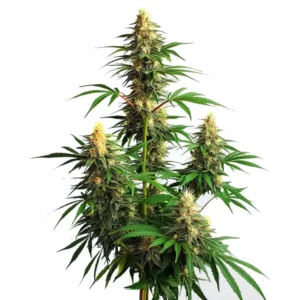
Amnesia Haze Auto

|
THC | 16% - 17% (Medium) |

|
Type | Autoflowering |

|
Yield | Low |

|
Phenotype | 25% Indica / 75% Sativa |

Wedding Cake Auto
|
|
THC | 17% - 20% (Medium) |
|
|
Type | Autoflowering |
|
|
Yield | High |
|
|
Phenotype | 65% Indica / 35% Sativa |
Various strains have unique interactions, and growers have noticed differences when cultivating popular strains like Amnesia Haze Auto, Wedding Cake Auto, and Blue Dream Auto. Being aware of these interactions helps in maximizing your yield and avoiding potential pitfalls.
Comprehending Cannabis Allelopathy
Allelopathy refers to the chemical warfare between plants. They release allelochemicals into the environment, impacting neighboring plants. In cannabis, this can influence growth rates, pest resistance, and overall plant health. Recent grower experiences with cannabis allelopathy suggest that some strains may either inhibit or promote nearby plant growth, highlighting the importance of strain selection and companion planting strategies for optimal results.
Knowing how these chemicals work can help you better arrange your grow room. It can also inform your choice of companion plants, or even influence your decision on which strains to grow together.
How Allelopathy Affects Growth
In the context of cannabis, allelopathy can either inhibit or stimulate growth. Some growers report that certain strains seem to stunt others’ growth when planted nearby. This can be due to allelochemicals released from the roots or leaves.
For example, Amnesia Haze Auto is noted for its robust growth. When planted alongside more sensitive strains, it may overshadow them, not just in size but by altering the soil’s chemical makeup.
Allelopathy and Pest Resistance
Some growers have found that allelopathy can enhance pest resistance. Allelochemicals may repel certain insects or promote beneficial microbes in the soil, creating a healthier environment for your cannabis plants.
By planting strains like Wedding Cake Auto, which is known for its resilience, alongside others, you might inadvertently boost overall pest resistance in your grow room.
Promos & Deals

Practical Grower Insights on Allelopathy
Real-life grower experiences offer valuable insights into managing allelopathy. By observing plant interactions, growers adapt their strategies for better yields.
Experienced growers often keep notes on how different strains interact. This can help in planning future grows and selecting strains that complement each other well.
Cannabis Allelopathy Grower Insights
Growers have shared various insights through forums and community discussions. One common tactic is rotating strains between grows to minimize any long-term allelopathic effects on the soil.
For instance, after a cycle with a heavy feeder like Blue Dream Auto, switching to a strain like Northern Lights Auto that may not heavily deplete the soil could be beneficial.
Strain-Specific Observations
Each strain has its own allelopathic profile. For example, growers have noticed that Blue Dream Auto can dominate a grow space, potentially impacting less vigorous strains.
On the other hand, strains like Gelato Auto and Z OG Auto are often noted for growing well with a variety of companions, making them versatile choices for mixed gardens.
Managing Allelopathy in Your Grow Room
To effectively manage allelopathy, consider the specific needs and characteristics of your chosen strains. This involves strategic planning and ongoing observation.
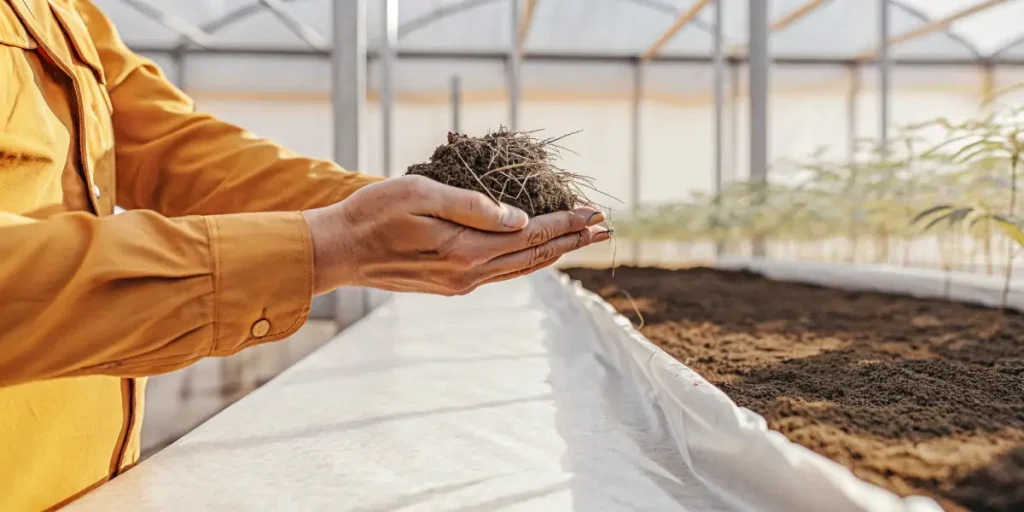
Monitoring nutrient levels and soil health is crucial. Regularly testing the soil can help you catch any potential allelopathic issues before they affect your crop.
Optimizing Plant Layout
Carefully planning your plant layout can mitigate negative allelopathic effects. Grouping compatible strains together and providing adequate spacing ensures each plant has the resources it needs to thrive.
Many growers find success by dedicating separate areas for different strains, allowing for easier management of each plant’s unique requirements.
Companion Planting Strategies
Companion planting with non-cannabis plants can also influence allelopathy. Some herbs and flowers can positively impact cannabis growth by enhancing soil nutrients or repelling pests.
Marigolds, for example, are often used in cannabis gardens to deter nematodes and other pests while potentially influencing allelopathic interactions positively.
FAQs about Grower experiences with cannabis allelopathy
What is cannabis allelopathy and how does it affect my grow?
Cannabis allelopathy refers to the chemical interactions between cannabis plants and their neighbors. These interactions can either inhibit or encourage plant growth. Grasping these effects can help you optimize your plant layout and maximize yields.
How can I tell if allelopathy is affecting my cannabis plants?
Look for signs of stunted growth or unexpected pest issues. If some plants are underperforming while others thrive, allelopathy could be the cause. Observing plant health and growth patterns can provide clues.
Which cannabis strains are known for strong allelopathic effects?
Strains like Amnesia Haze Auto and Blue Dream Auto are known for their vigorous growth, which can sometimes dominate other plants. Their strong allelopathic properties can impact nutrient availability for more sensitive strains.
Conversely, strains like Gelato Auto tend to integrate well with a variety of plants, making them ideal for mixed gardens where managing allelopathy is a concern.
Can I use allelopathy to my advantage in cannabis cultivation?
Yes, by knowing the interactions between different strains, you can strategically plant them to enhance growth. For instance, using strains with pest-repellent allelochemicals can protect more vulnerable plants.
Additionally, combining certain strains can lead to a balanced ecosystem within your grow room, promoting overall health and increasing yields through complementary interactions.
Are there non-cannabis plants that can influence allelopathy positively?
Yes, companion planting with non-cannabis plants like marigolds can improve soil health and repel pests, potentially reducing negative allelopathic effects. This practice can create a more balanced growing environment.
Herbs such as basil and cilantro are also popular companions. They can enhance the flavor of cannabis and contribute to a healthier garden ecosystem by promoting beneficial microbial activity in the soil.