GC-MS Analysis of Cannabis Flower VOCs

GC-MS Analysis of Cannabis VOCs: GC-MS analysis of cannabis flower VOCs offers a comprehensive profile of the plant’s volatile compounds. This method is essential for identifying terpene and cannabinoid profiles, which affect aroma and therapeutic effects. It can detect over 100 unique VOCs in a single sample, underscoring its significance in cannabis research and quality control.
In the world of cannabis cultivation, knowing the terpene profile is crucial. Terpenes not only influence aroma but also contribute to the plant’s therapeutic effects. With a flowering time of 8-9 weeks, strains like GG4 offer a rich terpene profile that enhances both flavor and potency. This guide delves into the GC-MS analysis process, revealing how it unlocks these aromatic secrets.
Recommended Strains
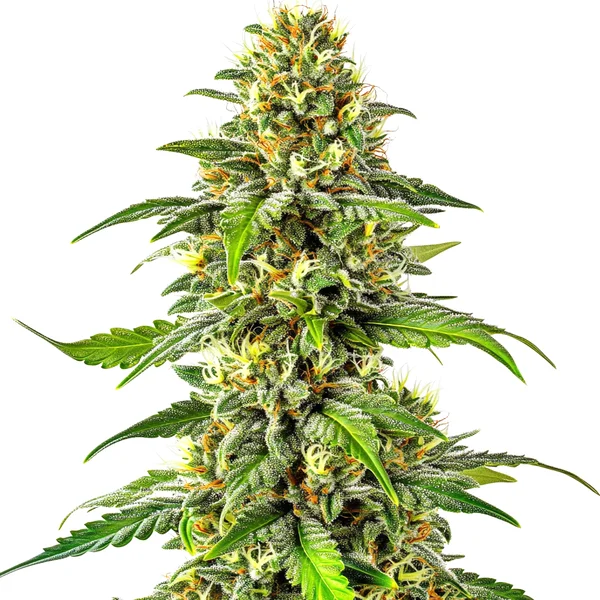
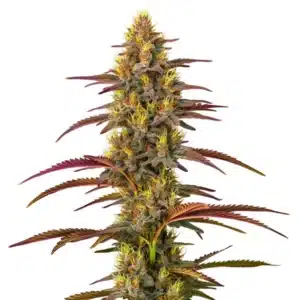
Critical x Green Crack

|
THC | 13% - 18% (Medium) |

|
Type | Feminized |

|
Yield | Medium |

|
Phenotype | 40% Indica / 60% Sativa |

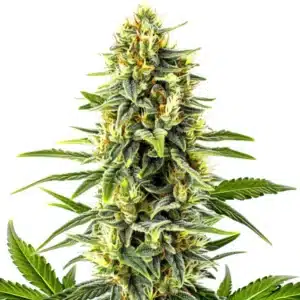
GG4
|
|
THC | 27% (High) |
|
|
Type | Feminized |
|
|
Yield | High |
|
|
Phenotype | 40% Indica / 60% Sativa |
Introduction to GC-MS Analysis
What is GC-MS?
Gas Chromatography-Mass Spectrometry (GC-MS) is a powerful analytical tool used for the GC-MS analysis of cannabis flower VOCs, allowing researchers to separate, identify, and quantify volatile compounds in cannabis with high precision. By vaporizing the sample and passing it through a chromatographic column, GC-MS can effectively dissect complex mixtures. This precision allows for the detection of compounds as low as 0.01% concentration, making it invaluable for cannabis analysis.
GC-MS operates by ionizing chemical compounds to generate charged molecules or molecule fragments. These ions are then detected based on their mass-to-charge ratio. This process is crucial for identifying specific terpenes and cannabinoids, which are vital for determining the strain’s unique characteristics.
Importance in Cannabis Research
The significance of GC-MS in cannabis research cannot be overstated. It provides detailed insights into the chemical composition of cannabis flowers, allowing researchers to understand the interplay between different compounds. This is particularly important for breeding programs aiming to enhance specific traits like aroma or therapeutic efficacy.
For cultivators, GC-MS analysis aids in quality control by ensuring consistency in terpene and cannabinoid profiles. This consistency is crucial for maintaining the desired effects and flavors, which are often the selling points of popular strains like GG4.
Promos & Deals


Knowing Volatile Organic Compounds (VOCs)
Role of VOCs in Cannabis
Volatile Organic Compounds (VOCs) are responsible for the distinctive aroma of cannabis. These compounds, primarily terpenes, play a significant role in the plant’s appeal and therapeutic properties. For instance, myrcene, a common terpene, is known for its earthy scent and can enhance THC uptake, amplifying the psychoactive effects.
In cannabis, VOCs are produced in the trichomes, the glandular hairs on the flower. These compounds not only attract pollinators but also serve as a defense mechanism against pests. Knowing their role can help cultivators enhance the plant’s natural resilience and appeal.
Step-by-Step Guide to GC-MS Analysis
Sample Preparation
Proper sample preparation is crucial for accurate GC-MS analysis. Begin by drying the cannabis flower to a moisture content of 10-12%. This prevents degradation of volatile compounds during analysis. Grind the sample to a consistent size to ensure uniform vaporization.
Next, weigh approximately 0.5 grams of the ground sample and place it in a sealed vial. Add 1 mL of solvent, such as ethanol, to extract the VOCs. This step is critical for maximizing the yield of volatile compounds, which are then ready for analysis.
Instrumentation and Process
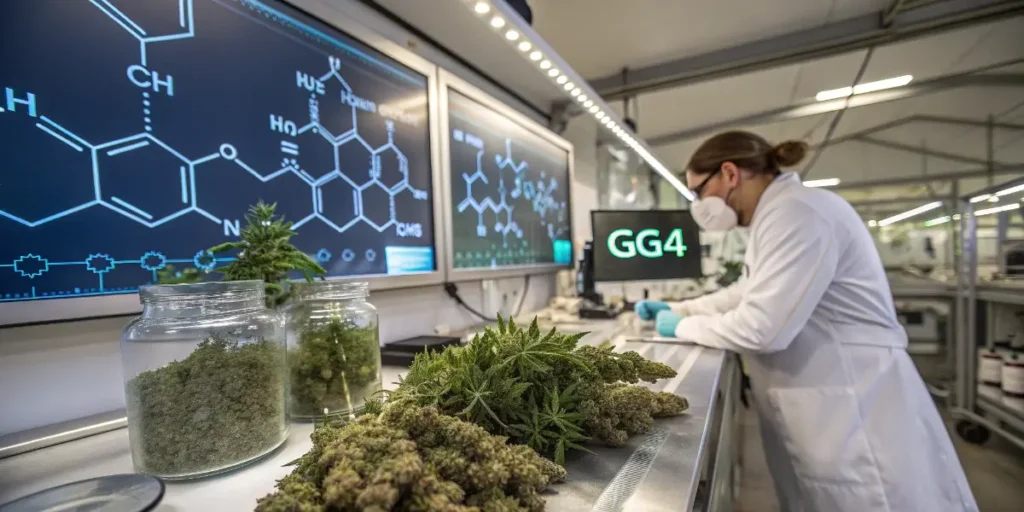
Once the sample is prepared, it’s injected into the GC-MS system. The gas chromatograph separates the compounds based on their volatility, while the mass spectrometer identifies them by their mass-to-charge ratio. This dual analysis provides a comprehensive profile of the sample’s VOCs, making GC-MS analysis of cannabis flower VOCs one of the most reliable methods for evaluating terpene composition, aroma compounds, and overall chemical profiles.
Temperature control is vital during this process. The column temperature should gradually increase from 40°F to 482°F (4°C to 250°C) to ensure efficient separation of compounds. This precise control allows for the accurate identification of even minor terpenes and cannabinoids.
Applications of GC-MS in Cannabis
Profiling Terpenes and Cannabinoids
GC-MS is instrumental in profiling terpenes and cannabinoids, offering insights into their concentration and interaction. For example, a strain like Critical X Green Crack may contain 0.8-1.2% myrcene, enhancing its sedative effects. Knowing these profiles helps in selecting strains for specific therapeutic purposes.
By identifying the precise terpene and cannabinoid content, cultivators can tailor their growing techniques to enhance desired traits. This precision is key for developing strains with specific effects, such as increased relaxation or heightened creativity.
Quality Control and Assurance
GC-MS plays a critical role in quality control, ensuring that cannabis products meet safety and efficacy standards. By detecting contaminants like pesticides or residual solvents, it helps maintain product purity. This is vital for consumer safety and compliance with regulatory standards.
Master growers emphasize the importance of regular GC-MS testing to prevent batch inconsistencies. Consistent terpene and cannabinoid profiles are essential for brand reliability and consumer trust.
Professional Tips for GC-MS Analysis
- Maintain 58-62% RH during sample storage to prevent terpene degradation. Lower humidity can lead to volatile loss, affecting analysis accuracy.
- Ensure column temperature is precisely controlled between 40°F to 482°F (4°C to 250°C) for optimal compound separation.
- Use high-purity solvents like ethanol for sample extraction to avoid contamination and ensure accurate VOC profiling.
- Regularly calibrate the GC-MS equipment to maintain accuracy in compound identification and quantification.
- Analyze samples within 24 hours of preparation to prevent compound degradation and ensure reliable results.
- Document all analytical parameters and results meticulously to facilitate reproducibility and quality assurance.
FAQs on GC-MS analysis of cannabis flower VOCs
What is the primary advantage of using GC-MS for cannabis analysis?
GC-MS offers unparalleled precision in identifying and quantifying volatile compounds in cannabis. It can detect over 100 unique VOCs, providing a comprehensive profile crucial for quality control and strain development. This accuracy ensures consistency in terpene and cannabinoid profiles, vital for consumer trust and regulatory compliance.
How does GC-MS improve cannabis product quality?
By identifying contaminants like pesticides and ensuring consistent terpene profiles, GC-MS enhances product safety and efficacy. Regular testing helps maintain batch consistency, crucial for brand reliability. This analytical precision supports the development of strains with specific therapeutic effects, meeting consumer expectations.
Why are terpenes important in cannabis research?
Terpenes contribute to the aroma and therapeutic effects of cannabis. They interact synergistically with cannabinoids, influencing the plant’s overall effect. Knowing terpene profiles helps in breeding programs and tailoring strains for specific therapeutic purposes, enhancing the plant’s medicinal value.
Can GC-MS detect all cannabinoids in cannabis?
GC-MS can identify a wide range of cannabinoids, including THC, CBD, and CBN. However, it may not detect non-volatile cannabinoids like THCA without prior derivatization. This limitation underscores the need for complementary analytical techniques to obtain a full cannabinoid profile.
What are the limitations of GC-MS in cannabis analysis?
While GC-MS excels in identifying volatile compounds, it may struggle with non-volatile cannabinoids without derivatization. Additionally, sample preparation can affect results, requiring meticulous handling to prevent compound degradation. Despite these challenges, GC-MS remains a cornerstone in cannabis analysis for its precision and reliability.