Expert Tips: How Do I Know If Nutrients Are Clashing in My Cannabis Grow?

Growing cannabis successfully requires a keen eye on nutrient management. Nutrient clashes can sabotage your efforts, leading to disappointing yields. But how do I know if nutrients are clashing in my cannabis grow? Let’s dive into spotting those signs.
Your plants will show you when something’s wrong. Common cannabis nutrient clash symptoms include leaf discoloration, stunted growth, and poor yields. Recognizing these early can save your crop.
Recommended Strains
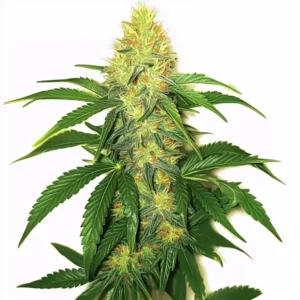


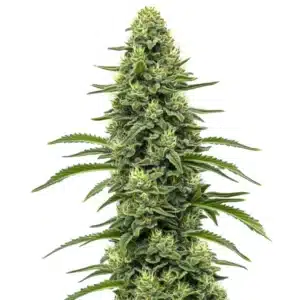
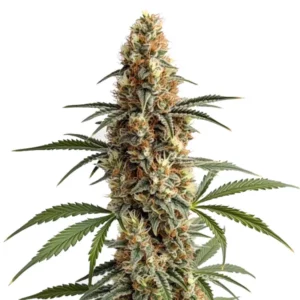
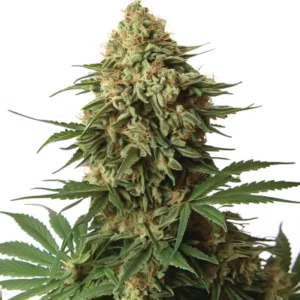
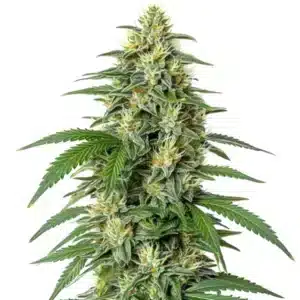
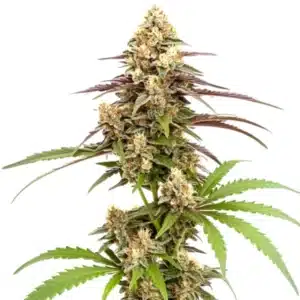
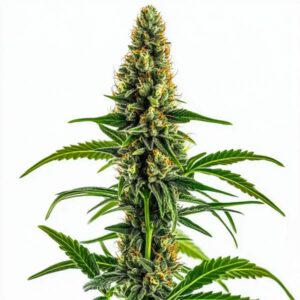
Blimburn Seeds offers strains like the potent AK-47 that thrive with the right nutrient balance. But even the hardiest strains can suffer if nutrients clash. Paying attention to your plants’ signals keeps them healthy.
Recognizing Cannabis Nutrient Clash Symptoms
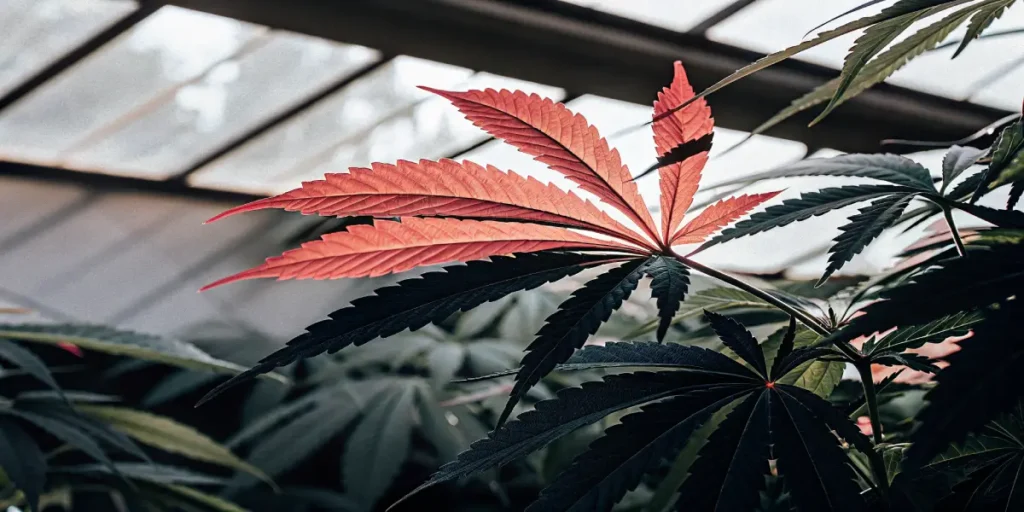
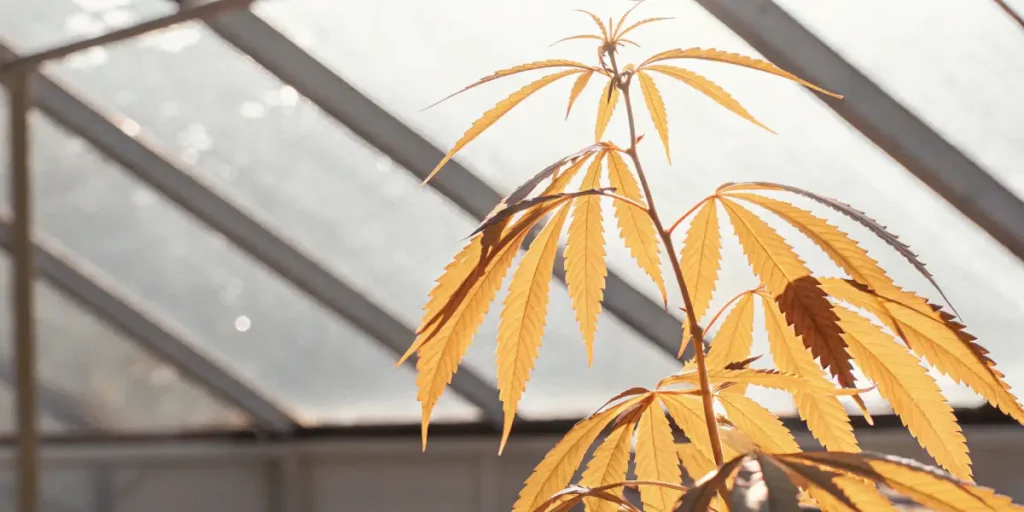
One major sign of nutrient imbalances is leaf discoloration. Plants react to excess or lack of nutrients by changing color. Yellowing leaves often indicate nitrogen issues, while dark, burnt tips can signal too much potassium.
Another symptom is stunted growth. When nutrients clash, plants can’t absorb what they need, slowing their development. This is especially noticeable during the vegetative stage when growth should be rapid.
Leaf spotting can also be a telltale sign of cannabis nutrient clash symptoms, where irregular patches appear on the foliage. This often indicates a micronutrient deficiency or an imbalance that needs immediate attention. It’s essential to act quickly when you observe such symptoms, as prolonged exposure can lead to irreversible damage.
Additionally, unexpected wilting, even when the plant is adequately watered, might suggest nutrient issues. This can happen when nutrient salts interfere with water uptake, causing the plant to weaken. Monitoring these signs helps in determining how do I know if nutrients are clashing in my cannabis grow effectively.
Promos & Deals

Identifying Nutrient Lockout in Cannabis
Nutrient lockout happens when plants can’t absorb nutrients, even if they’re present. This often results from pH imbalances or salt buildup. If your plants show cannabis nutrient clash symptoms but you’re feeding them correctly, lockout might be the issue.
Testing soil pH is crucial. Cannabis prefers a slightly acidic environment. If pH drifts too far, nutrients become unavailable. Regular pH checks prevent this common problem.
In hydroponic systems, identifying nutrient lockout in cannabis can be more challenging due to the reliance on nutrient solutions. Any imbalance in the solution can lead to immediate and visible stress in the plants. Maintaining precise pH and nutrient levels is vital to avoid lockout.
Furthermore, salt accumulation in the growing medium can exacerbate nutrient lockout. Flushing the medium with clean water periodically helps to remove excess salts and restore nutrient availability. This proactive approach can prevent the onset of severe nutrient imbalances.
Signs of Nutrient Imbalance in Cannabis Plants
Leaf curling is another telltale sign. Leaves might curl upwards or downwards, indicating different nutrient issues. Upward curling often points to heat stress or too much nitrogen, while downward curling can mean overwatering or calcium deficiency.
Watch for unusual patterns on leaves. Spots, stripes, or mottling can suggest specific deficiencies or toxicities. For example, magnesium deficiency often shows as interveinal chlorosis, where the area between veins turns yellow.
Cannabis leaf discoloration nutrient clash might also present itself as a bronze or purplish hue, especially if phosphorus is deficient. Such discoloration requires prompt adjustments to the feeding regimen to prevent further damage.
Observing the overall health of the plant, including stem strength and root development, can provide additional insights into nutrient imbalances. Weak stems or slow root growth often accompany nutrient deficiencies, offering a more comprehensive picture of the plant’s health.
How to Test for Nutrient Clash in Cannabis
Soil testing kits are invaluable for checking nutrient levels. These kits measure the concentration of essential nutrients. If levels are too high or low, adjust your feeding regimen accordingly.
Regular runoff tests help too. Collect water that drains from pots and test its pH and EC (electrical conductivity). High EC indicates excess salts, which can lead to nutrient lockout.
A visual inspection of the plant’s root zone can be insightful in how to test for nutrient clash in cannabis. Healthy roots are white and firm, while discolored or soft roots may indicate nutrient or pH issues affecting absorption.
Incorporating technology like digital sensors can also aid in continuous monitoring of environmental conditions, helping growers maintain optimal nutrient delivery and quickly identify imbalances.
Practical Tips for Avoiding Nutrient Clashes
Start with a simple feeding schedule. Avoid overloading your plants with fertilizers. Follow the manufacturer’s recommendations and observe how your plants respond before making adjustments.
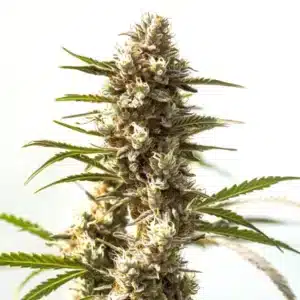
Use quality nutrients designed for cannabis. Products specifically formulated for cannabis cultivation often have the right balance of macro and micronutrients. For example, Blimburn Seeds Skywalker thrives with a well-balanced nutrient mix.
Implementing a nutrient schedule tailored to each growth stage can prevent clashes. As plants transition from vegetative to flowering stages, their nutritional needs change, and adjusting your regimen accordingly is crucial.
Finally, educating yourself on the specific nutrient needs of your chosen cannabis strain can prevent potential clashes. Knowing the genetic characteristics of strains from Blimburn Seeds helps in crafting a precise feeding plan that promotes robust growth.
- Monitor pH levels regularly.
- Use soil testing kits for precise nutrient management.
- Observe plants closely for early signs of issues.
- Follow a consistent feeding schedule.
- Use quality, cannabis-specific nutrients.
FAQs about how do I know if nutrients are clashing in my cannabis grow
What are the first signs of a nutrient clash in cannabis plants?
The initial signs often include leaf discoloration, such as yellowing or browning tips. Leaves might also curl or develop unusual patterns like spots and stripes. These symptoms indicate that your plants are struggling with nutrient uptake.
Additionally, stunted growth and weak plant structures are indicators. If your cannabis doesn’t appear as vigorous as expected, a nutrient clash might be at play. Regularly inspecting your plants for these early symptoms can help you address issues swiftly.
Recognizing these early cannabis nutrient clash symptoms allows for timely intervention. Corrective measures, like adjusting pH or nutrient levels, can prevent further stress on the plants and support recovery.
Effective monitoring and a keen eye for detail are essential in mitigating nutrient clashes. Regular documentation of plant health and environmental conditions creates a useful reference for diagnosing and resolving issues as they arise.
Can nutrient clashes affect all cannabis strains equally?
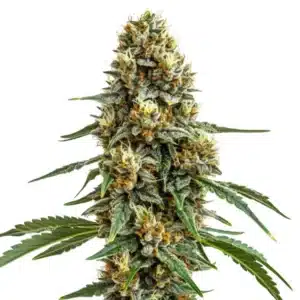
Not all strains react to nutrient clashes in the same way. Some, like Blimburn Seeds’ GG #4, may be more resilient due to their robust genetics. However, even hardy strains can suffer if nutrient imbalances are severe.
Knowing the specific needs of your chosen strain is crucial. Some strains require more or less of certain nutrients. Tailoring your feeding plan to the strain’s needs can prevent nutrient clashes and ensure healthy growth.
Different strains have unique genetic profiles that influence their nutrient requirements. This variability means that what works for one strain may not be suitable for another, highlighting the importance of strain-specific care.
Researching the nutrient needs of your selected strains, such as those from Blimburn Seeds, provides valuable insights into crafting a feeding regimen that supports optimal growth while minimizing the risk of nutrient clashes.
How often should I test my soil for nutrient levels?
Regular testing is recommended, especially during critical growth stages. At a minimum, test every two weeks. However, more frequent testing may be necessary if you notice signs of nutrient imbalance.
Maintaining a consistent schedule helps you catch potential issues early. This proactive approach ensures that your plants have the nutrients they need for optimal growth, without the risk of clashing.
Frequent testing is particularly important during the flowering stage when nutrient demands are higher. Ensuring that nutrient levels remain within the optimal range helps in achieving maximum yield and quality.
Using a combination of soil tests and visual inspections can provide a comprehensive knowing of your plant’s health, allowing for timely adjustments to nutrient delivery as needed.
What tools are essential for detecting nutrient clashes?
Several tools can aid in detecting nutrient clashes. pH and EC meters are essential for monitoring soil and runoff. Soil testing kits provide detailed information about nutrient concentration.
Visual aids, such as charts that show deficiency and toxicity symptoms, can also be helpful. These tools, combined with regular observation, form a comprehensive strategy for managing your cannabis grow effectively.
Furthermore, investing in a quality digital thermometer and hygrometer can help maintain optimal environmental conditions, reducing stress factors that could exacerbate nutrient issues.
Utilizing modern technology such as smartphone apps for tracking growth metrics or nutrient levels can streamline the process, making it easier to detect and resolve potential clashes quickly.
Are nutrient clashes more common in soil or hydroponic grows?
Nutrient clashes can occur in both soil and hydroponic setups, but they manifest differently. In soil, pH imbalances and salt buildup are common culprits. In hydroponics, precise nutrient management is crucial since plants rely entirely on the nutrient solution.
Both methods require careful monitoring and adjustment. Whether you’re growing in soil or hydroponically, knowing how do I know if nutrients are clashing in my cannabis grow is key to a successful harvest.
In hydroponic systems, rapid changes in nutrient availability can lead to quick onset of symptoms. Regular checks and adjustments are necessary to prevent imbalances and ensure healthy plant growth.
Soil growers may experience slower changes due to the buffering capacity of the medium, but this does not eliminate the need for vigilance. Regular soil testing and pH monitoring remain crucial aspects of successful cultivation.