Expert Strain-Specific Nutrition Plans: Sativas vs Indicas

Creating strain-specific nutrition plans: sativas vs indicas ensures your cannabis plants reach their full potential. While these two primary cannabis types share similarities, their nutritional needs diverge significantly. Sativas typically grow taller and have longer flowering periods, while indicas are bushier and flower more quickly. Providing the right nutrients at the right time can make all the difference in your harvest.
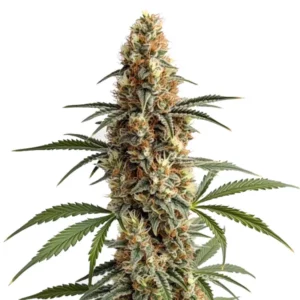
For those growing sativa strains from Blimburn Seeds, like the popular “Amnesia Haze”, a customized diet for sativa strains is crucial. Sativas generally require a higher nitrogen intake during the vegetative phase. This nutrient supports their rapid growth and helps maintain vibrant green foliage. Without adequate nitrogen, sativas can become stunted, leading to disappointing yields.
Recommended Strains
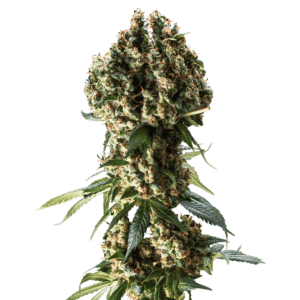
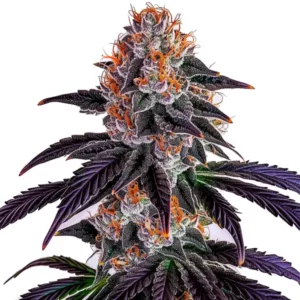
Granddaddy Purple

|
THC | 25% (High) |

|
Type | Feminized |

|
Yield | Medium |

|
Phenotype | 70% Indica / 30% Sativa |

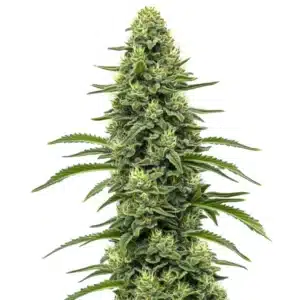
Jack Herer
|
|
THC | 20% (Medium) |
|
|
Type | Feminized |
|
|
Yield | High |
|
|
Phenotype | 40% Indica / 60% Sativa |
On the other hand, a nutrition plan for indica cannabis users should focus on balanced nutrients that cater to the plant’s robust and compact structure. Indica strains like “Blimburn Seeds Granddaddy Purple” benefit from a steady flow of phosphorus and potassium during flowering to support bud development. Ensuring these nutrients are plentiful will result in dense, resinous buds that are a hallmark of quality indica strains.
Unique Needs of Sativa Strains
Sativa strains are known for their energetic and uplifting effects. To support these characteristics, personalized meal plans for sativa vs indica must address the specific needs of sativa plants. As they tend to grow taller and have a longer flowering period, their nutrient requirements are distinct.
A dietary guideline for cannabis strain types like sativas should include higher amounts of nitrogen early on. This is crucial for supporting their vigorous growth. Sativa strains from Blimburn Seeds, such as “Jack Herer“, thrive when given a nutrient mix rich in nitrogen during the vegetative stage. This helps them develop a strong framework to support future bud growth.
Besides to nitrogen, other macro and micronutrients play a vital role in a customized diet for sativa strains. Calcium and magnesium are essential for cell wall strength and photosynthesis, respectively. When planning your strain-specific nutrition plans: sativas vs indicas, ensure these nutrients are in the correct ratios to prevent nutrient lockout and deficiencies.
It’s also important to consider the environmental factors that can influence nutrient uptake in sativa plants. Temperature and humidity levels can affect the transpiration rate, which in turn impacts how nutrients are absorbed. Maintaining optimal conditions is key to maximizing the effectiveness of your nutrition regimen and ensuring robust plant health.
Nutrient Schedule for Sativas
When planning a nutrient schedule for sativas, consider the length of the growing cycle. Sativas typically require more time to mature, meaning their feeding schedule should be adjusted accordingly. During the vegetative phase, increasing nitrogen levels can help support their rapid growth.
As your sativa plants transition into the flowering stage, it’s essential to adjust their nutrient intake. Reducing nitrogen while increasing phosphorus and potassium will support flower production and resin development. This shift in nutrients is vital for strains like “Sour Diesel“, known for its potent aroma and sizable yields.
Besides the primary nutrients, incorporating beneficial microbes into your nutrient schedule can enhance nutrient availability and uptake for sativa strains. Mycorrhizal fungi, for example, can improve root health and expand the root zone, allowing plants to access more nutrients and water.
Monitoring the electrical conductivity (EC) of your nutrient solution is another critical aspect of managing a sativa’s nutrient schedule. Keeping EC levels within optimal ranges ensures the nutrient concentration is suitable for your plants, avoiding nutrient burn or deficiency. Regular adjustments based on plant response will help maintain a thriving garden.
Promos & Deals


Indica’s Specific Nutritional Demands
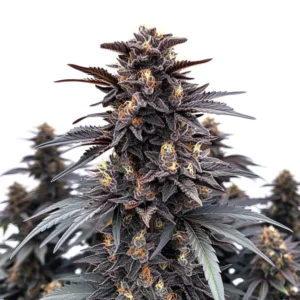
Indica strains, characterized by their relaxing and sedative effects, have different nutritional needs compared to their sativa counterparts. A nutrition plan for indica cannabis users should include a balanced nutrient profile that supports their compact and bushy structure.
Blimburn Seeds’ “Northern Lights” is an excellent example of an indica strain that thrives with a tailored nutrition plan. During the vegetative stage, indicas require balanced levels of nitrogen, phosphorus, and potassium to support their growth and prepare for flowering.
Specific nutrition for indica vs sativa consumers often involves a focus on micronutrients during the flowering stage. Elements such as sulfur and boron play a role in terpene and cannabinoid production, enhancing the flavor and potency of indica buds.
While indicas are generally more forgiving than sativas regarding nutrient fluctuations, consistency is key. Sticking to a regular feeding schedule that aligns with the plant’s developmental stages helps avoid stress and ensures optimal growth and yield.

Optimizing Indica Nutrition
As your indica plants enter the flowering phase, the focus should shift to boosting phosphorus and potassium levels. These nutrients are crucial for enhancing bud size, density, and overall potency. A specific nutrition plan for indica vs sativa consumers should address these needs to optimize plant health and yield.
Indicas are less sensitive to nutrient shifts than sativas, but it’s still essential to monitor their health closely. Look for signs of nutrient deficiency or excess, such as yellowing leaves or burnt tips, and adjust your feeding schedule accordingly.
Supplementing with organic nutrient solutions can be particularly beneficial for indica strains, promoting natural growth and resilience. Products rich in humic and fulvic acids can enhance nutrient uptake and improve soil structure, supporting overall plant vitality.
To further optimize indica nutrition, consider integrating a beneficial bacteria regimen into your growing practice. These microorganisms can help break down organic matter, releasing essential nutrients slowly and consistently, which indicas thrive on during their flowering phase.
FAQs about strain-specific nutrition plans: sativas vs indicas
How do I know if my sativa plants are getting enough nutrients?
Monitoring the overall health and growth of your sativa plants is the best way to determine if they are receiving adequate nutrients. Healthy sativas should exhibit vibrant green leaves and strong stems. If you notice yellowing leaves or stunted growth, it may indicate a nutrient deficiency, particularly in nitrogen during the vegetative phase.
Regular soil testing can provide insights into nutrient levels and help you make informed adjustments to your feeding schedule. Additionally, keeping a close eye on your plants’ response to nutrient changes will ensure they receive the care needed to thrive.
Besides visual cues, using a nutrient monitoring system can provide precise feedback on the nutrient status of your sativa plants. Devices that measure soil moisture and nutrient concentration can offer real-time data, allowing for quick adjustments and fine-tuning of your strain-specific nutrition plans: sativas vs indicas.
Furthermore, maintaining an accurate record of your feeding schedule and plant responses can be invaluable. This data allows you to track trends over time, making it easier to anticipate and correct potential issues before they affect your crop significantly.
What are the common signs of nutrient deficiencies in indica plants?
Indica plants can exhibit several signs when experiencing nutrient deficiencies. Common indicators include yellowing leaves, particularly at the base of the plant, which may suggest a nitrogen deficiency. Purple stems or slow growth can point to phosphorus shortages, while small, weak buds might indicate a lack of potassium during flowering.
Addressing these deficiencies promptly by adjusting your nutrient plan is crucial. Ensure your feeding schedule provides a balanced mix of essential nutrients, and consider using supplements if needed to correct specific deficiencies.
Besides to the primary symptoms, look for other subtle signs such as leaf curling or spotting, which can indicate micronutrient issues. Boron or calcium deficiencies often manifest in distorted new growth, while magnesium shortages typically cause interveinal chlorosis.
Implementing a regular inspection routine can help catch these issues early. By knowing the specific nutrition for indica vs sativa consumers, you can tailor your interventions to address each strain’s unique needs effectively, leading to healthier plants and better yields.
Can I use the same nutrition plan for both sativa and indica strains?
While it’s possible to use a general nutrition plan for both sativa and indica strains, it’s not ideal. Strain-specific nutrition plans: sativas vs indicas offer tailored solutions that cater to the unique needs of each type. Sativas require higher nitrogen during the vegetative stage, while indicas benefit from balanced nutrients and increased phosphorus and potassium during flowering.
By customizing your nutrition plan to suit the specific needs of each strain, you can maximize growth, yield, and overall plant health. This approach leads to a more successful and rewarding growing experience.
Utilizing dietary guidelines for cannabis strain types helps in fine-tuning these nutrition strategies further. Knowing the distinct physiological characteristics and growth patterns of sativas and indicas allows for better nutrient application timing and formulation.
Moreover, experimenting with various nutrient products and formulations can give insights into what works best for your environment and strain selection. Over time, this knowledge becomes invaluable, allowing you to optimize your growing practices and achieve superior results.
How important is pH level in cannabis nutrition?
pH level plays a crucial role in cannabis nutrition as it affects nutrient availability to the plants. If the pH level is too high or too low, certain nutrients may become inaccessible, leading to deficiencies even if they are present in the growing medium.
For optimal nutrient absorption, maintain a pH level between 6.0 and 7.0 for soil and 5.5 to 6.5 for hydroponic systems. Regularly test and adjust the pH levels to ensure your plants can access the nutrients they need for healthy growth.
Besides to regular testing, using pH-adjusting products can help maintain the desired pH balance in your growing medium. Products like pH up and pH down are essential tools for any grower, allowing for quick corrections and stabilization of nutrient solutions.
Furthermore, knowing the interaction between pH and nutrient availability can aid in diagnosing and correcting deficiencies. For instance, calcium and magnesium are less available at lower pH levels, while iron becomes less accessible as pH rises. Adjusting your plan accordingly ensures that strain-specific nutrition plans: sativas vs indicas are effective.
What are some recommended cannabis strains from Blimburn Seeds for beginners?
Blimburn Seeds offers a range of strains suitable for beginners, including both sativas and indicas. For those new to growing sativas, “Amnesia Haze” is a great choice due to its resilience and rewarding yields. Beginners interested in indicas might consider “Northern Lights” for its robust nature and notable relaxation effects.
These strains provide an excellent starting point for novice growers, allowing them to experiment with strain-specific nutrition plans: sativas vs indicas. As they gain experience, they can explore more advanced strains with tailored nutritional needs.
For beginners, starting with strains that have a forgiving growth pattern is key to building confidence and skills. These recommended strains from Blimburn Seeds offer a balance of ease and quality, making them ideal for learning the basics of cannabis cultivation and nutrition.
Additionally, engaging with online communities and resources can provide valuable insights and tips specific to these strains, helping beginners refine their techniques and achieve successful harvests. With time and practice, novice growers can expand their repertoire and tackle more challenging strains.