Expert Insights: How Humidity Affects Cannabis Leaf Color

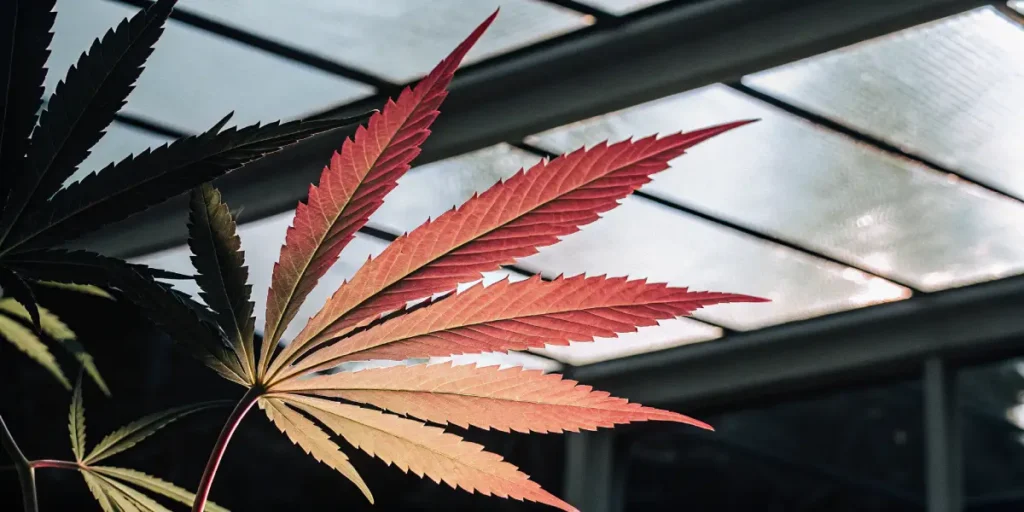
Humidity is a crucial factor in cannabis cultivation that often goes unnoticed. It can significantly affect cannabis leaf color, impacting not only aesthetics but also plant health. Growers, whether new or seasoned, should understand how humidity affects cannabis leaf color to ensure optimal plant growth.
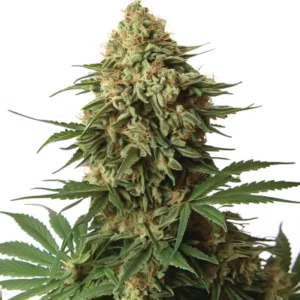
When humidity levels fluctuate, cannabis leaves may change color, indicating stress or health issues. These changes can be subtle or dramatic, depending on the specific conditions and cannabis strain. Blimburn Seeds offers strains like Purple Kush, Gelato, and Blue Dream, which each respond differently to humidity variations.
Recommended Strains
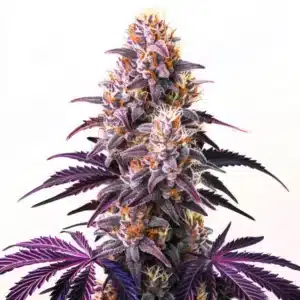
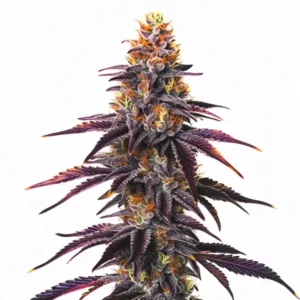
Purple Kush

|
THC | 17% - 27% (Medium) |

|
Type | Feminized |

|
Yield | Medium |

|
Phenotype | 30% Indica / 70% Sativa |

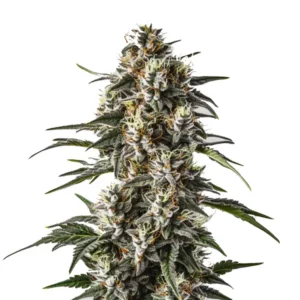
Gelato
|
|
THC | 27% (High) |
|
|
Type | Feminized |
|
|
Yield | High |
|
|
Phenotype | 50% Indica / 50% Sativa |
By closely monitoring humidity, growers can prevent undesired cannabis leaf color changes due to humidity and maintain healthy plants. This involves adjusting your grow room’s environment to meet the needs of your chosen strain. Let’s dive into the details of how humidity plays a role in the pigmentation of cannabis leaves.
Effects of Humidity on Cannabis Leaf Pigmentation
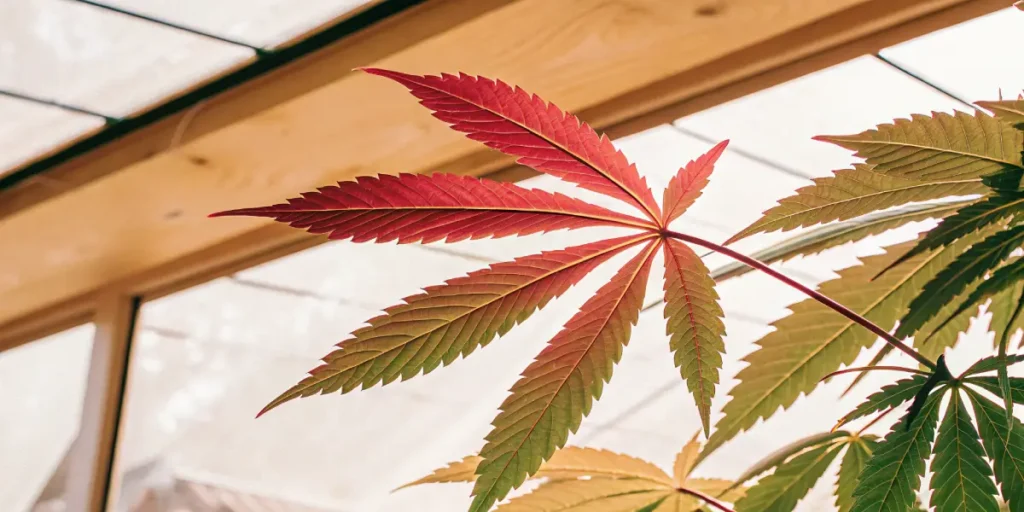
Humidity levels can directly influence the pigmentation of cannabis leaves. When humidity is too high or too low, the plant’s ability to photosynthesize is affected. Knowing how humidity affects cannabis leaf color helps growers recognize early stress signals and adjust environmental conditions before long-term damage occurs.
High humidity impact on cannabis leaves includes a reduction in the plant’s ability to transpire, which is how plants release water vapor. When transpiration is hindered, nutrient uptake can be disrupted, leading to deficiencies that manifest as color changes. Typically, leaves may turn yellow or pale, indicating a lack of essential nutrients.
The effects of humidity on cannabis leaf pigmentation are not only visible but can also affect the plant’s overall growth rate. High humidity environments might cause slower growth due to reduced transpiration, whereas low humidity could lead to rapid transpiration and stress. In either case, knowing cannabis leaf color shifts with humidity is crucial for maintaining plant health.
Moreover, different strains exhibit unique responses to humidity levels. For instance, Blimburn Seeds’ Blue Dream may show signs of stress sooner compared to more resilient strains. Tailoring the humidity levels to fit each strain’s requirements can prevent unwanted pigmentation changes, ensuring that the vibrant colors typical of each type are retained.
Humidity-Induced Color Variations in Cannabis Plants
Humidity-induced color variations in cannabis plants can also occur when levels are too low. Low humidity increases transpiration rates, causing the plant to lose water rapidly. Knowing how humidity affects cannabis leaf color helps growers recognize why leaf edges may turn brown and crispy, a condition commonly known as leaf scorch.
When growing a strain like Gelato from Blimburn Seeds, which thrives in moderate humidity, maintaining steady levels can prevent these adverse effects. Gelato’s vibrant green leaves can become dull or discolored if humidity isn’t carefully controlled.
Besides to leaf scorch, prolonged exposure to low humidity can cause leaves to curl or become brittle. This not only affects the plant’s aesthetic but can also impede its ability to carry out essential functions like photosynthesis. Such humidity-induced color variations in cannabis plants highlight the need for vigilant environmental control.
On the other hand, high humidity can lead to an entirely different set of problems, such as increased risk of mold and mildew. These conditions not only affect the leaf color but can also compromise the plant’s integrity. Therefore, knowing cannabis leaf color shifts with humidity is key to preventing these issues and ensuring a healthy crop.
Promos & Deals
How to Manage Humidity for Optimal Cannabis Leaf Color
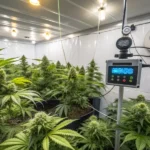
Managing humidity effectively ensures your cannabis plants stay healthy and retain their natural leaf color. First, measure the humidity in your grow space using a hygrometer. This tool helps you track changes and adjust conditions as needed.
Depending on your findings, you might need to use humidifiers or dehumidifiers. For example, during the flowering stage, lower humidity levels are often beneficial. This prevents mold and enhances leaf color in strains like Purple Kush from Blimburn Seeds.
Regularly calibrating your monitoring tools ensures they remain accurate, providing reliable data for making informed adjustments. This precision helps in maintaining the delicate balance required to prevent cannabis leaf color changes due to humidity, ultimately supporting vigorous plant growth.
Furthermore, integrating automated humidity control systems can alleviate the manual workload, ensuring consistent conditions are maintained. Such systems can be programmed to adjust based on real-time environmental feedback, which is especially important when knowing how humidity affects cannabis leaf color and overall plant health, making them invaluable for optimal cannabis cultivation.
Practical Tips for Controlling Humidity
Here are some practical tips to control humidity in your grow space:
- Use a hygrometer to regularly monitor humidity levels.
- Invest in a dehumidifier for high humidity environments.
- Place humidifiers in dry areas to maintain optimal moisture.
- Ensure good air circulation with fans to regulate temperature and humidity.
- Adjust ventilation systems to suit the specific needs of your cannabis strains.
These steps help maintain the ideal environment for your plants, preventing unwanted cannabis leaf color changes due to humidity. By tailoring your approach, you can support healthy leaf pigmentation.
Real-life examples include adjusting the environment for a strain like Purple Kush, which prefers lower humidity during flowering. This not only preserves its deep color but also enhances overall plant health.
Incorporating natural elements like activated carbon filters can further improve air quality by removing excess moisture and impurities. This strategy contributes to a stable environment, supporting the effects of humidity on cannabis leaf pigmentation by enhancing plant resilience and maintaining vibrant foliage.
Additionally, monitoring local weather patterns and seasonal changes can provide insights into potential humidity fluctuations. Anticipating these shifts allows growers to prepare and adjust their indoor environments accordingly, safeguarding against adverse effects on cannabis leaf color.
FAQs: How Humidity Affects Cannabis Leaf Color
What are the signs of humidity stress in cannabis leaves?
Humidity stress in cannabis leaves can manifest in various ways. If the humidity is too high, you may notice yellowing leaves, indicating nutrient deficiencies. This occurs because excessive moisture disrupts the plant’s nutrient uptake.
Conversely, if the humidity is too low, leaves can become brown and crispy around the edges. This condition, known as leaf scorch, results from the plant losing water faster than it can absorb. Both situations require immediate attention to prevent further damage.
Additional symptoms of humidity stress include leaf drooping and wilting. This can occur when the plant struggles to maintain its internal water balance. Such signs are critical indicators that the environmental conditions need adjustment to prevent long-term damage.
Knowing how humidity affects cannabis leaf color also involves recognizing subtle shifts in texture and firmness. Leaves may become leathery or fragile, indicating stress. Addressing these signs promptly ensures that the plant remains healthy and productive.
How does high humidity impact cannabis leaves?
High humidity levels can lead to a reduced rate of transpiration. Transpiration is the process by which plants release water vapor. When this process is hindered, it affects nutrient transport within the plant, often leading to yellow or pale leaves.
This impact is particularly noticeable in strains like Blue Dream, where maintaining balanced humidity is crucial for vibrant leaf color. High humidity can also promote mold growth, which further stresses the plant and affects leaf health.
Beyond nutrient deficiencies, high humidity impact on cannabis leaves can also result in increased susceptibility to pathogens. The moist environment is ideal for the proliferation of molds and fungi, which can quickly compromise plant health if not managed properly.
Furthermore, high humidity can exacerbate pest issues, as certain insects thrive in damp conditions. These pests can damage leaf tissue, leading to additional color changes and reducing the plant’s overall vigor. Thus, controlling humidity is integral to protecting cannabis from a range of potential threats.
What humidity levels are ideal for cannabis during different growth stages?
During the seedling stage, higher humidity levels of 65-70% are ideal. This supports young plants as they develop their root systems. In the vegetative stage, reducing humidity to around 40-60% helps prevent mold and supports healthy growth.
For the flowering stage, lower humidity levels of 40-50% are recommended. This not only enhances flavor and potency but also preserves the leaf color of strains like Gelato. Adjusting humidity for each growth stage is essential for optimal plant health.
Matching the humidity to the plant’s developmental stage ensures that each phase of growth is supported by the ideal conditions. This precision in environmental control is crucial for maximizing the plant’s genetic potential and achieving desired outcomes.
Moreover, strains from Blimburn Seeds, with their specific requirements, benefit from such tailored care. By knowing and implementing these humidity guidelines, growers can avoid common pitfalls and promote vibrant, healthy cannabis leaf color throughout the plant’s lifecycle.
Can humidity control improve cannabis yield and quality?
Yes, controlling humidity can significantly improve both yield and quality. By maintaining optimal humidity, you ensure that the plants can efficiently photosynthesize and uptake nutrients. This results in healthier plants with vibrant leaf colors and higher yields.
Strains like Purple Kush benefit from precise humidity management, which enhances their natural qualities. Proper control reduces the risk of disease and enhances the overall quality of the harvest, making it a critical aspect of successful cannabis cultivation.
Additionally, effective humidity control minimizes environmental stress, allowing plants to focus energy on growth and resin production. This increase in yield and potency is particularly advantageous for commercial growers aiming to maximize their return on investment.
Furthermore, consistent humidity levels contribute to uniform plant development, which simplifies the harvesting process and improves the overall quality of the end product. This attention to environmental detail is a hallmark of successful cannabis cultivation strategies.
What tools are essential for managing humidity in a grow space?
Several tools are essential for managing humidity effectively. A hygrometer is crucial for monitoring the current humidity level. It’s a simple device that provides real-time data, allowing you to make necessary adjustments quickly.
Besides, humidifiers and dehumidifiers are vital for maintaining desired humidity levels. Fans and ventilation systems also play a role, as they help circulate air and prevent moisture buildup. Together, these tools ensure a stable environment for your cannabis plants.
Advanced environmental control systems can also integrate humidity management with temperature and CO2 regulation, providing a comprehensive solution for indoor cultivators. These systems use sensors and automation to adjust the environment, enhancing efficiency and consistency.
Investing in quality equipment from reputable brands can provide long-term benefits, as these tools are crucial for managing the effects of humidity on cannabis leaf pigmentation. By ensuring optimal conditions, growers can focus on perfecting other aspects of cultivation, such as nutrient management and pruning techniques.