Expert Guide: What Causes Leaf Chlorosis in Cannabis Plants

Leaf chlorosis in cannabis plants can be a grower’s nightmare. This phenomenon, where leaves turn yellow, is a clear sign that something’s amiss. Knowing what causes leaf chlorosis in cannabis is essential for both novice and seasoned cultivators, as tackling this issue early helps ensure healthy growth and maximize yield.
Many factors can contribute to chlorosis. Environmental stressors, improper watering, and nutrient imbalances often play a role. Identifying the root cause swiftly can save your plants from irreversible damage.
Recommended Strains
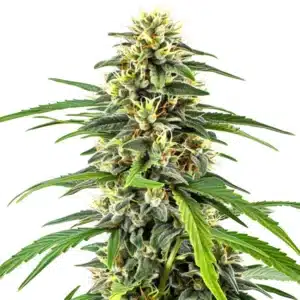
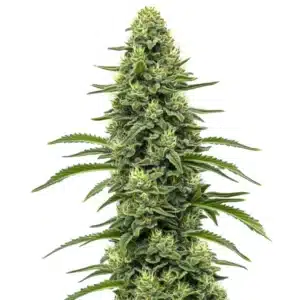
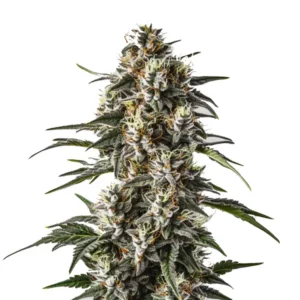
Amnesia Haze

|
THC | 18% - 22% (Medium) |

|
Type | Feminized |

|
Yield | High |

|
Phenotype | 30% Indica / 70% Sativa |
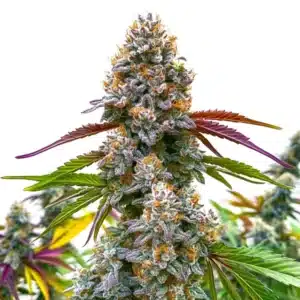
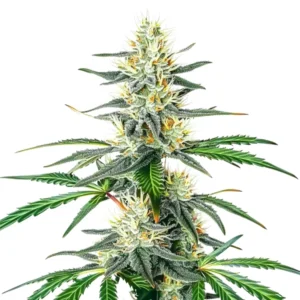
Critical Daddy Purple
|
|
THC | 19% (Medium) |
|
|
Type | Feminized |
|
|
Yield | High |
|
|
Phenotype | 50% Indica / 50% Sativa |
Let’s delve into what causes leaf chlorosis in cannabis and explore practical solutions. This guide will help you maintain the vibrancy of your cannabis plants, ensuring they’re lush and thriving.
Common Causes of Leaf Chlorosis
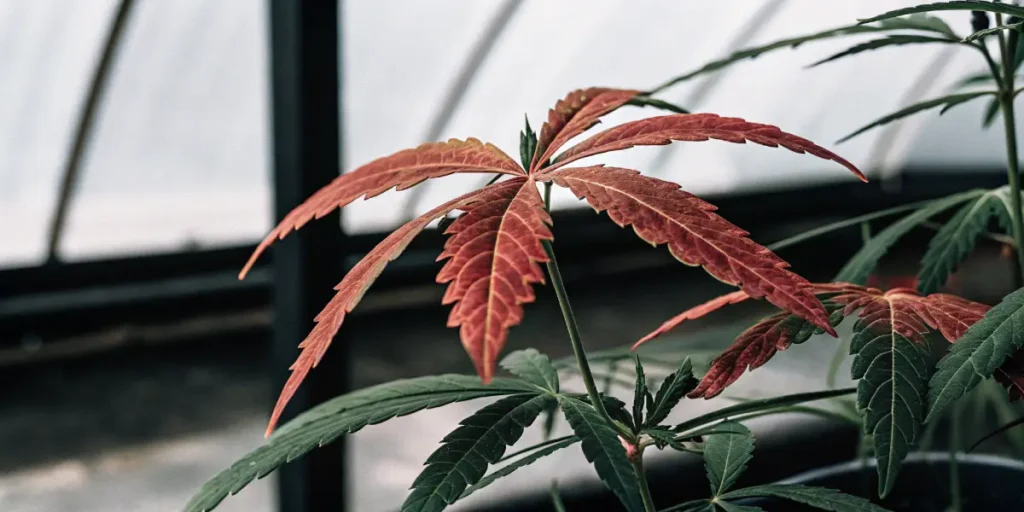
One primary cause of leaf chlorosis is nutrient deficiency in cannabis plants. When essential nutrients like nitrogen, magnesium, or iron are lacking, leaves may begin to yellow. Each nutrient plays a unique role in the plant’s health, and a shortfall can lead to significant problems.
Overwatering is another culprit. Cannabis plants need well-drained soil to thrive. Excess water can suffocate roots, leading to oxygen deprivation and root rot. This condition, known as cannabis chlorosis due to overwatering, is often confused with nutrient deficiencies, but the treatment varies significantly.
Other environmental stressors can also accelerate chlorosis. For example, compacted soil can restrict root expansion, limiting the plant’s ability to absorb nutrients. Additionally, pests and diseases may damage roots or interfere with nutrient uptake, complicating the symptoms of chlorosis.
In many cases, diagnosing what causes leaf chlorosis in cannabis requires a holistic approach. Paying attention to the interplay of nutrients, watering practices, and environmental factors can lead to more effective solutions. A comprehensive knowing is essential to fully address the underlying issues.
Nutrient Deficiency in Cannabis Plants
Nitrogen is crucial for cannabis growth. It’s a vital component of chlorophyll, the pigment responsible for the plant’s green color. A nitrogen deficiency can cause older leaves to turn yellow, a classic sign of nutrient deficiency in cannabis plants.
Iron deficiency in cannabis leaves often results in new growth turning yellow while veins remain green. This condition impacts photosynthesis and can severely stunt plant growth if not addressed promptly.
Magnesium deficiency symptoms in cannabis include interveinal chlorosis, where yellowing occurs between the veins of the leaves. Magnesium is essential for photosynthesis, and its deficiency can lead to weak and discolored foliage.
To combat these deficiencies, growers should regularly assess their fertilization plan and ensure that all essential nutrients are supplied in adequate amounts. Tailoring the nutrient mix to the specific growth stage of the cannabis plant can also enhance its overall health and prevent deficiency-related chlorosis.
Incorporating a soil test can provide insights into nutrient availability and help pinpoint any imbalances. By knowing the specific nutrient needs of cannabis at different stages, growers can make informed decisions and prevent nutrient deficiencies from leading to more widespread chlorosis.
Promos & Deals
Environmental Factors Contributing to Chlorosis
Environmental conditions, such as light and temperature, can have a significant impact on plant health. Knowing what causes leaf chlorosis in cannabis often starts with evaluating light exposure, as cannabis plants require the right balance of light and darkness to produce chlorophyll. Too much light can bleach leaves, while insufficient light can slow growth and reduce chlorophyll production.
Extreme temperatures can also lead to chlorosis. Cold temperatures may cause the plant to absorb nutrients more slowly, while excessive heat can lead to rapid transpiration and nutrient depletion. Maintaining optimal environmental conditions is key to preventing cannabis leaf yellowing causes.
Humidity levels also play a role in maintaining plant health. Too much humidity can encourage mold and mildew, which may further stress the plant, while too little can lead to dehydration and impact nutrient uptake. Keeping humidity within ideal ranges can mitigate these issues.
Ventilation is another critical factor. Proper airflow can prevent the buildup of excess moisture and help maintain stable temperatures, reducing the risk of chlorosis. By optimizing the growing environment, cultivators can create conditions conducive to healthy plant growth and minimize environmental stressors.
Managing Overwatering
Overwatering is a common mistake made by new growers. Cannabis roots require oxygen, and excessive water can drown them, leading to poor nutrient uptake. To avoid cannabis chlorosis due to overwatering, ensure the soil dries out between watering sessions.
Consider using pots with drainage holes and a well-aerated soil mix. This setup allows excess water to escape, reducing the risk of waterlogging and root rot. Monitoring the weight of your pots can also help determine when it’s time to water.
Implementing a consistent watering schedule tailored to your plant’s specific needs can prevent overwatering. Each cannabis strain has its own requirements, so it’s essential to adjust your practices accordingly.
Using moisture meters can provide a more accurate assessment of when to water, preventing the common pitfall of overwatering. By relying on objective measurements rather than guesswork, growers can better manage their irrigation practices.
Choosing the Right Strains
Some cannabis strains are more resilient to chlorosis than others. Blimburn Seeds offers a variety of strains that can withstand nutrient imbalances and environmental stress. Choosing the right strain can minimize the risk of leaf chlorosis.
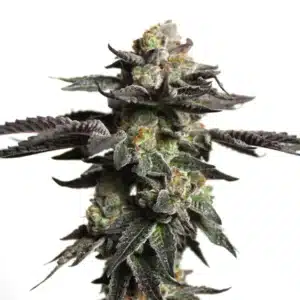
The “Amnesia Haze” from Blimburn Seeds is known for its resilience in various conditions. It’s an excellent choice for growers looking to avoid common chlorosis issues.
When selecting strains, consider the growing environment and the specific challenges it presents. Some strains may be better suited to indoor cultivation, while others thrive outdoors, making them more adaptable to external conditions.
Researching the genetic background of each strain can also offer insights into its potential resistance to chlorosis. Blimburn Seeds provides detailed information on the characteristics of their strains, helping growers make informed decisions to optimize plant health.
Practical Solutions for Leaf Chlorosis
To tackle chlorosis effectively, it’s crucial to identify the underlying cause. Conduct a thorough assessment of your growing conditions, checking for signs of nutrient deficiency in cannabis plants or overwatering.
For nutrient-related chlorosis, consider supplementing with a balanced fertilizer. Products rich in nitrogen, magnesium, or iron can address specific deficiencies. Always follow the manufacturer’s instructions to avoid over-fertilization.
Regularly test your soil’s pH. Cannabis plants prefer a slightly acidic environment, with a pH range of 6.0 to 7.0. Adjusting the pH can enhance nutrient uptake and prevent further yellowing.
Besides to fertilizers, foliar sprays can offer a quick solution to nutrient deficiencies. These sprays deliver nutrients directly to the leaves, allowing for faster absorption and visible improvements.
Working with organic amendments can also support soil health and promote better nutrient availability. By enhancing the soil’s biological activity, growers can improve nutrient cycling and provide a more balanced supply of essential elements.
Monitoring and Maintenance
Once you’ve addressed the root causes of chlorosis, ongoing monitoring is essential. Keep a close eye on your plants for any signs of stress or nutrient imbalance. Regular maintenance will ensure your cannabis plants remain healthy and productive.
Implementing a routine check can prevent future chlorosis. This includes inspecting leaves, checking soil moisture levels, and maintaining optimal environmental conditions. By staying proactive, you can mitigate many issues before they escalate.
Documenting your observations and adjustments can help track the effectiveness of interventions and guide future decisions. A detailed record of changes in plant health can offer valuable insights into what causes leaf chlorosis in cannabis and how to prevent it.
Joining grower communities or seeking advice from experienced cultivators can also provide additional perspectives and strategies. Sharing experiences and learning from others can enhance your ability to manage and prevent chlorosis effectively.
FAQs about what causes leaf chlorosis in cannabis
What is the most common cause of leaf chlorosis in cannabis?
Nutrient deficiency is often the most common cause. Cannabis plants require a variety of nutrients to thrive, and a lack of any essential element can result in yellowing leaves. Ensuring a balanced diet through quality fertilizers is crucial.
Overwatering can also lead to chlorosis. Excess water can suffocate roots and impede nutrient absorption, mimicking symptoms of nutrient deficiencies. Proper watering techniques are essential to avoid this issue.
Environmental factors such as inadequate lighting or extreme temperatures are also contributing factors. Balancing these elements is vital for preventing cannabis leaf yellowing causes and maintaining plant vibrancy.
Knowing the specific nutrient needs and environmental tolerances of your chosen cannabis strain can help prevent leaf chlorosis. Tailoring your care practices to these needs can alleviate many common issues.
How can I prevent iron deficiency in cannabis leaves?
Iron is critical for chlorophyll production. To prevent iron deficiency, maintain the soil pH within the ideal range for cannabis, which enhances nutrient absorption. Using chelated iron supplements can also help address deficiencies swiftly.
Regularly testing your soil and adjusting as necessary can prevent iron deficiency. Additionally, choosing strains like “GG4” from Blimburn Seeds, known for their robustness, can reduce the risk of iron-related issues.
Improving soil aeration can also support better nutrient uptake. Compacted soil can hinder root growth and nutrient absorption, so using substrates that promote good drainage and aeration is beneficial.
Incorporating organic matter into the soil can enhance its nutrient-holding capacity and improve the overall growing environment. Compost or worm castings can help maintain a healthy balance of nutrients and reduce the likelihood of deficiencies.
What steps can I take to manage magnesium deficiency symptoms in cannabis?
Magnesium is vital for photosynthesis. To manage magnesium deficiency, consider using Epsom salts, which are rich in magnesium sulfate, as a supplement. Dissolve them in water and apply to the soil for quick results.
Adjusting the pH level can improve magnesium uptake. Ensuring the soil is not too acidic or alkaline can prevent recurring deficiencies. Regular monitoring and adjustments are key to managing magnesium levels effectively.
Incorporating a complete nutrient solution that includes magnesium can prevent deficiencies from occurring in the first place. It’s important to tailor the nutrient regimen to the specific stage of plant growth.
Using a foliar spray with magnesium can provide an immediate boost to plants showing deficiency symptoms. This method is especially effective when rapid correction is needed.
Are there cannabis strains less prone to chlorosis?
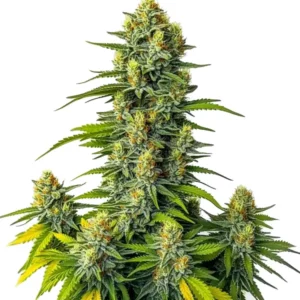
Yes, some strains are more resilient to stressors that cause chlorosis. The “Critical Daddy Purple” from Blimburn Seeds is bred for hardiness and can withstand minor environmental changes and nutrient fluctuations.
Choosing the right strain can significantly reduce the risk of chlorosis. Researching and selecting strains known for their resilience can aid in maintaining vibrant, healthy plants.
Strains with a robust genetic lineage often exhibit greater tolerance to common growth challenges. These strains can be particularly beneficial for novice growers or those cultivating in less-than-ideal conditions.
Blimburn Seeds provides detailed strain information, allowing growers to select varieties aligned with their specific cultivation goals and environmental conditions. This strategic choice can support successful outcomes.
Can environmental factors alone cause chlorosis?
Environmental factors can certainly contribute to chlorosis. Light intensity, temperature, and humidity levels all play a role in plant health. Imbalances can lead to stress, resulting in yellowing leaves.
Ensuring optimal environmental conditions is essential. By controlling light schedules, maintaining stable temperatures, and regulating humidity, you can prevent chlorosis and promote healthy growth.
It’s also crucial to consider the microenvironment around each plant. Factors such as airflow and spacing can impact light penetration and air circulation, influencing plant health.
Regularly adjusting environmental controls based on plant responses can help maintain ideal growing conditions. Being observant and adaptable can mitigate the effects of environmental stressors on chlorosis.