Expert Guide: Using Refractometer Data for Smart Strain Selection

Using refractometer data for strain selection and breeding is a game-changer for cannabis cultivators. This tool measures the Brix level, or sugar content, in plant sap. High Brix levels typically indicate better plant health. Healthier plants often mean higher yields and better resistance to pests and diseases.
Many growers don’t realize how crucial refractometer data can be. It allows you to fine-tune your strain selection process, leading to better outcomes in breeding programs. Imagine consistently producing top-quality strains like Bruce Banner 3, Blue Dream, and Gelato from Blimburn Seeds. These strains are known for their resilience and potency, partly due to optimal breeding practices.
Recommended Strains

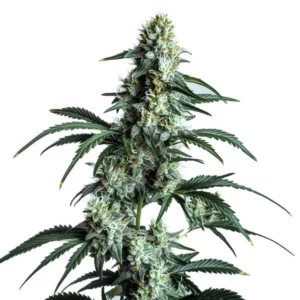
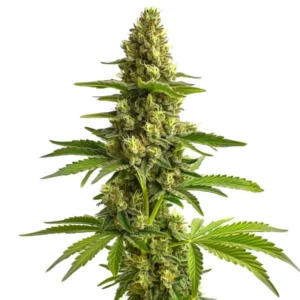
Blue Dream

|
THC | 17% - 24% (Medium) |

|
Type | Feminized |

|
Yield | High |

|
Phenotype | 50% Indica / 50% Sativa |
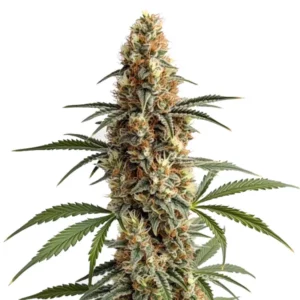
Bruce Banner #3
|
|
THC | 20% - 29% (High) |
|
|
Type | Feminized |
|
|
Yield | Medium |
|
|
Phenotype | 50% Indica / 50% Sativa |
Successful cannabis cultivation hinges on precision. Incorporating refractometer data into your strain selection process provides an edge. It helps you identify the most promising plants for breeding, maximizing both quality and yield. Let’s dive deeper into how this works.
Why Use a Refractometer in Cannabis Cultivation?
Refractometers are invaluable for anyone serious about cannabis cultivation. They provide quantitative data on plant health, offering insights that are otherwise invisible. By measuring the Brix levels, growers can make informed decisions about which plants to prioritize for breeding.
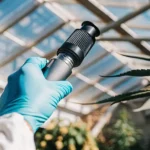
A refractometer is simple to use. You just need a small sample of plant sap. This tool provides instant feedback, allowing you to take real-time action. For example, if you notice low Brix levels in your plants, it might indicate nutrient deficiencies. You can then adjust your feeding regimen accordingly to improve your crop’s health.
Moreover, using refractometer data for strain selection and breeding helps you focus on long-term plant health and productivity rather than just short-term gains. By incorporating regular Brix measurements into your routine, you can establish a baseline for what constitutes a healthy plant in your specific growing conditions. This baseline is invaluable when selecting parent plants for breeding programs, ensuring that you are always working with the best genetic material available.
Refractometer data in plant breeding also allows for more precise adjustments to environmental factors. By monitoring Brix levels, you can determine the optimal conditions for your plants, such as the ideal amount of light, nutrients, and water. This data-driven approach can significantly improve the quality and yield of your cannabis strains, making it an essential tool in the modern cultivator’s arsenal.
Optimizing Cannabis Strains with Refractometer Data
Optimizing crop strains with refractometer data starts with regular measurement. Keeping track of your plants’ Brix levels over time gives you a comprehensive view of their health. This data becomes invaluable during the breeding process.
Consider this: you have two plants, one with consistently high Brix levels and another with fluctuating levels. By choosing to breed the plant with stable high Brix readings, you’re more likely to produce offspring with desirable traits. This approach has proven effective for strains like Sour Diesel and Critical Daddy Purple from Blimburn Seeds.
Strain selection using refractometer readings is not just about choosing the healthiest plants; it’s about knowing the nuances of your plant’s needs and responses. Regular Brix measurements can reveal how plants react to different stressors, allowing you to select strains that not only survive but thrive in specific conditions. This targeted selection process can lead to the development of unique strains with enhanced qualities.
Additionally, refractometer data analysis for breeding programs allows you to detect subtle changes in plant health that might not be visible to the naked eye. By catching these early, you can intervene before significant damage occurs, preserving the integrity of your breeding stock. This proactive management strategy is especially beneficial in large-scale operations where maintaining consistent quality across strains is crucial.
Promos & Deals




Implementing Refractometer Data Analysis
Refractometer data analysis for breeding programs involves more than just measuring sugar content. It requires a systematic approach to data collection and interpretation. This data helps you identify which plants are thriving and which need attention.
For example, if you notice a sudden drop in Brix levels, it may suggest a hidden issue like root disease or pest infestation. Addressing these issues promptly can save your crop. This proactive approach is essential for maintaining the health of your strains.
Data analysis is a powerful tool in improving breeding outcomes with refractometer measurements. By systematically reviewing your Brix data, you can identify patterns and correlations that inform your breeding decisions. This strategic approach ensures that your breeding program is grounded in empirical evidence rather than guesswork, leading to more reliable and repeatable results.
Furthermore, using refractometer data for strain selection and breeding helps you maintain genetic diversity in your breeding stock. By choosing plants with varied but high Brix levels, you can preserve a wide range of genetic traits, increasing the resilience of your strains to environmental changes. This genetic robustness is a significant advantage in an industry where adaptability can mean the difference between success and failure.
Improving Breeding Outcomes
Improving breeding outcomes with refractometer measurements requires a strategic plan. Start by comparing Brix levels across different strains. Identify those with the highest readings. These are your candidates for breeding success.
Once you’ve identified promising strains, focus on maintaining their health. Ensuring optimal conditions will help these plants reach their full potential. Strains like OG Kush and Mamba Negra from Blimburn Seeds are excellent examples of successful breeding using refractometer data.
Moreover, improving breeding outcomes with refractometer measurements involves refining your selection criteria over time. By analyzing Brix data alongside other performance metrics, such as growth rate and pest resistance, you can develop a more nuanced knowing of what constitutes a successful strain. This continuous refinement process ensures that your breeding program remains dynamic and responsive to changing conditions.
Collaborating with other growers and sharing insights on refractometer data can further enhance your breeding outcomes. By pooling data and experiences, you can identify broader trends and best practices, elevating the quality of cannabis cultivation industry-wide. This collaborative approach benefits everyone involved, from individual growers to large-scale operations, by fostering a culture of continuous improvement and innovation.
Practical Tips for Using Refractometer Data
- Calibrate your refractometer regularly for accurate readings.
- Measure Brix levels at the same time each day for consistency.
- Use clean, fresh samples of plant sap to avoid contamination.
These simple practices ensure reliable data, which is crucial for strain selection using refractometer readings. Accurate data allows you to make informed decisions, leading to higher quality strains.
For instance, if you’re aiming to develop a strain with higher THC content, consistent high Brix levels can be a good indicator of potential success. Combining this data with other breeding techniques can help you achieve your goals more effectively.
Besides to these tips, consider documenting your refractometer data meticulously. Keeping detailed records of your measurements allows you to track progress over time and make more informed decisions. This historical data can be invaluable when evaluating the success of different breeding strategies and making adjustments as needed.
Finally, remain open to experimentation. While using refractometer data for strain selection and breeding provides a solid foundation, experimentation is key to discovering new possibilities. Trying different combinations of strains and environmental conditions, guided by refractometer data, can lead to breakthroughs in strain development, offering new and exciting options to the cannabis market.
FAQs about using refractometer data for strain selection and breeding
What is Brix and why is it important in cannabis cultivation?
Brix is a measurement of the sugar content in a plant’s sap, usually expressed as a percentage. In cannabis cultivation, high Brix levels generally indicate a healthy plant. Healthier plants tend to produce better yields and have increased resistance to pests and diseases.
Using refractometer data for strain selection and breeding involves tracking these Brix levels. By doing so, growers can identify which plants are thriving and make more informed decisions about breeding, ultimately improving the overall quality of their crops.
Knowing Brix levels can also provide insights into the nutritional status of your plants. By correlating Brix measurements with nutrient profiles, you can fine-tune your fertilization programs to support optimal plant growth. This targeted approach ensures that your plants receive the exact nutrients they need, reducing waste and improving efficiency.
Additionally, refractometer data in plant breeding can help you anticipate and mitigate potential issues before they become serious problems. By monitoring Brix levels, you can detect signs of stress early and take corrective action, such as adjusting watering schedules or increasing pest control measures, to protect your crops and maintain high-quality yields.
How often should I measure Brix levels in my cannabis plants?
It’s advisable to measure Brix levels at least once a week. This frequency allows you to monitor changes over time without overwhelming yourself with data. Consistency in your measurement routine helps you spot trends and make timely adjustments.
For precision, take measurements at the same time of day. Morning is often recommended, as it provides a baseline reading before environmental factors can affect the results. This approach is crucial for optimizing crop strains with refractometer data.
However, the frequency of measurements can be adjusted based on the specific needs of your plants and the goals of your breeding program. During critical growth phases or when experimenting with new strains, more frequent measurements may be beneficial. This increased data collection can provide deeper insights into how your plants are responding to different conditions and interventions.
Conversely, during periods of stability or when dealing with established strains, less frequent measurements might suffice. The key is to remain flexible and responsive to the needs of your plants, using refractometer data as a guide to ensure their ongoing health and productivity.
Can environmental factors affect Brix readings?
Yes, environmental factors like temperature, humidity, and light can impact Brix readings. For example, extreme temperatures might cause stress to the plant, leading to lower Brix levels. Knowing these influences is vital for accurate data interpretation.
To minimize these effects, maintain stable growing conditions. This consistency helps ensure that your refractometer data truly reflects the plant’s health, making it a reliable tool for strain selection and breeding programs.
Beyond just maintaining stable conditions, it’s important to understand how different environmental factors interact with one another. This holistic knowing can help you create an optimal growing environment that supports high Brix levels and overall plant health. For example, balancing light intensity with humidity levels can prevent plant stress, allowing for more accurate Brix readings and better decision-making.
Besides, keeping detailed records of environmental conditions alongside your Brix measurements can help you identify correlations between environmental changes and Brix level fluctuations. This data-driven approach can inform future adjustments to your growing conditions, leading to more consistent and reliable outcomes in your cannabis cultivation efforts.
What are some common mistakes to avoid when using a refractometer?
A common mistake is not calibrating your refractometer regularly. Calibration ensures the accuracy of your readings. Another error is using contaminated or old sap samples, which can lead to incorrect Brix readings and misguided decisions.
To avoid these pitfalls, always calibrate your device according to the manufacturer’s instructions. Use fresh sap samples, and clean your refractometer thoroughly after each use. These practices are essential for improving breeding outcomes with refractometer measurements.
Another common mistake is failing to account for the natural variability in Brix levels. Plants can exhibit variations due to factors like age, stage of growth, and environmental conditions. Misinterpreting these variations as problems can lead to unnecessary interventions. Knowing the normal range of Brix levels for your specific strains can help you make more informed decisions.
Finally, avoid relying solely on refractometer data without considering other indicators of plant health. While Brix levels are an important metric, integrating them with other data, such as visual inspections and growth measurements, provides a more comprehensive view of your plants’ well-being. This integrated approach ensures that you are making well-rounded and effective decisions for your breeding program.
How can I use refractometer data to improve my cannabis strains?
Utilize refractometer data to track the health and potential of your plants over time. High Brix levels are indicators of healthy plants, making them ideal candidates for breeding. This data helps you refine your breeding program, focusing on plants with the most desirable traits.
Combine refractometer data with other cultivation techniques to enhance strain quality. For example, use it alongside controlled environmental conditions to ensure optimal growing circumstances. This integrated approach leads to the development of superior cannabis strains.
Furthermore, refractometer data can guide your experimentation with new strains. By providing a clear picture of how different genetic combinations perform under various conditions, Brix measurements allow you to fine-tune your breeding strategies. This iterative process helps you discover innovative solutions and develop strains with unique and desirable characteristics.
Additionally, sharing your findings with the broader cannabis cultivation community can contribute to collective knowledge and innovation. By collaborating with other growers and researchers, you can build on existing insights and develop new techniques for using refractometer data in plant breeding. This collaborative spirit not only enhances your own breeding program but also advances the industry as a whole.