Expert Guide: Using a Refractometer for Cannabis Brix Testing

Using a refractometer for cannabis Brix testing can elevate your growing game. This tool measures the sugar content in plant sap, offering insights into the health of your cannabis plants. Whether you’re new to cannabis cultivation or a seasoned grower, knowing how to use a refractometer can help optimize your crop’s quality and yield.
When measuring Brix levels, a refractometer provides a snapshot of your plant’s overall health. Higher Brix levels often indicate a robust, healthy plant. This can translate to a stronger, more potent harvest. Implementing Brix testing into your routine can be a game-changer, especially when growing strains like Gelato, Bruce Banner #3, or GG4 from Blimburn Seeds.
Recommended Strains

Bruce Banner #3

|
THC | 20% - 29% (High) |

|
Type | Feminized |

|
Yield | Medium |

|
Phenotype | 50% Indica / 50% Sativa |

Gelato
|
|
THC | 27% (High) |
|
|
Type | Feminized |
|
|
Yield | High |
|
|
Phenotype | 50% Indica / 50% Sativa |
To get started, you’ll need to know how to use a refractometer for cannabis Brix testing correctly. This involves taking a sample of your plant’s sap, placing it on the refractometer’s glass surface, and reading the scale. Regular monitoring allows you to track changes and make adjustments, ensuring optimal plant health at every growth stage.
Benefits of Brix Testing in Cannabis Cultivation
Brix testing offers numerous advantages for cannabis growers. One key benefit is the ability to monitor plant health. By keeping an eye on Brix levels, you can detect stress factors early, such as nutrient deficiencies or pest infestations. This proactive approach helps maintain your crop’s vitality.
Another benefit of Brix testing in cannabis cultivation is improved quality. Plants with higher Brix levels often produce better-tasting buds. This is especially true for flavorful strains like Zkittlez or Tangie from Blimburn Seeds. High Brix levels can also correlate with increased potency, a crucial factor for both recreational and medicinal users.
Additionally, using a refractometer for cannabis Brix testing helps in optimizing the plant’s nutrient intake, ensuring that the feeding regimen aligns with the plant’s needs. This precision leads to more efficient growth and resource utilization. Moreover, the insights gained can guide decisions on environmental adjustments, such as light intensity and watering schedules, to further enhance plant performance.
For growers looking to differentiate their product in a competitive market, Brix testing provides an edge. It allows for fine-tuning of cultivation techniques, resulting in a more consistent and high-quality yield. This not only satisfies discerning consumers but also boosts the grower’s reputation for producing exceptional cannabis.
How to Use a Refractometer for Cannabis Brix
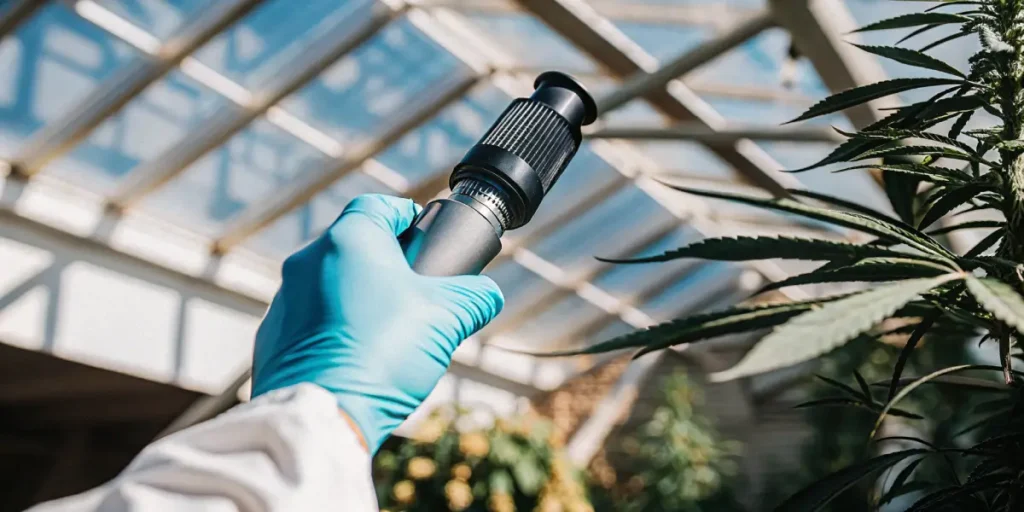
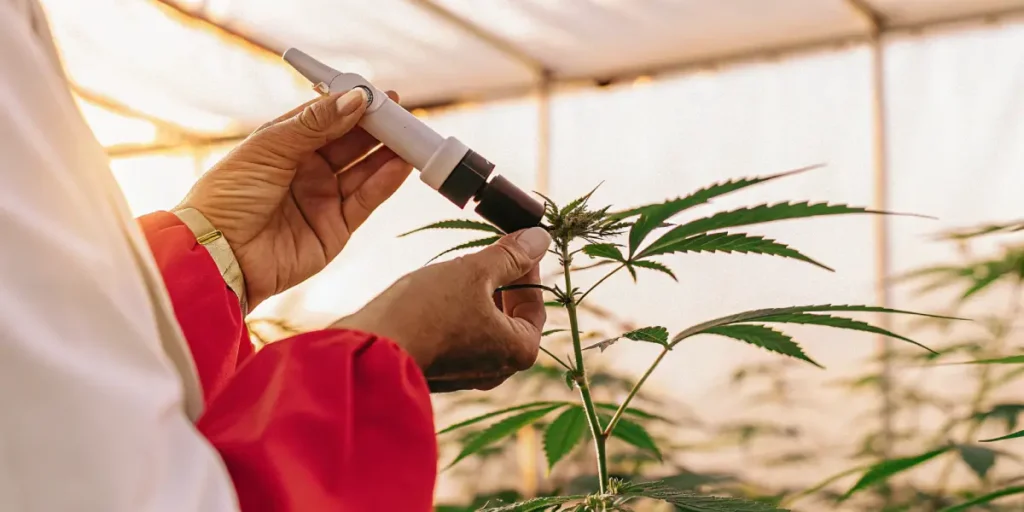
Grasping how to use a refractometer for cannabis Brix is quite straightforward. Start by carefully cutting a small piece of leaf or stem from your plant. Apply gentle pressure to extract a drop of sap. Place this drop on the refractometer’s glass plate.
Next, close the refractometer’s cover plate and look through the eyepiece. You will see a scale indicating the Brix level. Ensure the refractometer is correctly calibrated for accurate readings. Refractometer calibration for cannabis testing can usually be done with distilled water.
It’s important to take samples at the same time of day for consistency, as Brix levels can fluctuate due to photosynthesis. Morning samples are often recommended for their stability. This consistency aids in creating an accurate cannabis refractometer Brix level guide that can be referenced throughout the growth cycle.
Knowing the nuances of how to use a refractometer for cannabis Brix can enhance the effectiveness of your testing. Familiarize yourself with the device’s operation, and always clean the glass surface between tests to avoid cross-contamination. These practices ensure that your readings are as reliable and informative as possible.
Refractometer Calibration for Cannabis Testing
Accurate Brix readings depend on proper refractometer calibration. Before testing, calibrate your device using distilled water. Place a drop on the glass surface, close the cover plate, and adjust the calibration knob until the scale reads zero. This step ensures your readings are precise and reliable.
Calibration is crucial, especially when testing different cannabis strains, like those from Blimburn Seeds. Each strain may have unique Brix levels, affecting the calibration process. Regular calibration ensures consistency, providing a reliable cannabis refractometer Brix level guide for all your plants.
Regular calibration is not just a one-time task but should be part of your ongoing routine. Environmental changes and handling can affect your refractometer’s accuracy, so it’s wise to recalibrate periodically. This attention to detail preserves the integrity of your testing process and supports consistent results.
Incorporating refractometer calibration for cannabis testing into your standard operating procedures can greatly enhance your cultivation outcomes. By maintaining your equipment in top condition, you ensure that the Brix data you collect is a dependable cornerstone of your growth strategy, supporting informed decisions at every stage.
Promos & Deals



Brix Levels in Cannabis Plant Growth Stages
Knowing Brix levels in cannabis plant growth stages can significantly impact your growing success. In the vegetative stage, aim for moderate Brix levels. This indicates that your plants are absorbing nutrients effectively and preparing for robust growth.
As your plants transition to the flowering stage, Brix levels should increase. High levels during this phase suggest optimal nutrient uptake and energy storage, leading to larger, denser buds. Strains like Blue Dream from Blimburn Seeds thrive with elevated Brix during flowering.
Monitoring Brix levels in cannabis plant growth stages allows you to tailor your cultivation practices to the plant’s needs. Each stage requires a different approach to nutrient management and environmental conditions, and Brix testing provides the insights needed to make these adjustments effectively.
By integrating Brix testing with other monitoring tools, such as soil pH and moisture levels, growers can create a comprehensive view of plant health. This holistic approach supports the plant’s development through its entire lifecycle, optimizing both yield and quality for each strain cultivated.
FAQs about Using a Refractometer for Cannabis Brix Testing
What is the ideal Brix level for cannabis plants?
While ideal Brix levels can vary between strains, a general guideline is that levels between 12 and 15 are considered healthy for cannabis plants. These levels suggest that your plants are efficiently converting nutrients into sugars, which is crucial for growth and bud development.
Growers of strains like Super Silver Haze from Blimburn Seeds often aim for the higher end of this range during flowering. Keeping a close watch on Brix levels allows you to adapt your feeding and care regimen, ensuring your plants reach their full potential.
Strains with naturally high sugar content may exhibit higher Brix levels, indicating excellent health and vigor. However, even within the ideal range, consistency is key. Regular testing and adjustments based on reliable data help maintain stable conditions that foster optimal growth.
Knowing the ideal Brix level for cannabis plants is part of a broader strategy that includes genetic selection and environmental management. By aligning Brix readings with other growth indicators, growers can finetune their approach, enhancing both the quality and the quantity of their harvests.
How often should I test Brix levels in my cannabis plants?
Frequent testing can provide you with the best insights. Many growers test Brix levels weekly to monitor plant health and progress. This routine allows for early detection of any issues, such as nutrient deficiencies or environmental stressors.
By maintaining a consistent testing schedule, you can track trends and changes over time. This data is invaluable for making informed decisions about your cultivation practices, especially when growing diverse strains from Blimburn Seeds.
Weekly testing offers a balanced approach between gathering enough data and minimizing disruption to the plants. This schedule can be adjusted based on specific needs, such as more frequent testing during transitional growth phases or when introducing new nutrients.
Incorporating Brix level testing into your standard operating procedures not only improves plant health but also enhances your skills as a grower. As you become more familiar with the patterns and signals of Brix data, you’ll be better equipped to anticipate and address potential issues before they affect your crop.
Can Brix testing replace other forms of plant monitoring?
Brix testing is a valuable tool but should be used alongside other monitoring methods. While it provides insights into sugar content and overall plant health, it doesn’t replace the need for visual inspections and environmental monitoring.
Successful growers use Brix testing as part of a holistic approach to cannabis cultivation. Combining it with regular checks for pests, diseases, and environmental factors ensures comprehensive care for your plants.
Integrating Brix testing with other agricultural technologies, such as soil sensors and climate controls, offers a comprehensive view of your cultivation environment. This synergy enables more precise management of conditions, leading to healthier plants and more efficient resource use.
While Brix testing provides quantitative data, visual inspections remain indispensable in detecting issues that numbers alone cannot reveal. Recognizing the complementary nature of these methods enhances overall plant care, promoting a thriving cultivation environment.
What are common mistakes when using a refractometer for Brix testing?
One common mistake is not calibrating the refractometer regularly. Failing to do so can lead to inaccurate readings, which might result in misguided decisions about your plant care routine.
Another error is taking sap samples from stressed or damaged plants, which can skew results. For the most accurate readings, always sample from healthy, representative parts of your plants.
Avoiding contamination is crucial for reliable results. Ensure that all tools used in the sampling process are clean and sanitized, preventing residues from affecting your readings. Consistency in sample collection methods also reduces variability in data.
Misinterpreting Brix data is another pitfall. It’s important to consider the broader context of your readings, integrating them with other growth indicators to form a complete picture of plant health. This comprehensive view helps avoid overreliance on any single metric.
How can I improve Brix levels in my cannabis plants?
Improving Brix levels often involves optimizing nutrient intake and environmental conditions. Ensure your plants receive balanced nutrients appropriate for their growth stage. Adjusting light, temperature, and humidity can also encourage higher Brix levels.
Some growers find that particular strains respond well to organic amendments, which can naturally boost Brix levels. Experimenting with different cultivation techniques can lead you to the best strategy for your specific strains from Blimburn Seeds.
Incorporating beneficial microbes into your soil can enhance nutrient uptake, thereby increasing Brix levels. These microorganisms improve root health and function, leading to more efficient conversion of nutrients into sugars within the plant.
Regularly evaluating and tweaking your environmental controls can also lead to improvements. Factors like CO2 concentration, air circulation, and soil composition play significant roles in plant health and Brix levels, offering multiple avenues for enhancement.