Expert Guide to Cannabis Root Zone and Nutrient Interactions

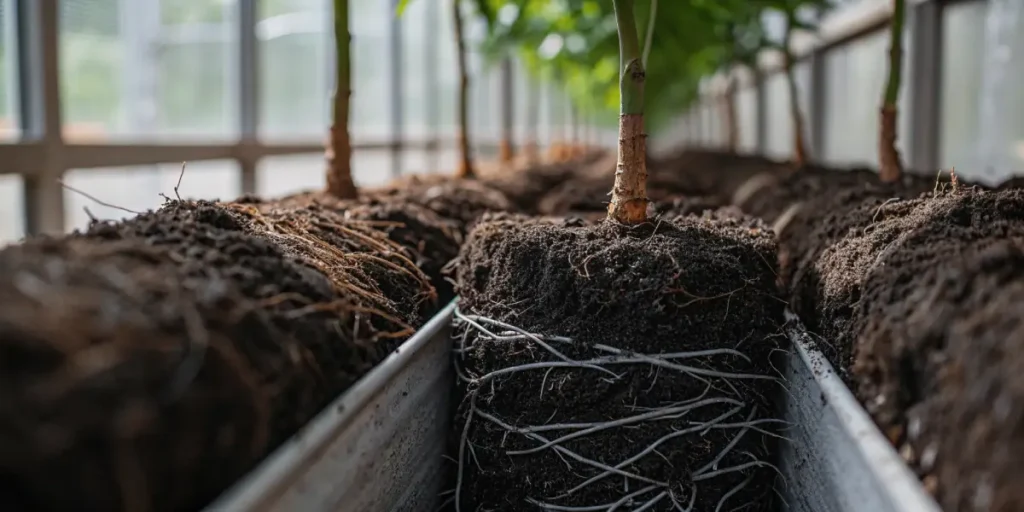
The cannabis root zone plays a crucial role in the health and productivity of your plants. It is the area surrounding the roots, where nutrient uptake occurs. Proper management of the cannabis root zone and nutrient interactions can lead to robust plant growth and high yields. It’s essential to create an environment where roots can thrive and absorb nutrients efficiently.
One critical factor in optimizing the cannabis root zone for nutrient absorption is maintaining the right balance of water, air, and nutrients. Overwatering can drown the roots, while underwatering can lead to nutrient deficiencies. The right balance encourages roots to grow strong and deep, enhancing nutrient uptake.
Recommended Strains

Bruce Banner #3

|
THC | 20% - 29% (High) |

|
Type | Feminized |

|
Yield | Medium |

|
Phenotype | 50% Indica / 50% Sativa |

GG4
|
|
THC | 27% (High) |
|
|
Type | Feminized |
|
|
Yield | High |
|
|
Phenotype | 40% Indica / 60% Sativa |
Blimburn Seeds offers strains like Bruce Banner 3, which thrive when the cannabis root zone is optimized. By ensuring your plants have the right conditions, you can maximize their potential. Let’s delve into the various aspects that influence cannabis root zone and nutrient interactions.
Effects of pH on Cannabis Root Zone
The pH level of the cannabis root zone significantly impacts nutrient uptake. A pH that’s too high or too low can lock out essential nutrients, leading to deficiencies. For cannabis, a slightly acidic root zone, usually between 6.0 and 7.0, is ideal.
Monitoring pH levels is crucial. Use a pH meter to test your soil or hydroponic solution regularly. Making small adjustments can prevent nutrient lockout and promote healthy growth. If the pH is off, adjust it with pH up or pH down solutions, ensuring your cannabis root zone remains in the optimal range.
Maintaining the correct pH in the cannabis root zone is not only about nutrient availability but also about preventing the build-up of harmful salts. Salts can accumulate when pH levels are not monitored, leading to further nutrient uptake issues. Regular flushing of the growing medium can help remove these salts, promoting a healthier root environment.
Innovative growers often use natural pH buffers, such as lime or sulfur, to gradually adjust the pH levels in their growing medium. This approach ensures that the cannabis root zone and nutrient interactions remain stable, providing a consistent supply of nutrients to the plants. Such practices are essential for achieving steady growth and maximizing yields.
- Check pH levels weekly
- Use quality pH testing equipment
- Adjust pH gradually to avoid plant stress
Promos & Deals




Optimizing Cannabis Root Zone for Nutrient Absorption
To optimize the cannabis root zone for nutrient absorption, it’s important to consider the medium in which your plants grow. Whether it’s soil, coco coir, or a hydroponic setup, each medium requires specific care and attention. For instance, soil should be well-aerated, while hydroponics needs precise nutrient solutions.
Another key aspect is temperature. Roots thrive in temperatures between 68°F and 77°F (20°C to 25°C). Too cold, and the metabolism slows down; too warm, and roots may rot. Maintaining the right temperature ensures efficient nutrient uptake and healthier plants.
Besides to temperature, light penetration in the root zone can also affect nutrient uptake. While roots do not require light to function, some growers use low-intensity light to stimulate microbial activity, which can further enhance nutrient availability. This added layer of care can significantly optimize cannabis root zone nutrient uptake.
Water quality is another critical factor in optimizing the cannabis root zone for nutrient absorption. Using filtered or distilled water can prevent the introduction of unwanted minerals or chemicals that may disrupt nutrient interactions. Ensuring pure water quality supports the delicate balance needed for optimal plant health and growth.
- Select the appropriate growing medium for your setup
- Maintain optimal root zone temperature
- Ensure adequate drainage to prevent root rot
Cannabis Root Zone Microbial Interactions
Beneficial microbes in the cannabis root zone can enhance nutrient uptake and improve plant health. These microbes break down organic matter, making nutrients more accessible to the roots. Products containing beneficial bacteria and fungi can be added to your growing medium or nutrient solution.
Introducing microbes like mycorrhizal fungi can form symbiotic relationships with cannabis roots. This partnership increases the surface area for nutrient absorption and helps protect against pathogens. Regularly using microbial inoculants can lead to more resilient plants.
Microbial diversity is key when considering cannabis root zone microbial interactions. A diverse microbial population can enhance nutrient cycling and improve plant resilience against environmental stressors. Blimburn Seeds’ GG4 strain, known for its resilience, can particularly benefit from a rich microbial community.
Regularly assessing the microbial activity in the cannabis root zone is crucial for maintaining a balanced ecosystem. Tools like microbial assays can help growers understand the health of their soil or hydroponic solutions, allowing for targeted interventions to enhance cannabis root zone nutrient uptake.
- Use microbial inoculants regularly
- Choose strains that benefit from microbial interactions
- Monitor microbial health with regular checks

Common Nutrient Deficiencies in Cannabis Root Zones
Nutrient deficiencies in cannabis root zones can manifest as discolored leaves, stunted growth, or poor yields. Knowing the signs of common deficiencies like nitrogen, phosphorus, and potassium can help you address issues quickly. Yellowing leaves often indicate nitrogen deficiency, while dark, purplish leaves may suggest phosphorus shortages.
Regularly check your plants for signs of nutrient deficiencies. Adjust your feeding schedule and nutrient solutions to address these issues promptly. Using a balanced fertilizer and following the manufacturer’s guidelines can prevent most deficiencies.
Besides to visual signs, testing the nutrient solution or soil for deficiencies can provide a more accurate assessment of nutrient availability. Tools like EC meters can offer insights into the overall nutrient levels in the cannabis root zone, allowing for more precise adjustments to feeding routines.
Preventing nutrient deficiencies in cannabis root zones also involves knowing the unique needs of the specific strain being cultivated. Some strains, like Blue Dream from Blimburn Seeds, are more forgiving and can still produce good yields even if minor deficiencies occur. Tailoring nutrient programs to match strain-specific requirements can significantly enhance growth outcomes.
FAQs about cannabis root zone and nutrient interactions
What is the cannabis root zone?
The cannabis root zone is the area surrounding the plant’s roots where nutrient uptake occurs. It’s crucial for the plant’s health and growth. This zone includes the soil or growing medium, along with the air and water available to the roots. Proper management of this area ensures that plants have access to the nutrients they need.
Knowing the cannabis root zone is essential for both novice and experienced growers. By maintaining optimal conditions in this zone, you can significantly enhance plant health and maximize yields. Regular monitoring and adjustments are key to successful cultivation.
The complexity of the cannabis root zone extends beyond just nutrient uptake; it also involves interactions with beneficial microbes and environmental conditions. These factors contribute to a dynamic ecosystem that supports plant health and productivity. Recognizing and optimizing these interactions are vital for achieving superior growth.
For those interested in sustainable practices, organic growing methods can enhance the cannabis root zone by incorporating natural amendments. This approach emphasizes the role of organic matter in fostering a rich microbial environment, further supporting robust nutrient interactions and healthier plants.
How does pH affect nutrient uptake?
PH levels influence the availability of nutrients in the cannabis root zone. When the pH is outside the optimal range, certain nutrients become unavailable to the plant, leading to nutrient lockout. This can result in deficiencies and poor plant health.
Maintaining the correct pH ensures that nutrients remain soluble and accessible to the roots. Regular pH testing and adjustments can prevent common cultivation issues and promote vigorous growth. A balanced pH is a cornerstone of successful cannabis cultivation.
Beyond nutrient lockout, improper pH levels can also affect the microbial life within the cannabis root zone. Beneficial microbes thrive within specific pH ranges, and deviations can hinder their effectiveness. Ensuring the right pH is crucial for maintaining both plant and microbial health.
Advanced growers often employ automated pH control systems to maintain precise levels consistently. These systems ensure that the cannabis root zone remains within the desired pH range, reducing the risk of nutrient uptake disruptions and enhancing overall plant performance.
What are optimal cannabis root zone temperatures?
Optimal temperatures for the cannabis root zone range from 68°F to 77°F (20°C to 25°C). These temperatures support healthy root metabolism and efficient nutrient uptake. Extremes in temperature can stress the plant and inhibit growth.
In colder temperatures, roots may become sluggish, while excessive heat can lead to root rot. Monitoring and maintaining the right temperature in your growing environment is crucial for healthy root development and overall plant success.
Temperature fluctuations in the cannabis root zone can also affect the solubility of nutrients, impacting the plant’s ability to absorb them efficiently. Stable temperatures ensure that nutrients remain available and that the plant’s metabolic processes function optimally.
In hydroponic systems, using water heaters or chillers can help maintain consistent root zone temperatures. This control over the growing environment is vital for optimizing cannabis root zone nutrient uptake and ensuring plants thrive under diverse conditions.
How do beneficial microbes affect cannabis growth?
Beneficial microbes, such as bacteria and fungi, enhance nutrient availability and protect against pathogens in the cannabis root zone. These microbes break down organic matter into forms that plants can readily absorb, improving nutrient uptake.
Incorporating microbial inoculants into your growing routine can increase plant resilience and yield. These beneficial interactions are a natural way to boost plant health and optimize the growing environment for cannabis plants.
The presence of beneficial microbes in the cannabis root zone can also improve soil structure and aeration. By promoting the formation of soil aggregates, these microbes enhance the air and water balance, which is crucial for root health and nutrient absorption.
Regularly replenishing the microbial population with organic amendments or teas can support a thriving ecosystem. This practice ensures that the cannabis root zone and nutrient interactions remain productive, contributing to sustained plant vigor and higher yields.
What are signs of nutrient deficiencies in cannabis plants?
Signs of nutrient deficiencies in cannabis plants include yellowing leaves, stunted growth, and discolored foliage. Each deficiency presents distinct symptoms that can be addressed with specific nutrient adjustments.
Regular monitoring of plant health and adapting nutrient solutions can prevent and correct deficiencies. Knowing these signs and their causes allows for prompt action, ensuring robust plant growth and high-quality yields.
Leaf deformation or unusual color patterns may also indicate specific nutrient deficiencies or imbalances in the cannabis root zone. Such symptoms often require a detailed analysis of nutrient levels to identify and address the underlying issues.
Beyond visual inspections, utilizing soil or solution testing kits can help identify nutrient availability issues before they manifest physically. This proactive approach to managing nutrient deficiencies in cannabis root zones helps maintain plant health and productivity.